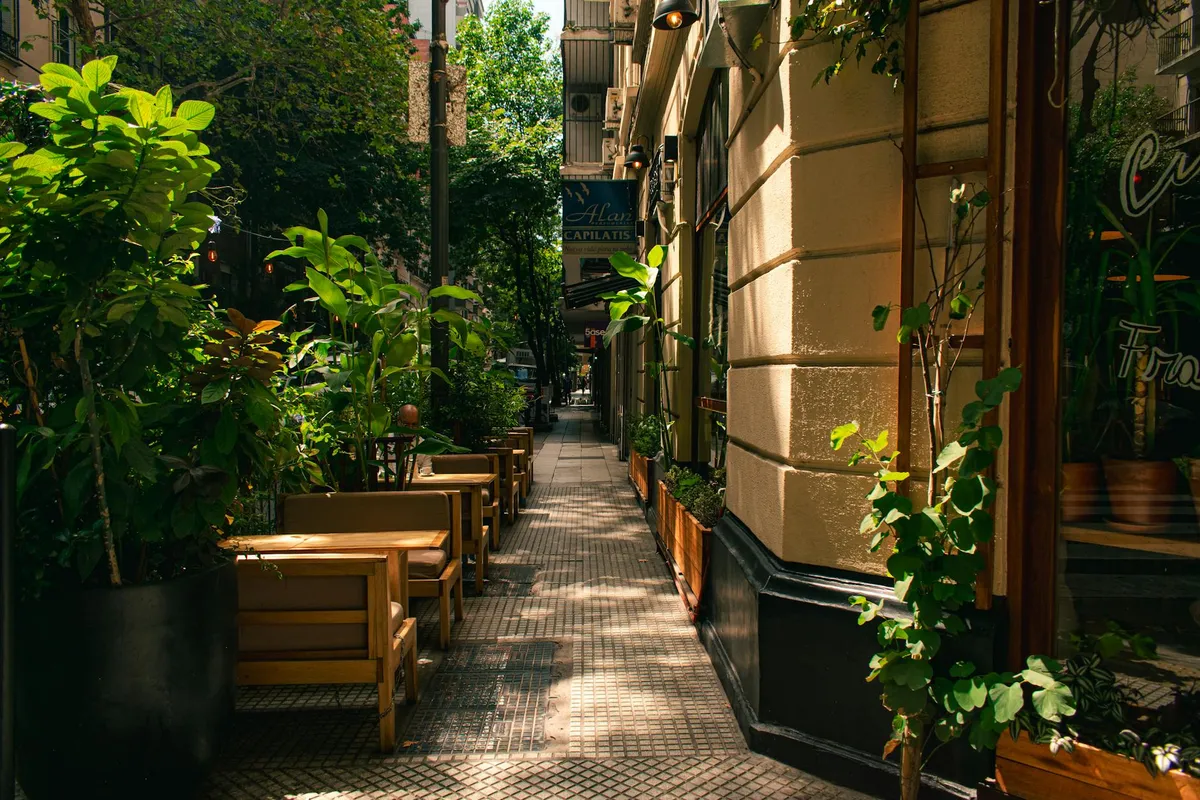
If you ask someone what to eat in Buenos Aires, they'll say steak. Probably empanadas. Maybe choripán. The tourist menu is short and mostly accurate as far as it goes, but it doesn't go very far.
I lived in Buenos Aires for two months. I ate constantly. I tracked what I ate, where I ate it, and what I learned. The actual food landscape is substantially more interesting than the tourist version.
Here's what I actually ate, where, and why.
The neighborhoods I lived in
I rented in Palermo Soho for three weeks, then in Recoleta for the remaining five. The neighborhoods produced substantially different food experiences.
Palermo Soho has more newer restaurants, more international options, more design-forward cafes.
Recoleta has more traditional Argentine restaurants, more confiterías, more old Buenos Aires food culture.
Both are food-rich. Both are well-positioned. The variety across them taught me something about how Buenos Aires food culture works.
What I ate for breakfast
Breakfast in Buenos Aires is real and specific.
What I ate most often:
Café con leche y medialunas. The ubiquitous Argentine breakfast. Coffee with milk plus small sweet croissants. I had this maybe 40 mornings out of 60.
Tostadas con dulce de leche. Toasted bread with the iconic Argentine caramel spread. I had this 12 mornings.
Tostadas con manteca y mermelada. Bread with butter and jam. The standard alternative.
Specific places I returned to:
Café Tortoni — once, as the famous tourist café. Worth seeing once. Not worth returning.
Las Violetas — multiple times. A historic confitería in Almagro. Different from Tortoni in being substantially more genuinely operational rather than primarily touristic.
Local cafes near my apartment whose names I never learned but whose owners came to know my order.
Confiterías Notables (the specific historically-protected cafes of Buenos Aires) deserve their own post. They're a substantial cultural category.
What I ate for lunch
Lunch in Buenos Aires is substantial. Argentine lunch culture treats midday as a real meal.
What I ate often:
Milanesa. Breaded thin meat, like an Argentine schnitzel. The everyday meat dish that isn't steak. I had milanesa more times than I had steak.
Empanadas. Yes. Real ones. Specific varieties — beef (carne), chicken (pollo), corn (humita), ham and cheese (jamón y queso). The empanada experience varies substantially across cities; Buenos Aires versions are often less spiced than provincial ones.
Pizza. Buenos Aires has specific pizza culture. The dough is different from Italian pizza. The cheese is different (often substantial mozzarella, sometimes also fainá — a chickpea flatbread served alongside).
Choripán. Sausage in bread. The everyday lunch sandwich. Specific places make this exceptionally well; many places make it adequately.
Pasta. Argentina has substantial Italian heritage. Pasta is everywhere and often excellent.
What I learned about lunch culture:
The lunch hour is real. Many places fill specifically between 1pm and 3pm.
The midday meal is often the larger meal of the day for many Argentines.
Specific working lunches happen at specific places. There's a pattern.
The "menu del día" or "menu ejecutivo" is a substantial Argentine lunch institution.
What I ate for dinner
Dinner is late in Buenos Aires. 9pm at the earliest, often later.
What I had often:
Asado at home or at someone's place. The classic Argentine grill. I had this multiple times during the two months because Argentine friends invited me. The home asado is different from the restaurant asado; it's social rather than transactional.
Steak. Yes, the famous Argentine beef. I had it maybe 8 times across the two months. It's genuinely excellent. It's also not the only thing.
Pasta dinner at trattorie. The Italian heritage food. Specifically good across Buenos Aires.
Pizza dinner. The Argentine pizza tradition.
Vegetarian dinners. Yes, despite the meat reputation, vegetarian options have expanded substantially in Palermo and parts of Recoleta.
Specific places I returned to:
Don Julio — the famous parrilla. I went once. Excellent. Touristy. Worth visiting if you want the full asado experience.
El Preferido de Palermo — historic restaurant, traditional Argentine, less touristy than Don Julio. I went three times.
Several smaller pasta places I came to know in Recoleta whose names didn't make Eater lists.
Specific places near my apartment that became routine.
What I ate as snacks
Argentine snacking is its own category.
What I ate often:
Mate. Constantly. Multiple times daily. The traditional yerba mate tea is integral to Argentine social life. I started drinking it daily during this stay; I still drink it occasionally now.
Alfajores. The classic Argentine cookie sandwich, often filled with dulce de leche. Specific brands and variants matter substantially.
Fugazzeta. A specific Buenos Aires pizza variant with thick cheese and onions. Sold by the slice at standing-only places.
Tartas. Specific savory tarts that work as snacks or light meals. Various fillings.
Helado. Argentine ice cream is genuinely exceptional. Italian heritage shows. Specific places matter substantially.
Specific helado places I returned to:
Rapanui — multiple visits. Specifically good chocolate variations.
Cadore — once, but it was very good.
Smaller neighborhood places near my apartments.
The asado experience
The Argentine asado deserves its own treatment.
It's not just grilled meat. It's a specific social event with specific structure:
The asador (grill master) is a designated person, often the host. The role has specific authority.
The fire is built carefully and substantially. Charcoal, sometimes wood. The fire-making is part of the event.
The cuts come in specific order. Chorizo and morcilla (sausages) first. Then offal (sweetbreads, kidneys). Then the larger cuts (ribs, flank, ribeye).
The accompaniments are specific. Chimichurri sauce. Salads. Bread. Sometimes provoleta (grilled provolone).
The wine is substantially Malbec, sometimes Bonarda or other varieties.
The pace is slow. An asado runs three to five hours minimum.
The conversation is part of the meal. It's social food, not eating-then-leaving food.
I attended four home asados during my stay. Each was slightly different. Each was substantially the same in shape. The shape is what matters.
What I learned about Argentine food culture
The two months produced specific learning:
The food culture is more Italian than people realize. Pasta, pizza, gnocchi (Argentina has gnocchi day — the 29th of each month), and Italian-influenced everything are substantial.
The food culture is more diverse than steak-and-empanadas suggests. Vegetarian options, international restaurants, specific Buenos Aires pizza, and seasonal variations all extend the picture.
The eating times are different. Late dinners, substantial midday meals, evening snacking patterns differ from many other cultures.
The social context matters substantially. Eating alone isn't the typical Argentine pattern. Meals are typically social events.
The mate culture is integral. The shared mate practice is more than tea drinking; it's a social ritual.
Specific dishes are doors into culture. Empanadas vary regionally. Pizza varies by establishment. Asado varies by host. Each variation reveals something.
What I'd tell tourists who only have a few days
For a short visit, focus:
One steak meal at a parrilla. Don Julio if you want the famous experience; smaller places if you want the typical experience.
One Buenos Aires pizza meal. Specific places like Pizzería Güerrín.
Empanadas from a specific empanada-focused place rather than from a general restaurant.
Café con leche y medialunas at a confitería notable.
Helado at a specific helado place.
If invited to a home asado, accept. The experience can't be replicated at restaurants.
Skip the most touristy places (Café Tortoni for everything but a quick visit, restaurants whose menus are translated into too many languages).
What I'd tell someone considering an extended stay
For a longer stay:
Pick a neighborhood with food density. Palermo, Recoleta, San Telmo, parts of Belgrano all qualify.
Develop relationships with specific places. The cafe owner, the empanada baker, the parrillero — these relationships make the food experience deeper.
Try to get invited to home asados. Argentinian hospitality often produces these invitations naturally if you're engaging with the local social scene.
Drink mate. Daily. With others when possible.
Vary across neighborhoods. The food culture differs across the city.
Eat seasonally. Argentine seasons differ from northern hemisphere seasons. Adjust accordingly.
What I'll keep from this
Things from Buenos Aires food culture I now do at home:
Drink mate daily.
Bake my own medialunas occasionally.
Make chimichurri regularly.
Have asados (Spanish-style, not Argentine, but related) in summer.
Think differently about timing meals.
Buenos Aires changed how I eat in specific ways. Two months produced substantial integration that brief visits never could.
That's the case for slow travel applied to food specifically. The depth of food experience is one of the strongest arguments for staying longer.
I'll be back. The food alone justifies it.