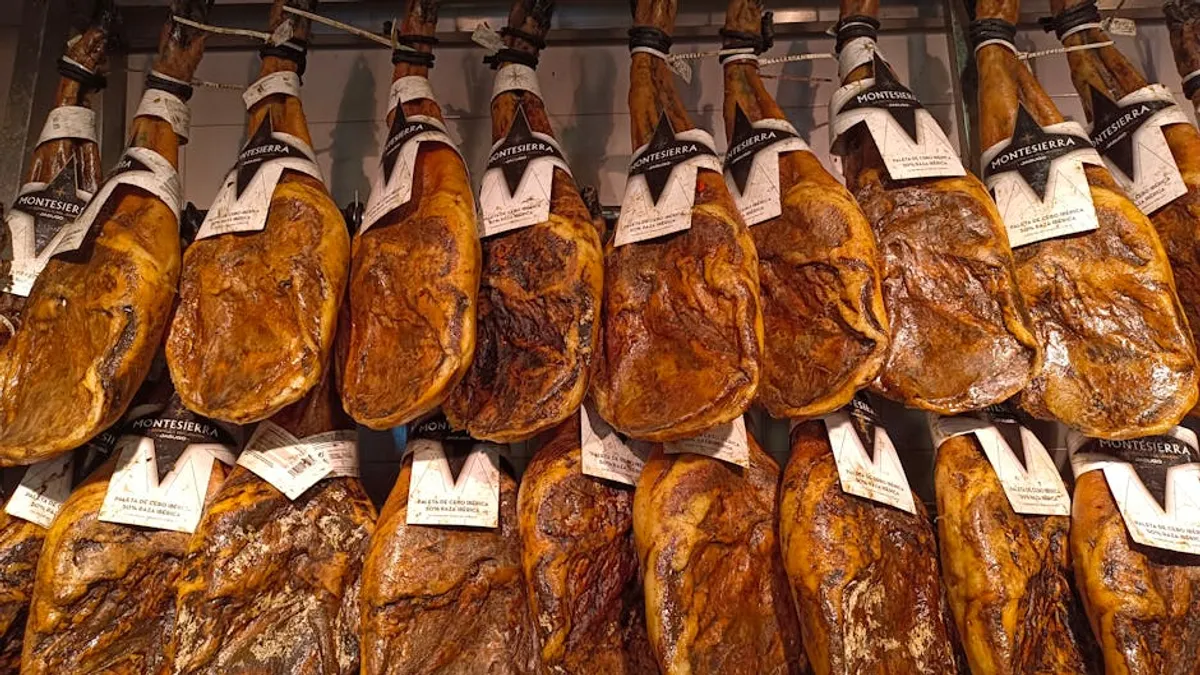
The Spanish Food Guide functions as a structured digital resource designed to illuminate the breadth and depth of Spanish culinary traditions. Its primary utility lies in providing detailed, accessible information for users seeking to understand, prepare, or simply explore the diverse gastronomic landscape of Spain. The guide operates by categorizing and detailing dishes, ingredients, regional specialties, and preparation methods, allowing users to navigate complex culinary information efficiently, whether for meal planning, cultural education, or travel preparation.
Understanding the Guide's Structure
The core of the Spanish Food Guide's operation is its systematic organization, which enables users to pinpoint specific information quickly. This structure is built around geographical and thematic classifications, reflecting the regional variations inherent in Spanish cuisine.
Regional Breakdown and Specializations
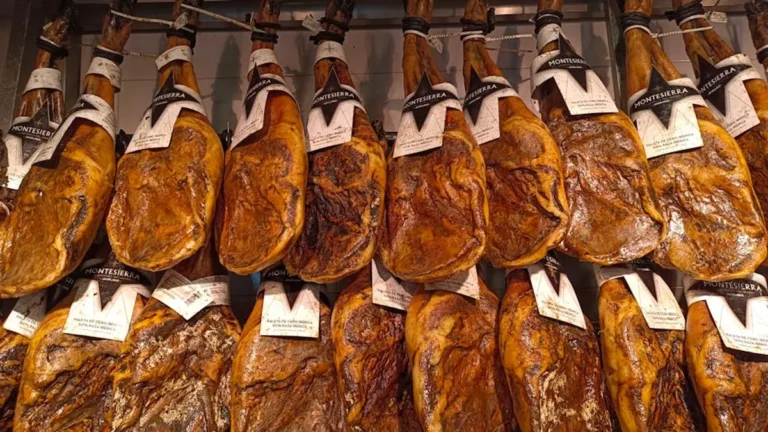
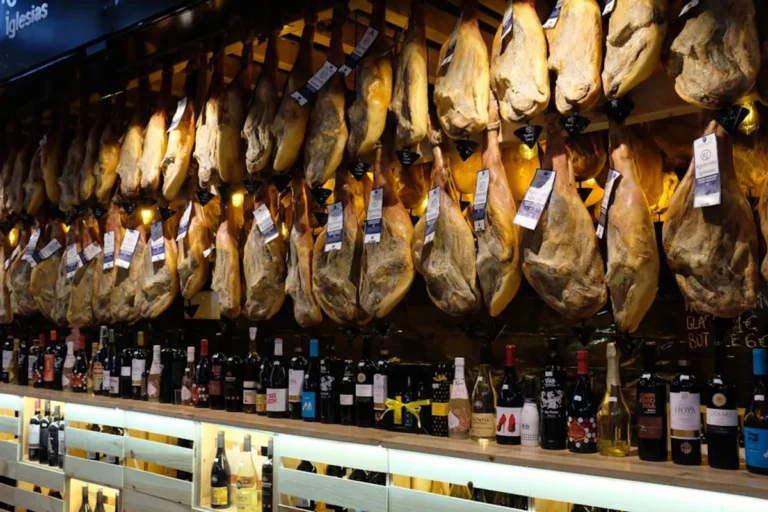
The guide segments Spain into its autonomous communities and provinces, recognizing that culinary practices and signature dishes often vary significantly even within short distances. Each regional section details the local staples, traditional cooking techniques, and unique food festivals or traditions. For instance, a user exploring Andalusia will find entries on gazpacho, jamón ibérico, and specific sherry pairings, while a search for Galicia would highlight pulpo a la gallega and albariño wines. This granular approach ensures that the information presented is contextually accurate and reflects the true diversity of local food cultures.
Dish Categorization and Search Filters
Beyond geography, the guide organizes its content by dish type, ingredient, and meal course. Users can filter entries by categories such as "tapas," "main courses," "desserts," or "seafood." Advanced search functionalities allow for combinations, such as "vegetarian tapas from Catalonia" or "rice dishes suitable for a spring dinner." This multi-faceted indexing system reduces the time spent searching for relevant content and ensures that specific dietary needs or culinary interests can be accommodated effectively.
Deep Dive into Each Entry
Each individual entry within the Spanish Food Guide is constructed to provide comprehensive detail, moving beyond simple recipe outlines to offer a full cultural and practical context for the dish or ingredient.
Recipe Components and Preparation Steps
For dishes, entries include precise ingredient lists with standard measurements, followed by step-by-step preparation instructions. These instructions often incorporate traditional methods alongside modern adaptations, providing flexibility for various kitchen setups. Emphasis is placed on clarity and replicability, ensuring that users can successfully recreate authentic Spanish flavors at home. Key techniques, such as proper sofrito preparation or the art of making a perfect tortilla española, are often highlighted with specific tips.
Cultural Context and Historical Notes
The guide integrates rich cultural and historical narratives for many entries. This includes information on the origins of a dish, its evolution over time, and its significance in Spanish festivals, family gatherings, or daily life. Understanding that paella originated in Valencia as a peasant dish cooked over an open fire, for example, adds depth to the culinary experience. This contextual layer enhances user engagement by transforming a simple recipe into a story of heritage.
Ingredient Sourcing and Substitutions
Practical advice on ingredient sourcing is a key component. Entries often suggest where to find specific Spanish ingredients, such as pimentón de la Vera or saffron from La Mancha, and offer suitable substitutions when authentic items are unavailable. This ensures that users outside of Spain can still achieve comparable flavors. Recommendations for fresh produce selection, meat cuts, or seafood varieties are also common, guiding users toward optimal results.
Interactive Features and Community Contributions
The Spanish Food Guide is designed not just as a static repository but as an evolving resource that benefits from user interaction and community input, fostering a dynamic environment for culinary exchange.
User Ratings and Reviews
Each dish or ingredient entry typically features a rating system, allowing users to provide feedback on recipes, ingredient recommendations, or cultural notes. A five-star scale often accompanies a comment section where users can share their experiences, offer personal tips, or ask questions. This peer-to-peer validation helps new users identify popular or well-regarded entries and contributes to a collective knowledge base.
Personalized Recommendations and Saved Lists
Users who create accounts can often save favorite recipes, create personalized meal plans, or generate shopping lists directly from the guide's content. Based on their saved items, search history, or ratings, the system may offer tailored recommendations for new dishes or regional explorations. This personalization streamlines the user experience and encourages deeper engagement with the guide's extensive content.
- Save favorite recipes for quick access.
- Create custom meal plans for special occasions or weekly menus.
- Generate shopping lists directly from ingredient lists.
- Receive curated suggestions based on past interactions.
- Contribute personal notes or modifications to recipes.
Ensuring Authenticity and Accuracy
Maintaining the integrity of culinary information is critical for a guide focused on traditional and authentic cuisine. The Spanish Food Guide employs a multi-layered approach to content validation.
Curation Process and Expert Vetting
New entries and significant updates undergo a curation process involving culinary experts, food historians, and native Spanish chefs. This vetting ensures that recipes adhere to traditional standards, historical facts are accurate, and regional variations are correctly represented. The process aims to prevent the dissemination of misinformation and uphold the guide's reputation as a reliable source for Spanish gastronomy.
Pro Tip: When exploring complex regional dishes, always cross-reference information with the guide's "Cultural Context" section. Understanding the historical and geographical nuances often provides crucial insight into ingredient choices and preparation methods, preventing common culinary missteps and enhancing authenticity.
Leveraging the Spanish Food Guide for Planning and Discovery
The Spanish Food Guide serves multiple practical applications. For home cooks, it acts as a comprehensive recipe book, offering structured instructions and ingredient insights. Travelers can utilize it to research local specialties before or during a trip, enriching their culinary experiences abroad. Educators and students benefit from its cultural and historical notes, making it a valuable resource for understanding Spain through its food. Its structured data also makes it a reference point for food bloggers and content creators seeking verified information on Spanish cuisine.
Key Considerations for Users
To maximize the utility of the Spanish Food Guide, users should familiarize themselves with its search filters and regional classifications. Actively using the rating and review system can enhance the community aspect, while leveraging personalized features like saved lists streamlines meal planning. Regular engagement with the cultural notes section will deepen appreciation for the cuisine beyond just the recipes. Understanding the guide's commitment to expert vetting also provides confidence in the authenticity of the information presented.
Frequently Asked Questions
How often is new content added to the Spanish Food Guide?
New recipes, regional spotlights, and ingredient profiles are typically added on a monthly or quarterly basis, following a rigorous editorial and expert review process to ensure accuracy and authenticity.
Can I submit my own Spanish recipes or regional insights?
Yes, the guide often provides a submission portal for users to contribute. Submissions are then reviewed by culinary experts for accuracy, traditional adherence, and regional relevance before being published.
Are there vegetarian, vegan, or gluten-free filtering options available?
Most modern food guides, including the Spanish Food Guide, incorporate advanced filtering options for various dietary restrictions, allowing users to easily find suitable recipes and ingredient information.
Does the guide include information on Spanish wines or beverages?
While primarily focused on food, many entries for specific dishes or regions will include recommended wine pairings or traditional beverage accompaniments, providing a holistic culinary experience.