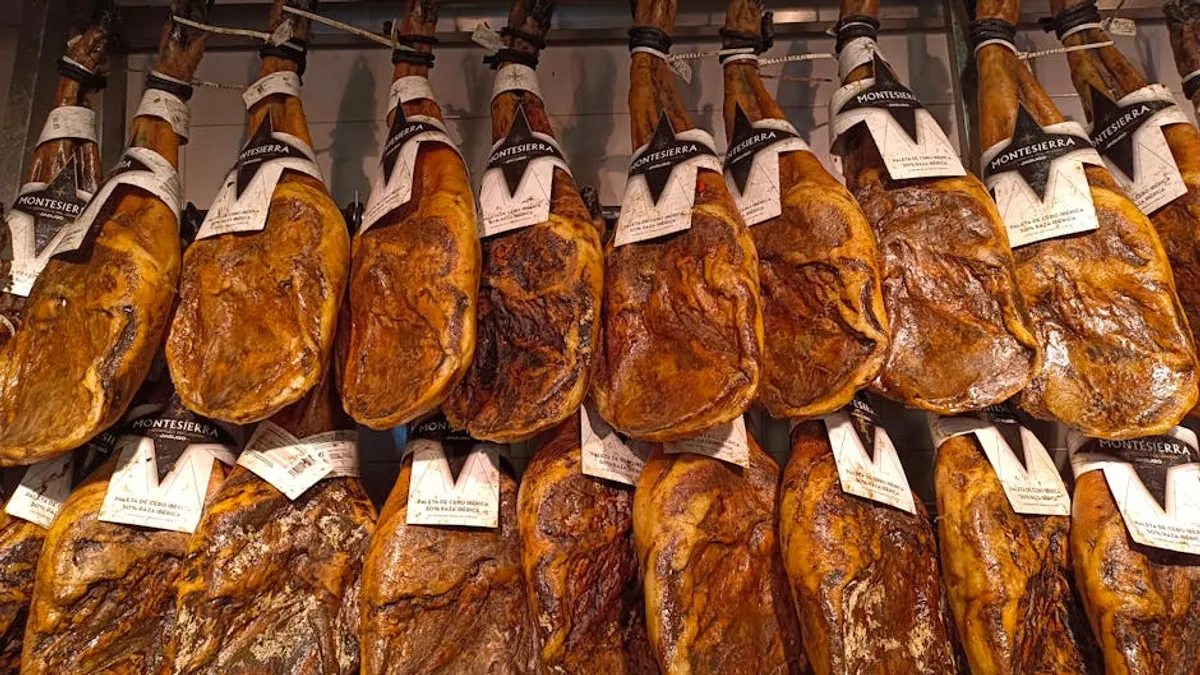
Selecting an effective Spanish food guide requires understanding the diverse range of available resources and matching them to specific commercial or educational objectives. The market offers everything from encyclopedic culinary histories to practical recipe collections and dynamic digital platforms. This comparison focuses on distinguishing these guide types by their content depth, practical utility, and suitability for various professional applications, from menu development to import decisions.
Navigating Types of Spanish Food Guides
The utility of a Spanish food guide hinges on its core focus and presentation. Distinguishing between broad categories helps in identifying resources that align with specific information needs, whether for academic research, culinary business planning, or personal enrichment.
Comprehensive Culinary Atlases
These guides offer extensive coverage of Spain's gastronomic landscape, often organized by region, historical period, or specific ingredient categories. They typically feature detailed historical context, explanations of traditional cooking techniques, and insights into the cultural significance of various dishes. The content density is high, often including historical photographs, maps of culinary regions, and deep dives into local produce and PDO (Protected Designation of Origin) products. Accuracy is paramount, with information often sourced from culinary historians and regional experts.
Best for: Academic research, menu development for high-end Spanish restaurants, ingredient sourcing for specialized importers, and deep cultural understanding for culinary educators.
Practical Recipe-Focused Compendiums
Designed primarily for home cooks and culinary students, these guides prioritize clear, step-by-step instructions for preparing Spanish dishes. They often include ingredient lists with common substitutions, estimated cooking times, and practical tips for execution. While some offer regional context, the emphasis remains on replicable recipes. Many include photographs of finished dishes and preparation steps, enhancing user experience. The commercial value lies in their direct applicability for developing new menu items or understanding ingredient combinations.
Best for: Home cooking enthusiasts, culinary schools, new restaurant ventures seeking foundational Spanish recipes, and food bloggers focusing on recipe adaptation.
Travel-Oriented Gastronomic Companions
These guides cater to travelers seeking authentic culinary experiences in Spain. They feature restaurant recommendations, market guides, food festival calendars, and insights into local eating customs. The content is often curated to highlight regional specialties and provide practical advice on navigating local food scenes, including etiquette and ordering tips. They may include glossaries of food terms and phrases useful for dining out. While not recipe-heavy, they offer valuable commercial intelligence on consumer preferences and emerging food trends in specific regions.
Best for: Tour operators, travel agencies specializing in culinary tourism, food journalists, and individuals planning gastronomic trips to Spain.
Digital Resources and Niche Platforms
The digital landscape provides dynamic and often specialized information. This includes online databases of ingredients, interactive maps of food producers, blogs dedicated to specific Spanish regions or dish types, and apps for restaurant discovery or recipe management. These platforms can offer real-time updates, user-generated content, and customizable search functions. Their commercial utility lies in their immediacy and ability to cater to very specific information needs, such as locating suppliers for rare ingredients or identifying vegan-friendly Spanish dining options.
Best for: Real-time market research, sourcing niche ingredients, adapting recipes for specific dietary requirements, and rapid information retrieval for culinary professionals on the go.
Key Evaluation Criteria for Commercial Application
When assessing any Spanish food guide for commercial use, specific criteria determine its practical value beyond mere information dissemination.
- Content Granularity and Accuracy: Does the guide provide precise details on ingredients, preparation methods, and regional variations? Is the information verifiable and free from common misconceptions? High granularity supports product development and quality control.
- Regional Specificity: How deeply does the guide explore the distinct culinary traditions of Spain's autonomous communities? A guide with strong regional focus is invaluable for targeting specific markets or developing specialized product lines.
- Practical Utility: Beyond descriptive content, does the guide offer actionable insights? This includes practical advice on ingredient sourcing, adapting recipes for different scales, or understanding local market dynamics.
- Cultural Context Integration: Does the guide explain the historical and cultural significance of dishes and ingredients? This context is crucial for marketing, storytelling, and creating authentic culinary experiences.
Pro Tip: When evaluating a Spanish food guide for commercial purposes, prioritize resources that clearly cite sources or are authored by recognized culinary authorities. Unverified claims or anecdotal information can lead to costly missteps in product development or market positioning. Cross-referencing information across multiple reputable sources is always a sound practice.
Selecting a Guide for Specific Objectives
The "best" guide is always context-dependent, aligning directly with the user's commercial or educational goal.
- For Menu Development in a Spanish Restaurant: Prioritize comprehensive culinary atlases that detail regional specialties, traditional preparation methods, and ingredient sourcing. Look for guides that emphasize historical accuracy and provide insight into flavor profiles and ingredient pairings specific to different Spanish provinces.
- For Importing Spanish Ingredients: Focus on guides that offer detailed information on PDO and PGI (Protected Geographical Indication) products, including their origins, production methods, and typical uses. Digital databases and niche platforms can also provide current supplier information and market trends.
- For Curating Culinary Tours: Travel-oriented gastronomic companions are essential, especially those with up-to-date restaurant recommendations, market insights, and cultural notes on dining etiquette. Supplement with regional blogs for real-time event information.
- For Personal Culinary Education: Recipe-focused compendiums provide practical skills, while comprehensive atlases build foundational knowledge. A combination often yields the most robust learning experience.
Optimizing Your Culinary Research
Effective utilization of Spanish food guides extends beyond simply reading. For commercial applications, integrate insights from these resources into market analysis, product development cycles, and brand messaging. Consider how regional specialties can inform new product lines or how traditional cooking methods can be adapted for modern consumer preferences. Regularly cross-reference information from different guide types—for instance, using a culinary atlas for historical context, then a recipe compendium for practical application, and finally a digital platform for current trends or ingredient availability. This multi-faceted approach ensures a well-rounded understanding and supports informed decision-making in the dynamic world of Spanish gastronomy.
Frequently Asked Questions
What is the primary difference between a recipe-focused guide and a culinary atlas?
A recipe-focused guide prioritizes step-by-step instructions for cooking dishes, often with practical tips for home cooks. A culinary atlas offers broader historical, cultural, and regional context, detailing ingredients, traditions, and the evolution of Spanish cuisine without necessarily providing extensive recipes.
How can digital Spanish food resources be more beneficial than print guides?
Digital resources often provide real-time updates on restaurant openings or food events, user reviews, interactive maps, and specialized search functions for dietary needs or specific ingredients. They can be more dynamic and accessible for on-the-go information retrieval.
Should I prioritize regional specificity when selecting a guide for commercial purposes?
Yes, regional specificity is crucial for commercial applications. Spain's cuisine is highly regional, and understanding these distinctions allows for targeted product development, accurate marketing, and authentic culinary experiences that resonate with specific consumer segments.
Are older Spanish food guides still relevant for commercial use?
Older guides can offer invaluable historical context and preserve traditional recipes that may be less common in modern publications. For understanding culinary heritage or sourcing classic preparations, they remain highly relevant, though they should be cross-referenced with contemporary sources for current market applicability.