Spain's culinary landscape presents a significant commercial opportunity, extending beyond tourism to product importation, restaurant development, and specialized content creation. A comprehensive understanding of Spanish food—its regional diversity, foundational ingredients, and cultural significance—is essential for businesses aiming to capitalize on this vibrant market. This guide outlines the core elements and regional distinctions of Spanish cuisine, providing a framework for strategic engagement. This guide outlines the core elements and regional distinctions of Spanish cuisine, providing a framework for strategic engagement and highlighting emerging trends in Spanish cuisine.
Foundational Elements of Spanish Cuisine
Spanish cooking, while incredibly varied by region, relies on a consistent set of core ingredients and preparation philosophies. These elements form the backbone of nearly every dish and are critical for replicating authentic flavors or sourcing appropriate products.
- Olive Oil: The undisputed king of Spanish fats, used for cooking, dressing, and as a finishing oil. Extra virgin olive oil from Andalucía or Catalonia is a premium product, often carrying Protected Designation of Origin (DOP) status. Its quality directly impacts dish flavor and perceived authenticity.
- Garlic and Onions: These aromatics form the sofrito base for countless stews, sauces, and rice dishes. Their slow caramelization provides a deep, sweet foundation.
- Tomatoes and Peppers: Integral to fresh salads, sauces, and gazpachos. Red peppers (pimientos) are used fresh, roasted, or dried (pimentón), adding color and smoky depth.
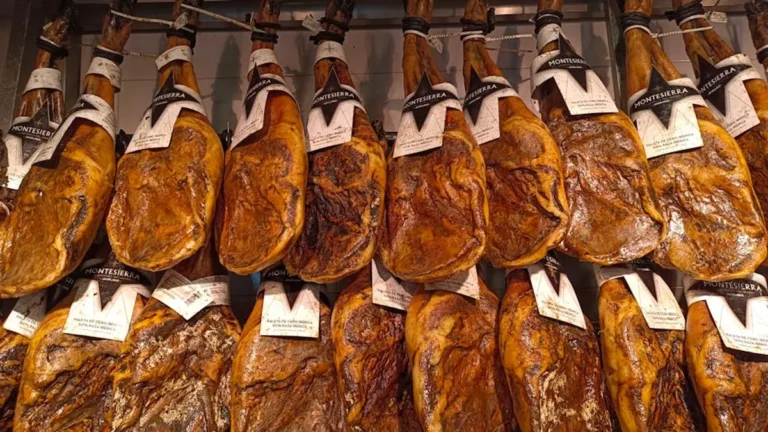
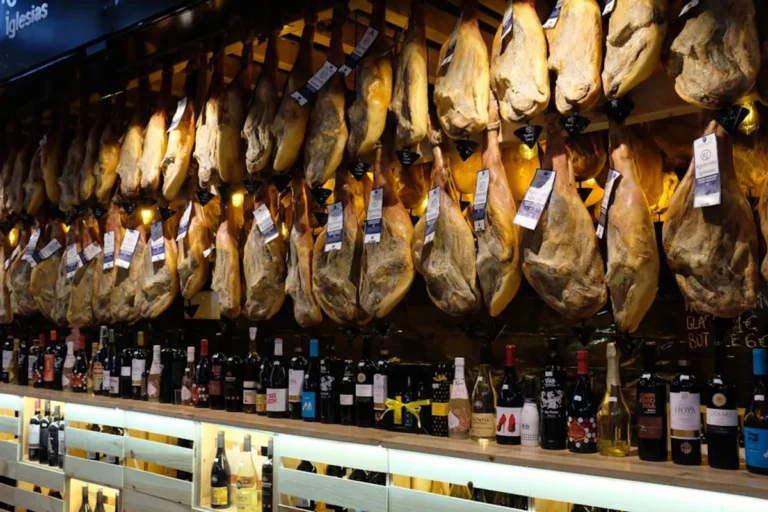
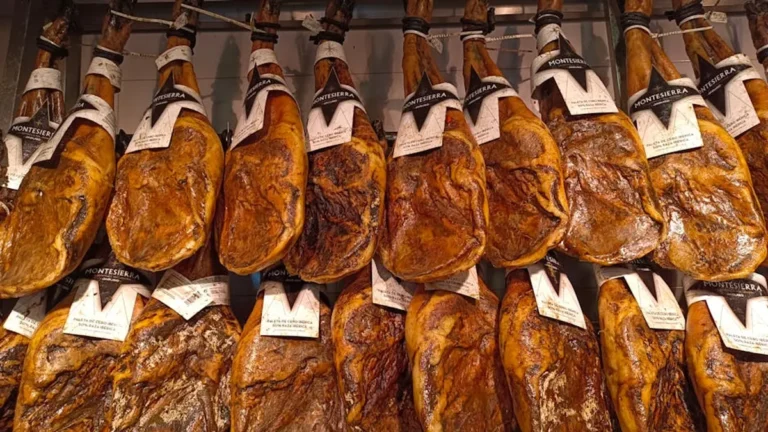
- Pork Products: From the iconic Jamón Ibérico and Serrano ham to chorizo and morcilla, pork is a central protein. The quality of cured meats, particularly those from acorn-fed Ibérico pigs, commands high market value and is a key export.
- Seafood: Given Spain's extensive coastline, fresh fish and shellfish are staples, especially in coastal regions. Varieties like hake, cod, sardines, prawns, and octopus are prepared simply to highlight their natural flavors.
Pro Tip: When sourcing Spanish ingredients, prioritize products with protected designations (DOP, IGP) to ensure authenticity and command premium pricing, differentiating your offering in a competitive market. These designations verify origin and quality, providing a strong marketing narrative.
Regional Culinary Specializations
The true depth of Spanish cuisine emerges from its regional variations, each shaped by local geography, history, and available produce. Understanding these distinctions is crucial for targeted marketing and product development.
Andalucía: The Birthplace of Tapas
Southern Spain is synonymous with tapas culture, where small plates encourage social dining and culinary exploration. Key dishes include gazpacho (cold tomato soup), salmorejo (thicker, creamier gazpacho), fried fish (pescaíto frito), and diverse cured hams. The region's olive oil production is immense, influencing most preparations.
Commercial Application: Ideal for businesses developing small-plate concepts, specialized olive oil imports, or culinary tours focused on vibrant street food culture.
Catalonia: Mediterranean Sophistication
Northeastern Spain, particularly Barcelona, showcases a refined Mediterranean diet. Staples include pa amb tomàquet (bread with tomato), botifarra (sausage), and seafood stews (suquets). The region is also known for its cava (sparkling wine) and crema catalana (custard dessert).
Commercial Application: Relevant for high-end dining concepts, Cava distribution, and specialty food imports that emphasize fresh, seasonal produce.
Valencia: The Home of Paella
Valencia's culinary identity is inextricably linked to paella. Authentic Valencian paella typically features chicken, rabbit, and green beans, cooked over an open fire with specific rice varieties like Bomba or Senia. The region also produces horchata, a refreshing drink made from tigernuts.
Commercial Application: Focus for businesses specializing in rice imports, paella kits, or authentic Valencian culinary experiences. The global recognition of paella offers significant brand leverage.
Basque Country: Gastronomic Innovation
The Basque Country stands out for its high-end gastronomy and pintxos (small, often elaborate, snacks served on bread). San Sebastián is a global culinary hub with numerous Michelin-starred restaurants. Seafood is prominent, alongside dishes like bacalao al pil-pil (cod in garlic-olive oil emulsion) and chuletón (thick-cut steak).
Commercial Application: Suited for luxury food tourism, fine dining ingredient sourcing, or premium wine imports like Txakoli.
Castile and León: Hearty Inland Fare
This central, landlocked region is renowned for its roast meats, particularly cochinillo (suckling pig) and lechazo (roast lamb). Hearty stews, legumes, and robust red wines from Ribera del Duero and Rioja are also central. The cuisine is characterized by its rustic, comforting nature.
Commercial Application: Relevant for meat importers, specialty cheese distributors (e.g., sheep's milk cheeses), and wine merchants focusing on full-bodied reds.
Galicia: Seafood and Celtic Influences
In the northwest, Galicia's rugged coastline dictates a seafood-centric diet. Pulpo a la gallega (Galician-style octopus), empanadas (savory pies), and percebes (goose barnacles) are regional highlights. The crisp, aromatic Albariño white wine is a perfect pairing.
Commercial Application: Prime for seafood importers, white wine distributors, and businesses targeting a niche market for unique maritime delicacies.
Key Dishes and Their Commercial Value
Certain Spanish dishes transcend regional boundaries due to their widespread appeal and commercial viability.
- Paella: While originating in Valencia, paella's global recognition makes it a powerful draw. Offering authentic versions or high-quality ingredients for home preparation taps into a broad consumer base.
- Tapas: The concept of tapas is highly adaptable for restaurants, offering variety and encouraging communal dining. Its flexibility allows for both traditional and innovative interpretations.
- Jamón Ibérico: As a premium cured ham, Jamón Ibérico represents a luxury food item with high perceived value. Marketing its specific origins (e.g., Extremadura, Salamanca) and feeding practices (bellota) enhances its commercial appeal.
- Tortilla Española: The Spanish potato and onion omelet is a versatile, comforting dish. Its simplicity and widespread acceptance make it suitable for cafes, delis, and ready-meal markets.
- Churros: These fried dough pastries, often served with hot chocolate, are popular for breakfast or dessert. Their appeal crosses demographics and offers opportunities for cafes, bakeries, and food service providers.
Strategic Culinary Engagement
For businesses seeking to engage with Spanish cuisine, a strategic approach is vital. Focus on authenticity, quality sourcing, and clear communication of regional heritage.
Authenticity vs. Adaptation: While strict adherence to traditional recipes is valued, understanding local market preferences allows for intelligent adaptation without compromising core identity. Clearly label "authentic" versus "inspired" offerings.
Ingredient Sourcing: Prioritize direct sourcing from specific regions for key ingredients. This not only ensures quality but also provides compelling storytelling for marketing efforts, leveraging the narrative of origin and tradition.
Marketing Regionality: Instead of generic "Spanish food," highlight specific regional cuisines (e.g., "Andalusian Tapas Bar," "Basque Pintxos Experience"). This creates a more distinct brand identity and attracts informed consumers.
Food Tourism Integration: For travel-related businesses, developing culinary tours, cooking classes, or food-themed itineraries focused on specific regions or ingredients can attract high-value tourists seeking immersive experiences.
Frequently Asked Questions
What defines authentic Spanish paella? Authentic Spanish paella, originating from Valencia, typically contains short-grain rice, chicken, rabbit, green beans, and garrofó (lima beans), cooked in a wide, shallow pan to develop a crispy base called "socarrat."
Why is Jamón Ibérico considered a premium product? Jamón Ibérico is premium due to the specific breed of pig (Ibérico), its diet (often acorns, "bellota"), and a lengthy curing process, resulting in a rich, complex flavor and unique texture.
How do Spanish tapas differ from pintxos? Tapas are small plates or portions of larger dishes, often served free with a drink in some regions. Pintxos, primarily from the Basque Country, are typically small, artfully arranged snacks, often served on a slice of bread and usually paid for individually.
What are the key Spanish wines to know? Key Spanish wines include the robust reds from Rioja and Ribera del Duero, the sparkling Cava from Catalonia, the dry and fortified Sherry from Andalucía, and the crisp white Albariño from Galicia.