Developing a Spanish food guide that genuinely resonates with an audience requires more than a simple compilation of dishes. It demands an understanding of regional culinary distinctions, practical utility for diverse user intents, and a strategic approach to discoverability. A successful guide serves as an authoritative resource for both culinary enthusiasts and travelers, translating cultural nuances into accessible, actionable information. The objective is to build a content asset that not only educates but also captures commercial value through informed resource provision and user engagement.
Establishing Foundational Authenticity and Regional Depth
The cornerstone of any authoritative Spanish food guide is its commitment to authenticity and a granular understanding of regional cuisine. Spain's culinary landscape is highly diverse, with distinct traditions, ingredients, and preparation methods varying significantly from Galicia to Andalusia, and Catalonia to the Basque Country. Superficial coverage dilutes value and misses critical long-tail search opportunities.
- Regional Specialization: Instead of a generic "Spanish cuisine" section, segment content by autonomous community or even province. For instance, separate entries for "Galician seafood empanadas," "Asturian fabada," "Valencian paella," and "Basque pintxos" acknowledge distinct culinary identities. This approach caters to users seeking specific regional experiences or recipes.
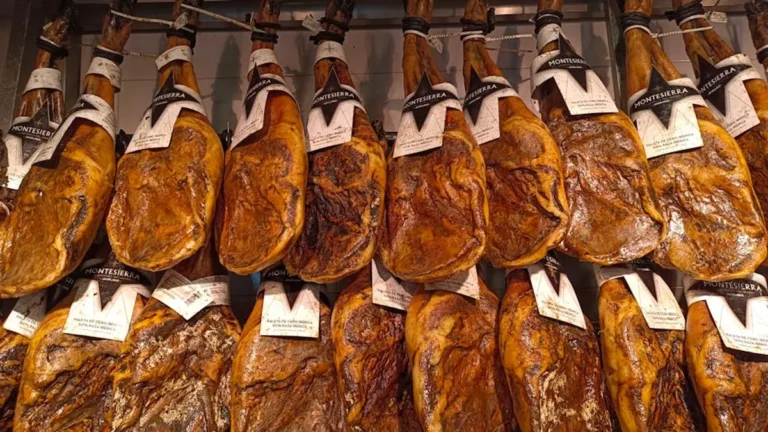
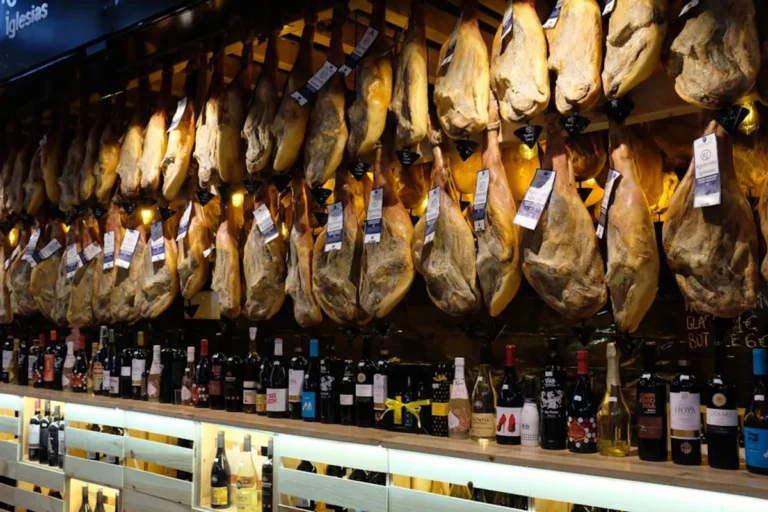
- Ingredient Sourcing and Context: Detail unique ingredients, their origins, and how they contribute to specific dishes. Explain the difference between Pimentón de la Vera (smoked paprika) and common paprika, or the varying grades of Jamón Ibérico. Providing context on protected designations of origin (D.O.P. or I.G.P.) for wines, cheeses, or olive oils adds significant authority.
- Cultural Narrative: Weave in the cultural significance, historical context, and local traditions surrounding dishes. Explaining why certain foods are eaten during specific festivals or how they evolved provides depth beyond a mere recipe list. This narrative engagement enhances user experience and dwell time.
Structuring for Enhanced User Experience and Search Visibility
Effective information architecture and strategic SEO integration are paramount for a Spanish food guide to achieve both usability and organic reach. The guide must be intuitively navigable for users and comprehensively indexed by search engines.
Optimizing Content Presentation
Organize content logically to facilitate user journeys. This includes clear categorization and internal linking strategies.
Information Architecture: Develop a hierarchical structure that allows users to drill down from broad categories (e.g., "Spanish Tapas") to specific dishes (e.g., "Patatas Bravas Recipe") or regional specialties (e.g., "Andalusian Gazpacho"). Use clear navigational elements, such as breadcrumbs, to indicate location within the guide.
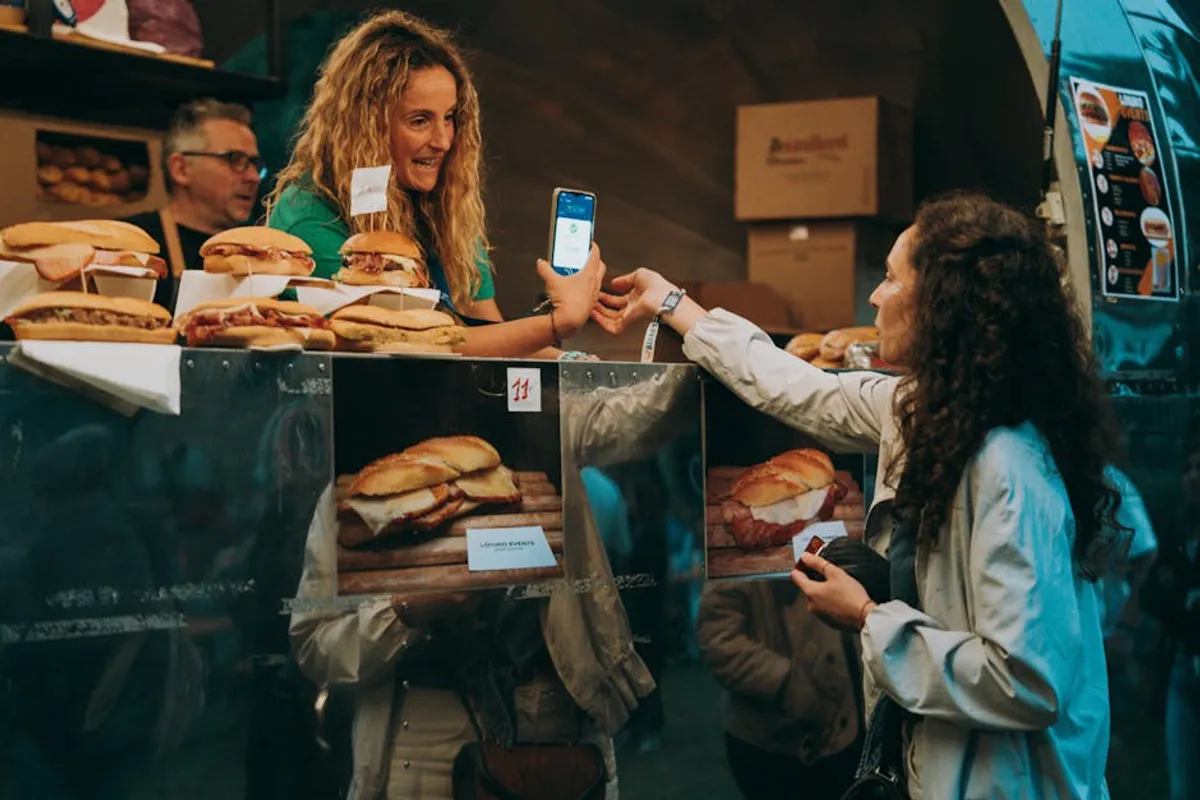
Visual Content Integration: High-quality, authentic photography is non-negotiable. Images of finished dishes, key ingredients, and culinary processes enhance engagement. For restaurant recommendations, include interior and exterior shots, alongside images of signature plates. Ensure images are optimized for web performance with appropriate compression and alt text.
Recipe Formatting with Schema: For any recipe-centric content, implement Schema.org/Recipe markup. This allows search engines to display rich snippets, including ratings, cooking times, and ingredient lists, directly in search results, significantly increasing click-through rates. Similarly, for restaurant listings, use Schema.org/Restaurant.
Strategic Keyword Targeting
Thorough keyword research underpins the guide's discoverability. Beyond broad terms like "Spanish food," focus on long-tail, intent-driven queries.
Long-Tail and Regional Keywords: Target specific dish names, regional variations, ingredient-focused queries, and dietary adaptations (e.g., "vegan paella recipe Valencia," "best pintxos San Sebastian," "gluten-free churros Madrid"). These terms often have lower competition and higher conversion potential. Analyze search intent for each keyword: is the user looking for a recipe, a restaurant, historical information, or a travel guide?
Semantic Search Optimization: Incorporate related entities and concepts. If discussing "paella," ensure the content also mentions "saffron," "arroz bomba," "socarrat," and specific regional types like "Paella Valenciana" to signal comprehensive coverage to search engines.
Pro Tip: Avoid oversimplifying "Spanish food" into a few well-known dishes. The true commercial and SEO value lies in exploring the vast regional diversity. Each region, from Catalonia to Extremadura, offers unique culinary traditions and ingredients that represent distinct long-tail keyword opportunities and cater to niche interests. Generalizing diminishes authority and misses significant search traffic.
Monetization and Commercial Utility
A well-executed Spanish food guide can generate significant commercial value through various channels, provided they align with user intent and maintain editorial integrity.
Affiliate Marketing: Integrate affiliate links strategically. This could include links to specialty food purveyors for unique Spanish ingredients (e.g., specific olive oils, cured meats, cheeses), kitchenware (e.g., paella pans, cazuelas), or even travel booking sites for culinary tours and accommodations in specific regions. Ensure disclosure of affiliate relationships.
Digital Product Sales: Develop and sell complementary digital products such as downloadable recipe e-books, printable ingredient shopping lists, or curated culinary travel itineraries. These offer direct revenue and position the guide as a premium resource.
Advertising and Sponsorships: Implement display advertising thoughtfully, ensuring it doesn't detract from the user experience. Consider direct sponsorships from brands that align with the guide's content, such as Spanish wine producers, food importers, or tourism boards. Sponsored content should be clearly labeled.
Maintaining and Evolving Your Guide
A Spanish food guide is a living document that requires ongoing maintenance and adaptation to remain relevant and authoritative. Regular updates and expansion are critical for sustained performance.
Regular Content Audits: Periodically review existing content for accuracy, freshness, and completeness. Recipes may need minor adjustments, restaurant recommendations can become outdated, and new culinary trends or regional discoveries emerge. Update internal links and external references as necessary.
User Feedback Integration: Monitor comments, social media engagement, and direct feedback for insights into what users find most valuable or what information might be missing. This direct input can inform new content creation and guide revisions.
Semantic Expansion: Continuously identify new keyword opportunities and related topics. For example, if a section on "Spanish wines" is performing well, consider expanding into "wine pairings with Spanish tapas" or "regional Spanish wine tours." This organic growth builds topical authority over time.
Frequently Asked Questions
How often should a Spanish food guide be updated?
Key sections, especially restaurant recommendations and ingredient sourcing, should be reviewed quarterly. Recipes and cultural context may require less frequent updates, perhaps annually, unless new information emerges.
What role do visuals play in a food guide?
High-quality, authentic visuals are crucial. They enhance engagement, illustrate complex dishes, and improve overall user experience. Visuals are often the primary conversion point for recipe content and travel inspiration.
Is it better to focus on one region or cover all of Spain?
Begin with a strong foundation in a few key regions to establish authority, then expand incrementally. Attempting to cover all of Spain superficially can dilute the guide's impact and make it less authoritative than a deeply specialized resource.
How can I ensure my recipes are accurate and authentic?
Cross-reference multiple reputable Spanish culinary sources, consult with native Spanish cooks or chefs, and rigorously test recipes in your own kitchen. Documenting the testing process adds transparency and credibility.