
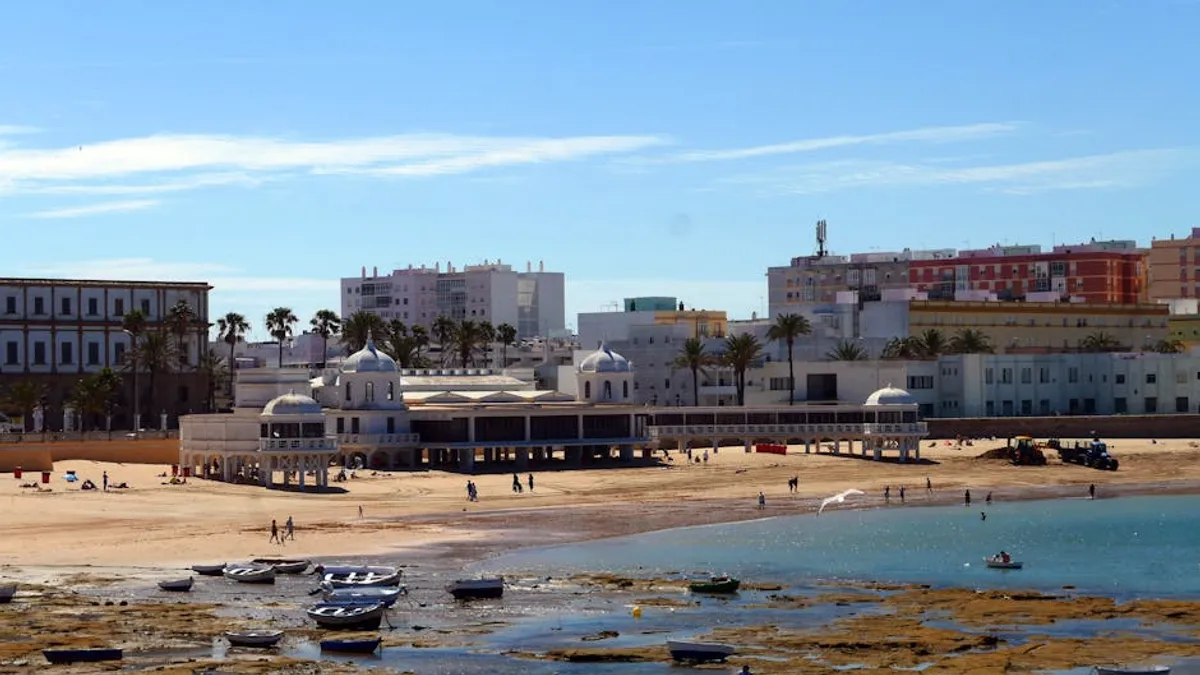
Spain's coastline stretches over 5,000 kilometers, encompassing the Mediterranean Sea, the Atlantic Ocean, and the distinct island ecosystems of the Balearics and Canaries. This geographical diversity translates directly into a vast array of beach experiences, from wild, windswept Atlantic shores ideal for surfing to tranquil, turquoise Mediterranean coves perfect for snorkeling. For travelers planning a coastal trip, the sheer volume of options can be overwhelming. The critical factor in selecting the right beach is alignment with your specific travel objectives: whether you prioritize natural seclusion, family-friendly amenities, vibrant nightlife, or water sports, the ideal Spanish beach is not a universal concept but a highly personalized choice. Understanding the distinct characteristics of each region and individual beach allows for a more targeted and satisfying travel outcome.
How to Choose Your Ideal Spanish Beach
Selecting the best beach in Spain requires a clear understanding of your priorities, as the country offers significant variation in coastal environments and amenities. Consider these factors before making your decision:
- Desired Atmosphere: Determine if you prefer a bustling, amenity-rich urban beach with nearby restaurants and nightlife, or a secluded, natural cove requiring more effort to reach but offering tranquility. Some beaches are known for their lively family atmosphere, while others cater to a more adult, relaxed, or even adventurous crowd.
- Activities: Identify primary activities. For surfing, look for Atlantic-facing beaches with consistent swells, particularly in the north or Canary Islands. For swimming and snorkeling, calm, clear Mediterranean or Balearic coves are often superior. If hiking or exploring natural reserves is a goal, seek beaches integrated into protected areas.
- Accessibility and Facilities: Evaluate ease of access. Some pristine beaches require a significant walk or boat trip, while others offer direct parking and paved pathways. Check for available facilities such as lifeguards, restrooms, showers, sunbed rentals, and nearby dining options. Remote beaches typically have minimal to no services.
- Travel Season and Crowds: Spain's beaches experience peak tourism from June to August. During these months, popular spots can become extremely crowded. If tranquility is paramount, consider visiting during shoulder seasons (May, September, early October) or choosing less-known locations. The Canary Islands offer year-round beach weather due to their southerly latitude.
- Natural Environment: Assess the type of sand (fine white, golden, volcanic black), water clarity, and surrounding landscape (cliffs, dunes, pine forests). Some prefer the dramatic backdrop of rugged coastlines, while others seek expansive, flat sandy stretches.
1. Playa de Ses Illetes
Located on the northern tip of Formentera, one of the Balearic Islands, Playa de Ses Illetes is consistently ranked among the world's top beaches. Its allure stems from its extraordinary Caribbean-like appearance: exceptionally fine, white sand and transparent, shallow turquoise waters. The beach is part of the Ses Salines Natural Park, ensuring a protected, pristine environment with minimal development. Its unique geography, a narrow strip of land, allows for calm waters on one side and slightly choppier conditions on the other, depending on the wind.
Best For: Those seeking an idyllic, visually stunning beach experience akin to a tropical paradise, ideal for swimming, sunbathing, and gentle water activities like paddleboarding. Popular with couples and those looking for a luxurious, tranquil escape.
Pros: Unrivaled water clarity and color; soft, powdery white sand; protected natural park status limits development; excellent for long, shallow wading; designated nudist-friendly sections; several high-end beach restaurants nearby.
Cons: Can become extremely crowded, especially during peak summer months; access requires a fee (for vehicles) to enter the natural park; limited shade; higher prices for food and services due to its exclusivity and location; ferry required to reach Formentera from Ibiza.
Verdict: Ses Illetes delivers a visually spectacular beach experience that justifies its reputation, particularly for those prioritizing pristine natural beauty and calm, clear waters. Expect crowds and plan for the logistical steps to reach it, but the reward is a truly unforgettable coastal setting.
2. Playa de Bolonia
Situated near Tarifa in Andalusia, Playa de Bolonia offers a raw, expansive, and largely undeveloped coastal experience on the Atlantic. This vast stretch of golden sand is backed by the impressive Duna de Bolonia, a natural monument, and the preserved Roman ruins of Baelo Claudia. The combination of wild natural beauty, historical significance, and consistent winds makes it distinct. The water is typically cooler and more dynamic than Mediterranean beaches, reflecting its Atlantic exposure.
Best For: Nature enthusiasts, history buffs, wind sports enthusiasts (especially at the eastern end), and those seeking a less commercialized, more authentic Spanish beach experience. Ideal for long walks and experiencing the power of the Atlantic.
Pros: Expansive, uncrowded beach even in summer; stunning natural backdrop with the dune and pine forests; historical Roman ruins accessible directly from the beach; consistent winds suitable for kitesurfing and windsurfing; natural mud baths from the dune clay at one end; free and ample parking.
Cons: Atlantic waters can be cooler and have stronger currents than the Mediterranean; limited amenities directly on the beach (a few chiringuitos); can be very windy, leading to sand blowing; somewhat remote, requiring a drive from larger towns.
Verdict: Bolonia stands out for its wild, untamed beauty and historical context. It’s a compelling choice for those prioritizing natural landscapes and a sense of discovery over typical resort amenities, offering a powerful connection to both nature and ancient history.
3. Cala Macarella & Macarelleta
These two iconic coves, located on Menorca's southwestern coast, epitomize the Balearic island's pristine beauty. Cala Macarella is the larger, more accessible cove, while Macarelleta, a short walk away, is smaller and often frequented by nudists. Both feature dazzling turquoise waters, fine white sand, and are framed by dramatic pine-clad cliffs. The water is exceptionally calm and clear, making them ideal for swimming and snorkeling. They are part of a protected natural area, limiting development and preserving their natural charm.
Best For: Swimmers, snorkelers, nature photographers, and those seeking picture-postcard Mediterranean coves. Suitable for couples and families willing to walk to reach the smaller, more secluded areas.
Pros: Stunningly clear, calm, and vibrant turquoise waters; soft white sand; beautiful natural surroundings with pine forests and cliffs; excellent for snorkeling; Macarelleta offers a more secluded, often nudist-friendly option; limited development preserves natural feel.
Cons: Extremely popular and can become very crowded in peak season; parking fills up early, requiring a bus ride or a long walk from alternative parking; limited facilities directly on Macarelleta; access paths can be uneven.
Verdict: Macarella and Macarelleta are quintessential Menorcan coves, offering breathtaking natural beauty and superb swimming conditions. While popular, their visual appeal and pristine environment make the effort to visit worthwhile for those seeking the classic Balearic cove experience.
4. Playa de las Catedrales
Located in Ribadeo, Galicia, Playa de las Catedrales (Beach of the Cathedrals) is a natural monument renowned for its spectacular rock formations. Arches, caves, and sea stacks, sculpted by millennia of ocean erosion, resemble gothic cathedral buttresses and vaults. The beach is only fully accessible and safe to explore at low tide, when visitors can walk beneath the arches and through the caves. At high tide, the formations become isolated islands, and the beach largely disappears.
Best For: Unique geological exploration, photography, and experiencing a dramatic, tide-dependent natural wonder. Suitable for those interested in natural landscapes and coastal geology, requiring planning around tide times.
Pros: Absolutely unique and awe-inspiring geological formations; dramatic coastal scenery; designated natural monument status ensures protection; boardwalks and viewing platforms for high-tide observation; free access (though reservations are required during peak season).
Cons: Access to the beach itself is strictly dependent on low tide, requiring careful planning; can be very crowded, especially during low tide in summer; water is cold for swimming; limited facilities directly on the beach; requires a reservation for entry during certain periods to manage visitor numbers.
Verdict: Playa de las Catedrales offers a truly distinctive and memorable experience unlike any other beach in Spain. Its appeal lies in its geological marvels, making it a must-visit for those who appreciate natural wonders and are prepared to plan their visit around the tides.
5. Playa de la Concha
Nestled in the heart of San Sebastián, Basque Country, Playa de la Concha is often cited as one of Europe's finest urban beaches. Its iconic shell-shaped bay (concha means shell) is protected by Monte Igueldo and Monte Urgull, creating exceptionally calm, shallow waters ideal for swimming. The elegant promenade, historic buildings, and central location integrate the beach seamlessly into the city's sophisticated atmosphere. It's a beach defined by its urban elegance and accessibility.
Best For: Urban beach lovers, families with young children, those seeking a sophisticated city-break combined with beach relaxation, and individuals who appreciate a beach with extensive amenities and easy access to cultural attractions and gastronomy.
Pros: Exceptionally calm and safe waters for swimming; central location with immediate access to San Sebastián's city center, restaurants, and shops; elegant promenade for strolling; stunning views of the bay and surrounding mountains; excellent public transport links; full range of urban amenities.
Cons: Can become extremely crowded, especially in summer; sand is not as fine as some other Spanish beaches; limited space for sunbathing during peak times; parking can be difficult and expensive in the city center; water can be cooler than Mediterranean alternatives.
Verdict: Playa de la Concha is an exemplary urban beach, offering a blend of natural beauty, safety, and sophisticated city living. It's a top choice for those who want a high-quality beach experience without sacrificing the conveniences and cultural offerings of a vibrant city.
6. Playa del Silencio
Located near Cudillero in Asturias, Playa del Silencio (Beach of Silence) lives up to its name, offering a serene and dramatic coastal landscape on the rugged Cantabrian coast. This horseshoe-shaped cove is framed by towering, jagged cliffs and features a mix of pebbles and fine sand. The Atlantic waters here are typically cool and clear. Its relative isolation and lack of development contribute to its tranquil atmosphere and unspoiled beauty, making it a striking contrast to more commercialized beaches.
Best For: Travelers seeking dramatic natural beauty, solitude, and a quiet escape. Ideal for photographers, nature lovers, and those who appreciate wild, unspoiled coastlines and are prepared for a short hike.
Pros: Stunning, rugged natural scenery with impressive cliffs; exceptionally peaceful and quiet atmosphere; clear, clean water; excellent for photography; relatively uncrowded even in summer due to access; free parking available a short walk away.
Cons: Access involves a steep descent via stairs, making it less suitable for those with mobility issues; water is cold for swimming, even in summer; predominantly pebbly, not soft sand; very limited facilities (no services directly on the beach); can be windy.
Verdict: Playa del Silencio is a powerful testament to Asturias' wild coastline. It's an excellent choice for those prioritizing dramatic landscapes and tranquility over typical beach amenities, offering a profound sense of natural immersion.
7. Playa de Muro
Playa de Muro, situated on Mallorca's northeastern coast, is one of the longest sandy beaches in the Balearic Islands, stretching for several kilometers. It's characterized by its fine, golden sand, incredibly shallow and calm turquoise waters, and extensive infrastructure catering to families. The beach is divided into several sectors, with some areas offering more amenities and others retaining a more natural, dune-backed feel within the S'Albufera Natural Park. Its consistent, gentle conditions make it a prime family destination.
Best For: Families with young children, individuals seeking safe and shallow swimming conditions, and those who appreciate a long, sandy beach with comprehensive amenities and water sports options. Also suitable for long walks along the shore.
Pros: Extremely shallow and calm waters, very safe for children; fine, soft golden sand; long stretch allows for finding less crowded spots; extensive amenities including sunbeds, umbrellas, lifeguards, and water sports; backed by a natural park in some sections, offering a wilder feel; good accessibility.
Cons: Can feel very developed and touristy in certain sections; less secluded than smaller coves; can experience seaweed accumulation at times, though generally well-maintained; parking can be challenging in peak season near main access points.
Verdict: Playa de Muro excels as a family-friendly beach, offering safety, comfort, and extensive services. Its vastness and shallow waters make it a practical and enjoyable choice for those prioritizing ease and convenience for all ages.
8. Caló des Moro
Caló des Moro, a small, breathtaking cove on Mallorca's southeastern coast, has gained significant popularity for its incredibly vibrant turquoise waters and dramatic cliff surroundings. This tiny beach is almost entirely enclosed by steep, pine-covered cliffs, creating a natural, sheltered pool effect. The sand is fine and white, though the beach itself is very small and often disappears at high tide. Its beauty is undeniable, but its size and popularity lead to significant crowding.
Best For: Experienced swimmers and snorkelers seeking visually stunning, postcard-perfect waters. Ideal for those prioritizing natural beauty and willing to navigate challenging access and crowds for a unique swimming experience.
Pros: Unrivaled water color and clarity, perfect for swimming and snorkeling; dramatic and picturesque natural setting; sheltered from winds, ensuring calm waters; offers a truly unique visual experience.
Cons: Extremely small beach, often completely submerged at high tide; becomes severely overcrowded, especially in summer; difficult access involving a steep, unpaved descent and a walk from parking; limited parking often fills up early; no facilities directly on the beach; not suitable for young children or those with mobility issues.
Verdict: Caló des Moro is a natural gem whose beauty is matched only by its challenges. It's a high-reward, high-effort beach, best suited for those who prioritize exceptional water quality and dramatic scenery and are prepared to contend with crowds and difficult access.
9. El Cotillo
Located on the northwest coast of Fuerteventura in the Canary Islands, El Cotillo offers a diverse range of coastal experiences. To the north, a series of tranquil, shallow lagoons (Los Charcos) with white sand provide sheltered swimming conditions. To the south, vast, wild stretches of golden sand and powerful Atlantic waves attract surfers and those seeking a more rugged, windswept environment. The town itself retains a laid-back, fishing village charm, contrasting with the more developed resorts elsewhere on the island.
Best For: Surfers and water sports enthusiasts (southern beaches), families with young children (northern lagoons), and travelers seeking a relaxed, authentic Canarian village atmosphere with diverse beach options. Ideal for those who appreciate both calm waters and powerful waves within close proximity.
Pros: Offers both calm, shallow lagoons and wild surf beaches; consistent waves for surfing lessons and experienced surfers; charming, laid-back fishing village atmosphere; beautiful sunsets; relatively uncrowded compared to major resorts; good selection of local restaurants.
Cons: Southern beaches can be very windy and have strong currents; northern lagoons, while calm, can be rocky in parts; limited shade; access to some southern beaches requires driving on unpaved roads; water can be cooler than other Canary Island locations.
Verdict: El Cotillo provides a versatile beach destination that caters to varied preferences, from tranquil family swimming to serious surfing. Its authentic village feel and dual beach personality make it a compelling choice for those seeking a more local and active Canarian experience.
10. Burriana Beach, Nerja
Burriana Beach in Nerja, Málaga, is a well-regarded urban beach on the Costa del Sol, known for its golden sand, clear waters, and comprehensive amenities. It's a lively beach backed by a promenade lined with restaurants, shops, and chiringuitos (beach bars), including the famous "Ayo" paella restaurant. The beach offers a wide array of water sports and activities, making it a popular choice for families and active travelers. Its proximity to Nerja's charming town center and the Balcón de Europa adds to its appeal.
Best For: Families, active travelers, and those seeking a lively beach with extensive amenities and easy access to a charming town. Ideal for a full day of beach activities, dining, and relaxation without needing to leave the immediate area.
Pros: Wide, golden sandy beach; clear, calm waters suitable for swimming; extensive range of amenities including sunbed rentals, showers, lifeguards, and water sports; numerous restaurants and shops directly on the promenade; easy access to Nerja town center; good for paddleboarding and kayaking.
Cons: Can become very crowded, especially in peak summer months; parking can be challenging and expensive; less natural or secluded than other options; noise from the promenade and activities can be constant; can feel very tourist-oriented.
Verdict: Burriana Beach is a highly functional and enjoyable urban beach, delivering on convenience, amenities, and a lively atmosphere. It's a strong contender for those prioritizing a full-service beach experience with easy access to dining and town attractions.
11. Playa de Es Trenc
Playa de Es Trenc, located on Mallorca's south coast, is one of the island's last large, undeveloped natural beaches. Stretching for several kilometers, it boasts fine white sand, exceptionally clear turquoise waters, and a backdrop of protected dunes and pine forests. Its lack of hotels and significant development gives it a wild, unspoiled character. The beach is known for its calm waters and is popular with naturists in designated sections, offering a sense of freedom and natural immersion.
Best For: Naturists, those seeking a natural, undeveloped beach experience, and individuals who appreciate long stretches of fine sand and clear, calm waters. Ideal for long walks, quiet sunbathing, and experiencing Mallorca's natural coastline.
Pros: Longest undeveloped beach in Mallorca; fine, white sand and crystal-clear turquoise waters; protected natural area with dunes and pine trees; designated nudist sections; calm, shallow waters suitable for swimming; relatively peaceful outside of peak central areas.
Cons: Limited facilities, with only a few chiringuitos; parking can be expensive and requires a walk to the beach; can get crowded near the main access points; occasional presence of seaweed, though generally well-maintained; no public transport directly to the beach.
Verdict: Es Trenc offers a valuable escape from Mallorca's more developed resorts, providing a natural, spacious, and serene beach experience. Its appeal lies in its unspoiled character, making it a prime choice for those valuing nature and tranquility, including naturists.
12. Playa de Rodas, Cíes Islands
Playa de Rodas, located on the Cíes Islands off the coast of Galicia, has famously been dubbed "the best beach in the world" by some publications. This crescent-shaped beach connects two of the Cíes Islands and is characterized by its incredibly fine, white sand and pristine, emerald-green Atlantic waters. As part of a protected national park, visitor numbers are strictly limited, preserving its untouched beauty. The water is cold, but the natural setting is unparalleled.
Best For: Nature lovers, hikers, and those seeking an exclusive, pristine island escape. Ideal for experiencing a truly unspoiled natural environment, long walks, and enjoying a protected marine ecosystem, despite the cold water.
Pros: Exceptionally fine, white sand and clear, clean water; part of a protected national park with limited visitor numbers, ensuring tranquility; stunning natural beauty with lush pine forests and hiking trails; excellent for birdwatching and marine life observation; a true escape from mass tourism.
Cons: Water is very cold, even in summer, limiting swimming time for many; access requires a ferry booking and a national park permit, which can sell out quickly; no cars allowed on the islands; limited facilities (a few restaurants and a campsite); strict environmental regulations must be followed.
Verdict: Playa de Rodas offers an extraordinary, almost otherworldly natural beach experience. Its highly protected status and limited access create an exclusive sense of pristine wilderness, making it a top choice for those prioritizing unspoiled nature and unique landscapes, despite the cold water.
Selecting Your Perfect Spanish Beach Experience
Choosing the right Spanish beach ultimately depends on aligning the destination's characteristics with your personal travel goals. If your priority is a lively atmosphere with abundant amenities and easy access, an urban beach like Burriana or La Concha offers convenience and a full range of services. For those seeking pristine natural beauty and a tranquil escape, the remote charm of Playa de Ses Illetes or the dramatic cliffs of Playa del Silencio provide unparalleled scenery, albeit with fewer facilities and potentially more challenging access. Families often benefit from the shallow, calm waters and extensive infrastructure of Playa de Muro, while adventurers and nature enthusiasts might gravitate towards the wilder shores of Bolonia or the unique geological formations of Playa de las Catedrales.
Consider the season of your visit: peak summer months will see popular beaches at their most crowded, potentially diminishing the experience for those seeking solitude. Shoulder seasons (spring and autumn) often offer a balance of good weather and fewer tourists. For year-round warmth, the Canary Islands like El Cotillo provide reliable sunshine. Evaluate the trade-offs between accessibility and seclusion; often, the most untouched beaches require a greater effort to reach. By clearly defining your ideal beach atmosphere, desired activities, and tolerance for crowds and amenities, you can effectively narrow down Spain's vast coastal offerings to find a truly rewarding destination.
Frequently Asked Questions About Spanish Beaches
Q: What is the best time of year to visit Spanish beaches?
A: The peak season for most Spanish beaches is July and August, offering the warmest weather and water temperatures, but also the largest crowds. For a balance of good weather and