
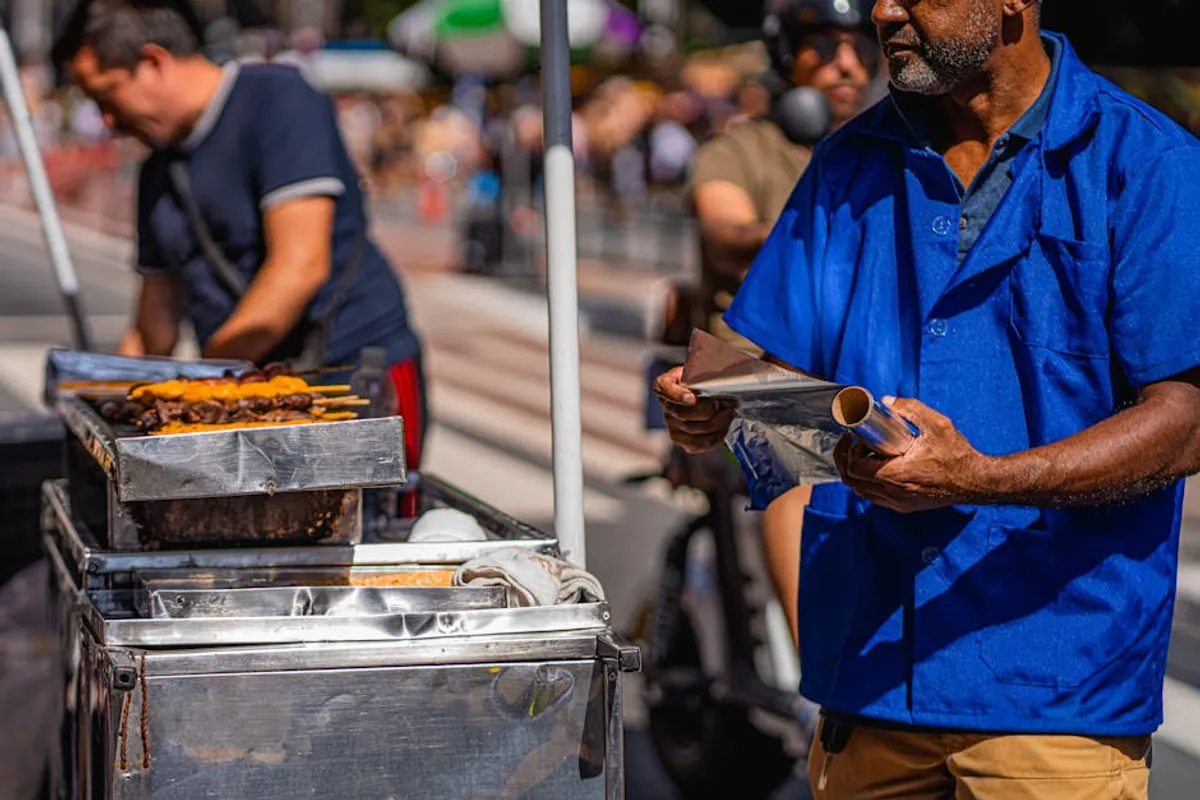
Brazilian cuisine offers a multifaceted culinary landscape, deeply interwoven with the nation's history, diverse geography, and cultural influences from Indigenous peoples, European colonizers, and African slaves. For travelers and food enthusiasts, understanding this complexity is key to unlocking authentic experiences. The sheer variety, from the hearty stews of the interior to the vibrant seafood of the coast, means that a focused approach to exploration yields the most rewarding gastronomic insights. This article details popular dishes, distinct flavor profiles, regional variations, and practical advice for navigating Brazil's rich food culture.
Iconic Brazilian Dishes and Their Cultural Significance
The foundation of Brazilian food lies in its staple ingredients and the communal rituals surrounding meals. Certain dishes have transcended regional boundaries to become national symbols, embodying the country's culinary soul.
Feijoada: The National Dish
Feijoada is a slow-cooked stew of black beans with various cuts of beef and pork, including salted beef, pork ribs, and sausage. Traditionally served on Wednesdays and Saturdays, it represents a significant social event, often accompanied by rice, farofa (toasted cassava flour), collard greens, and orange slices. Its origins trace back to the kitchens of enslaved Africans, who adapted available ingredients to create a nourishing and flavorful meal. The dish's robust nature and communal serving style reflect Brazilian hospitality and resourcefulness.
Pão de Queijo: A Ubiquitous Snack
These small, baked cheese rolls are made from tapioca flour, making them naturally gluten-free. Crisp on the outside and chewy on the inside, pão de queijo is a staple breakfast item and snack, particularly popular in Minas Gerais, its state of origin. The distinct texture and savory flavor come from the combination of regional cheeses and the unique properties of tapioca starch, which lends itself to a light, airy interior.
Moqueca: Coastal Flavors
Moqueca is a seafood stew, primarily found in two distinct forms: Moqueca Capixaba (from Espírito Santo) and Moqueca Baiana (from Bahia). Capixaba versions are typically lighter, using olive oil, tomatoes, onions, garlic, and cilantro, often cooked in a traditional clay pot. Baiana moqueca incorporates palm oil (dendê oil) and coconut milk, giving it a richer, more vibrant orange hue and a distinct, slightly nutty flavor. Both variations feature white fish, shrimp, or other seafood, slow-simmered to tender perfection.
Churrasco: The Art of Brazilian Barbecue
Churrasco refers to the Brazilian style of barbecue, particularly prominent in the southern states. Large cuts of meat, often beef, are skewered and slow-roasted over an open flame or coals. The emphasis is on quality cuts, minimal seasoning (typically just coarse salt), and expert grilling techniques that produce a tender, smoky result. Rodízio-style churrascarias, where waiters continuously bring various meats to the table, are a popular dining experience, showcasing the abundance and skill involved in this culinary tradition.
Acarajé: Northeastern Street Food
Originating from the Afro-Brazilian culinary traditions of Bahia, Acarajé is a deep-fried patty made from mashed black-eyed peas, onions, and salt. It is typically split open and filled with vatapá (a creamy paste of bread, shrimp, coconut milk, and palm oil), caruru (okra stew), dried shrimp, and a spicy chili sauce. Acarajé is a vibrant street food, reflecting the strong African influence in Northeastern Brazilian culture and cuisine, served hot and fresh by baianas (women dressed in traditional white attire).
Distinct Flavors and Essential Ingredients
Brazilian cuisine is characterized by a bold interplay of sweet, savory, and sometimes spicy notes, often balanced by the freshness of tropical produce.
- Tropical Fruits: Brazil's vast biodiversity contributes an unparalleled array of fruits. Açai, often served as a frozen bowl with granola and fruit, provides energy. Cupuaçu, with its unique tangy-chocolatey flavor, is used in desserts and juices. Passion fruit, cashew fruit, and guava are also widely incorporated into desserts, sauces, and beverages, offering a refreshing counterpoint to richer dishes.
- Root Vegetables: Manioc, also known as cassava or yuca, is a fundamental staple. It is processed into farinha (flour) for farofa, tapioca for pancakes and pão de queijo, and also consumed boiled or fried. Sweet potatoes and yams also feature prominently, providing starchy bases for many meals.
- Spices and Oils: While not as spice-heavy as some Asian cuisines, Brazilian cooking utilizes fresh herbs like cilantro and parsley, garlic, and onions liberally. Dendê oil, extracted from the African palm, is crucial in Bahian cuisine, imparting a distinctive color and flavor. Cumin is also common, especially in meat preparations.
- Sweet and Savory Balance: Many Brazilian dishes expertly combine sweet and savory elements. For instance, the use of fruits in savory sauces or the common pairing of rich meats with sweet tropical juices. This balance prevents dishes from becoming monotonous and adds layers of complexity.
Pro Tip for Culinary Travelers: When exploring Brazilian markets, engage with vendors. They often provide samples and valuable insights into local ingredients and preparation methods. This direct interaction can deepen your appreciation for the culinary traditions and help identify the freshest seasonal produce.
Regional Culinary Variations
Brazil's continental scale means its food varies significantly by region, shaped by climate, historical settlement patterns, and indigenous resources.
Northeast: Afro-Brazilian and Coastal Influences
The Northeast, particularly Bahia, is renowned for its Afro-Brazilian cuisine. Dishes are often rich, spicy, and utilize palm oil, coconut milk, and seafood. Beyond Acarajé, other specialties include Vatapá, Caruru, and Moqueca Baiana. The region's strong connection to the Atlantic coast means fresh fish and shellfish are central to the diet.
Southeast: Minas Gerais, Rio de Janeiro, São Paulo
Minas Gerais is celebrated for its "mineira" cuisine, characterized by hearty, rustic dishes often made with pork, chicken, and fresh cheeses. Pão de Queijo originates here, as do dishes like Feijão Tropeiro (beans with cassava flour, bacon, and sausage) and Frango com Quiabo (chicken with okra). Rio de Janeiro and São Paulo, as major urban centers, offer a broader range of international cuisines alongside traditional Brazilian fare, with Feijoada being a popular weekend meal.
South: Gaucho Traditions and European Roots
The South, particularly Rio Grande do Sul, is the heartland of Churrasco. This region's culinary identity is heavily influenced by its gaucho (cowboy) culture and European immigration, especially from Germany and Italy. Besides barbecue, dishes often feature polenta, pasta, and German-style sausages, reflecting a distinct European agricultural heritage.
Amazon: Indigenous Flavors and Riverine Resources
The Amazon region boasts a unique cuisine centered around river fish (such as pirarucu and tambaqui), exotic fruits, and indigenous ingredients like tucupi (a yellow sauce extracted from wild manioc) and jambu (a leafy green that causes a tingling sensation). Dishes like Tacacá (a soup made with tucupi, jambu, and dried shrimp) and Pato no Tucupi (duck in tucupi sauce) offer flavors unlike any other part of Brazil, reflecting the deep connection to the rainforest's bounty.
Practical Considerations for Culinary Exploration
To maximize a food-focused trip to Brazil, strategic planning and an open mind are essential. Prioritize local establishments and street vendors with high foot traffic, indicating freshness and popularity. For street food, observe hygiene practices; opt for vendors who cook items fresh to order. Consider food tours in larger cities, as they provide curated experiences and local insights into hidden culinary gems.
When dining at churrascarias, understand the rodízio system: typically, a green card indicates you want more meat, while a red card signals a pause. Pace yourself to sample the wide variety of cuts. For dietary restrictions, learning a few Portuguese phrases like "Eu sou vegetariano/vegan" (I am vegetarian/vegan) or "Eu tenho alergia a..." (I am allergic to...) can be immensely helpful, though awareness of specific allergies might vary outside major urban centers.
Exploring local markets, such as Mercado Municipal in São Paulo or Mercado Ver-o-Peso in Belém, offers an immersive experience. Here, you can sample fresh fruits, local cheeses, and regional snacks, directly supporting local producers and gaining a deeper appreciation for the raw ingredients that form the backbone of Brazilian cuisine.
Frequently Asked Questions About Brazilian Food
What is the most common staple food in Brazil?
Rice and beans (arroz e feijão) form the most common staple combination across Brazil, often served daily with protein and vegetables. Manioc (cassava) in various forms, such as farofa or tapioca, is also a fundamental part of the diet.
Is Brazilian food generally spicy?
Generally, Brazilian food is not as spicy as Mexican or Thai cuisine. While some dishes, particularly in the Northeast (like Acarajé), can be spicy due to chili sauces, most traditional dishes rely on flavor from fresh ingredients, herbs, garlic, and onions rather than intense heat. Chili sauces are often served on the side, allowing diners to adjust the spice level.
What are popular Brazilian desserts?
Brigadeiro (a chocolate fudge ball), Beijinho de Coco (coconut truffle), Pudim de Leite Condensado (condensed milk flan), and Bolo de Rolo (a thin cake roll with guava paste) are among the most popular Brazilian desserts, often featuring condensed milk, coconut, and tropical fruits.
Can I find vegetarian or vegan options in Brazil?
While traditional Brazilian cuisine is often meat-heavy, vegetarian and vegan options are increasingly available, especially in larger cities. Many restaurants offer salads, rice, beans, and vegetable side dishes. Dishes like Pão de Queijo are vegetarian, and some places offer vegan versions. Street food like tapioca crepes can often be customized with vegetable fillings. Asking for "sem carne" (without meat) or "sem produtos de origem animal" (without animal products) is advisable.