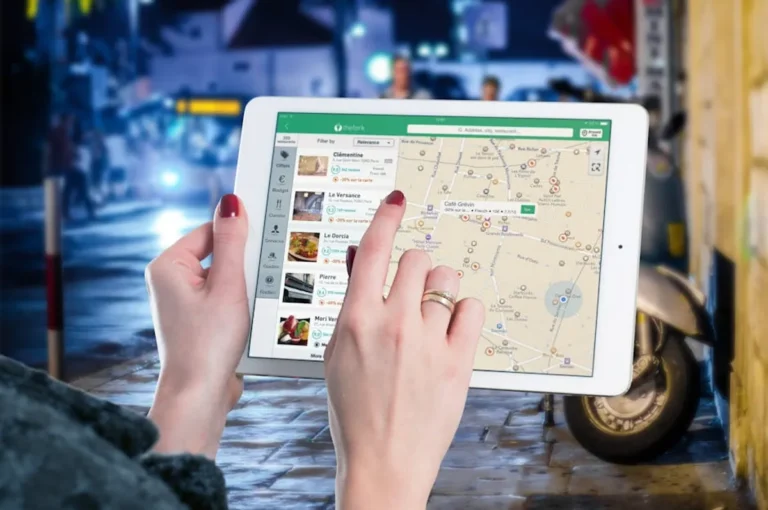
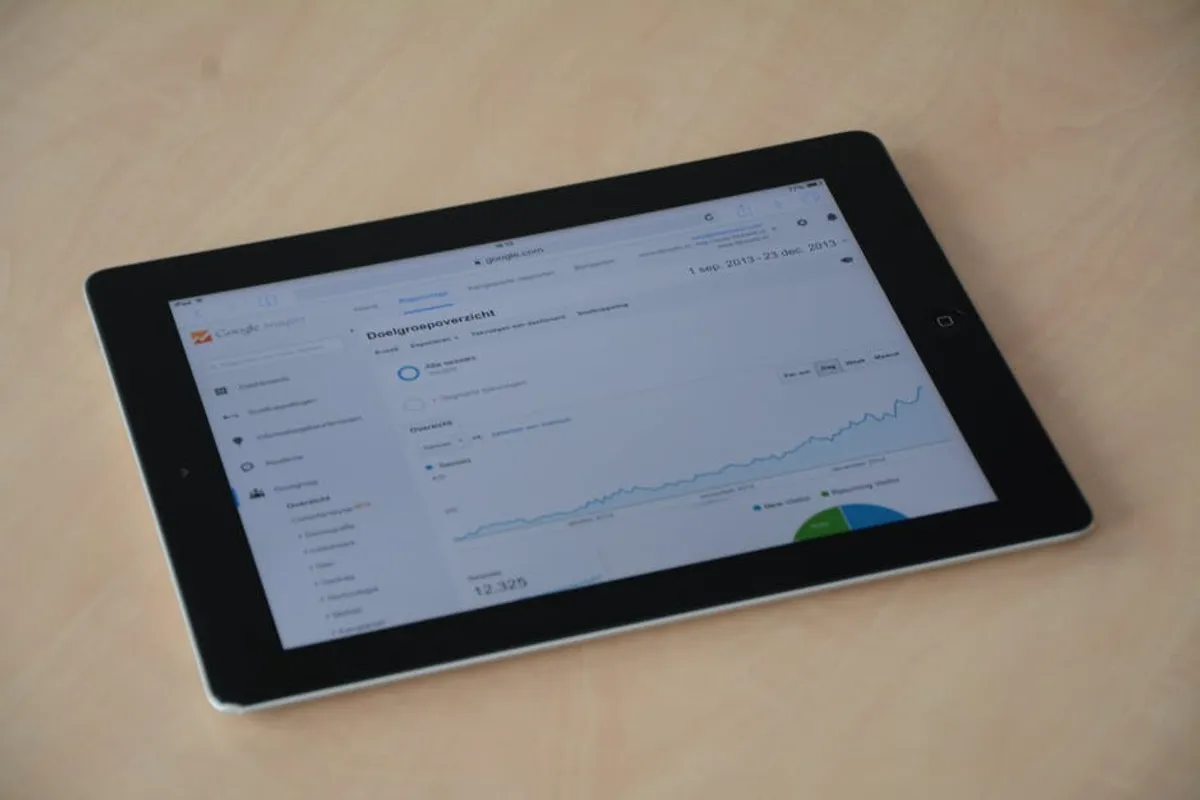
For any business operating within a defined service area, understanding how potential customers find them online is not just beneficial—it is critical. Geo rank tracking, or local SEO position monitoring, provides this granular insight. It moves beyond general national or global rankings to show precisely where a business stands in search results when a user queries from a specific city, neighborhood, or even a few blocks away. This capability is indispensable for local businesses, agencies managing local clients, and SEO professionals who need to measure the efficacy of hyper-local optimization strategies. This capability allows businesses to track keyword rankings by location and refine their SEO strategies accordingly.
The core utility of geo rank tracking lies in its ability to reveal performance disparities across different local markets. A business might rank exceptionally well for a target keyword in one part of a city but be invisible in another, equally important, district. Without geo rank tracking, these crucial performance gaps remain hidden, leading to misdirected SEO efforts and missed opportunities for customer acquisition. This guide details the practical application and strategic advantages of implementing a robust local SEO position monitoring framework.
Defining Geo Rank Tracking
Geo rank tracking is the process of monitoring a website's or Google Business Profile's search engine ranking positions (SERPs) for specific keywords, as those rankings appear to users searching from distinct geographic locations. Unlike traditional rank tracking, which typically provides an average or national ranking, geo rank tracking simulates searches from various points on a map. This allows businesses to see their local visibility from the perspective of their target customers. By using geo rank tracking, businesses can track rankings by city and understand their local search visibility.
The data generated by geo rank tracking reflects the personalized nature of local search results. Search engines like Google frequently adjust SERPs based on a user's physical location, search history, and device. For local businesses, this means their visibility can fluctuate significantly depending on where a search query originates. Geo rank tracking provides a clear, location-specific lens through which to view these fluctuations.
The Strategic Imperative for Local Businesses
Local businesses operate in a competitive landscape where proximity and relevance are paramount. Geo rank tracking offers several strategic advantages:
- Pinpoint Performance Measurement: It accurately measures the impact of local SEO campaigns, such as Google Business Profile optimization, local citation building, or geotagged content creation, by showing direct changes in local visibility.
- Competitive Intelligence: Businesses can monitor how local competitors rank for the same keywords in specific areas, revealing their strengths and weaknesses and identifying local market leaders.
- Market Opportunity Identification: By observing areas where rankings are low but customer density is high, businesses can identify underserved markets and tailor specific SEO or marketing efforts to improve visibility there.
- Adapting to Local Algorithm Shifts: Local search algorithms are constantly evolving. Geo rank tracking provides early warning of significant ranking changes within specific locales, allowing for rapid strategic adjustments.
- Resource Allocation: Data from geo rank tracking informs where to best allocate SEO resources, focusing efforts on locations or keywords that offer the highest potential return on investment.
Essential Features for Effective Geo Rank Tracking
To derive meaningful insights, a geo rank tracking setup should incorporate several key features:
Granular Location Specificity
The ability to track rankings down to specific zip codes, neighborhoods, street addresses, or even custom map coordinates is crucial. This level of detail ensures that businesses can assess their visibility in the exact areas their customers reside or search from.
Comprehensive Keyword Monitoring
Beyond general keywords, the system must support tracking of hyper-local keyword variations (e.g., "plumber downtown," "best coffee near [landmark]"). It should also track branded and unbranded terms, as well as keywords related to specific services or products offered locally.
Competitor Tracking and Analysis
Monitoring local competitors' rankings alongside your own provides critical context. This allows for direct comparison of local visibility and helps identify competitive gaps or opportunities within specific geographic segments. Tracking local pack performance for competitors is also vital.
Historical Data and Trend Analysis
Access to historical ranking data is indispensable for identifying long-term trends, understanding the impact of past SEO efforts, and predicting future performance. Visualizations like graphs showing ranking fluctuations over time for specific locations and keywords add significant value.
Pro Tip: Do not rely solely on "near me" searches from your own location to gauge local performance. Your search results are heavily personalized. Geo rank tracking simulates searches from external points, providing an unbiased view of actual customer experience.
Reporting and Alerting Capabilities
Customizable reports that can be segmented by location, keyword, or competitor are essential for communicating performance to stakeholders. Automated alerts for significant ranking drops or gains ensure that critical changes are noticed and addressed promptly.
Developing Your Geo Rank Tracking Strategy
Implementing geo rank tracking requires a methodical approach:
1. Define Your Target Geographies
Identify all relevant service areas, neighborhoods, and cities where your business aims to attract customers. Prioritize based on population density, existing customer base, and growth potential.
2. Curate Your Keyword List
Develop a comprehensive list of keywords, including broad terms, specific service/product keywords, and hyper-local modifiers. Consider how customers in different locations might phrase their searches.
3. Identify Key Local Competitors
Beyond obvious rivals, research who consistently appears in the local pack or top organic results for your target keywords in your defined geographies. These are your true local competitors.
4. Establish a Baseline and Tracking Frequency
Record initial rankings across all chosen locations and keywords. Determine how frequently you need to track (daily, weekly, monthly) based on the volatility of your market and the pace of your SEO activities.
5. Integrate with Other Local SEO Efforts
Use geo rank tracking data to inform and refine your Google Business Profile optimization, local citation building, review management strategies, and local content creation.
Actionable Steps for Local SEO Monitoring
Once your geo rank tracking is set up, the real work begins: interpreting the data and taking action.
Regularly review your geo-specific ranking reports. Look for:
- Significant Drops: Investigate immediately. This could indicate a Google Business Profile issue, a penalty, or a new strong competitor.
- Sudden Gains: Analyze what changed. Did you publish new local content? Get new reviews? This helps replicate success.
- "Near Miss" Keywords: Identify keywords where you rank just off the first page (e.g., positions 11-20) in key locations. These often represent the quickest wins with targeted optimization.
- Local Pack Performance: Monitor your presence in the local 3-pack for critical terms. This is often the most valuable real estate for local businesses.
- Competitor Movement: Understand why competitors are outranking you in specific areas. Are their Google Business Profiles more optimized? Do they have more reviews or local links?
Use these insights to refine your local SEO strategy continuously. Update your Google Business Profile with precise service areas, optimize website content for local intent, seek out local backlinks, and encourage customer reviews specifically mentioning your location and services.
Frequently Asked Questions
What is the difference between general and geo rank tracking?
General rank tracking typically provides an average or national ranking for keywords, often from a central data center. Geo rank tracking, however, simulates searches from specific, user-defined geographic points, showing how rankings appear to local searchers.
How often should I track my local rankings?
For most local businesses, weekly tracking provides a good balance between data freshness and resource efficiency. Highly competitive markets or active campaign periods might benefit from daily tracking, while less dynamic markets could suffice with bi-weekly or monthly checks.
Can geo rank tracking help with Google Business Profile optimization?
Absolutely. By showing how your business ranks in the local pack from various points, geo rank tracking directly reveals the effectiveness of your Google Business Profile optimization efforts. It helps identify areas where your profile might be underperforming and guides improvements.
Is geo rank tracking only for businesses with physical locations?
No. While critical for brick-and-mortar businesses, geo rank tracking is also highly valuable for service-area businesses (SABs) that serve customers within a defined geographic region but may not have a public storefront. It helps them monitor their visibility across their entire service footprint.