I arrived in Mexico City with a Spanish person's assumptions about Mexican culture. We share a language. We share substantial historical and cultural connections. The assumption was that I'd understand things faster than someone arriving from a non-Spanish-speaking culture would.
Some of that was true. Most of it required revision.
Here's what I got wrong about Mexican culture during my three months in CDMX, and what I got right.
What I got wrong about language
I assumed: my Spanish would be fully sufficient.
What I learned: my Spanish was sufficient for surface communication but missed substantial cultural depth.
Specific differences:
Mexican Spanish has substantial Nahuatl and other indigenous language influence that Iberian Spanish doesn't.
Specific idioms I didn't recognize required learning.
Tone and formality patterns differed from what I was used to.
Specific topics (Mexican history, popular culture references, current events) required catching up.
Pronunciation differences were substantial enough that I could be identified as Spanish within minutes.
The language assumption was right at the surface and wrong below it. Three months produced substantial improvement; full integration would require years.
What I got wrong about food culture
I assumed: I had a reasonable understanding of Mexican food from international exposure.
What I learned: international Mexican food is a small subset of actual Mexican food.
Specific surprises:
Regional variation is enormous. The food in CDMX differs substantially from the food in Oaxaca, Yucatán, the north, etc.
Specific common dishes I'd never heard of. Tlacoyos, sopes, pozole varieties, mole varieties beyond the dark chocolate one most known internationally.
Spice patterns are sophisticated. The "Mexican food is spicy" reduction obscures the specific complexity of various chiles, smoked variants, and fresh-vs-dried preparations.
Specific food rituals (tianguis, comidas corridas, posadas) have cultural significance that food alone doesn't communicate.
The international Mexican food I'd eaten before was mostly a specific regional subset, often modified for international palates.
Three months produced substantial education. I now understand Mexican food as substantially deeper than I'd realized.
What I got wrong about politeness patterns
I assumed: politeness patterns would be similar to Spanish ones.
What I learned: Mexican politeness patterns are specifically different.
Specific differences:
Mexicans are typically warmer with strangers than Spaniards. Service interactions, casual encounters, and ordinary social moments have warmer baseline tone.
Mexican formality is more elaborate in specific contexts. Older adults are addressed with substantial respect that's specific to Mexican patterns.
The "ahorita" phenomenon — the verbal commitment to immediate action that often doesn't mean immediate — required getting used to.
Saying "no" directly is less common. Indirect refusal patterns are more typical.
Specific politeness phrases ("¿mande?" instead of "¿cómo?", different forms of address) marked me as foreign whenever I missed them.
The patterns are real. They're also specific. Three months started to internalize them; I still made mistakes regularly.
What I got wrong about religion
I assumed: Mexican Catholicism would be similar to Spanish Catholicism.
What I learned: Mexican Catholicism is substantially different in specific ways.
Specific differences:
The integration with indigenous spiritual traditions is substantial. The Virgin of Guadalupe is not just a Catholic figure but a specifically Mexican synthesis.
The role of religion in daily life is more visible than in contemporary Spain. Specific practices, household altars, shrines integrated into public space.
The Day of the Dead tradition is its own specific cultural complex that integrates Catholic and indigenous elements.
Specific saints have meaning that other Catholic countries don't share. San Judas Tadeo specifically has substantial cultural presence.
The religious landscape is more varied than I assumed. Substantial Protestant and Evangelical communities exist alongside Catholic majority.
Religion in Mexico is a substantial cultural element that requires direct engagement to understand. Three months exposed me to it; understanding it would require more.
What I got wrong about social class
I assumed: social class patterns would be similar to Spanish ones.
What I learned: Mexican social class operates differently in specific ways.
Specific differences:
The wealth gap is more pronounced. The contrast between specific neighborhoods is more dramatic than in Madrid.
Specific markers of class are different. Speech patterns, body language, ways of moving through public space differ from Spanish equivalents.
The role of staff in middle-class households is substantially different. Domestic service is more common at lower price points.
Mobility patterns are different. The ways that families move up or down economic strata follow different patterns.
Class-based geography is intense in CDMX. Specific neighborhoods correspond to specific social positions in ways that have visible markers.
I did not fully understand Mexican class dynamics. Three months gave me partial visibility into them. Real understanding would require integration with specific contexts.
What I got wrong about the gender dynamics
I assumed: gender dynamics would be modernizing along similar lines to Spain.
What I learned: gender dynamics in Mexico are specifically complicated.
Specific observations:
Substantial gender equality movements coexist with substantial traditional patterns.
Violence against women is a specific and visible issue in Mexican society in ways that have produced substantial public response.
Some specific public spaces are gendered in ways I wasn't prepared for.
Family structures differ in specific ways from European Spanish patterns.
Generational differences are dramatic. Younger Mexicans navigate gender substantially differently than older ones.
The patterns are complicated, contested, and changing. Three months gave me observations rather than understanding.
What I got wrong about Mexico City specifically
I assumed: I would learn enough about Mexican culture by living in CDMX.
What I learned: Mexico City is its own specific culture distinct from broader Mexico.
Specific differences:
The pace, formality, and cultural patterns of Mexico City differ substantially from rural Mexico, smaller Mexican cities, and tourist destinations.
Specific cosmopolitan elements (international restaurants, art scenes, professional patterns) are CDMX-specific.
The history of Mexico City as the political and cultural center produces specific patterns.
Migration patterns from across Mexico produce specific cultural mixing in CDMX that doesn't match any regional culture.
To understand "Mexican culture" would require visiting multiple Mexican places. CDMX is one specific lens.
What I got right about Mexico
Things I assumed correctly:
The food culture is exceptional. Confirmed and exceeded my expectations.
The hospitality is substantial. People I encountered were specifically warm in ways I had assumed.
The history is rich. The pre-Columbian, colonial, revolutionary, and modern layers produce visible cultural texture.
The art scene is substantial. CDMX has world-class museums, galleries, and contemporary artistic activity.
The language connection helps even when imperfect. Even with limitations, Spanish-language ability allowed substantial integration that English-only would not have produced.
The cost-quality ratio is exceptional. Substantial quality at lower costs than European equivalents.
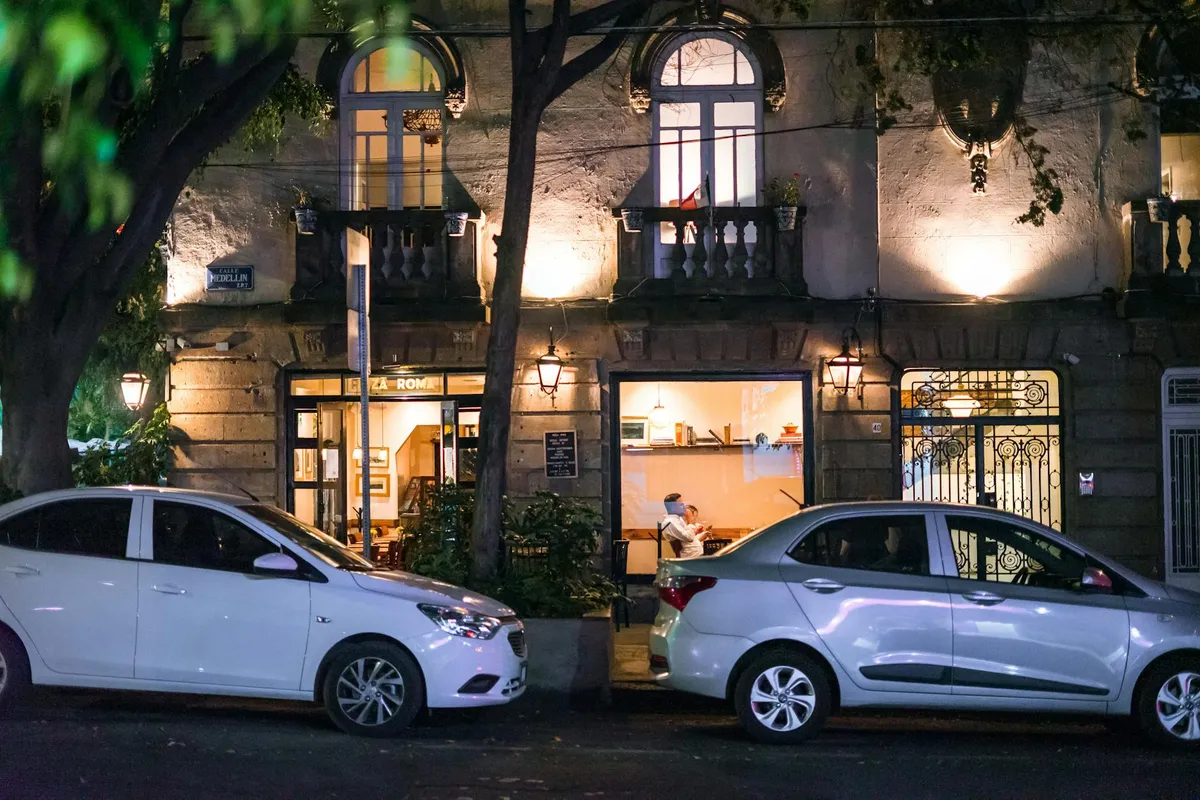
The neighborhoods have specific characters. Roma Norte, Condesa, Coyoacán, San Ángel, etc. each have specific identities.
What three months produced
Specific outcomes from three months in CDMX:
I now know Roma Norte and Condesa intimately. I can navigate them without thinking.
I have specific friends in CDMX who I expect to maintain relationships with.
My Mexican Spanish is substantially better than it was at start.
I have specific food preferences and venue preferences that wouldn't have emerged in shorter visits.
I now understand specific historical and cultural references in ways I didn't before.
I have a substantial reading list of Mexican literature and history that I'm working through.
Three months produced substantial real engagement. It also produced clear awareness of how much I still don't understand.
What I'd tell other foreigners visiting Mexico
If you're visiting Mexico for an extended period:
Don't assume what you know about Mexican food from international exposure represents Mexican food.
Spanish helps but doesn't mean cultural fluency. Even fluent Spanish speakers from other countries face cultural learning curves.
Engage with specific places rather than touring rapidly. The cultural texture differs by region.
Read Mexican literature and history. Background reading substantially deepens what you observe.
Be respectful of specific Mexican identity rather than treating Mexico as generic Latin America. Mexico is specifically itself.
Be open to revising assumptions. I revised many of mine. Yours will likely also need revision.
What I want to do next with Mexico
The three months produced wanting more:
I want to visit Oaxaca specifically. The food and culture there is substantially different from CDMX.
I want to visit Yucatán. The Mayan cultural elements would extend understanding.
I want to spend extended time in a smaller Mexican city. The dynamics there would differ from CDMX.
I want to read more Mexican literature. The reading I started during my stay will continue for years.
I want to maintain my Mexican friendships. They represent specific value beyond travel experience.
The three months ended my Mexican learning rather than completing it. I expect Mexico to continue being part of my ongoing learning indefinitely.
That's what real engagement with a culture produces. Not a finish line but a continuing relationship.
Three months made the relationship possible. The relationship will outlast the year of slow travel.