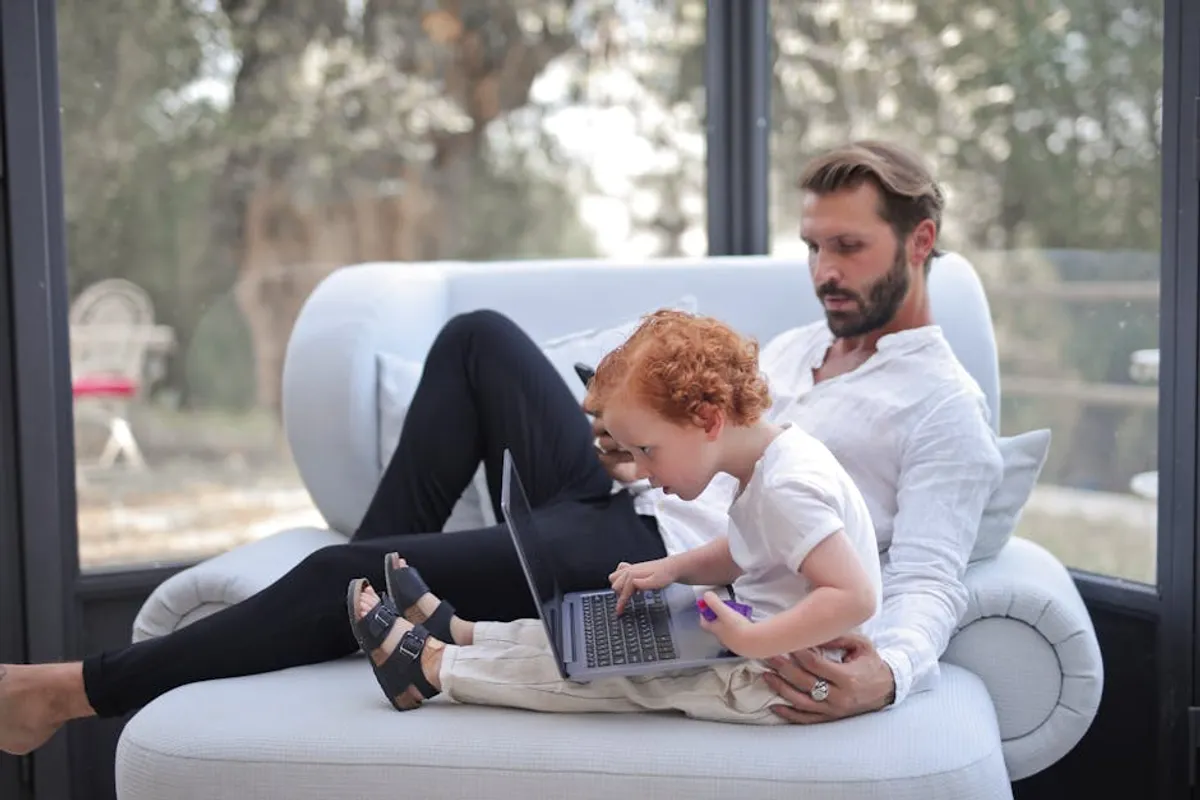
Traveling with family often means balancing diverse preferences, energy levels, and dietary needs, especially when it comes to meal times. The spontaneous roadside diner or a high-end restaurant might appeal to adults, but can quickly derail a trip with children if not properly vetted. The goal is not just to find food, but to locate establishments that offer a comfortable environment, appropriate menu options, and amenities that cater to the unique requirements of families. This involves a blend of digital research, strategic filtering, and on-the-ground awareness to ensure dining experiences contribute positively to the overall journey, rather than adding stress.
Leveraging Digital Tools for Discovery
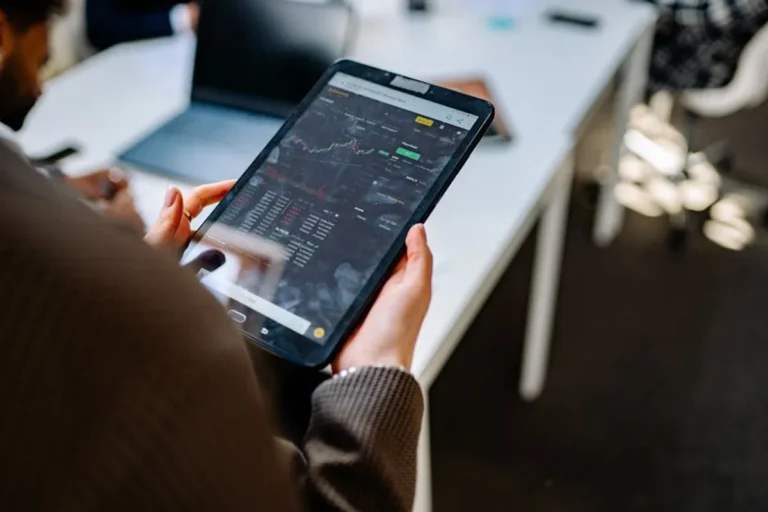
Modern travel planning relies heavily on digital resources. Several platforms offer features that, when used strategically, can pinpoint family-friendly dining options. These tools provide initial filters and user-generated content that are crucial for preliminary vetting.
Map Applications and Search Engines
Platforms like Google Maps allow users to search for "restaurants near me" or "family restaurants [city name]". The key is to move beyond the initial results. Look for specific keywords in the restaurant descriptions or user reviews such as "kids menu," "high chairs," "play area," or "spacious seating." Many map applications now integrate user photos, which can offer visual cues about the ambiance and suitability for children. A quick scan for images showing booster seats, crayon buckets, or casual settings can be more informative than text descriptions alone.
Specialized Review Platforms
Dedicated review sites often categorize restaurants more granularly. While general ratings are useful, focus on filters or tags related to "family," "kid-friendly," or "casual dining." Read reviews specifically mentioning experiences with children. Pay attention to comments regarding noise levels, service speed, and the patience of staff. A restaurant with a 4-star rating might be excellent for adults but unsuitable for a toddler if the environment is too quiet or the service too slow.
Best for: Identifying establishments with a track record of accommodating families, based on aggregated user feedback and specific amenity tags.
Family Travel Blogs and Forums
Before or during a trip, consult family-focused travel blogs or online forums for the destination. These resources often feature curated lists of restaurants that have been personally vetted by parents. The advantage here is the qualitative insight; bloggers frequently detail specific menu items for children, the availability of changing facilities, or unique entertainment options that make a place stand out. Forums can provide real-time recommendations and answers to specific questions about a restaurant's suitability for different age groups or dietary restrictions.
Filtering for Family-Specific Needs
Once potential options are identified, a deeper dive into their offerings is necessary. This involves scrutinizing menus, assessing amenities, and understanding the general atmosphere.
Menu Analysis for All Ages
Access the restaurant's menu online. Look beyond standard kids' meals. A truly family-friendly establishment often provides options that can be adapted for children (e.g., smaller portions of adult dishes, plain pasta, fruit sides). Confirm the availability of allergen information, if relevant, as this directly impacts safety and suitability for family members with specific dietary requirements. The presence of fresh, simple ingredients is often a positive indicator for children's palates.
Essential Amenities and Atmosphere
Consider the practical aspects of dining with children:
- Seating: Are high chairs or booster seats readily available? Is there enough space between tables for strollers or active toddlers?
- Restrooms: Are clean, accessible restrooms with changing facilities provided?
- Noise Level: A moderate noise level can be beneficial, masking the sounds of active children and reducing parental stress.
- Patience of Staff: While harder to assess online, reviews sometimes comment on staff's disposition towards children.
- Entertainment: Some restaurants offer coloring pages, small toys, or even dedicated play areas, which can significantly enhance the dining experience for families.
Pro Tip: Always cross-reference operating hours and holiday schedules directly on the restaurant's official website or by calling ahead. Digital platforms can sometimes lag in updating this information, leading to unexpected closures or altered service times, particularly critical when traveling with hungry children.
On-the-Ground Verification and Adaptability
Even with thorough digital research, a quick on-site check can confirm suitability. Flexibility is also key when travel plans shift.
Visual Cues and Quick Checks
If feasible, a brief walk-by or peek inside before committing can be invaluable. Observe the clientele—are other families present? Does the atmosphere seem relaxed or formal? Is there outdoor seating, which can often be more forgiving for energetic children? A visible kids' menu or a stack of high chairs near the entrance are positive signs.
Packing Smart for Unexpected Stops
Despite best-laid plans, unexpected delays or detours can necessitate impromptu food stops. Always carry a small "emergency kit" for children: non-perishable snacks, small quiet toys, coloring books, and essential hygiene items. This preparedness allows for greater flexibility if the ideal family-friendly restaurant isn't immediately available, or if a quick meal at a less-equipped spot becomes necessary.
Strategic Planning for Meal Times
Integrating food stops into the broader trip itinerary can minimize stress and maximize enjoyment.
Timing Meals Strategically
Plan meals around children's usual eating times and energy peaks. Avoiding peak dining hours can mean less waiting, faster service, and a calmer environment. Early dinners or late lunches often offer a more relaxed experience. Also, consider the travel schedule—a longer drive might warrant a stop with a play area to burn off energy before eating.
Budgeting and Value Considerations
Family meals can be a significant expense. Look for restaurants offering family-style portions, "kids eat free" promotions, or combo meals that provide better value. Fast-casual establishments often strike a good balance between speed, cost, and kid-friendly options. Consider packing some picnic meals or snacks for certain days to offset restaurant costs and provide a change of pace.
Ensuring Smooth Family Dining Experiences
Finding the right food stops is only part of the equation; ensuring a positive experience once there requires a few proactive steps.
Before ordering, communicate any specific needs or allergies to the server. Don't hesitate to ask for modifications to dishes to suit children's preferences. Engage children in the ordering process by letting them choose from approved options. Keep them entertained with travel-sized games or coloring books while waiting for food. A positive attitude from parents can significantly influence a child's dining experience, even in a less-than-perfect setting.
Frequently Asked Questions
Q: How do I handle picky eaters when traveling?
A: Research menus beforehand for simple, familiar options like plain pasta, grilled chicken, or fruit. Consider packing a few preferred non-perishable snacks as a backup, and involve children in choosing restaurants to give them a sense of control.
Q: Are chain restaurants always the best option for families?
A: Not necessarily. While chains often offer consistent menus and kid-friendly amenities, local establishments can provide unique experiences and often have equally accommodating options. Use digital tools to vet both local and chain options.
Q: What if I can't find a dedicated "kid-friendly" restaurant?
A: Look for casual eateries, cafes, or diners with outdoor seating. Pizza places, burger joints, or establishments with buffet-style options can often be surprisingly accommodating, even if not explicitly marketed as family-friendly. Focus on places with a relaxed atmosphere and quick service.
Q: Should I make reservations for family meals?
A: For popular times or larger families, reservations are highly recommended. This reduces wait times and ensures suitable seating, which is crucial for maintaining children's patience and comfort, especially after a long day of travel.