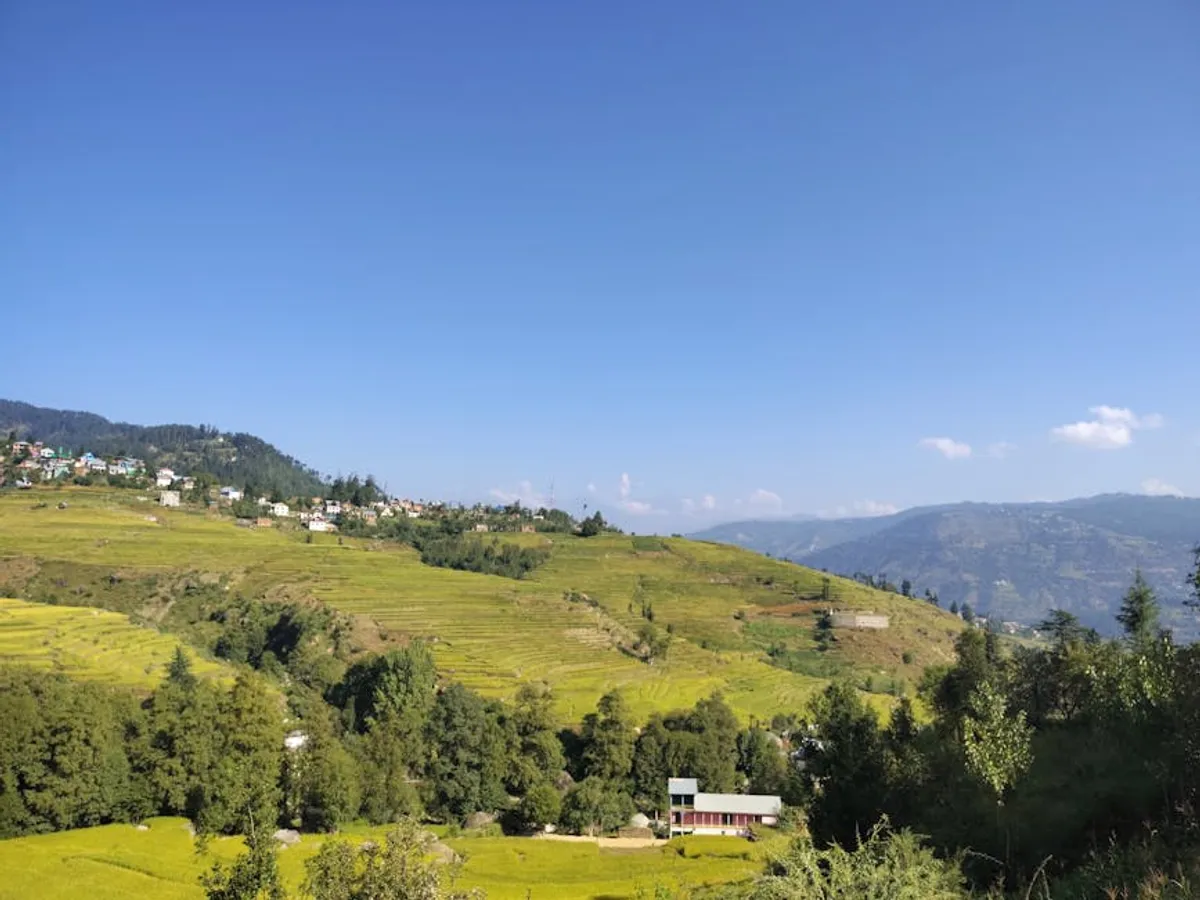
Jibhi, nestled in the Tirthan Valley of Himachal Pradesh, offers a distinct escape from mainstream tourist hubs. This guide provides a focused overview for travelers considering a trip, detailing key attractions, accommodation types, and practical activities to ensure a well-informed visit. It aims to clarify what Jibhi presents to different traveler profiles, from those seeking quiet introspection amidst nature to individuals interested in local culture and moderate outdoor pursuits.
Unveiling Jibhi's Natural Attractions
Jibhi's appeal lies in its serene landscapes and relatively untouched natural beauty. Understanding its core attractions helps in planning daily itineraries and managing expectations regarding accessibility and required effort.
Serolsar Lake and Jalori Pass
The journey to Serolsar Lake typically begins with a drive to Jalori Pass (3,120 meters), which itself provides panoramic views of the Dhauladhar and Kinnaur ranges. From the pass, a moderate 5-6 kilometer trek leads to Serolsar Lake. This high-altitude lake is surrounded by dense forests, known for the Budhi Nagin temple situated on its banks. The trek involves a gradual ascent and descent, making it accessible for individuals with reasonable fitness levels. The lake's clear waters and the surrounding tranquility offer a distinct contrast to the more frequented areas of the valley.
Justification: The trek offers both physical activity and cultural immersion at the temple, culminating in a pristine natural setting. The altitude and distance define its accessibility.
Chehni Kothi
Chehni Kothi stands as a prominent example of traditional Himachali tower architecture. This multi-storied wooden and stone structure, initially a defensive tower, is located in the nearby Chehni village. Visitors typically reach it via a short hike from the road head, passing through apple orchards and local homes. The tower's construction, utilizing deodar wood and local stone without cement, showcases historical engineering and local craftsmanship. The upper floors provide views of the surrounding valley, offering a glimpse into the region's past and architectural heritage.
Justification: This site provides cultural and historical context, differentiating it from purely natural attractions. Its architectural style is specific to the region.
Jibhi Waterfall
The Jibhi Waterfall is a more accessible natural feature, located a short walk from the main Jibhi market area. Surrounded by thick pine forests, the waterfall cascades into a small pool, creating a cool, shaded environment. Wooden bridges and seating areas are often present, allowing for quiet contemplation or short breaks. Its proximity to accommodation options makes it a convenient spot for a relaxed afternoon or morning visit without extensive travel.
Justification: Its accessibility and proximity to central Jibhi make it a practical, low-effort attraction for all visitors.
Shringa Rishi Temple
Located in the nearby village of Bagi, the Shringa Rishi Temple is dedicated to a local deity and holds significant spiritual importance for the Tirthan Valley residents. The temple showcases intricate wooden carvings and traditional Himachali architectural elements. The drive or hike to the temple offers views of the valley, and the temple complex itself provides insight into local religious practices and community life. It is often visited in conjunction with other sites in the wider Tirthan Valley region.
Justification: Offers cultural and spiritual insight, distinct from purely scenic spots, highlighting local traditions.
Accommodation Options in Jibhi
Jibhi's accommodation landscape caters primarily to travelers seeking a rustic, nature-integrated experience. Options range from basic guesthouses to more comfortable boutique stays, with a strong emphasis on local hospitality.
Riverside Cottages and Homestays
Numerous cottages and homestays are situated along the Tirthan River or its tributaries, offering direct access to natural sounds and views. These typically feature traditional Himachali architecture, often constructed with wood and stone, providing a rustic ambiance. Amenities usually include basic private rooms, shared common areas, and home-cooked meals featuring local cuisine. Many proprietors are local families, offering insights into regional life.
Best for: Travelers prioritizing direct nature immersion, local cultural exchange, and a tranquil environment. Expect simpler amenities and authentic local food.
Guesthouses and Boutique Stays
These options generally offer a slightly elevated level of comfort and service compared to basic homestays. They may include amenities like attached bathrooms with hot water, more refined interiors, and sometimes small cafes or restaurants on-site. While still maintaining a local aesthetic, they often incorporate modern conveniences. Pricing is typically moderate, reflecting the enhanced facilities.
Consider for: Visitors seeking a balance between local charm and improved comfort, without moving into luxury segment. These often provide a good base for exploring the region with more structured services.
Pro Tip: During peak tourist seasons (May-June, September-November, and specific holiday weekends), securing accommodation in Jibhi requires advance booking. Many popular homestays and cottages have limited rooms, and last-minute availability can be scarce, especially for riverside locations. Confirming bookings at least 1-2 months ahead for these periods is advisable to avoid disappointment and ensure preferred options.
Exploring Jibhi: Activities and Experiences
Beyond sightseeing, Jibhi offers a range of activities that allow for deeper engagement with its natural environment and local lifestyle.
Trout Fishing
The Tirthan River is renowned for its trout fishing opportunities. Anglers require permits, which can typically be obtained from the Forest Department office in Sai Ropa or through local guides who assist with arrangements. The river's clear, cold waters support brown and rainbow trout populations. Equipment rental and guided fishing trips are available through various local operators, providing a structured way to experience this specific activity.
Justification: Specific activity requiring permits and equipment, appealing to a niche interest while leveraging a key natural resource.
Trekking and Hiking Trails
Jibhi serves as a base for numerous trekking routes. Beyond the Serolsar Lake trek, options include:
- Raghupur Fort Trek: A relatively short but steep hike from Jalori Pass, leading to ancient fort ruins and 360-degree views of the surrounding mountains.
- Great Himalayan National Park (GHNP) Buffer Zone Hikes: Access points to the GHNP, particularly the Tirthan Valley range, are nearby. These trails offer opportunities for wildlife spotting (though sightings are rare) and deeper forest exploration, often requiring local guides for navigation and safety.
- Village-to-Village Walks: Shorter, less strenuous walks connecting Jibhi with neighboring villages like Ghiyagi and Shoja, offering insights into rural life and local architecture.
Justification: Provides a range of physical activity levels and engagement with natural landscapes, from historical sites to protected areas.
Village Walks and Local Culture
Engaging with the local community through village walks offers a distinct cultural experience. This involves exploring traditional Himachali villages, observing daily life, and interacting with residents. Opportunities may arise to sample local dishes, observe traditional crafts, or learn about agricultural practices. This activity emphasizes cultural immersion over scenic views or physical exertion.
Justification: Focuses on cultural interaction and local lifestyle, differentiating it from nature-centric activities.
Planning Your Jibhi Trip
Effective planning ensures a smoother and more rewarding experience in Jibhi.
Best Time to Visit:
The period from March to June offers pleasant weather for outdoor activities, with blooming rhododendrons in spring. September to November provides clear skies and comfortable temperatures, ideal for trekking and photography, as the monsoon recedes. Winters (December to February) bring snow, transforming the landscape but making some roads and treks inaccessible. Monsoon season (July-August) can involve landslides and heavy rainfall, impacting travel and outdoor plans.
Connectivity:
The nearest major airport is Kullu-Manali Airport (Bhuntar), approximately 60 km away. The nearest railway station is Kiratpur Sahib, about 170 km from Jibhi. Most travelers access Jibhi via road, either by private taxi or local buses from Aut, which is on the Chandigarh-Manali highway. The road from Aut to Jibhi can be narrow and winding.
Essentials to Pack:
Layered clothing is crucial due to varying temperatures. Comfortable walking shoes are essential for exploring. A basic first-aid kit, personal medications, insect repellent, and a power bank are advisable. For treks, carry sufficient water and snacks. Given limited network connectivity in some areas, downloading offline maps can be useful.
Frequently Asked Questions
Is Jibhi suitable for families with young children?
Jibhi can be suitable for families, especially those seeking a quiet retreat. However, some treks might be challenging for very young children. Riverside homestays often provide a safe environment, but direct supervision near water bodies is always necessary.
What is the typical cost of a homestay in Jibhi?
Homestay prices vary significantly based on amenities and location, but generally range from INR 1,500 to INR 3,500 per night for a double occupancy room, often including breakfast and dinner. More basic options might be available for less, while boutique stays can exceed this range.
Is mobile network and internet connectivity reliable in Jibhi?
Mobile network coverage, particularly for data, can be inconsistent. Jio and Airtel generally offer better connectivity than other providers, but expect patchy service in certain pockets. Many guesthouses and cafes offer Wi-Fi, which may also be subject to occasional disruptions.
Are there ATMs or medical facilities in Jibhi?
Jibhi itself has limited financial and medical infrastructure. The nearest ATM and basic medical facilities are typically found in Banjar, about 8-10 km away. It is advisable to carry sufficient cash and any necessary personal medications.