
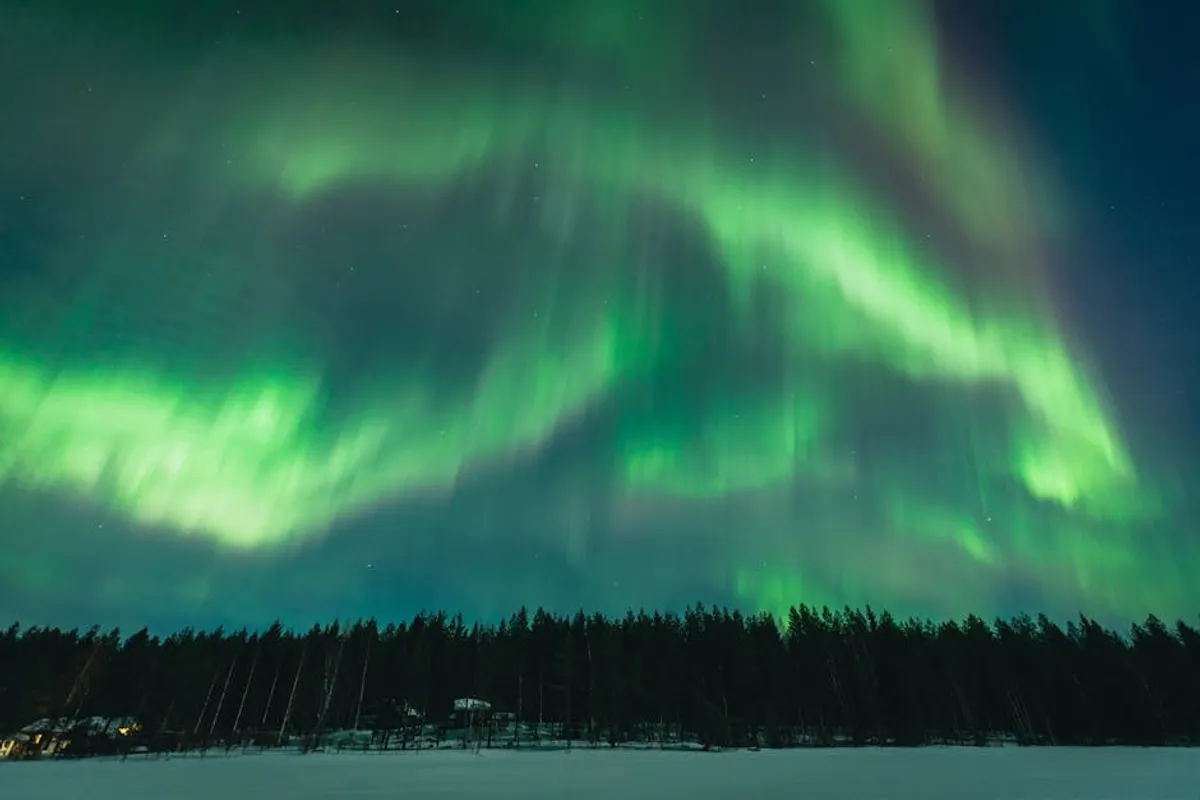
Planning a trip to witness the Northern Lights, or Aurora Borealis, involves more than simply booking a flight to a high-latitude destination. This natural phenomenon is inherently unpredictable, requiring a strategic approach to timing, location, and preparation to maximize viewing chances. Success hinges on understanding the underlying science, monitoring real-time conditions, and selecting destinations known for consistent aurora activity and clear skies. Without this informed planning, the investment in travel can easily result in disappointment.
Understanding the Aurora Borealis: The Science of Light
The Northern Lights are a direct result of solar activity. Charged particles, primarily electrons and protons, are ejected from the sun during solar flares and coronal mass ejections. These particles travel through space as solar wind and, upon reaching Earth's magnetosphere, are funneled towards the magnetic poles. As they collide with gases in Earth's upper atmosphere—oxygen and nitrogen—they excite these atoms, causing them to emit light. The color of the aurora depends on the type of gas and the altitude of the collision: green (most common) from oxygen at lower altitudes, red from higher-altitude oxygen, and blue/purple from nitrogen.
The intensity and visibility of the aurora are largely dictated by the Kp-index, a measure of geomagnetic activity. A higher Kp-index (on a scale of 0-9) indicates a stronger geomagnetic storm, potentially leading to brighter and more widespread auroral displays. Monitoring geomagnetic forecasts is a critical component of aurora chasing, as it provides a predictive measure of the likelihood of activity.
Optimal Timing: When to Chase the Lights
The "when" of aurora hunting is as crucial as the "where." Several factors converge to create ideal viewing conditions.
Seasonality
The primary requirement for seeing the Northern Lights is darkness. This limits the viewing season to the long, dark nights of winter.
- Late August to early April: This broad window offers sufficient darkness in the northern latitudes.
- Peak Months: September, October, February, and March often stand out. September and October can offer milder temperatures and autumn colors, while February and March typically bring colder, clearer skies, reducing cloud cover. The extreme cold of December and January, while offering abundant darkness, can also mean more challenging travel conditions and persistent cloud systems in some regions.
Time of Day
While the aurora can technically appear at any time during dark hours, activity tends to peak during specific periods.
Prime viewing window: Generally between 10 PM and 2 AM local time. This is when the Earth's magnetic field is optimally aligned to capture solar particles. However, strong displays can occur earlier or later, so vigilance throughout the night is advisable.
Key condition: Absolutely clear, dark skies, away from light pollution. Even a high Kp-index display will be obscured by clouds.
Solar Activity
Beyond daily forecasts, understanding the solar cycle provides a broader context. The sun undergoes an approximately 11-year cycle of activity, with periods of solar maximum showing increased solar flares and coronal mass ejections. We are currently approaching or in a solar maximum period, which generally means more frequent and intense auroral displays. Consult long-term solar cycle predictions when planning trips several years in advance.
Pro Tip: Patience and flexibility are paramount. The Northern Lights are a natural phenomenon, not a scheduled event. Plan for at least 3-7 nights in an aurora-prone region to increase your chances, allowing for variable weather and solar activity. Have backup daytime activities planned.
Prime Viewing Locations: Where to Maximize Your Chances
The "aurora oval" is an area around Earth's magnetic poles where auroral activity is most concentrated. Destinations within or close to this oval offer the highest probability of sightings.
Scandinavia
Norway:
Best for: Dramatic coastal scenery and accessibility.
- Tromsø: Often dubbed the "Gateway to the Arctic," it's a popular base with numerous tour operators, relatively mild coastal climate, and good infrastructure.
- Lofoten Islands: Offers stunning backdrops of jagged mountains and fjords for aurora photography, though weather can be more unpredictable.
- North Cape (Nordkapp): Europe's northernmost point, providing vast, unobstructed views over the Arctic Ocean.
Sweden:
Best for: Consistently clear skies and unique aurora experiences.
- Abisko National Park: Known for its "Blue Hole," a patch of sky that often remains clear even when surrounding areas are cloudy, due to specific microclimatic conditions. Home to the Aurora Sky Station.
- Kiruna: Sweden's northernmost city, offering access to ice hotels and dog sledding alongside aurora tours.
Finland:
Best for: Winter wonderland experiences and specialized accommodations.
- Lapland (e.g., Rovaniemi, Levi, Saariselkä): Offers glass igloos and other unique viewing accommodations, alongside Santa Claus Village in Rovaniemi. Cold, stable continental climate often means clear skies.
Iceland
Best for: Unique volcanic landscapes and accessibility from North America/Europe.
- Reykjavík (and surrounding areas): While the capital itself has light pollution, numerous tours depart from Reykjavík to darker spots along the South Coast or the Snæfellsnes Peninsula.
- Jökulsárlón Glacier Lagoon: Offers spectacular opportunities to photograph the aurora reflecting in icebergs.
North America
Canada:
Best for: High probability and vast wilderness.
- Yukon (Whitehorse): Interior location offers cold, clear nights and high aurora frequency.
- Northwest Territories (Yellowknife): Considered one of the best places globally for consistent sightings due to its flat landscape and location directly under the aurora oval.
Alaska, USA:
Best for: Extreme cold, clear skies, and a strong aurora viewing culture.
- Fairbanks: Located in interior Alaska, it experiences extreme cold but often very clear, dark skies, making it a prime location. Offers various aurora tours and viewing lodges.
Other Considerations for Location Selection
- Light Pollution: Always prioritize locations away from major towns and cities. Even a small amount of artificial light can diminish the aurora's visibility.
- Weather Patterns: Research typical cloud cover statistics for your chosen destination during your travel window. Coastal areas can be prone to more cloudiness than inland regions.
- Accessibility and Infrastructure: Consider ease of travel, availability of accommodations, and guided tour options. Some remote locations require more self-sufficiency.
Essential Planning Considerations for a Successful Trip
Beyond location and timing, practical preparations are crucial for comfort and success.
Accommodation: Decide between remote lodges designed for aurora viewing, which often include wake-up calls for sightings, or city hotels that require traveling out of town for dark skies.
Transportation: Rental cars offer flexibility but require confidence driving in winter conditions. Guided tours provide local expertise, transportation, and often hot drinks/snacks, removing logistical burdens.
Gear:
- Warm Clothing: Layering is key. Thermal base layers, fleece mid-layers, and a waterproof/windproof outer shell are essential. Don't forget insulated boots, wool socks, hats, and gloves.
- Camera Equipment: A DSLR or mirrorless camera with manual settings, a wide-angle lens (f/2.8 or faster), a sturdy tripod, and extra batteries (cold drains them quickly) are necessary for photography.
- Other Essentials: A headlamp with a red light setting (to preserve night vision), hand warmers, and a thermos for hot beverages.
Flexibility: Book trips for multiple nights (at least 3-7) to account for weather variability. Have alternative daytime activities planned in case the aurora doesn't appear. Many tour operators offer repeat bookings at a discount if the lights aren't seen on the first attempt.
Maximizing Your Aurora Experience
Successfully witnessing the Northern Lights is a blend of scientific understanding, strategic location choice, and meticulous preparation. It requires actively monitoring geomagnetic forecasts, checking local weather for clear skies, and positioning yourself away from urban light pollution. Invest in appropriate cold-weather gear and consider booking a multi-night stay in a prime viewing zone. While the aurora remains an unpredictable natural wonder, a well-researched and flexible plan significantly increases your chances of experiencing one of Earth's most spectacular displays.
Frequently Asked Questions
Q: How many nights should I plan to stay for the best chance of seeing the Northern Lights?
A: To account for variable weather and solar activity, planning a trip of at least 3 to 7 nights in a prime viewing location is generally recommended to maximize your chances of a sighting.
Q: Do I need a special camera to photograph the Northern Lights?
A: While modern smartphone cameras have improved, a DSLR or mirrorless camera with manual settings, a wide-angle lens (f/2.8 or faster), and a sturdy tripod are highly recommended for capturing high-quality aurora photographs.
Q: Is it safe to travel to these remote locations in winter?
A: Yes, generally, but proper preparation is crucial. This includes dressing appropriately for extreme cold, being aware of winter driving conditions if self-driving, and booking reputable tours or accommodations that prioritize safety in Arctic environments.
Q: Can I see the Northern Lights from a city?
A: While very strong displays might be faintly visible from city outskirts, light pollution significantly diminishes the aurora's visibility and intensity. For the best experience, it is essential to travel to dark sky locations away from urban centers.