Planning a first trip to Spain requires a focused approach to navigate its diverse regions, varied climates, and distinct cultural nuances effectively. This guide outlines the core considerations for new travelers, detailing practical logistics from seasonal planning and budgeting to transportation networks and cultural expectations. Understanding these foundational elements ensures a more efficient and rewarding experience, whether your interest lies in historic cities, coastal relaxation, or culinary exploration.
Essential Planning Considerations
Successful first-time travel to Spain hinges on strategic pre-departure decisions. Factors like timing, visa requirements, and financial planning directly impact the trip's feasibility and enjoyment.
Optimal Travel Seasons and Regional Climate
Spain's climate varies significantly by region. The shoulder seasons—spring (April to May) and autumn (September to October)—generally offer pleasant temperatures and fewer crowds across most of the mainland. Summer (June to August) brings intense heat, particularly in Andalusia and central Spain, making coastal areas or northern regions like Galicia and the Basque Country more appealing for those seeking cooler conditions. Winter (November to March) is mild in the south and on the Canary Islands, but can be cold and snowy in the Pyrenees and central plateau.
Visa and Entry Requirements
Travelers from the European Union, the UK, the United States, Canada, Australia, and many other countries can enter Spain (part of the Schengen Area) for up to 90 days within any 180-day period without a visa for tourism purposes. Ensure your passport is valid for at least three months beyond your intended departure date from the Schengen Area. Non-EU citizens will soon require an ETIAS authorization for short stays, so verify current requirements well in advance of travel.
Budgeting for Your Trip
Spain offers a range of price points. A moderate daily budget for a solo traveler might range from €70 to €150, covering mid-range accommodation, meals, local transport, and a few attractions. This can be reduced by opting for hostels, cooking some meals, and utilizing free attractions. Conversely, luxury travel can easily exceed €250+ per day. Key cost drivers include accommodation in major cities (Barcelona, Madrid), high-speed rail tickets, and fine dining. Advance booking for flights, trains, and popular accommodations typically secures better rates.
Navigating Spain: Transportation and Regional Highlights
Understanding Spain's geography and transport infrastructure is crucial for efficient itinerary planning. The country is well-connected, but travel times and methods vary by destination.
Intercity and Local Transportation
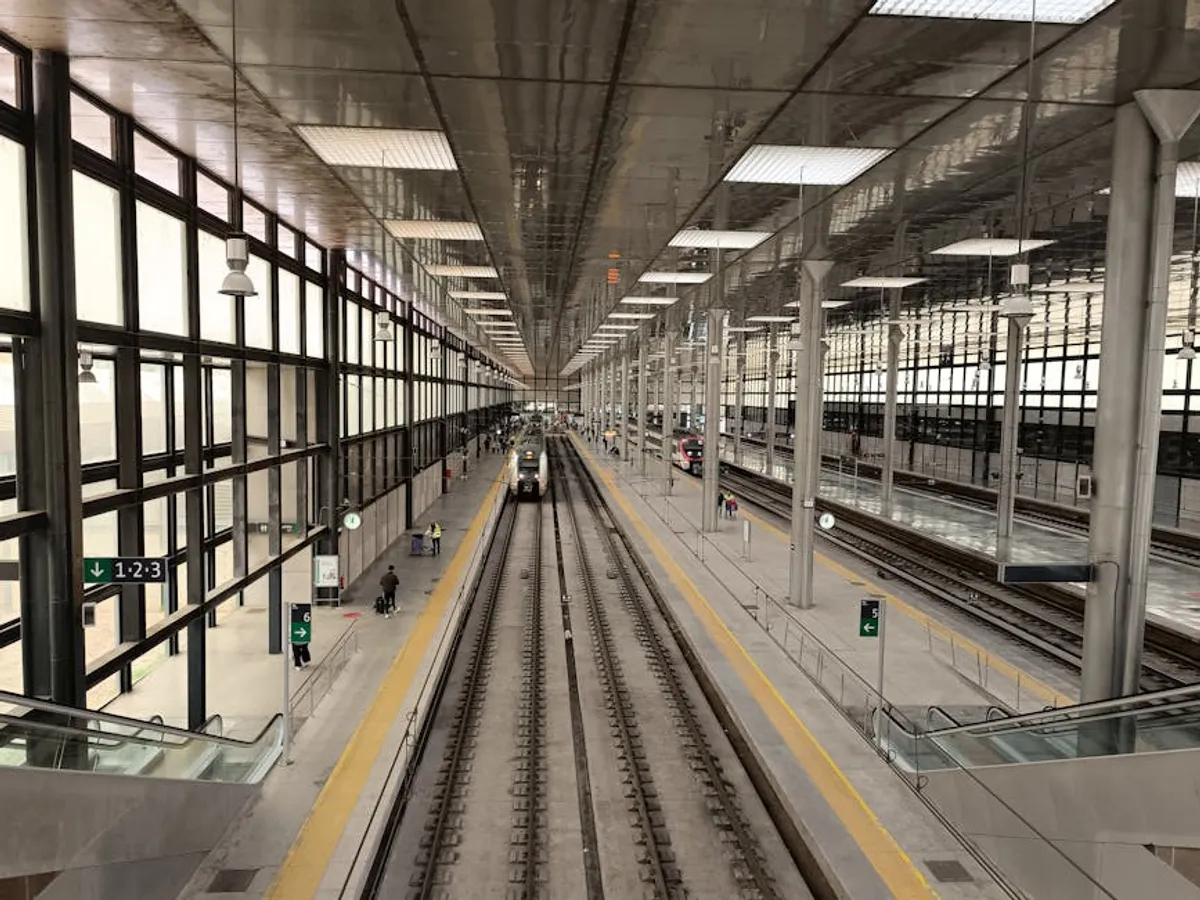
Spain boasts an extensive and efficient transportation network. High-speed trains (AVE) connect major cities like Madrid, Barcelona, Seville, and Valencia, offering fast and comfortable travel. For more remote areas or budget-conscious travelers, long-distance buses are a viable alternative. Domestic flights are efficient for covering long distances, such as between the mainland and the Canary or Balearic Islands. Within cities, public transport systems (metro, buses, trams) are reliable and affordable. Taxis and ride-sharing services are also readily available.
Key Regions and Their Appeal
- Central Spain (Madrid, Toledo, Segovia): Focuses on grand museums (Prado, Reina Sofía), royal palaces, and historic cities with UNESCO World Heritage sites easily accessible as day trips from Madrid.
- Andalusia (Seville, Granada, Córdoba): Characterized by Moorish architecture (Alhambra, Mezquita), flamenco culture, and a distinct southern Spanish atmosphere. Expect warm climates and rich history.
- Catalonia (Barcelona, Costa Brava): Known for Modernist architecture (Gaudi's Sagrada Familia), vibrant city life, and Mediterranean beaches. Offers a blend of urban exploration and coastal relaxation.
- Northern Spain (Basque Country, Galicia): Features rugged coastlines, distinct culinary traditions (pintxos in San Sebastián), and lush green landscapes. Cooler temperatures and unique regional cultures define this area.
- Balearic Islands (Mallorca, Ibiza, Menorca): Mediterranean islands offering beaches, nightlife (Ibiza), and tranquil coves. Popular for summer getaways and water activities.
- Canary Islands (Tenerife, Gran Canaria, Lanzarote): Atlantic islands known for their volcanic landscapes, year-round spring-like weather, and diverse outdoor activities, from hiking to surfing.
Pro Tip: For high-speed train travel (AVE), book tickets several weeks or even months in advance, especially for popular routes and peak seasons. Prices can increase significantly closer to the travel date, similar to airline pricing models. Utilize Renfe's official website or reliable third-party platforms for booking.
Practicalities for a Smooth Journey
Beyond logistics, understanding local customs and essential services contributes to a seamless travel experience.
Language and Communication
While Castilian Spanish is the official language nationwide, regional languages like Catalan (Catalonia), Basque (Basque Country), and Galician (Galicia) are also spoken. In major tourist areas, English is often understood, especially in hotels, larger restaurants, and main attractions. Learning a few basic Spanish phrases like "Hola" (Hello), "Gracias" (Thank you), "Por favor" (Please), and "Disculpe" (Excuse me) is always appreciated and aids interactions.
Currency, Payments, and Tipping
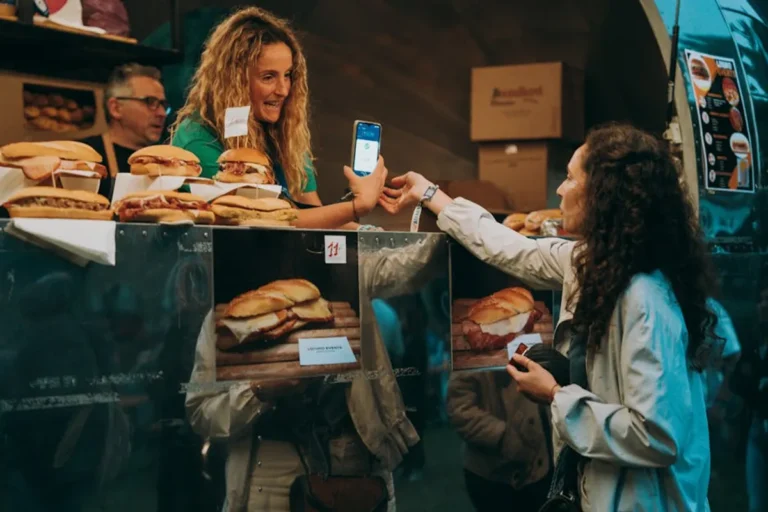
The currency in Spain is the Euro (€). Credit and debit cards (Visa, Mastercard) are widely accepted in most establishments, but carrying some cash is advisable for smaller purchases, markets, or in rural areas. Tipping is customary but generally more modest than in some other countries. For restaurant service, rounding up the bill or leaving a few euros (5-10% for excellent service) is common. For taxis, rounding up to the nearest euro is sufficient. Hotel staff may receive a small tip for exceptional service.
Safety and Health
Spain is generally a safe country for tourists. Common sense precautions apply: be aware of pickpockets in crowded tourist areas (e.g., Las Ramblas in Barcelona, central Madrid), especially on public transport. Keep valuables secure and out of sight. The emergency number is 112 for police, ambulance, or fire services. Ensure you have travel insurance that covers medical emergencies and potential trip disruptions. Tap water is safe to drink in most areas, but bottled water is widely available.
Cultural Norms and Etiquette
Meal times in Spain are typically later than in many other countries, with lunch often served from 2 PM to 4 PM and dinner starting around 9 PM or 10 PM. Many smaller shops and businesses observe a "siesta" or mid-day closure, usually from 2 PM to 5 PM, particularly outside major city centers. Greetings often involve two kisses on the cheek between women or a man and a woman, and a handshake between men. Punctuality is more relaxed in social settings than in business contexts.
Preparing for Your Spanish Adventure
A well-researched and adaptable plan forms the backbone of a successful first trip to Spain. Prioritize your interests—whether historical sites, beaches, or culinary experiences—and allocate sufficient time to each region. Book key accommodations and transport in advance, particularly during peak travel periods, to manage costs and secure availability. Embrace the local pace, enjoy the diverse cuisine, and allow for spontaneous discoveries to truly experience Spain's rich cultural tapestry.
Frequently Asked Questions
Do I need to speak Spanish to travel in Spain?
While not strictly necessary, especially in major tourist hubs where English is often spoken, knowing some basic Spanish phrases significantly enhances the travel experience and facilitates interactions with locals. Many menus and signs in tourist areas will have English translations.
What is the best way to get around Spain?
For intercity travel, high-speed trains (AVE) are efficient and comfortable for connecting major cities. Buses offer a more economical alternative for wider coverage. Within cities, public transport networks (metro, bus) are excellent. Renting a car is best for exploring rural areas or specific regional tours.
Is Spain expensive for tourists?
Spain can accommodate various budgets. While major cities like Barcelona and Madrid can be comparable to other Western European capitals, smaller towns and rural areas offer more affordable options. Accommodation and dining costs vary significantly, but overall, Spain is generally considered more budget-friendly than countries like France or Switzerland.
When is the best time to visit Spain for good weather?
The shoulder seasons (April-May and September-October) typically offer the most pleasant weather across most of Spain, with moderate temperatures and fewer crowds. Summers (June-August) are hot, especially inland, making coastal regions or the cooler north more appealing during this period.