Spain presents a multifaceted travel experience, appealing to a broad spectrum of interests from historical exploration to culinary adventures and coastal relaxation. This guide provides a structured overview of the country's diverse offerings, designed to inform planning decisions for an impactful journey. Understanding Spain's geographical and cultural variations is key to tailoring an itinerary that aligns with specific traveler preferences, whether prioritizing vibrant urban centers, serene natural landscapes, or immersive cultural experiences. This resource outlines regional distinctions, practical planning considerations, and essential cultural insights to facilitate a well-informed and commercially relevant travel strategy.
Navigating Spain's Diverse Regions
Spain's geography dictates distinct regional identities, each offering unique attractions and experiences. Effective trip planning benefits from understanding these differences to optimize travel flow and focus on desired themes.
Northern Spain: Green Coasts and Culinary Excellence
The northern regions, including Basque Country, Galicia, Asturias, and Cantabria, are characterized by lush green landscapes, rugged coastlines, and a cooler climate compared to the south. This area is a prime destination for food enthusiasts, particularly in cities like San Sebastián, renowned for its Michelin-starred restaurants and pintxos culture. Outdoor activities such as hiking in the Picos de Europa or surfing along the Atlantic coast are prominent. Best for: Gastronomy, nature, cooler summer travel, and cultural immersion beyond traditional Spanish stereotypes.
Central Spain: Royal History and Artistic Heritage
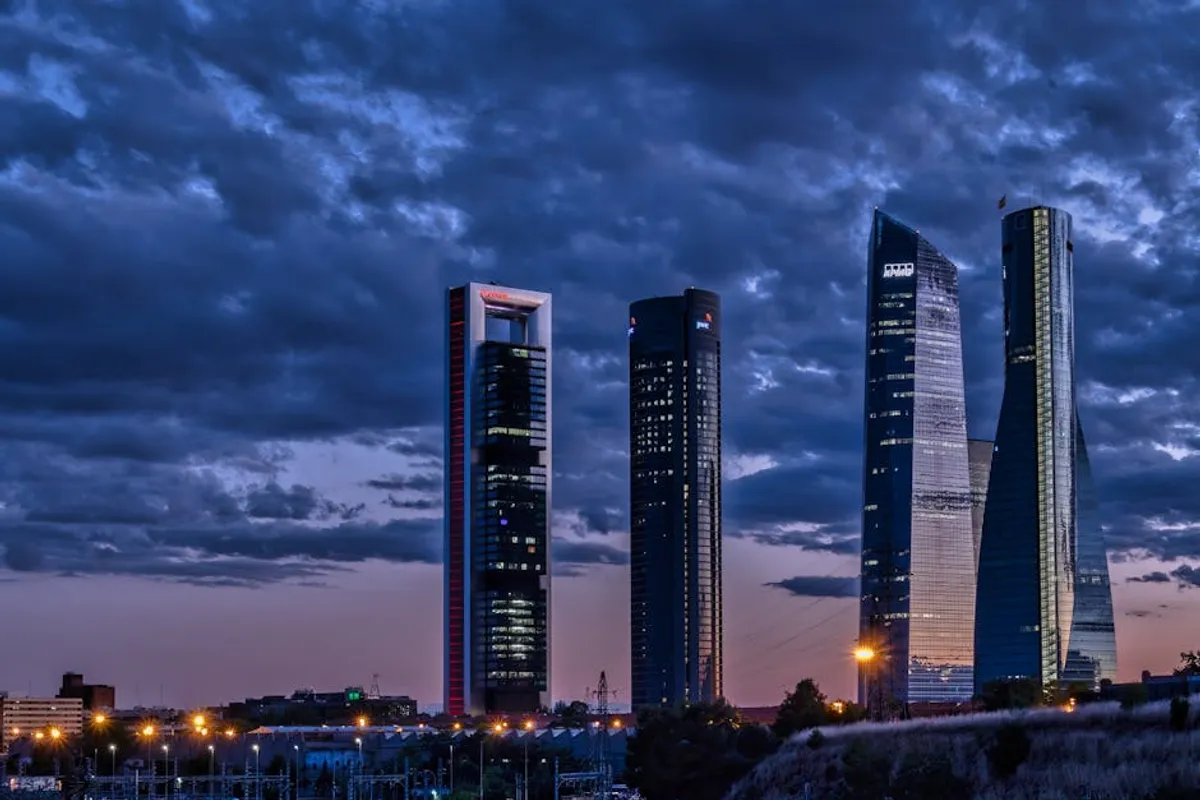
Dominated by the capital, Madrid, and the historic cities of Castilla y León and Castilla-La Mancha, Central Spain offers a deep dive into the country's royal past and artistic legacy. Madrid serves as a cultural hub with world-class museums like the Prado, Reina Sofía, and Thyssen-Bornemisza. Nearby Toledo and Segovia provide UNESCO World Heritage sites with Roman, Moorish, and Christian architecture. The climate is continental, with hot summers and cold winters. Best for: Art history, grand architecture, royal heritage, and vibrant city life.
Southern Spain: Flamenco, Sun, and Moorish Grandeur
Andalusia, Spain's southernmost region, embodies many quintessential Spanish images: flamenco, bullfighting, and sun-drenched beaches. Cities like Seville, Granada, and Córdoba showcase stunning Moorish architecture, including the Alhambra and the Mezquita. The Costa del Sol offers extensive resort options. The climate is typically hot and dry, especially in summer. Best for: Moorish history, traditional Spanish culture, warm weather, and coastal relaxation.
Mediterranean Coasts and Islands: Beaches and Island Escapes
The eastern coast, encompassing Catalonia, Valencia, and Murcia, along with the Balearic Islands (Mallorca, Ibiza, Menorca) and Canary Islands, provides extensive beach and island experiences. Barcelona in Catalonia offers a unique blend of Gothic and Modernist architecture, including Gaudí's Sagrada Familia. The Balearics are known for their picturesque coves and vibrant nightlife, while the Canaries offer year-round spring-like weather and volcanic landscapes. Best for: Beach holidays, watersports, vibrant nightlife, and distinct regional cultures.
Essential Planning Considerations
Successful travel planning to Spain involves strategic decisions regarding timing, transportation, and accommodation to optimize both experience and budget.
Best Times to Visit
The shoulder seasons (April-May and September-October) generally offer the most pleasant weather across most regions, fewer crowds, and more moderate pricing for flights and lodging. Summer (June-August) is ideal for coastal and island destinations but can be intensely hot in inland cities like Seville and Madrid. Winter (November-March) provides opportunities for skiing in the Pyrenees or Sierra Nevada and exploring cities with fewer tourists, though some coastal areas become very quiet.
Transportation Logistics
Spain's high-speed rail network (AVE) connects major cities efficiently, reducing travel times significantly. Regional trains and buses offer comprehensive coverage for smaller towns and rural areas. For exploring specific regions like Andalusia's white villages or Galicia's coastline, car rental provides flexibility. Within cities, extensive public transport systems (metro, bus, tram) are common, supplemented by ride-sharing services and taxis.
Accommodation Choices
Options range from luxury hotels and boutique guesthouses (casas rurales) to budget-friendly hostels and vacation rentals. Paradores, a network of state-owned hotels often situated in historic buildings or scenic locations, offer a unique experience. Booking in advance, especially during peak season or for popular city breaks, is advisable to secure preferred rates and availability.
Pro Tip: When planning multi-city itineraries, prioritize booking high-speed train tickets (AVE) several weeks in advance. Early booking can yield significant savings, often 30-50% compared to last-minute purchases, particularly for popular routes like Madrid-Barcelona or Madrid-Seville.
Culinary Exploration: Beyond Paella
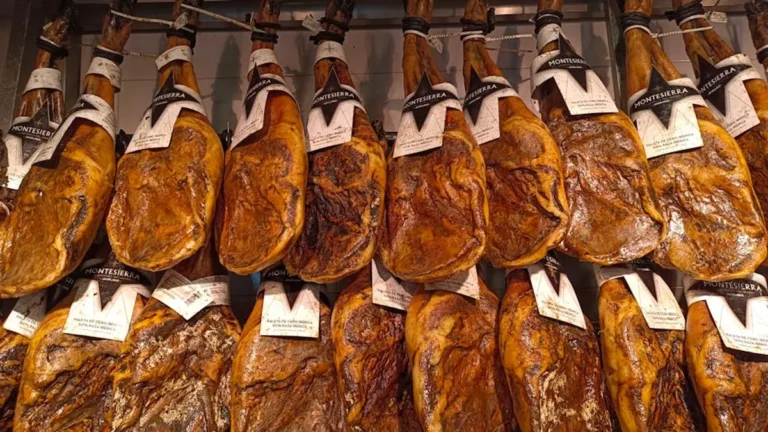
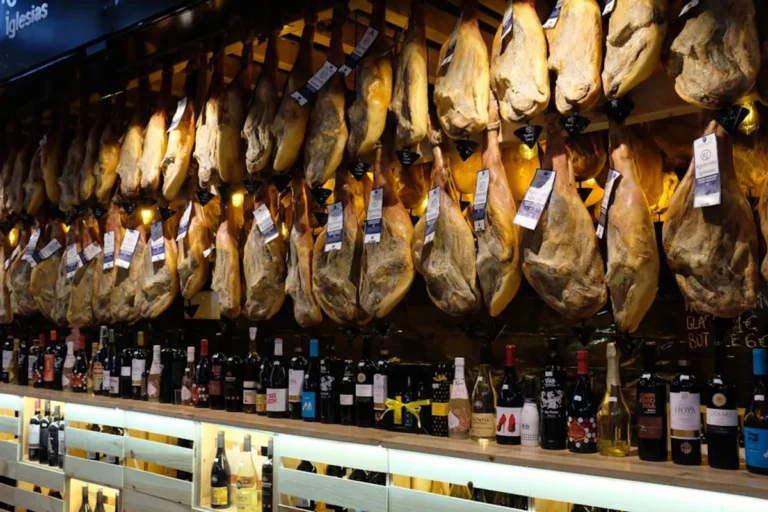
Spanish cuisine is highly regional. While paella is a national dish, focusing on local specialties enhances the culinary journey. In the north, pintxos (small snacks) in the Basque Country and seafood in Galicia are paramount. Central Spain is known for roasted meats (cochinillo, cordero) and hearty stews. Andalusia excels with tapas culture, gazpacho, and fresh seafood. The Mediterranean coast offers rice dishes beyond paella, like arròs negre, and fresh produce. Exploring local markets provides insight into regional ingredients and culinary traditions.
Cultural Immersion and Activities
Engaging with Spain's culture extends beyond sightseeing. Key experiences include:
- Flamenco Shows: Particularly in Andalusia, attending a live flamenco performance offers an intense cultural experience. Seek out smaller, authentic venues (tablaos) for a more intimate setting.
- Art Museums: Madrid's "Golden Triangle of Art" (Prado, Reina Sofía, Thyssen-Bornemisza) and Barcelona's Picasso Museum are essential for art enthusiasts.
- Architectural Wonders: From Gaudí's Modernisme in Barcelona to the Alhambra in Granada and the Mezquita-Cathedral in Córdoba, Spain's architecture spans millennia and diverse influences.
- Local Festivals: Participating in local fiestas, such as Semana Santa (Holy Week) or regional harvest festivals, provides unique insight into Spanish traditions and community life.
- Wine Tasting: Explore vineyards in regions like Rioja, Ribera del Duero, or Jerez (for sherry) to understand Spain's rich winemaking heritage.
Practical Preparation for Travelers
Basic preparation ensures a smoother travel experience. The euro (€) is the currency. While Spanish is the official language, regional languages like Catalan, Galician, and Basque are spoken in their respective autonomous communities. English is widely understood in major tourist areas, but learning a few basic Spanish phrases is always appreciated. Safety is generally good, but standard precautions against petty theft, especially in crowded tourist areas, are advisable. Travel insurance is recommended.
Maximizing Your Spanish Journey
A well-researched itinerary, balancing iconic landmarks with local experiences, is fundamental to a rewarding trip to Spain. Consider the pace of your travel; Spain offers rich detail that benefits from unhurried exploration. Engage with local culture, embrace regional culinary differences, and allow for flexibility to discover unexpected gems. By approaching Spain with an informed perspective, travelers can unlock its full potential, transforming a visit into a truly memorable experience.
Frequently Asked Questions
What is the best way to get around Spain?
Spain boasts an excellent high-speed rail network (AVE) connecting major cities efficiently. For regional travel, buses are comprehensive, and car rental offers flexibility for rural exploration. Within cities, public transport is extensive.
Do I need to speak Spanish to travel in Spain?
While Spanish is the official language, English is commonly spoken in major tourist areas, hotels, and restaurants. Learning basic Spanish phrases will enhance your experience and interactions with locals.
Is Spain an expensive travel destination?
Spain offers a range of price points. Major cities like Madrid and Barcelona can be comparable to other European capitals, but smaller towns and rural areas are generally more affordable. Accommodation, dining, and transportation costs vary significantly by region and season.
What are the essential cultural etiquette tips for Spain?
Dining often occurs later in the evening (dinner typically after 9 PM). Tipping is customary but not obligatory, and usually for good service. A friendly "Hola" and "Gracias" go a long way. Punctuality is more relaxed than in some other cultures.