Embarking on the culinary journey through Spain offers a rich tapestry of flavors, traditions, and regional specialties that extend far beyond well-known dishes like paella or tapas. For those new to Spanish cuisine, the sheer diversity can be both exciting and overwhelming. This guide demystifies the foundational elements, regional variations, and essential dining customs, equipping you with the knowledge to appreciate and navigate Spain's vibrant food culture with confidence.
Foundational Dishes: Beyond the Stereotypes
While tapas are synonymous with Spanish dining, the country's culinary backbone rests on several iconic dishes that showcase local ingredients and historical influences. Understanding these staples provides a crucial entry point.
Paella: A Valencian Masterpiece
Originating from Valencia, authentic paella is a rice dish cooked in a wide, shallow pan, traditionally over an open fire. Key elements include short-grain rice (often Bomba), saffron for color and flavor, and a sofrito base. While seafood paella is popular globally, the original Paella Valenciana features rabbit, chicken, green beans, and garrofó beans. Regional variations abound, but the common thread is the development of the socarrat – the caramelized, slightly crusty layer of rice at the bottom of the pan, highly prized for its texture and intense flavor.
Tortilla Española: The Ubiquitous Omelet
More than just an omelet, Tortilla Española (Spanish potato omelet) is a thick, substantial dish made with eggs, thinly sliced potatoes, and often onions, slowly cooked in olive oil until golden brown. It’s served at any time of day, from breakfast to a late-night snack, and can be found in almost every bar and restaurant across Spain. Its simplicity belies its comforting richness and versatility.
Jamón Ibérico and Cured Meats
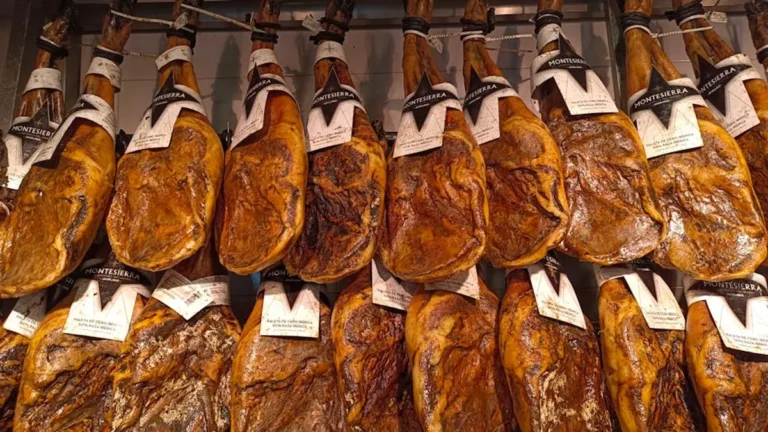
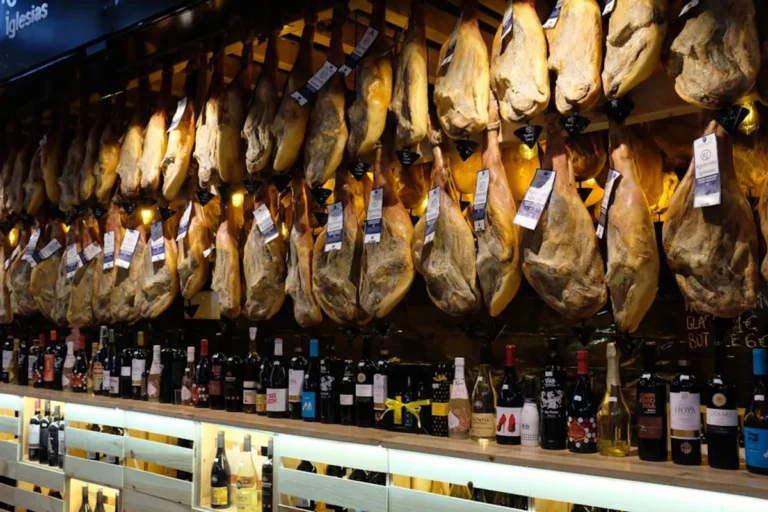
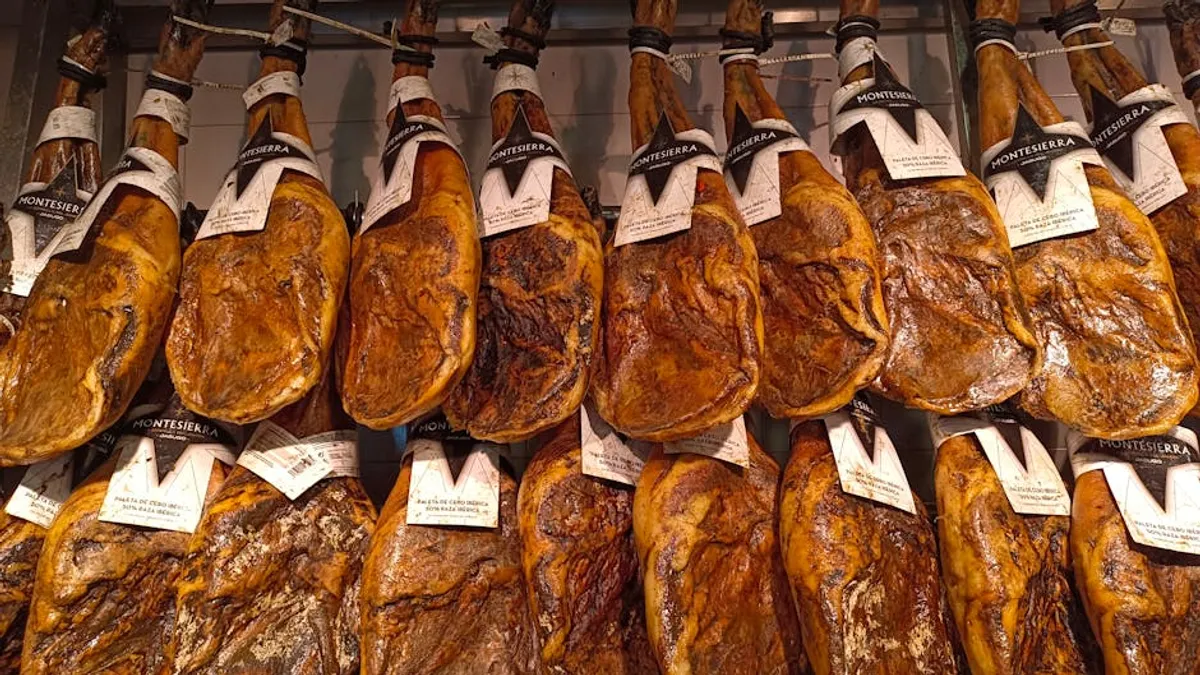
Central to Spanish gastronomy are its cured hams, particularly Jamón Ibérico. Derived from black Iberian pigs fed on acorns (bellota), this ham boasts a rich, nutty flavor and a melt-in-your-mouth texture due to its intramuscular fat. Other significant cured meats include chorizo (paprika-spiced sausage), salchichón (peppered sausage), and lomo (cured pork loin), each offering distinct profiles that are often enjoyed simply, thinly sliced, with bread and cheese.
Regional Culinary Signatures
Spain's geography and history have fostered distinct culinary traditions in each of its autonomous communities. Exploring these regional differences unveils the true depth of Spanish food.
- Galicia (Northwest): Renowned for its exceptional seafood, including octopus (pulpo a la gallega), scallops, and barnacles. The cool, wet climate also supports dairy farming, yielding distinctive cheeses.
- Basque Country (North): A gastronomic powerhouse famous for its pintxos (small, artfully prepared snacks often served on bread), grilled meats, and innovative fine dining. Cod preparations are a specialty.
- Catalonia (Northeast): Features a blend of mountain and sea ingredients. Signature dishes include pa amb tomàquet (bread with tomato), botifarra (sausage), and crema catalana (custard dessert).
- Andalusia (South): Known for its fried fish (pescaíto frito), gazpacho (cold tomato soup), and sherry wine. Olive oil production is central to the region's identity.
- Castilla y León (Central): Specializes in hearty roasted meats like suckling pig (cochinillo asado) and lamb (cordero asado), reflecting its colder inland climate.
Essential Ingredients and Flavor Profiles
Several core ingredients and flavor combinations define the essence of Spanish cooking:
- Olive Oil: The bedrock of Spanish cuisine, used for cooking, dressing, and as a condiment. Spain is the world's largest producer.
- Garlic and Onion: Form the aromatic base (sofrito) for countless dishes, providing depth and sweetness.
- Paprika (Pimentón): Available in sweet (dulce), spicy (picante), and smoked (ahumado) varieties, it's crucial for chorizo, paella, and many stews.
- Saffron: The world's most expensive spice, imparting a distinctive golden hue and subtle floral aroma to rice dishes like paella.
- Tomatoes: Used fresh in salads, as a base for sauces, and famously in gazpacho and pa amb tomàquet.
- Wine and Sherry Vinegar: Integral for deglazing, marinades, and enhancing sauces. Sherry vinegar, with its complex, aged notes, is particularly prized.
Navigating Spanish Dining Etiquette
Understanding local dining customs enhances the experience and helps avoid missteps.
Pro Tip: Meal times in Spain are generally later than in many other countries. Lunch (almuerzo) typically starts between 2:00 PM and 3:00 PM, and dinner (cena) rarely begins before 9:00 PM, often extending to 10:00 PM or later. Plan your meals accordingly, and consider a mid-afternoon snack (merienda) if needed.
Tapas are meant for sharing and socializing, often eaten standing at a bar. When ordering, distinguish between tapa (a small portion), media ración (a medium portion), and ración (a larger, full portion suitable for sharing). Service charges and tips are usually included in the bill, though leaving a small additional tip for excellent service is common but not mandatory.
Mastering Your First Spanish Meal
Approaching Spanish cuisine as a beginner means embracing its diversity and the communal aspect of eating. Start with classic dishes, then venture into regional specialties. Engage with local vendors, ask questions, and don't be afraid to try new things. The true essence of Spanish food lies not just in the ingredients and recipes, but in the shared experience around the table.
Frequently Asked Questions
What is the difference between tapas and pintxos?
Tapas are small plates or appetizers served across Spain, often as a complimentary snack with a drink or ordered individually. Pintxos (or pinchos) originate from the Basque Country and are typically small snacks, often served on a slice of bread and pierced with a skewer or toothpick. Pintxos are usually paid for individually, sometimes by counting the toothpicks.
Is Spanish food generally spicy?
No, Spanish food is not typically spicy in the way Mexican or Thai cuisine can be. While paprika (pimentón) is a common ingredient, the spicy variety (picante) is used judiciously. Heat levels are generally mild, focusing more on rich, savory, and aromatic flavors.
What are common Spanish drinks to pair with food?
Popular drinks include local wines (red, white, and rosé), sherry (especially Fino or Manzanilla with tapas), beer (cerveza), and cider (sidra) in regions like Asturias. Sangria is a festive option, but many Spaniards prefer wine or beer with their meals.
Are there vegetarian options in Spanish cuisine?
While meat and seafood are prominent, Spanish cuisine offers many vegetarian-friendly dishes. Look for vegetable-based tapas like patatas bravas (potatoes with spicy sauce), pimientos de Padrón (fried green peppers), tortilla española (if made without meat), gazpacho, and various salads and vegetable stews (guisos de verduras).