Developing effective content for niche markets like Spanish cuisine requires more than just culinary knowledge; it demands a structured approach to ensure discoverability, relevance, and commercial utility. A Spanish food guide checklist serves as a strategic framework, guiding content creators, SEOs, and marketers through the intricate landscape of a rich culinary tradition. This isn't merely a list of dishes, but a systematic tool designed to optimize content from conception to publication, ensuring it meets specific audience needs, aligns with search intent, and capitalizes on commercial opportunities within the food travel and gastronomic sectors.
Strategic Foundations for Your Spanish Food Checklist
Before detailing specific content elements, establish the strategic pillars that will define your checklist's utility. A well-constructed checklist begins with a clear understanding of its purpose within your broader content strategy.
Identifying Target Audiences and Search Intent
Effective content speaks directly to its intended audience. For Spanish food, this audience can range from adventurous travelers seeking authentic local experiences to home cooks looking for traditional recipes, or even culinary professionals researching regional specialties. Your checklist must prompt an explicit definition of these segments and their corresponding search intent:
- Informational Intent: Users seeking knowledge (e.g., "history of paella," "types of Spanish cheese"). Checklist items should ensure comprehensive, accurate, and well-sourced information.
- Navigational Intent: Users looking for a specific entity (e.g., "best tapas bar in Seville," "recipe for tortilla española from Chef José Andrés"). Checklist items should verify clear pathways to specific resources or locations.
- Commercial/Transactional Intent: Users ready to buy or engage (e.g., "Spanish food tour Madrid," "buy jamón ibérico online," "cooking classes Barcelona"). Checklist items must confirm calls to action, product availability, and conversion pathways.
- Local Intent: Users seeking nearby options (e.g., "Spanish restaurants near me," "Spanish grocery store London"). Checklist items should ensure integration of local SEO signals, such as schema markup for businesses and location-specific keywords.
Each content piece should clearly address one or more of these intents, and your checklist should include prompts to confirm this alignment.
Pinpointing Commercial Opportunities
Beyond informational value, Spanish food content offers numerous commercial avenues. Your checklist should guide the identification and integration of these opportunities:
Best for: Affiliates, e-commerce, lead generation
- Product Integration: Opportunities to link to specific Spanish ingredients, cooking tools, or gourmet products.
- Tour & Experience Promotion: Highlighting culinary tours, cooking classes, or tasting experiences.
- Restaurant & Bar Partnerships: Featuring specific establishments, especially for local guides or reviews.
- Recipe Card Monetization: Ensuring recipe content is structured for easy printing or saving, often with ingredient purchase links.
- Travel Accommodation Integration: Suggesting hotels or guesthouses near notable food destinations.
Each checklist item here should ensure that commercial touchpoints are naturally woven into the content, providing value to the reader while serving business objectives.
Essential Data Points for a Comprehensive Checklist
Once strategic foundations are set, the checklist must delve into the specific content and technical elements necessary for execution.
Core Keyword Research Integration
A Spanish food guide checklist must mandate thorough keyword research for each content piece. This includes:
- Primary Keyword: The main search term the content targets.
- Secondary Keywords: Related terms and long-tail variations that enrich content and capture diverse queries.
- Semantic Keywords: LSI (Latent Semantic Indexing) keywords that provide context and demonstrate topical authority.
- Question-Based Keywords: Queries phrased as questions, often indicating informational intent (e.g., "What is the difference between paella and arròs negre?").
- Geographic Modifiers: Incorporating city, region, or country names where relevant (e.g., "Galician seafood empanada recipe").
Each content piece should map directly to a cluster of these keywords, verified by the checklist.
Regional Specificity and Authenticity Markers
Spanish cuisine is highly regional. Authenticity is paramount for establishing authority and trust. Your checklist needs to ensure:
- Origin Verification: Clearly stating the region or city a dish originates from (e.g., "Paella Valenciana," "Rioja wine").
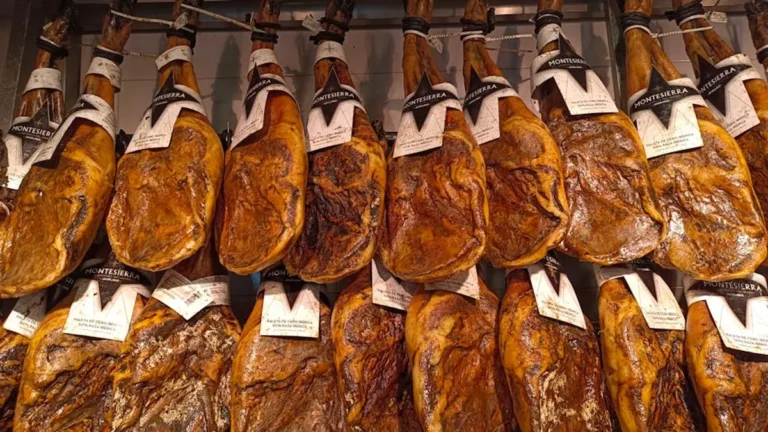
- Ingredient Sourcing: Mentioning traditional or protected designation of origin (PDO) ingredients (e.g., "Jamón Ibérico de Bellota," "Pimentón de la Vera").
- Cultural Context: Including historical anecdotes, local customs, or traditional serving methods that add depth.
- Language Nuances: Correct use of Spanish terms, including regional variations where appropriate (e.g., "pintxos" in Basque Country vs. "tapas" elsewhere).
Content Format and Structure Requirements
The checklist should guide the structural integrity of the content for readability and SEO:
- Clear Headings (H2, H3, H4): Logical hierarchy for scannability and topic organization.
- Rich Media Integration: Requirements for high-quality images, videos, or infographics demonstrating dishes or processes.
- Internal Linking Strategy: Connecting related content within your site to build topical authority and improve user navigation.
- External Linking Policy: Citing authoritative sources for facts, recipes, or cultural information.
- Readability Metrics: Ensuring content is accessible to its target audience, avoiding overly complex jargon without explanation.
On-Page SEO and Technical Considerations
For content to perform, it must be technically optimized:
- Meta Title & Description: Optimized for keywords and click-through rates.
- URL Structure: Clean, keyword-rich, and user-friendly.
- Image Alt Text: Descriptive and keyword-inclusive for accessibility and search.
- Schema Markup: Implementing appropriate schema (e.g., Recipe schema, LocalBusiness schema, Product schema) to enhance visibility in SERPs.
- Mobile Responsiveness: Verifying content displays correctly and loads quickly on all devices.
Pro Tip: Avoid the common pitfall of treating "Spanish food" as a monolithic entity. Spain's culinary landscape is a mosaic of distinct regional traditions. A robust checklist will always prompt for regional specificity, ensuring content accurately reflects the diversity and nuances of dishes from Andalusia, Catalonia, Galicia, and beyond. Generic content risks losing authenticity and failing to capture highly specific, high-intent searches.
Implementing and Scaling Your Checklist
A checklist is only valuable if consistently applied and integrated into your content production pipeline.
Workflow Integration and Team Assignment
The checklist should be a mandatory step in your content workflow. Assign clear responsibilities:
- Content Strategist: Responsible for initial audience and intent alignment, commercial opportunity identification.
- SEO Specialist: Oversees keyword research, technical SEO, and schema implementation.
- Writer/Editor: Ensures content quality, regional authenticity, and adherence to structural requirements.
- Publisher: Final check for all elements before live deployment.
This ensures accountability and reduces the chance of critical steps being missed.
Performance Measurement and Iteration
Post-publication, the checklist's effectiveness must be measured. Include items for:
- Traffic Analysis: Monitoring organic search traffic to checklist-guided content.
- Engagement Metrics: Tracking time on page, bounce rate, and user interactions.
- Conversion Tracking: Measuring commercial outcomes (e.g., affiliate clicks, lead form submissions, product sales).
- SERP Position Monitoring: Observing keyword rankings for targeted terms.
Regular review of these metrics allows for iterative improvements to both the content and the checklist itself, ensuring it remains a dynamic, effective tool.
Driving Authority and Conversions with Your Spanish Food Content
A meticulously developed and consistently applied Spanish food guide checklist transforms content creation from an ad-hoc process into a strategic operation. By systematically addressing audience intent, commercial opportunities, regional authenticity, and technical SEO, you build content that not only ranks but also resonates deeply with users. This structured approach fosters topical authority, enhances user experience, and ultimately drives measurable business outcomes, positioning your content as a definitive resource in the competitive culinary space.
Frequently Asked Questions
Why is a specialized checklist crucial for Spanish food content?
A specialized checklist ensures content goes beyond generic descriptions, capturing the rich regional variations, cultural nuances, and specific commercial opportunities unique to Spanish cuisine. This precision enhances relevance for search engines and builds trust with an informed audience.
How does a checklist improve content quality for this niche?
By enforcing a structured review of elements like authentic ingredient sourcing, regional context, and specific keyword integration, a checklist elevates content from basic information to an authoritative, comprehensive resource, addressing user needs more effectively and reducing factual errors.
What are key metrics to track when using such a guide?
Key metrics include organic search visibility for targeted keywords, user engagement (time on page, bounce rate), conversion rates for commercial elements (e.g., affiliate links, tour bookings), and the overall growth of topical authority within the Spanish food niche.
Can this methodology adapt to evolving food trends?
Yes, the checklist framework is inherently adaptable. By incorporating review cycles for keyword research, audience intent, and regional relevance, the checklist can be updated to reflect new culinary trends, emerging ingredients, or shifts in consumer interest, ensuring content remains current and competitive.