Understanding Effective Spanish Food Guides
Creating or analyzing Spanish food guides requires understanding what constitutes utility for a diverse audience, from casual travelers to dedicated culinary enthusiasts. An effective guide moves beyond simple lists of dishes, instead providing context, practical advice, and a structured approach to discovery. For publishers and content creators, this means designing content that addresses specific user intent, whether that's planning a trip, understanding regional specialties, or simply learning more about Spanish culinary culture. The goal is to offer actionable insights and enrich the user's experience, translating into higher engagement and authority for the content producer.
Categorizing Spanish Food Guide Formats
Spanish food guides manifest in various formats, each serving distinct purposes and targeting different user needs. Recognizing these categories helps in structuring content for maximum impact and discoverability. The most impactful guides often combine elements from several categories to offer a comprehensive resource.
Regional Culinary Explorations
Guides focused on specific Spanish regions, such as "Basque Country Pintxos Guide" or "Andalusian Tapas Trail," excel by offering hyper-localized detail. These guides provide a deep dive into the unique ingredients, preparation methods, and dining customs that define a particular area. They often include:
- Signature Dishes: Detailed descriptions of must-try local specialties.
- Local Ingredients: Information on produce, meats, or seafood unique to the region.
- Dining Etiquette: Specific customs for ordering, sharing, or tipping in that area.
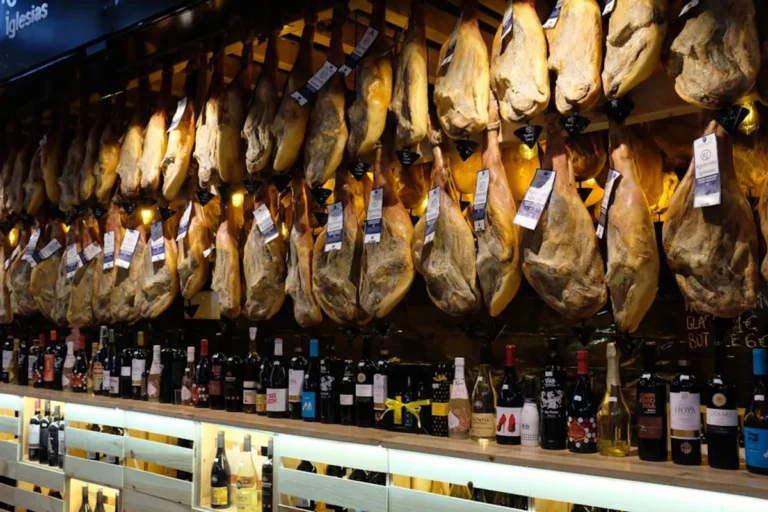
- Market Insights: Recommendations for local markets to visit and what to look for.
- Seasonal Variations: How the local culinary scene changes throughout the year.
Best for: Travelers seeking authentic local experiences and content creators aiming for niche authority.
Dish-Specific Deep Dives
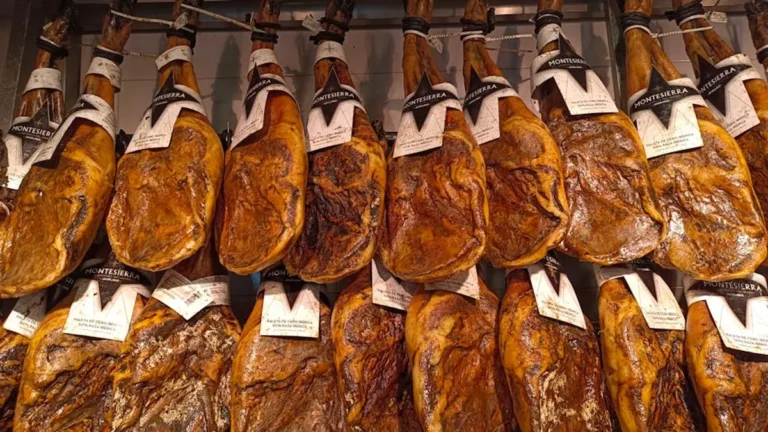
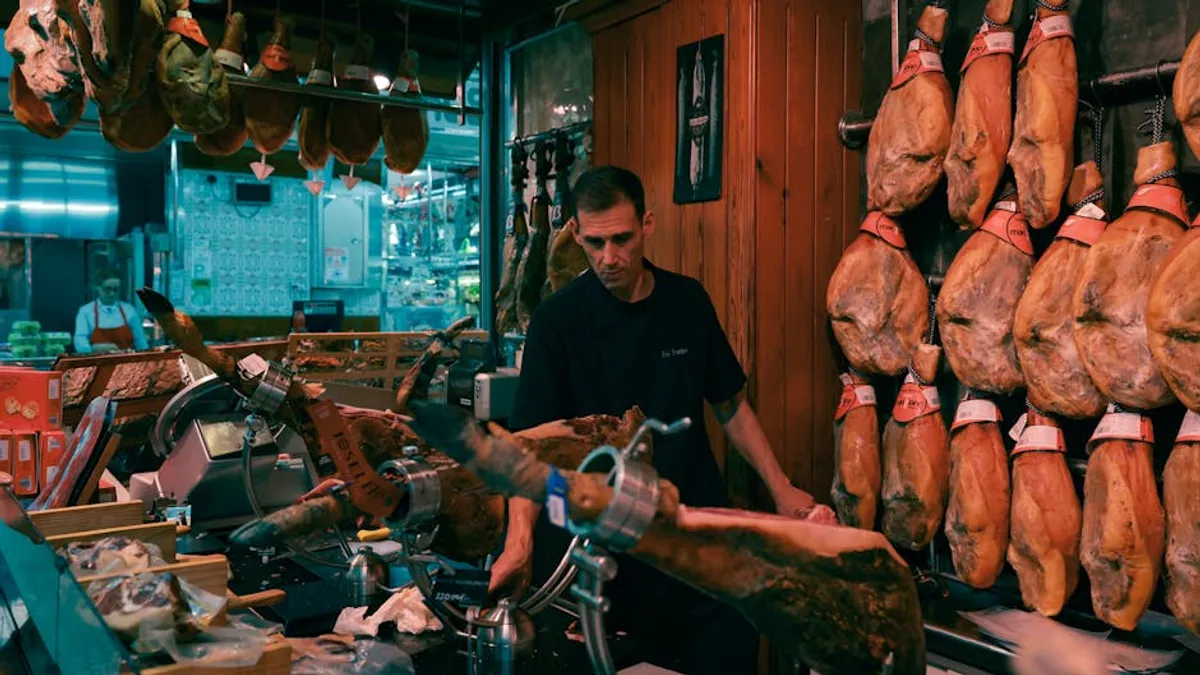
Guides dedicated to a single iconic Spanish dish, like "The Ultimate Paella Guide" or "Understanding Jamón Ibérico," cater to users with precise informational needs. These guides dissect the dish, covering its history, regional variations, proper preparation, and how to identify quality. They are particularly effective for audiences looking to understand a specific culinary item thoroughly.
Best for: Culinary students, home cooks, and users researching specific food items for purchase or preparation.
Experiential Food Journeys
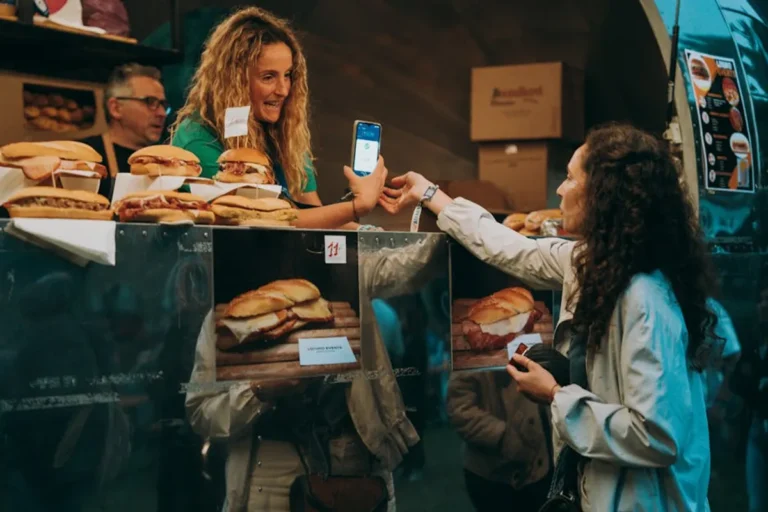
These guides focus on the immersive aspects of Spanish food culture, moving beyond just what to eat to how to experience it. Examples include "Navigating a Madrid Tapas Crawl" or "A Guide to Spanish Food Festivals." They provide practical steps and recommendations for engaging with the local food scene.
Best for: Tourists looking for interactive experiences and content creators building travel itineraries.
Practical Culinary Glossaries and Phrasebooks
A utility-focused guide, such as "Essential Spanish Food Terms for Travelers" or "Ordering in a Spanish Restaurant: A Phrase Guide," directly addresses communication barriers. These resources provide translations, pronunciations, and contextual usage for food-related vocabulary, empowering users to navigate menus and conversations confidently.
Best for: First-time visitors, language learners, and anyone needing immediate practical assistance in dining situations.
Pro Tip: When developing a Spanish food guide, integrate interactive elements where possible. Maps with pinned restaurant recommendations, audio pronunciations for difficult dish names, or short video clips demonstrating a culinary technique significantly enhance user engagement and guide utility. This transforms static information into a dynamic resource, providing tangible value beyond simple text.
Key Components for Guide Effectiveness
Regardless of the format, several elements consistently contribute to an effective Spanish food guide. These components ensure the guide is comprehensive, trustworthy, and genuinely helpful to its target audience.
Authenticity and Cultural Context
A superior guide grounds its recommendations in genuine Spanish culinary traditions. This involves explaining the historical significance of dishes, the role of food in social gatherings, and regional variations that reflect local customs. For instance, explaining why paella is traditionally a lunch dish in Valencia, or the social ritual of a tapas crawl, adds depth that generic lists lack.
Practical and Actionable Information
Effective guides provide more than just descriptions; they offer clear, actionable advice. This includes specific restaurant recommendations (with notes on ambiance or specialty), tips for ordering, advice on avoiding tourist traps, and guidance on navigating local markets. Details like typical portion sizes, payment methods, or reservation etiquette elevate a guide from informative to indispensable.
Visual Appeal and Structure
High-quality photography is crucial for food guides, showcasing dishes, markets, and dining environments. Beyond aesthetics, a well-structured guide uses clear headings, bullet points, and consistent formatting to improve readability. Maps, infographics, and highlighted "must-try" sections help users quickly absorb key information and plan their culinary adventures effectively.
Integration of User-Generated Content and Reviews
While not always directly part of the guide itself, referencing or incorporating insights from local experts, chefs, or even aggregated user reviews can bolster a guide's credibility. This demonstrates a comprehensive understanding of the culinary landscape and acknowledges the dynamic nature of local dining scenes.
Optimizing Guide Utility
To maximize the utility of any Spanish food guide, consider how it addresses common user pain points and enhances their overall experience. This involves anticipating questions, providing solutions, and offering a clear path for further exploration.
For content creators, this means structuring guides not just around topics, but around user journeys. A guide on "Best Tapas in Seville" should not only list establishments but also suggest an efficient route, explain how to order multiple rounds, and advise on peak times. Similarly, a guide on "Spanish Cheeses" could include pairing suggestions and where to purchase them, turning information into practical application.
Ultimately, a successful Spanish food guide serves as a trusted companion, empowering its audience to confidently explore and appreciate the rich tapestry of Spanish cuisine.
Frequently Asked Questions
What makes a Spanish food guide "authentic"?
Authenticity in a Spanish food guide comes from focusing on traditional recipes, regional specialties, and local dining customs, often incorporating insights from native chefs or residents. It avoids generalizing dishes across regions and respects the historical and cultural context of the cuisine.
Should a food guide include recipes?
Including recipes depends on the guide's primary purpose. Dish-specific guides or those targeting home cooks benefit greatly from recipes. For travel-focused guides, offering links to authentic recipes or suggesting cooking classes can be a more practical approach.
How often should a Spanish food guide be updated?
Food guides, especially those with restaurant recommendations or market information, should be reviewed and updated annually. Dining scenes change, establishments open or close, and local preferences evolve, necessitating regular content refreshes to maintain accuracy and relevance.
Is it better to focus on a region or a specific dish?
The choice depends on the target audience and content goals. Regional guides appeal to travelers planning trips, offering a broad culinary overview. Dish-specific guides attract users with focused interests, such as learning to cook paella or understanding jamón, providing deep, specialized knowledge.