Creating an authoritative Spanish food guide offers significant commercial opportunities, from attracting targeted organic traffic to establishing thought leadership in the culinary travel niche. However, many content creators inadvertently undermine their efforts by falling prey to common inaccuracies. These aren't just minor factual errors; they are credibility killers that diminish search visibility, increase bounce rates, and ultimately impact monetization potential. Understanding and rectifying these mistakes is critical for any publisher aiming to produce a guide that resonates authentically with readers and performs effectively in search engine results.
Overlooking Regional Diversity
One of the most pervasive mistakes in Spanish food guides is presenting "Spanish cuisine" as a monolithic entity. Spain's culinary landscape is profoundly diverse, shaped by distinct geographical regions, historical influences, and local ingredients. A guide that treats Spanish food as uniform misses the essence of its richness.
Assuming a Monolithic "Spanish Food"
The assumption that a single set of dishes or ingredients defines all of Spain leads to generic, unengaging content. Readers seeking information on specific regional delicacies, such as pintxos from the Basque Country, fabada asturiana from Asturias, or calçots from Catalonia, will find broad overviews unhelpful. This failure to differentiate directly impacts long-tail keyword targeting, reducing the guide's ability to capture highly specific and commercially valuable search queries. Without regional specificity, a guide competes in a much broader, more saturated keyword space, making it harder to rank and attract qualified traffic.
Ignoring Local Specialties and Ingredients
Each region boasts unique ingredients and preparations. For example, olive oil varieties differ significantly between Andalusia and Catalonia, and seafood preparations vary wildly along the extensive coastline. A guide that fails to highlight these nuances misses opportunities to provide unique value. This leads to content that is indistinguishable from competitors, preventing a site from establishing itself as an authoritative source for nuanced information. Authenticity drives engagement, and ignoring local distinctions dilutes that authenticity, leading to higher bounce rates as users quickly realize the content lacks depth.
Misidentifying Core Ingredients
Accuracy in ingredient identification is paramount. Spanish cuisine relies on specific, often high-quality, components. Misrepresenting or incorrectly substituting these can fundamentally alter the perceived authenticity and utility of a food guide.
Confusing Similar Products
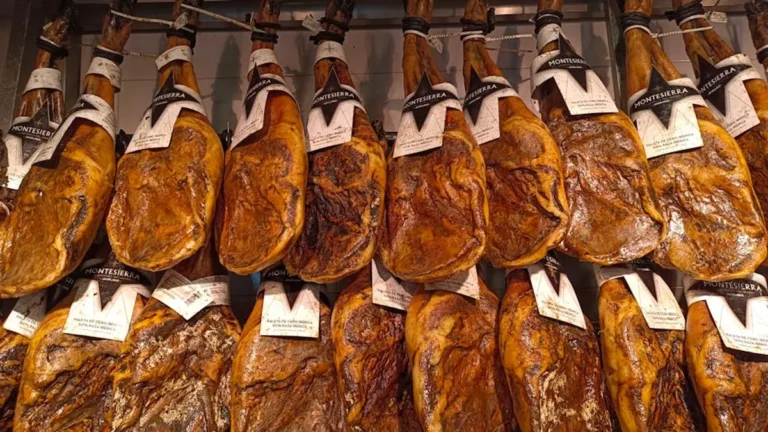
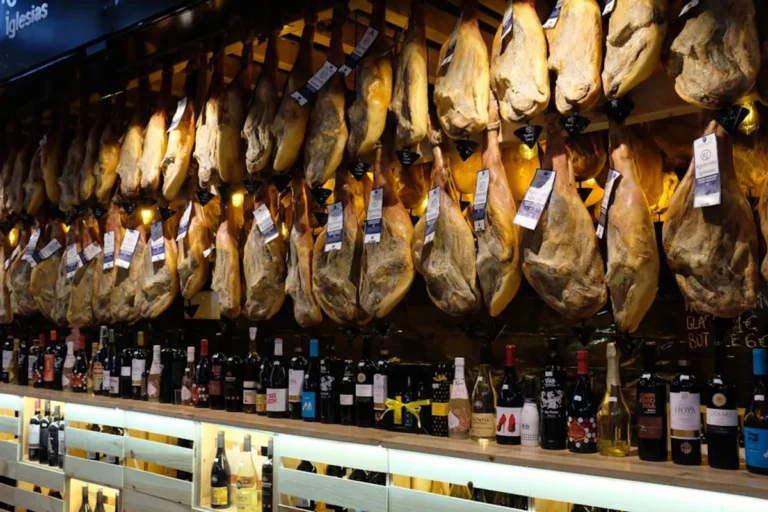
A common error involves confusing similar but distinct ingredients, such as different types of cured ham (jamón serrano vs. jamón ibérico) or olive oils (extra virgin vs. virgin). These distinctions are crucial for culinary accuracy and for readers attempting to replicate dishes. Incorrectly labeling or describing these can mislead readers, resulting in unsatisfactory culinary experiences and a loss of trust in the guide's information. For commercial content, this can translate to failed affiliate recommendations if readers purchase the wrong product based on inaccurate descriptions.
Underestimating Ingredient Quality Impact
Spanish cuisine often emphasizes the quality and freshness of a few key ingredients over complex preparations. A guide that doesn't stress the importance of, for example, specific paprika varieties for chorizo or fresh, local seafood for paella, fails to convey a fundamental aspect of the cuisine. This oversight can lead readers to use inferior substitutes, resulting in dishes that don't taste authentic. Commercially, this diminishes the guide's value as a resource for achieving genuine culinary results, impacting its long-term utility and shareability.
Inaccurate Preparation and Serving Descriptions
Beyond ingredients, the methods of preparation and the cultural context of serving food are vital components of any authentic Spanish food guide. Errors here can be particularly jarring for informed readers.
Describing Dishes Incorrectly
Mistakes in describing how a dish is prepared or what its typical characteristics are can severely damage a guide's credibility. For instance, describing a tortilla española as a fluffy omelet rather than a dense, potato-and-egg frittata-like dish reveals a fundamental misunderstanding. Such inaccuracies lead to reader confusion and frustration, as expectations are not met. This directly impacts user experience metrics, which search engines factor into ranking algorithms.
Misrepresenting Meal Times and Customs
Spanish meal times and dining customs differ significantly from many other cultures. Lunch (la comida) is the main meal, often eaten later in the afternoon, and dinner (la cena) is typically lighter and much later. A guide that fails to accurately describe these customs, or mischaracterizes tapas as a full meal rather than a social eating experience, misses crucial cultural context. This not only misinforms travelers but also presents an inauthentic picture, reducing the guide's perceived authority and utility for those planning a trip or seeking cultural insights.
Pro Tip: Always cross-reference culinary terms and regional dish names with native Spanish speakers or reputable, localized sources. Direct translation tools often miss crucial cultural context, leading to misinterpretations that undermine your guide's authenticity and authority.
Terminology and Translation Pitfalls
Language accuracy is non-negotiable for an effective Spanish food guide. Incorrect terminology or culturally inappropriate translations can quickly erode trust.
Direct Translations Versus Cultural Context
Relying solely on direct translations without understanding cultural context is a common pitfall. For example, translating "tapas" as "appetizers" loses the unique social and culinary significance of the Spanish tradition. Similarly, misusing terms like raciones or pinchos can confuse readers about portion sizes and dining styles. This lack of cultural nuance makes a guide seem amateurish and unreliable, directly impacting its ability to attract and retain an informed audience. Content that demonstrates deep cultural understanding is more likely to be shared and cited, boosting its organic reach.
Misusing Culinary Terms
Specific culinary terms often have precise meanings that, if misused, can lead to confusion. For instance, confusing sofrito (a base of sautéed aromatics) with a simple tomato sauce, or mislabeling cuts of meat, demonstrates a lack of expertise.
- Incorrectly using regional dialect terms without context.
- Failing to explain the difference between similar-sounding dishes.
- Providing inaccurate phonetic guides for difficult words.
These errors signal to readers that the guide lacks meticulous research, undermining its authority and making it less likely to be considered a definitive resource. For SEO, this can mean a guide fails to rank for specific, precise queries that an expert would use.
Neglecting Dietary Needs and Allergens
In today's diverse culinary landscape, guides must address dietary restrictions responsibly. Failing to do so limits audience reach and can even pose health risks for readers.
Omitting Gluten-Free or Vegetarian Options
Many travelers and diners have specific dietary requirements. A Spanish food guide that ignores common dietary needs, such as gluten-free, vegetarian, or vegan options, immediately alienates a significant segment of the potential audience. While traditional Spanish cuisine may be meat-heavy, many regions offer excellent plant-based dishes or can adapt. Providing information on how to navigate menus for these needs adds immense value and broadens the guide's appeal, leading to increased organic traffic from those specific search queries.
Failing to Address Common Allergens
For individuals with allergies, accurate information is critical. Mentioning common allergens like nuts, shellfish, or dairy in the context of specific dishes is not just helpful; it's a responsible practice. A guide that overlooks this aspect risks providing incomplete or potentially harmful information. While not every dish can be exhaustively cataloged for allergens, general warnings or advice on how to inquire about ingredients can enhance the guide's utility and trustworthiness. This builds a reputation for thoroughness and care, which are valuable commercial assets.
Building Authoritative Spanish Food Content
Avoiding these common mistakes is not merely about factual correctness; it is a strategic imperative for any content creator aiming for commercial success. Each error diminishes credibility, narrows audience reach, and reduces the potential for organic traffic and monetization. By meticulously addressing regional diversity, ingredient accuracy, preparation methods, linguistic nuances, and dietary considerations, publishers can create Spanish food guides that stand out as authoritative, engaging, and genuinely useful resources. This commitment to detail fosters reader trust, improves search engine performance, and ultimately drives greater commercial value from your content.
FAQ
Why is regional diversity so important in Spanish food guides?
Spain's culinary traditions are deeply regional, with distinct dishes and ingredients unique to each area. Ignoring this diversity results in generic content that fails to capture specific long-tail search intent and alienates readers seeking authentic, localized information, impacting organic traffic and perceived authority.
How can I verify ingredient authenticity for my guide?
To verify ingredient authenticity, consult reputable Spanish culinary resources, cross-reference with native Spanish chefs or food writers, and prioritize sources that specify regional origins for products like olive oil, cured meats, and cheeses. This ensures accuracy and enhances your guide's credibility.
What's the best way to handle Spanish culinary terms?
Explain Spanish culinary terms within their cultural context rather than relying on direct translations. Provide clear definitions, explain their significance, and offer phonetic guidance where necessary. This approach educates readers and prevents confusion, establishing your guide as an expert resource.
How do mistakes in a food guide impact SEO?
Mistakes in a food guide erode reader trust, leading to higher bounce rates and lower engagement, which negatively signal to search engines about content quality. Inaccuracies also prevent effective targeting of specific, valuable long-tail keywords, ultimately limiting organic visibility and potential for commercial success.