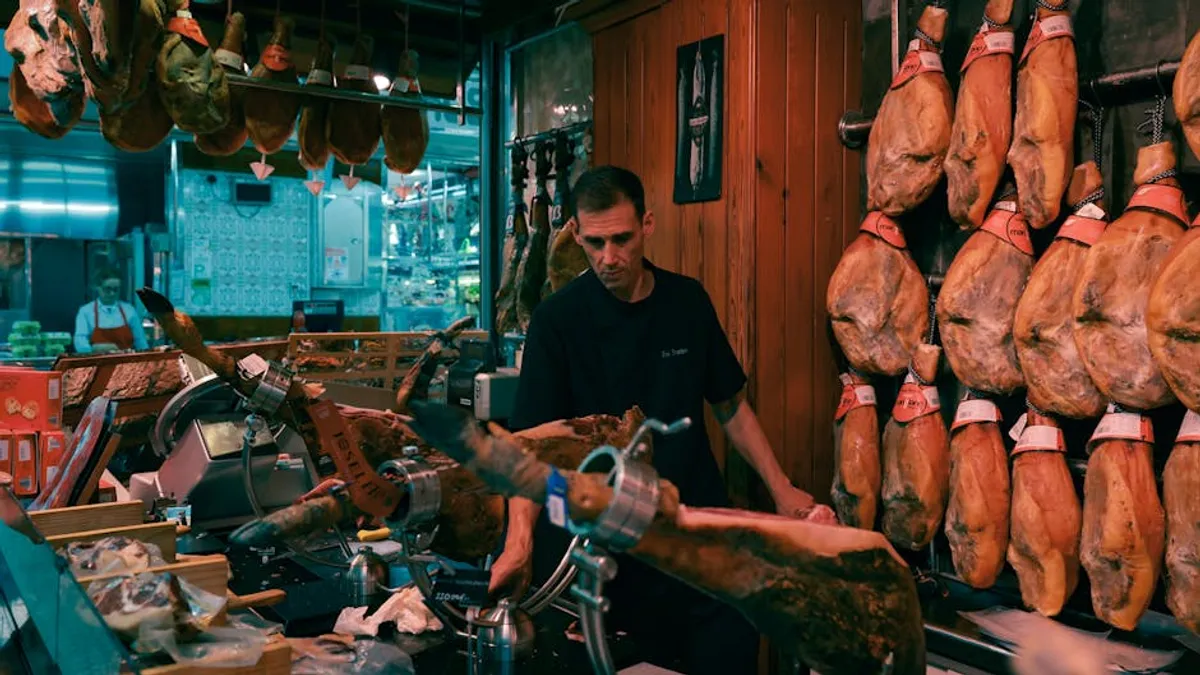
Developing a comprehensive Spanish food guide requires more than just listing dishes; it demands strategic content planning, a deep understanding of regional culinary distinctions, and a clear path to discoverability. For publishers and marketers, the goal is to create a resource that not only informs and inspires but also attracts and retains a relevant audience, ultimately driving traffic and engagement. This involves meticulous research, adherence to cultural authenticity, and technical optimization to ensure the guide reaches its intended readers.
Navigating Regional Spanish Cuisine for Content Depth
Spanish cuisine is not monolithic; it's a tapestry of distinct regional traditions, ingredients, and preparation methods. A compelling food guide must reflect this diversity to provide genuine value and authority. Generic descriptions of "tapas" or "paella" fall short when audiences seek specific, authentic information.
Content Focus: Instead of broad categories, segment your guide by autonomous communities or historical regions. For instance, differentiate between Galician seafood, Asturian fabada, Catalan pa amb tomàquet, Valencian paella, and Andalusian gazpacho. Each region offers unique culinary narratives, ingredient profiles, and serving customs that enrich the user experience and provide distinct keyword opportunities.
Ingredient Sourcing and Authenticity: Discussing specific ingredients and their regional origins adds another layer of depth. For example, mention the specific types of paprika used in Extremaduran dishes or the varieties of olive oil prevalent in Andalusia. This level of detail not only educates the reader but also signals expertise to search engines, positioning the guide as a reliable resource.
Optimizing Guide Content for Search Discoverability
A well-researched Spanish food guide needs robust SEO to connect with its audience. This involves more than just keyword stuffing; it requires understanding user intent and structuring content for both readability and crawlability.
Targeting Specific Search Queries
Conduct thorough keyword research beyond high-volume terms like "Spanish food." Explore long-tail keywords related to specific dishes, ingredients, regional specialties, and dietary considerations (e.g., "gluten-free paella Valencia," "best tapas bars Seville," "how to make tortilla de patatas without onion"). These specific queries often indicate higher purchase intent or a deeper need for information, leading to more qualified traffic.
- Dish-Specific Keywords: Focus on individual dishes like "gambas al ajillo recipe," "patatas bravas origin," or "pulpo a la gallega ingredients."
- Regional Keywords: Combine dishes with their regions, such as "Rioja wine pairing food," "Canarian mojo picon recipe," or "Basque pintxos guide."
- Intent-Based Keywords: Include terms reflecting user intent, e.g., "Spanish cooking classes Madrid," "best Spanish food tours Barcelona," or "authentic Spanish restaurant guide."
Implementing Structured Data Markup
Utilize schema.org markup to provide context to search engines about your content. For recipes, implement Recipe schema, including details like ingredients, preparation steps, cooking time, and nutritional information. For restaurant recommendations or local food experiences, use LocalBusiness or Restaurant schema. This markup can enable rich results in search, increasing visibility and click-through rates.
Pro Tip: When detailing specific dishes, ensure your content includes the phonetic pronunciation and common misspellings of Spanish terms. This helps capture a wider range of search queries, especially from users unfamiliar with the language, and improves accessibility.
Visual Content and User Experience
High-quality photography is non-negotiable for a food guide. Visually appealing images of dishes, ingredients, and dining environments enhance engagement and communicate authenticity. Optimize images for web performance (file size, appropriate dimensions) and include descriptive alt text for accessibility and SEO. Beyond images, consider embedding short videos demonstrating cooking techniques or regional food market tours. A mobile-responsive design and clear, intuitive navigation are also critical for a positive user experience, which search engines factor into ranking.
Monetizing Your Spanish Food Guide
A well-trafficked and authoritative Spanish food guide offers several commercial opportunities beyond direct advertising. Strategic integration of these elements can create sustainable revenue streams.
Affiliate Marketing and Product Recommendations
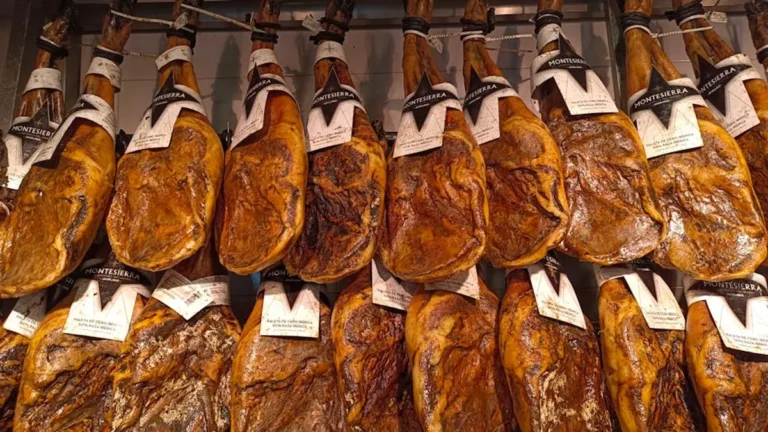
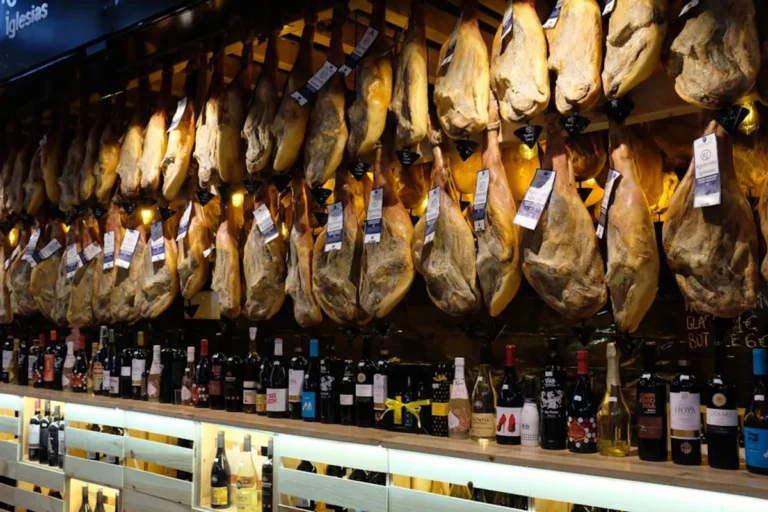
Integrate affiliate links for relevant products. This could include specific Spanish ingredients (e.g., saffron, chorizo, jamón ibérico), kitchen tools used in Spanish cooking (e.g., paella pans, cazuelas), or cookbooks. Focus on products that genuinely enhance the user's experience or ability to recreate dishes, maintaining trust and relevance. For example, link to a highly-rated Spanish olive oil when discussing gazpacho or a specific brand of paprika for a traditional stew.
Partnerships with Local Businesses and Tour Operators
Forge relationships with Spanish restaurants, food tour operators, cooking schools, and specialty food shops. This can involve sponsored content, dedicated sections within your guide, or commission-based referrals. For example, create a "Recommended Food Tours in Barcelona" section that links to vetted partners, or highlight a specific artisanal cheese producer in a regional spotlight. Ensure any sponsored content is clearly disclosed to maintain transparency with your audience.
Premium Content and Digital Products
Consider offering premium content such as downloadable e-cookbooks focused on specific regions, advanced recipe collections, or detailed ingredient guides. Another option is to create digital products like printable meal planners featuring Spanish cuisine or exclusive video tutorials. This can be a direct revenue stream for highly engaged audiences seeking deeper insights.
Building a Definitive Spanish Food Resource
Creating a valuable Spanish food guide is an ongoing process. It requires continuous research into evolving culinary trends, updating regional specifics, and monitoring user feedback and search performance. Prioritize authenticity, detailed content, and a seamless user experience. By consistently delivering high-quality, regionally accurate, and SEO-optimized information, your guide can become a go-to resource for anyone exploring the rich and diverse world of Spanish cuisine, attracting both casual readers and dedicated food enthusiasts.
Frequently Asked Questions
How important is visual content in a food guide?
Visual content, particularly high-quality photography and video, is critical for food guides. It enhances engagement, makes dishes more appealing, and helps convey authenticity. Optimized images also contribute to a better user experience and can improve search visibility.
Should a Spanish food guide focus on traditional or modern cuisine?
An effective guide often balances both. Start with a strong foundation in traditional regional cuisine to establish authority and cater to core search intent. Then, integrate sections on modern interpretations or fusion dishes to attract a broader audience interested in contemporary culinary trends.
What are the key elements of an effective Spanish food guide?
Key elements include deep regional specificity, authentic recipes, high-quality visual content, practical tips for preparation and sourcing, and robust SEO optimization (keyword targeting, structured data). User experience, including mobile-friendliness and clear navigation, is also essential.
How can I ensure the authenticity of the information in my guide?
Authenticity is paramount. Rely on primary sources, consult with native Spanish chefs or food historians, and reference established culinary texts. When possible, experience the cuisine firsthand through travel and local dining to ensure accuracy and cultural nuance in your descriptions.