
Planning a trip to Barcelona requires a structured approach to maximize your experience, given the city's rich tapestry of culture, architecture, and gastronomy. A well-crafted checklist ensures that you not only visit the iconic landmarks but also immerse yourself in the local rhythm, manage logistics efficiently, and uncover unique moments. This guide outlines a strategic framework for building your personalized Barcelona itinerary, focusing on practical considerations for different travel paces and interests, from first-time visitors seeking major sights to seasoned explorers looking for deeper cultural engagement. This guide outlines a strategic framework for building your personalized Barcelona itinerary, offering practical advice for first-time visitors.
Prioritizing Must-See Landmarks and Experiences
Barcelona's appeal often begins with its architectural marvels and historic districts. Effective planning means understanding the scope of these attractions and how to navigate them without feeling rushed.
Gaudi's Architectural Masterpieces
Antoni Gaudí's influence is indelible across Barcelona, creating structures that are both functional and profoundly artistic. The Sagrada Família, while still under construction, is a prime example, drawing millions annually. Booking tickets online weeks in advance is crucial, especially for specific time slots, to avoid extensive queues and ensure entry. Similarly, Park Güell, with its vibrant mosaics and panoramic city views, now operates on a timed entry system for its monumental zone; securing these tickets early is essential. Casa Batlló and La Pedrera (Casa Milà) on Passeig de Gràcia offer distinct interior experiences and rooftop views; consider a combined ticket or an evening visit for a different perspective. These sites often sell out, particularly during peak season (May-September and holiday periods), making pre-purchase a non-negotiable step for efficiency.
Gothic Quarter and El Born Exploration
The labyrinthine streets of the Barri Gòtic and the adjacent El Born district offer a contrast to Gaudí's modernism, presenting centuries of history. The Barcelona Cathedral stands as a central point, with its cloister and rooftop providing historical insight and city views. Near the Cathedral, the Plaça Sant Jaume houses the Generalitat de Catalunya and City Hall, highlighting the city's political heart. El Born, characterized by its bohemian atmosphere, is home to the Picasso Museum, which benefits from advance booking to bypass lines. Walking tours, either guided or self-guided, are the most effective way to absorb the intricate details of these neighborhoods, revealing hidden squares, Roman ruins, and artisan shops. Allocate at least half a day for each district to allow for unhurried discovery.
Montjuïc and Tibidabo: Views and History
For elevated perspectives and a blend of history and recreation, Montjuïc and Tibidabo are key. Montjuïc offers the Magic Fountain (check schedule for shows), Montjuïc Castle with its historical significance and 360-degree views, and various museums like the National Art Museum of Catalonia (MNAC). Access is convenient via cable car from Barceloneta or funicular from Paral·lel metro station. Tibidabo, Barcelona's highest peak, hosts an amusement park and the Temple Expiatori del Sagrat Cor, providing breathtaking vistas of the city and coastline. Reaching Tibidabo involves a combination of metro, funicular, and bus, making it a more significant time commitment but rewarding for its unique offerings.
Culinary Exploration and Local Flavors
Barcelona's culinary scene is as diverse as its architecture, offering everything from traditional tapas to Michelin-starred dining. Integrating food experiences into your checklist enhances cultural immersion.
Tapas and Vermouth Culture
Engaging with Barcelona's tapas and vermouth culture is a cornerstone of the local experience. Neighborhoods like Barceloneta, Gràcia, and Poble Sec are renowned for their authentic tapas bars. Focus on places where locals congregate, often identified by standing room only and lively chatter. Ordering a "vermut" (sweet vermouth) with small plates like patatas bravas, pimientos de Padrón, or pan con tomate provides a genuine taste of Catalan socializing. Many establishments open in the late afternoon for vermouth hour (1-3 PM) and then again for dinner from 8 PM onwards; plan accordingly to avoid tourist-centric dining times.
Boqueria Market and Sant Antoni Market
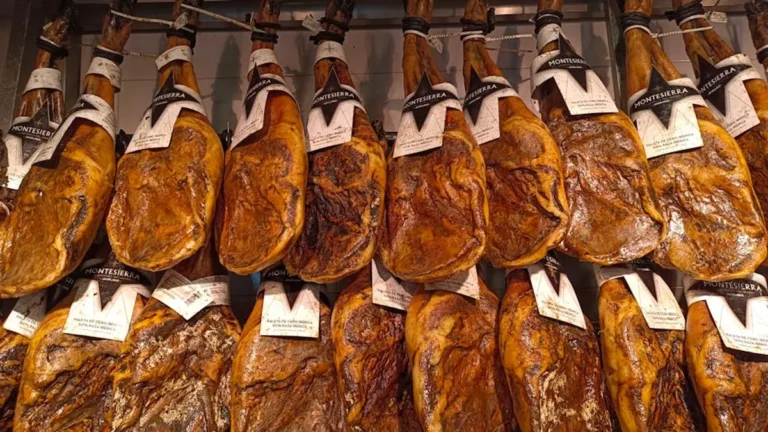
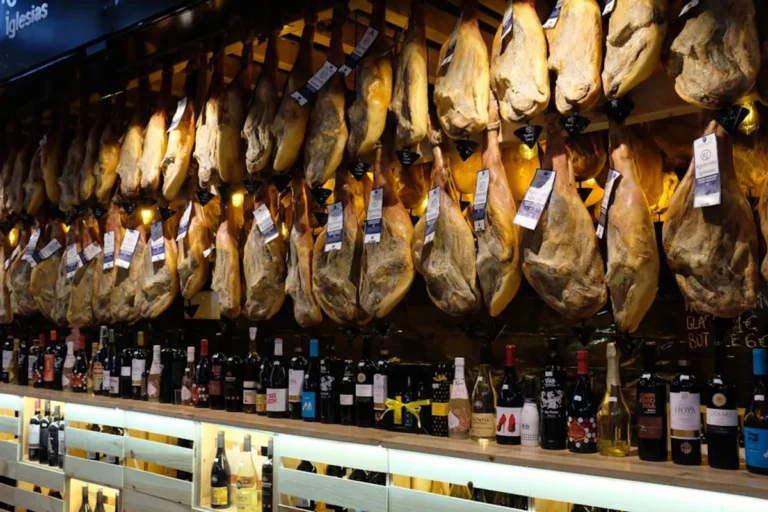
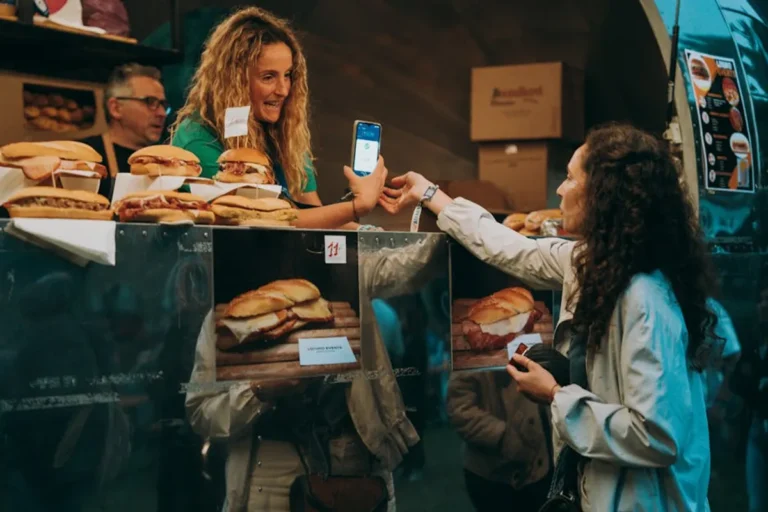
For a sensory overload and a direct connection to local produce, the Mercat de la Boqueria on La Rambla is an essential stop. While bustling and tourist-heavy, it offers fresh juices, seafood, and cured meats. For a more local, less crowded experience, the recently renovated Mercat de Sant Antoni, particularly on Sundays for its book and coin market, provides insight into daily Catalan life. These markets are ideal for grabbing a quick, fresh bite or observing the rhythm of local commerce.
Catalan Cuisine Beyond Tapas
While tapas are ubiquitous, exploring traditional Catalan dishes offers a deeper culinary understanding. Look for restaurants serving authentic paella (often made with seafood or rabbit and snails), fideuà (a noodle-based paella), or fresh seafood from the Mediterranean. Many restaurants offer a "menú del día" (menu of the day) during lunchtime, providing a high-quality, multi-course meal at a fixed, often economical, price. Researching specific restaurant recommendations based on cuisine type and neighborhood before your trip can save time and prevent disappointment.
Cultural Immersion and Unique Experiences
Beyond the major sights and culinary delights, Barcelona offers a range of activities that cater to specific interests, from sports to art and nature.
Flamenco Shows and Live Music
While Andalusia is the heartland of flamenco, Barcelona hosts reputable venues offering authentic performances. Seek out smaller, more intimate tablaos in neighborhoods like El Born or the Gothic Quarter for a genuine experience, often accompanied by a drink or dinner. Booking in advance is recommended, especially for weekend shows. For other live music, check local listings for jazz clubs, rock venues, or classical concerts, which are abundant throughout the city.
FC Barcelona Museum & Camp Nou Experience
For sports enthusiasts, a visit to the FC Barcelona Museum and Camp Nou stadium is a pilgrimage. The tour includes access to the locker rooms, press box, and pitch-side views, culminating in the extensive museum showcasing the club's history and trophies. Tickets can be purchased online to secure entry and preferred time slots, particularly on match days or during popular travel periods. This experience typically requires 2-3 hours.
Day Trips from Barcelona
To broaden your understanding of Catalonia, consider a day trip. Montserrat, a Benedictine monastery nestled in a unique mountain range, offers stunning landscapes, a basilica housing the Black Madonna, and hiking opportunities. It's accessible by train and cable car or rack railway. Another popular option is Sitges, a charming coastal town known for its beaches, art scene, and relaxed atmosphere, easily reached by a short train ride. These excursions provide a change of pace and scenery from the urban environment.
Crafting Your Personalized Barcelona Checklist
A successful trip to Barcelona hinges on meticulous planning, from booking logistics to understanding local customs.
Essential Planning Considerations
Prioritizing key logistical elements ensures a smoother, more enjoyable visit.
- Booking Ahead: Tickets, Tours, and Dining: For high-demand attractions like Sagrada Família, Park Güell, and the Picasso Museum, secure tickets online weeks in advance. Consider guided tours for historical districts to gain deeper insights. For popular restaurants, especially for dinner, make reservations a few days prior.
- Transportation: Metro, Bus, and Walking: Barcelona's public transport system is efficient. A T-Casual card (10 journeys) or Hola Barcelona Travel Card (unlimited travel for 2-5 days) offers cost-effective travel. The city center is highly walkable, making comfortable shoes essential.
- Accommodation Strategy: Choose a neighborhood that aligns with your interests. The Gothic Quarter and El Born are central but can be noisy. Eixample offers elegant architecture and wider streets. Gràcia provides a bohemian, village-like feel.
- Packing Essentials: Layers are key, even in summer, for varying temperatures between day and night or indoors and outdoors. Comfortable walking shoes are paramount. A small crossbody bag or money belt for valuables is advisable, especially in crowded areas.
Pro Tip: To avoid peak crowds at major attractions, aim for the earliest morning entry slots or late afternoon visits. Many sites are significantly quieter during these times, offering a more relaxed viewing experience and better photo opportunities. Always check official websites for current opening hours and any temporary closures.
Optimizing Your Barcelona Visit
Beyond the checklist, a flexible mindset and an openness to local interactions will enrich your trip. While planning provides structure, allowing for spontaneous discoveries – a hidden plaza, an unexpected street performance, or a local festival – can lead to some of the most memorable moments. Engage with locals, even if only with basic Spanish or Catalan phrases; a simple "Hola" or "Gràcies" can open doors. Balance the iconic sights with time spent in less-trafficked neighborhoods, observing daily life and finding authentic experiences away from the main tourist arteries. Your Barcelona checklist should serve as a guide, not a rigid schedule, enabling both efficient exploration and genuine immersion.
Frequently Asked Questions About Visiting Barcelona
How many days are ideal for a Barcelona trip?
A minimum of 3 to 4 full days is recommended to cover the major attractions, experience the distinct neighborhoods, and enjoy some culinary exploration without feeling rushed. For those wishing to include day trips or delve deeper into specific interests, 5 to 7 days provides a more comprehensive experience.
Is Barcelona walkable?
Yes, Barcelona is highly walkable, especially its central districts like the Gothic Quarter, El Born, and Eixample. Many attractions are within reasonable walking distance of each other. Comfortable footwear is essential, and supplementing walking with public transport is efficient for longer distances or reaching areas like Montjuïc or Park Güell.
What's the best way to get around Barcelona?
The metro system is exceptionally efficient, covering most of the city. Buses offer extensive routes, and trams serve specific areas. For cost-effectiveness, consider a multi-day Hola Barcelona Travel Card or a T-Casual card for 10 journeys. Taxis and ride-sharing services are also readily available.
Should I buy attraction tickets in advance?
Absolutely. For popular attractions such as the Sagrada Família, Park Güell, Casa Batlló, La Pedrera, and the Picasso Museum, purchasing tickets online several days or even weeks in advance is highly recommended. This saves significant time by allowing you to bypass long queues and often secures specific entry times, which can sell out quickly.