Barcelona, a city where Gothic spires meet Modernist masterpieces and Mediterranean breezes mingle with vibrant street life, offers a layered experience for any traveler. This guide provides a structured overview of key attractions and activities, designed to help visitors efficiently plan their itinerary and maximize their time, whether seeking art, history, gastronomy, or relaxation. Understanding the distinct character of each district and attraction is crucial for crafting a commercially useful travel plan, ensuring specific interests are met without unnecessary detours or missed opportunities.
Iconic Architecture and Artistic Legacies
Barcelona's visual identity is largely defined by its unique architectural heritage, particularly the works of Antoni Gaudí. These sites are not merely buildings but immersive artistic statements that draw millions of visitors annually, making advance booking a critical planning step.
Gaudí's Masterpieces
The city's most recognized landmarks belong to Gaudí, each offering a distinct perspective on Catalan Modernism.
- Sagrada Família: This basilica, still under construction, transcends traditional religious architecture. Its Nativity and Passion façades tell biblical stories through intricate sculpture, while the interior's tree-like columns and stained-glass windows create a forest of light. Commercial utility: Allocate at least two hours; pre-booking skip-the-line tickets is essential to avoid queues that can exceed an hour during peak season.
- Park Güell: Originally conceived as a residential garden city, Park Güell is now a public park showcasing Gaudí's organic forms, vibrant mosaics, and panoramic city views. The Monumental Zone requires a ticket. Commercial utility: Morning visits are recommended for fewer crowds and better light for photography.
- Casa Batlló and Casa Milà (La Pedrera): These two houses on Passeig de Gràcia represent Gaudí's residential innovations. Casa Batlló features a dragon-like roof and skeletal balconies, while Casa Milà is known for its undulating stone façade and warrior-like chimneys. Commercial utility: Audio guides are highly detailed and enhance the experience; consider a combined ticket if planning to visit both.
Gothic Quarter Immersion
Stepping into the Barri Gòtic transports visitors to medieval Barcelona. Its narrow, winding streets reveal Roman ruins, hidden squares, and the city's historic core.
The Barcelona Cathedral, a prominent example of Catalan Gothic architecture, anchors the district. Exploring the Plaça Sant Jaume, home to the Palau de la Generalitat and City Hall, provides a glimpse into the city's political heart. Wander through the labyrinthine alleys to discover artisan shops, traditional tapas bars, and ancient courtyards. Commercial utility: Guided walking tours can uncover historical narratives and hidden gems often missed by independent exploration, offering a deeper context to the architecture.
Culinary Experiences and Market Exploration
Barcelona's food scene is a cornerstone of its cultural appeal, ranging from bustling public markets to Michelin-starred dining. The emphasis is on fresh, local ingredients and Catalan culinary traditions.
Tapas and Local Delicacies
Tapas culture is prevalent, but Barcelona also boasts specific Catalan dishes worth seeking out.
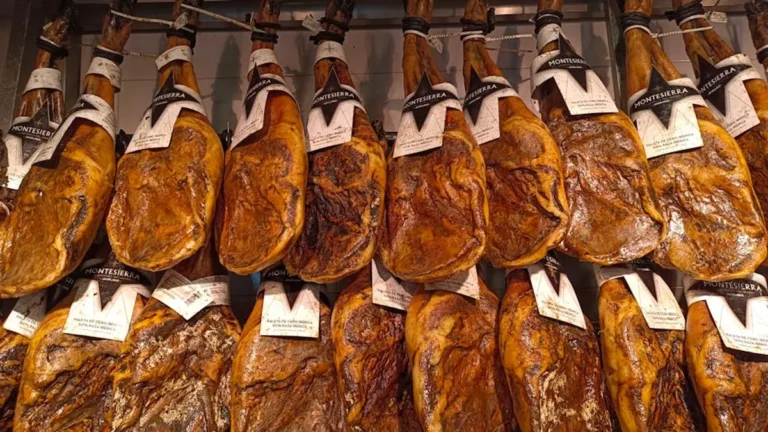
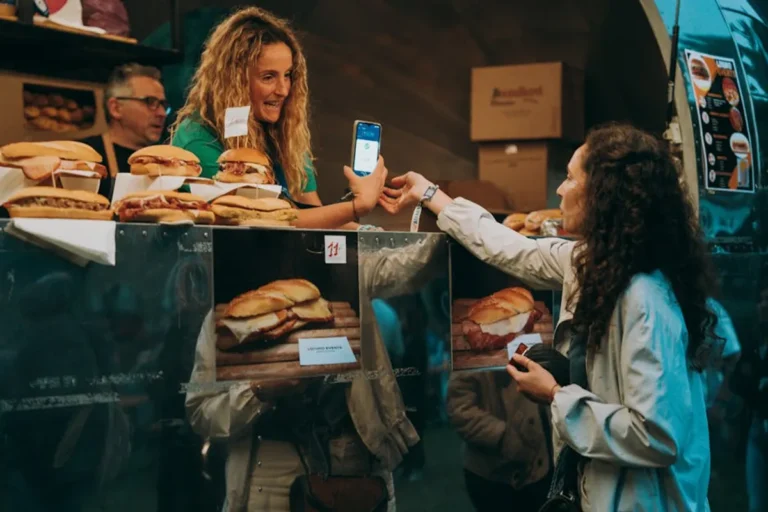
La Boqueria Market: Located off La Rambla, this vibrant market is a sensory overload of fresh produce, seafood, cured meats, and prepared foods. It's an ideal spot for a casual lunch or to sample local ingredients. Commercial utility: Focus on the perimeter stalls for prepared dishes like fresh fruit juices, empanadas, and seafood tapas, as central stalls cater more to grocery shopping.
Beyond La Boqueria, neighborhoods like Gràcia and El Born offer traditional tapas bars (bodegas) where patrons stand at the counter and share small plates. Look for Catalan specialties such as pa amb tomàquet (bread with tomato), botifarra (sausage), fideuà (noodle paella), and crema catalana (custard dessert). Commercial utility: Seek out establishments that display "Cuina Catalana" for authentic regional dishes.
Wine Tasting and Gastronomy
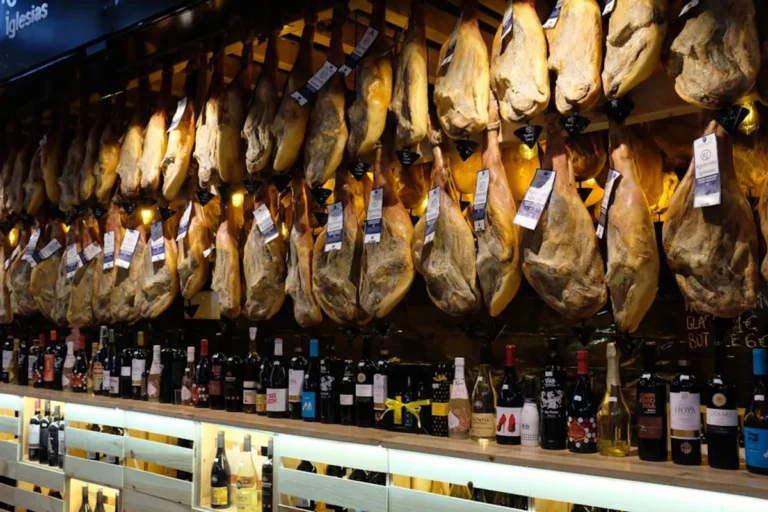
The Penedès wine region, just an hour from Barcelona, is renowned for its Cava production. Day trips often include vineyard tours and tastings, providing insight into the winemaking process. For fine dining, Barcelona hosts numerous Michelin-starred restaurants pushing the boundaries of modern Catalan cuisine, concentrated around Eixample and Gràcia. Commercial utility: These experiences require advance booking, often weeks or months ahead for top-tier restaurants.
Pro Tip: Many of Barcelona's most popular attractions, especially Gaudí sites and prominent museums, implement timed entry systems. Purchasing tickets online several days, or even weeks, in advance is crucial to guarantee entry and avoid significant time loss in ticket queues. Check official attraction websites for the most accurate booking information and availability.
Beaches and Outdoor Recreation
Barcelona's Mediterranean coastline offers urban beaches and natural parks within easy reach, providing a balance to the city's cultural intensity.
City Beaches
Barceloneta Beach is the most famous, known for its lively atmosphere, chiringuitos (beach bars), and proximity to the city center. Nova Icària Beach offers a slightly quieter alternative with facilities for water sports like paddleboarding and kayaking. Commercial utility: Beaches are well-served by public transport; consider renting bikes to explore the coastal path from Barceloneta to Diagonal Mar.
Montjuïc and Tibidabo
These two hills offer distinct outdoor experiences and panoramic views.
Montjuïc: Accessible by cable car or funicular, Montjuïc hosts a castle with historical significance, gardens, and museums like the Joan Miró Foundation. The Magic Fountain of Montjuïc, with its light and music show, is a popular evening attraction. Commercial utility: Check the Magic Fountain schedule as it varies by season and day of the week.
Tibidabo: Home to an historic amusement park and the Sagrat Cor Church, Tibidabo offers the highest vantage point over Barcelona. The vintage rides and stunning views make it a family-friendly destination. Commercial utility: Public transport to Tibidabo can involve multiple connections; consider the Tibibus service for direct access from Plaça de Catalunya.
Neighborhood Exploration and Cultural Hubs
Beyond the main tourist circuits, Barcelona's distinct neighborhoods offer unique atmospheres and cultural insights.
El Born and La Ribera
Adjacent to the Gothic Quarter, El Born is characterized by its medieval streets, independent boutiques, and vibrant nightlife. Key attractions include the Picasso Museum, which houses an extensive collection of the artist's early works, and Ciutadella Park, a green oasis featuring the Arc de Triomf, the Barcelona Zoo, and the Cascada Monumental. Passeig del Born is a central boulevard lined with cafes and bars. Commercial utility: The Picasso Museum benefits from timed entry tickets, especially on free entry days.
Gràcia's Bohemian Charm
Once a separate village, Gràcia retains a distinct, bohemian identity. Its charming squares, such as Plaça del Sol and Plaça de la Vila de Gràcia, are popular gathering spots, particularly in the evenings. The neighborhood is known for its independent fashion boutiques, artisan workshops, and diverse restaurants. Commercial utility: Gràcia is best explored on foot; dedicate an afternoon to wandering its pedestrianized streets and discovering its unique shops.
Crafting Your Ideal Barcelona Trip
Effective planning combines diverse interests with practical logistics to ensure a seamless experience.
Transportation Efficiency
Barcelona's public transport system is extensive and reliable, comprising metro, bus, and tram networks. The T-Casual card offers 10 journeys at a reduced rate, valid across multiple modes. Walking is often the best way to explore central districts like the Gothic Quarter and El Born. Commercial utility: For extensive travel over several days, consider the Hola Barcelona Travel Card, which offers unlimited journeys for a set period.
Seasonal Considerations
The best time to visit depends on preferences. Spring (April-May) and autumn (September-October) offer pleasant weather and fewer crowds than the peak summer months. Summer (June-August) is ideal for beach activities but brings higher temperatures and larger tourist numbers. Winter (November-March) is quieter, with cooler temperatures and festive markets around Christmas. Commercial utility: Prices for accommodation and flights generally peak during summer and major festivals like La Mercè (September).
Essential Booking Tips
Beyond major attractions, consider booking popular restaurant reservations in advance, especially for weekend evenings. For specific events or shows, checking schedules and securing tickets early is advisable. Commercial utility: Many tour operators offer combined tickets or city passes that can provide savings and convenience, but verify if the included attractions align with your interests before purchasing.
Frequently Asked Questions
What is the most efficient way to travel between major attractions in Barcelona?
The Barcelona Metro system is highly efficient, connecting all major attractions and neighborhoods with frequent service. Walking is also practical for exploring adjacent districts like the Gothic Quarter and El Born.
How many days are recommended for a comprehensive first-time visit to Barcelona?
A minimum of 4 to 5 full days allows sufficient time to experience Gaudí's architecture, explore historic neighborhoods, enjoy the culinary scene, and perhaps relax at the beach or visit Montjuïc.
Are most attractions in Barcelona accessible for visitors with limited mobility?
While many newer attractions and public transport lines are accessible, some older areas like the Gothic Quarter, with its narrow, uneven streets, can present challenges. It is advisable to check specific attraction websites for accessibility details.
What are some popular free activities available in Barcelona?
Enjoying the beaches, exploring Ciutadella Park, wandering through the Gothic Quarter, and experiencing the Magic Fountain of Montjuïc (check schedule) are all free activities. Many museums also offer free entry on specific days or evenings.