Barcelona consistently ranks as a top global travel destination, attracting millions annually. For SEO professionals, marketers, and content strategists, understanding the evolving landscape of "things to do" in the city is critical for capturing relevant search intent and driving commercial value. Traveler preferences are not static; they shift with global events, cultural movements, technological advancements, and demographic changes. Identifying these trends allows for proactive content development, targeted keyword research, and ultimately, higher organic visibility for queries that convert.
The traditional "top 10 landmarks" approach to travel content, while still foundational, is insufficient to capture the full spectrum of modern traveler intent. Today's visitors often seek more personalized, authentic, and niche experiences, moving beyond the well-trodden paths. This requires a granular understanding of emerging interests and the ability to adapt content strategies to match these evolving demands.
Shifting Demand for Hyper-Local and Authentic Experiences
A significant trend in Barcelona tourism points towards a desire for deeper immersion into local life, moving beyond iconic landmarks. Travelers are increasingly seeking activities that connect them with the city's neighborhoods, local culture, and everyday rhythms. This shift is driven by a desire for authenticity and a rejection of mass tourism's perceived superficiality.
For content creators, this translates into opportunities for highly specific, neighborhood-focused guides. Instead of broad "Barcelona attractions," the emphasis moves to "things to do in Gràcia," "Poble Sec tapas routes," or "El Born artisan workshops." Keyword research should reflect this granularity, targeting long-tail phrases that combine specific activities with distinct neighborhoods.
- Targeted Keywords: "Gothic Quarter hidden courtyards," "Sant Antoni market food tour," "Carmel Bunkers sunrise spot," "local craft beer bars Eixample."
- Content Formats: Detailed neighborhood walking tour itineraries, interviews with local shop owners or artists, guides to lesser-known local festivals, curated lists of non-touristy restaurants.
- SEO Strategy: Develop dedicated hub pages for key neighborhoods, interlinking them with specific activity pages. Implement local schema markup where applicable to highlight businesses and points of interest within these areas.
Growth in Sustainable and Ethical Tourism Searches
Conscious travel is no longer a niche; it's a growing expectation. Travelers are more aware of their environmental impact and are actively seeking sustainable options. This trend is particularly pronounced in cities like Barcelona, which have experienced the pressures of overtourism.
Content strategies must address this by highlighting eco-friendly transportation, sustainable accommodation, ethical shopping, and responsible tour operators. This isn't just about feel-good marketing; it's about responding to direct search queries for "eco-friendly Barcelona activities" or "sustainable travel tips Barcelona."
Pro Tip: When developing content around sustainable tourism, ensure claims are verifiable and specific. Generic statements about being "green" lack credibility. Focus on actionable advice, such as using public transport, supporting local businesses directly, or choosing tours with certified eco-credentials. Authenticity in sustainability content builds trust and authority.
Leveraging Public Transport and Green Spaces
A practical application of this trend involves creating comprehensive guides to Barcelona's public transportation system, emphasizing its efficiency and environmental benefits over private taxis. Similarly, content around the city's numerous parks, gardens, and green spaces, often overlooked by traditional tourist itineraries, can attract eco-conscious travelers.
Keywords to monitor: "Barcelona bike rental routes," "electric scooter tours Barcelona," "Parc de la Ciutadella picnic spots," "Montjuïc cable car guide," "zero-waste shops Barcelona."
The Rise of Culinary Deep Dives and Experiential Food Tourism
Food has always been central to the Barcelona experience, but the trend is moving beyond simply recommending restaurants. Travelers are seeking immersive culinary experiences, including cooking classes, market tours with tastings, and specialized gastronomic tours focusing on specific regional dishes or dietary preferences.
This presents a rich opportunity for content that goes beyond basic reviews. Think "Catalan cooking classes for beginners," "vegan tapas tours Barcelona," "wine tasting day trips from Barcelona," or "best paella workshops in Barceloneta."
Focusing on Niche Gastronomic Experiences
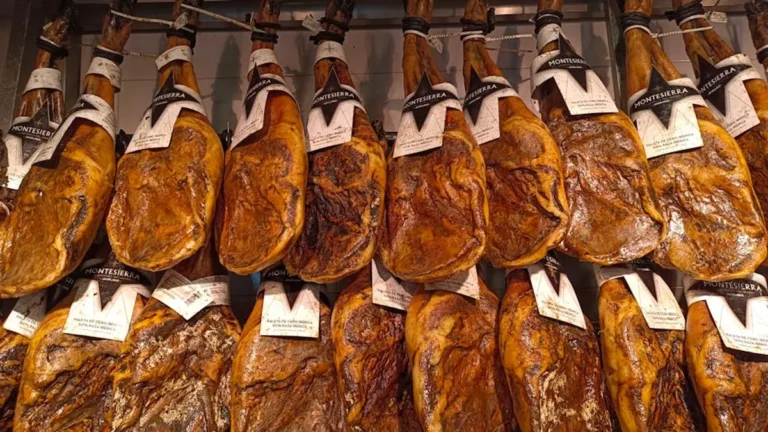
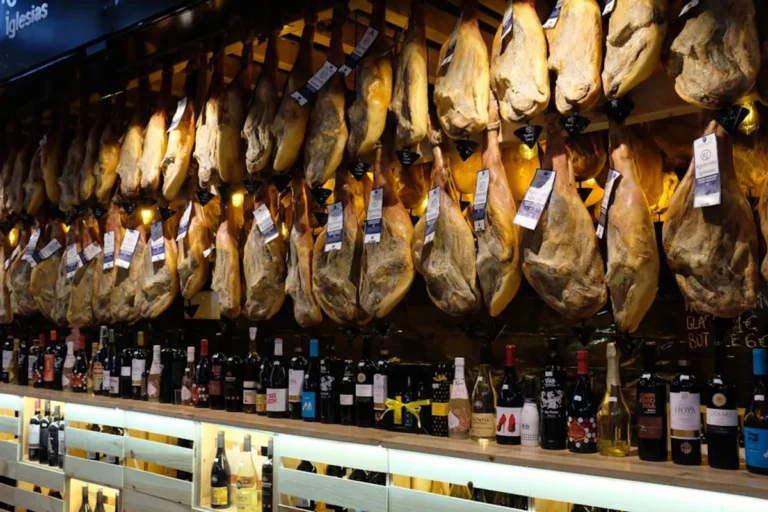
Content should cater to specific culinary interests. This includes detailed guides to food markets like La Boqueria or Mercat de Sant Antoni, but also less-known markets. It also extends to unique dining experiences, such as pop-up restaurants, chef's table events, or traditional 'calçotades' (seasonal onion feasts).
Commercial Content Angles: Partner with local cooking schools, offer curated food itineraries with booking links, or create comparison guides for different types of food tours. The commercial intent behind these searches is often high, as users are ready to book an experience.
Digital Nomad and Workation Integration
Barcelona's appeal as a digital nomad hub is growing, leading to a distinct set of "things to do" that blend work and leisure. This demographic seeks not only tourist attractions but also practical information about coworking spaces, cafes with reliable Wi-Fi, and community events for remote workers.
Content tailored to this audience requires a hybrid approach, combining traditional travel advice with practical living and working information. This involves keyword research that merges travel terms with productivity or lifestyle terms.
Relevant Searches: "best coworking spaces Barcelona," "cafes to work from Barcelona," "digital nomad community Barcelona," "long-term apartment rentals Barcelona," "Barcelona visa for remote workers."
Actionable Insights for Content Strategy
To capitalize on these evolving trends, continuous monitoring of search demand and user intent is paramount. Leverage tools that track keyword volatility, identify emerging long-tail queries, and analyze competitor content for gaps. The goal is to anticipate shifts rather than merely react to them.
Prioritize creating evergreen content that can be updated regularly, but also be prepared to produce timely pieces around seasonal events, new attractions, or temporary cultural phenomena. Interlink content strategically, building topical authority around specific neighborhoods, culinary themes, or sustainable practices. Ensure all content offers clear value, whether it's practical advice, unique insights, or direct booking opportunities.
Frequently Asked Questions
How often should I review Barcelona travel trends?
Travel trends are dynamic. A quarterly review of keyword data, social media discussions, and competitor content is advisable to identify shifts in traveler intent. Major global events or local policy changes may necessitate more frequent analysis.
What tools are most effective for identifying emerging travel trends?
Utilize keyword research platforms to track search volume changes and identify emerging long-tail queries. Google Trends provides insights into rising topics, while social listening tools can reveal popular discussions and user-generated content themes related to Barcelona experiences.
How quickly should content adapt to new trends?
For highly volatile or time-sensitive trends (e.g., seasonal events, temporary exhibitions), rapid content creation and promotion are necessary. For broader, more enduring shifts (e.g., sustainable tourism, hyper-local focus), a more strategic, phased approach to content development and optimization is appropriate.
Are these trends specific to Barcelona, or are they global?
While the specific manifestations are unique to Barcelona, the underlying trends—such as the desire for authenticity, sustainability, and experiential travel—are largely global. However, their impact and specific keyword variations will differ by destination, requiring localized research.