
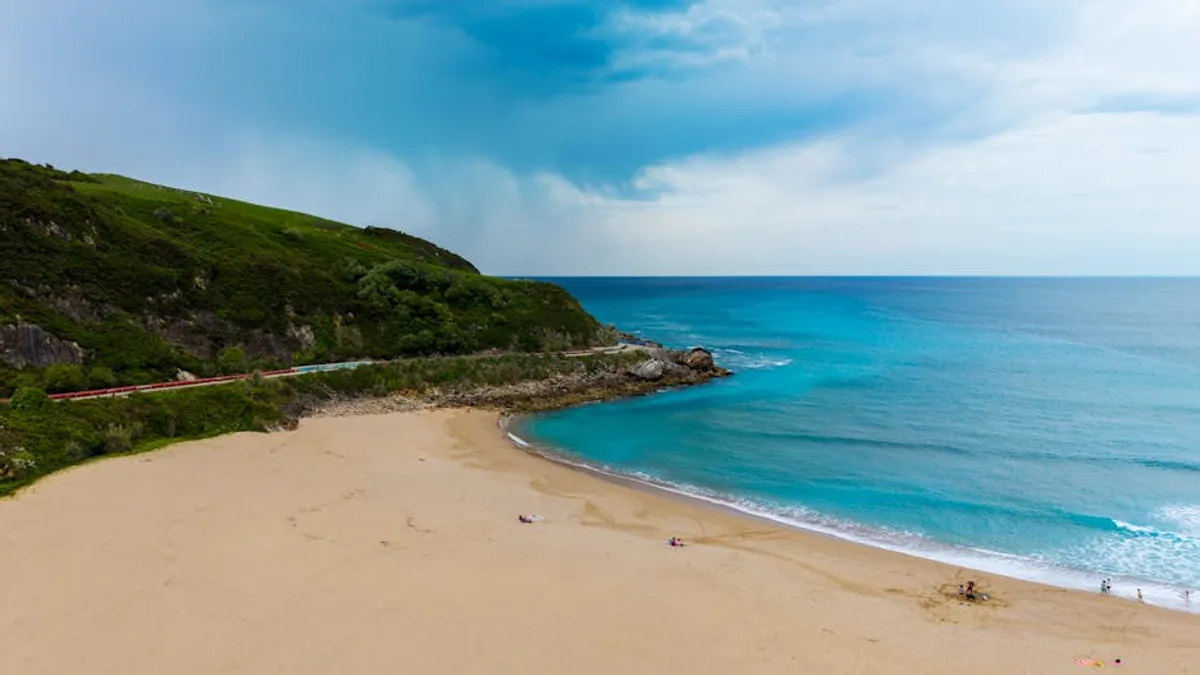
Navigating Spain's vast and varied coastline for the ideal beach experience can be a complex decision for first-time visitors. From the rugged Atlantic shores of the north to the sun-drenched Mediterranean coves and volcanic sands of the Canary Islands, the country offers a spectrum of coastal environments. This guide is designed to help beginners identify beaches that align with specific preferences, whether that involves family-friendly shallows, pristine natural reserves, or vibrant urban stretches with extensive amenities. Understanding the distinct characteristics of each region and individual beach is crucial for selecting a destination that delivers the desired relaxation, adventure, or cultural immersion. This guide is designed to help beginners identify beaches that align with specific preferences, whether that involves family-friendly shallows, pristine natural reserves, or vibrant urban stretches with extensive amenities, using this complete overview of Spain to navigate your choices.
How to Choose Your Ideal Spanish Beach
Selecting the right Spanish beach involves more than just looking at pictures; it requires considering several practical factors to ensure your experience matches your expectations. Evaluate these points before committing to a destination:
- Sand Type and Color: Spain features everything from the fine, white sands of Formentera to the golden stretches of the Costa del Sol and the darker, volcanic sands of the Canary Islands. White sand often signifies clear, turquoise waters, while golden sands are typical of many mainland coasts.
- Water Conditions: The Mediterranean Sea generally offers calmer, warmer waters ideal for swimming and families. The Atlantic coast, particularly in the north, can have cooler temperatures and more significant waves, attracting surfers and those who prefer dynamic ocean conditions.
- Amenities and Infrastructure: Consider the level of development you prefer. Some beaches are entirely natural, with no facilities, requiring you to bring everything. Others are urban or semi-urban, equipped with lifeguards, sunbed rentals, showers, restrooms, chiringuitos (beach bars), and nearby restaurants.
- Crowd Levels: Peak season (July and August) sees most popular beaches at their busiest. If tranquility is a priority, seek out more remote coves, visit during shoulder seasons (May-June, September-October), or target larger, less densely packed stretches.
- Accessibility: Some pristine beaches require a hike, a boat trip, or navigating unpaved roads. Urban beaches are typically easy to access via public transport or car, often with parking facilities, though these can fill up quickly.
- Activities Available: Beyond swimming and sunbathing, consider if you want options for snorkeling, diving, surfing, paddleboarding, or proximity to hiking trails, cultural sites, or nightlife.
1. Playa de Ses Illetes
Located on the northern tip of Formentera, one of the Balearic Islands, Playa de Ses Illetes is frequently cited for its Caribbean-like aesthetic. Its appeal stems from the exceptionally fine white sand and shallow, crystal-clear turquoise waters that extend far out, creating a natural swimming pool effect. The beach is part of the Ses Salines Natural Park, meaning development is minimal, preserving its pristine environment. Access is controlled, often requiring a small fee for vehicles during peak season, which helps manage visitor numbers.
Best For: Tranquil swimming, families with young children, snorkeling in calm waters, photography, and those seeking a natural, undeveloped beach experience.
Pros:
- Powdery white sand and incredibly clear, shallow waters.
- Protected natural park status ensures a pristine environment.
- Ideal conditions for safe swimming and wading.
- Scenic views, especially at sunset.
Cons:
- Can become very crowded during July and August.
- Limited facilities; a few beach bars (chiringuitos) are present but expensive.
- Access requires a car, scooter, or bicycle, with a paid entry for vehicles.
- Formentera itself requires a ferry trip from Ibiza.
Verdict: Ses Illetes delivers on its reputation for stunning natural beauty, offering an unparalleled serene escape for those willing to manage the logistical steps to reach it. Its shallow, calm waters make it particularly suitable for families, provided they visit outside peak hours or season.
2. Playa de Bolonia
Situated near Tarifa in Andalusia, Playa de Bolonia offers a wild, expansive stretch of golden sand backed by a large, shifting dune system and pine forests. This beach is notable not just for its natural beauty but also for the ancient Roman ruins of Baelo Claudia located directly adjacent to the sand, providing a unique cultural backdrop. The Atlantic winds make it popular for wind sports, but its vastness ensures plenty of space for sunbathers seeking a less commercialized experience. The water can be cooler and wavier than Mediterranean counterparts.
Best For: Nature lovers, history enthusiasts, wind sports (windsurfing, kitesurfing), those seeking an uncrowded, raw coastal landscape.
Pros:
- Wide, undeveloped beach with ample space.
- Proximity to the Roman ruins of Baelo Claudia.
- Impressive natural dune system for exploration.
- Excellent conditions for wind sports.
Cons:
- Can be windy, potentially uncomfortable for sunbathing on some days.
- Water temperatures are cooler due to Atlantic influence.
- Limited facilities; a few chiringuitos and restaurants are available.
- Requires a car for convenient access.
Verdict: Playa de Bolonia is an exceptional choice for visitors prioritizing natural landscapes and historical context over extensive tourist infrastructure. Its expansive nature mitigates crowding, making it suitable for those who appreciate space and a more rugged coastal feel, especially if wind sports are an interest.
3. Playa de Las Canteras
Located in Las Palmas de Gran Canaria, Canary Islands, Playa de Las Canteras is an urban beach renowned for its natural offshore reef, "La Barra," which acts as a breakwater. This reef creates calm, protected waters close to shore, ideal for swimming and snorkeling, while further out, waves attract surfers. The beach runs for over 3 kilometers, lined with a bustling promenade featuring restaurants, cafes, and shops. Its unique combination of urban convenience and natural protection makes it highly versatile.
Best For: Urban beachgoers, families, swimmers, snorkelers, surfers (on specific sections), those who appreciate city amenities alongside beach access.
Pros:
- Natural reef creates calm swimming conditions.
- Extensive promenade with abundant dining and shopping options.
- Excellent public transport access within Las Palmas.
- Good for both swimming and surfing, depending on location along the beach.
Cons:
- Can get very crowded, especially in winter when European tourists flock to the Canaries.
- As an urban beach, it lacks the wild, natural feel of more remote options.
- Parking can be challenging in peak times.
Verdict: Las Canteras stands out for its seamless integration of a high-quality beach experience with city living. It's particularly strong for visitors who want immediate access to amenities and a protected swimming environment without sacrificing the option for more active water sports.
4. Playa de Rodas
Found in the Illas Cíes archipelago off the coast of Galicia, Playa de Rodas was once famously dubbed "the best beach in the world" by The Guardian. This claim is supported by its crescent of fine white sand connecting two of the islands, framed by emerald-green pine forests and facing clear, cold Atlantic waters. The Cíes Islands are a protected natural park, limiting daily visitor numbers and prohibiting overnight stays outside of the campsite. Access is via ferry, operating primarily during summer and Easter.
Best For: Nature enthusiasts, hikers, those seeking pristine, unspoiled natural beauty, day-trippers from Vigo or Baiona.
Pros:
- Stunningly clear, Caribbean-like waters and fine white sand.
- Protected natural park ensures ecological preservation.
- Limited visitor numbers contribute to a tranquil atmosphere.
- Opportunities for hiking and birdwatching on the islands.
Cons:
- Water temperatures are significantly colder due to the Atlantic.
- Requires a ferry trip, which needs to be booked in advance, especially in summer.
- Very limited facilities, mainly a campsite restaurant and small shop.
- No overnight stays allowed outside the campsite.
Verdict: Playa de Rodas is an exceptional destination for those prioritizing breathtaking natural beauty and a preserved environment. Its colder waters and limited accessibility mean it's best suited for a dedicated day trip focused on enjoying pristine landscapes and active exploration rather than extended sunbathing sessions.
5. Cala Macarella & Macarelleta
Located on the southwestern coast of Menorca, these two coves are emblematic of the Balearic Islands' natural beauty. Cala Macarella is the larger, more accessible cove, featuring fine white sand and intensely turquoise waters, often dotted with boats. A short, scenic path leads to the smaller, more secluded Cala Macarelleta, a popular spot for nudists. Both are surrounded by pine-clad cliffs, offering a sense of unspoiled nature, though they can get very busy in peak season. Access is via a designated parking lot and a walk, or by bus from Ciutadella.
Best For: Couples, nature lovers, snorkelers, those seeking iconic Mediterranean coves, nudist-friendly options (Macarelleta).
Pros:
- Iconic turquoise waters and white sand beaches.
- Secluded feel due to surrounding cliffs and pine forests.
- Good snorkeling opportunities in clear waters.
- Option for a more private experience at Macarelleta.
Cons:
- Extremely crowded during July and August, making parking difficult or impossible.
- Access road is often closed to private vehicles in peak season, requiring bus or long walk.
- Limited facilities; a restaurant at Macarella, none at Macarelleta.
- Can be a challenge to find a quiet spot in high season.
Verdict: These coves are visually stunning and represent the quintessential Menorcan beach experience. They are ideal for visitors who prioritize picturesque scenery and clear waters for swimming and snorkeling, provided they are prepared for potential crowds or plan their visit during the shoulder seasons.
6. Playa de Muro
Situated on the northeast coast of Mallorca, Playa de Muro is one of the longest sandy beaches in the Balearics, stretching for several kilometers. It's characterized by its exceptionally fine, golden sand and very shallow, calm, and warm turquoise waters, making it supremely popular with families. The beach is backed by a natural dune system in parts, and in others by low-rise hotels and a promenade. Its vastness means it rarely feels overwhelmingly crowded despite its popularity, and amenities are plentiful.
Best For: Families with young children, safe swimming, long walks, watersports beginners, those seeking extensive resort amenities.
Pros:
- Extremely shallow and calm waters, very safe for children.
- Long stretch of fine golden sand, plenty of space.
- Numerous amenities: sunbeds, umbrellas, lifeguards, restaurants, watersports.
- Good accessibility and parking options.
Cons:
- Can feel resort-heavy in certain sections, lacking a wilder charm.
- While long, popular sections can still be busy in peak summer.
- The very shallow water may not appeal to strong swimmers seeking depth immediately.
Verdict: Playa de Muro is a top-tier choice for families due to its unparalleled safety for children and extensive facilities. Its vastness ensures a comfortable experience even in busier periods, making it a reliable option for a relaxed beach holiday with easy access to amenities.
7. La Concha
Nestled in the heart of San Sebastián in the Basque Country, La Concha is an iconic urban beach, often considered one of Europe's most beautiful city beaches. Its distinctive shell-shaped bay (hence "Concha," meaning shell) is framed by elegant Belle Époque architecture and offers protection from the open sea, resulting in calm waters. The beach is tidal, with a vast expanse of sand revealed at low tide, perfect for strolling. Its central location provides immediate access to the city's renowned culinary scene and cultural attractions.
Best For: Urban explorers, foodies, families seeking calm waters, those who appreciate elegant city beaches with cultural access, swimming.
Pros:
- Stunning urban setting with elegant architecture.
- Calm, protected waters ideal for swimming and paddleboarding.
- Central location provides easy access to San Sebastián's city life.
- Vast sand expanse at low tide for walks and games.
Cons:
- Can get very crowded, especially in summer.
- Water temperatures are cooler than Mediterranean beaches.
- Parking in San Sebastián can be expensive and difficult.
- Lacks the wild, natural feel of more remote beaches.
Verdict: La Concha offers a sophisticated beach experience, blending natural beauty with urban convenience and culinary excellence. It's particularly suited for visitors who want to combine beach relaxation with city exploration and gastronomic adventures, rather than a secluded natural escape.
8. Playa de Papagayo
Located on the southern tip of Lanzarote in the Canary Islands, Playa de Papagayo is not a single beach but a series of small, sheltered coves separated by volcanic rock formations. These coves boast golden sand and incredibly clear, calm, emerald-green waters, ideal for snorkeling and swimming. The area is a protected natural reserve, accessible via a dirt track (with a small toll fee) which helps maintain its undeveloped character. The stark volcanic landscape provides a dramatic backdrop to the inviting waters.
Best For: Snorkelers, swimmers, nature photographers, those seeking secluded coves, visitors exploring Lanzarote's unique volcanic landscapes.
Pros:
- Exceptionally clear and calm waters, perfect for snorkeling.
- Series of sheltered coves offers variety and some privacy.
- Dramatic volcanic landscape provides unique scenery.
- Protected status limits development and preserves natural feel.
Cons:
- Access via a rough dirt track, requiring a car and a small toll fee.
- Limited facilities; a few basic chiringuitos are present.
- Can get busy, especially the main cove, despite the access challenges.
- No shade, so bringing an umbrella is essential.
Verdict: Papagayo's coves offer a distinct Canarian beach experience, combining pristine waters with a striking volcanic setting. It's an excellent choice for those prioritizing snorkeling and a rugged natural environment, provided they are prepared for the somewhat challenging access and limited amenities.
9. Playa de Zahara de los Atunes
Stretching for several kilometers along the Costa de la Luz in Cadiz, Andalusia, Playa de Zahara de los Atunes is a vast, golden-sanded beach known for its traditional fishing village charm and open Atlantic views. The beach is wide, offering ample space even in summer, and the waters are generally clean and refreshing, though they can have waves. It's less developed than some Mediterranean coasts, maintaining a more authentic Andalusian feel with excellent seafood restaurants in the nearby village.
Best For: Those seeking vast, uncrowded beaches, traditional Spanish village charm, fresh seafood, long beach walks, refreshing swims.
Pros:
- Extremely wide and long beach, rarely feels crowded.
- Authentic Andalusian atmosphere in the adjacent village.
- Excellent quality fresh seafood available.
- Clean, refreshing Atlantic waters.
Cons:
- Atlantic winds can be strong on some days.
- Water can be cooler than Mediterranean alternatives.
- Fewer large-scale resort amenities compared to other coasts.
- Requires a car for convenient access to the village and beach.
Verdict: Zahara de los Atunes provides an appealing blend of expansive natural beach and authentic local culture. It's ideal for visitors who value space, a more traditional Spanish experience, and high-quality local cuisine, rather than a highly commercialized resort environment.
10. Playa de La Malvarrosa
Valencia's main urban beach, Playa de La Malvarrosa, is a wide, long stretch of golden sand easily accessible from the city center. It's characterized by its expansive promenade, lined with numerous restaurants (especially known for paella), cafes, and bars. The waters are calm and shallow, typical of the Mediterranean, making it suitable for families. While it's a city beach, its sheer size means it can absorb a large number of visitors without feeling overly congested, especially away from the most central sections.
Best For: Urban beachgoers, families, food enthusiasts (especially paella), those seeking easy access to city amenities and public transport.
Pros:
- Very wide and long, offering plenty of space.
- Excellent public transport links to Valencia city center.
- Abundance of restaurants and amenities along the promenade.
- Calm, shallow Mediterranean waters suitable for all ages.
Cons:
- Can be very busy, particularly on weekends and in summer.
- Lacks the natural, secluded feel of more remote beaches.
- The sand, while golden, is not as fine as some other Spanish beaches.
- Less appealing for those seeking tranquility.
Verdict: La Malvarrosa is a highly functional and convenient urban beach, perfect for those who want to combine a city break with easy beach access and a vibrant atmosphere. It excels in offering a lively Mediterranean experience with a focus on dining and accessibility.
11. Playa de Somo
Located in Cantabria, just across the bay from Santander, Playa de Somo is a vast, open beach known for its consistent waves, making it a prime surfing destination in northern Spain. The beach stretches for several kilometers, backed by extensive natural dunes and pine forests, offering a wilder, more natural feel than many other Spanish beaches. Its Atlantic location means cooler waters and often breezy conditions, which are ideal for watersports but may be less appealing for pure sunbathing.
Best For: Surfers (all levels), watersports enthusiasts, nature lovers, those seeking a less crowded, more active beach experience, day-trippers from Santander.
Pros:
- Excellent and consistent surfing conditions.
- Vast, wide beach with natural dunes and pine forests.
- Less crowded than many southern Spanish beaches.
- Surf schools and rental shops readily available.
Cons:
- Water is significantly colder than Mediterranean beaches.
- Can be windy, potentially uncomfortable for sunbathing.
- Fewer amenities directly on the beach itself, more in the nearby town.
- More suited for active pursuits than passive sunbathing.
Verdict: Playa de Somo is an outstanding choice for active travelers, particularly surfers, seeking dynamic Atlantic conditions and a wide, natural beach environment. Its wild character and cooler climate set it apart from the typical Spanish beach holiday, offering a refreshing alternative.
12. Cala Galdana
Situated on Menorca's south coast, Cala Galdana is a large, horseshoe-shaped bay renowned for its calm, shallow, turquoise waters and fine white sand. It's one of Menorca's most developed tourist resorts, offering a wide range of amenities, including hotels, restaurants, shops, and watersports rentals directly on the beach. Its protected bay makes it exceptionally safe for swimming and ideal for families. From Cala Galdana, scenic coastal paths lead to more secluded coves like Cala Macarella and Cala Mitjana.
Best For: Families with young children, resort-style holidays, easy access to amenities, safe swimming, starting point for coastal walks.
Pros:
- Very calm, shallow, and safe waters for children.
- Extensive amenities directly on the beach and in the surrounding resort.
- Picturesque horseshoe bay setting.
- Good base for exploring nearby natural coves via walking paths.
Cons:
- Can be very crowded in peak season (July/August).
- Highly developed, lacking the natural, unspoiled feel of other coves.
- Parking can be challenging during busy periods.
- Less appealing for those seeking solitude or a wild beach experience.
Verdict: Cala Galdana is a highly functional and picturesque family-oriented beach, excelling in providing convenience and safety within a beautiful Mediterranean setting. It's best suited for those who prefer a resort atmosphere with all amenities readily available, making it a stress-free option for families.
Optimizing Your Beach Experience
The "best" beach in Spain is ultimately subjective, contingent on individual priorities. To ensure your chosen beach delivers, consider these points:
- Define Your Priorities: Are you seeking solitude, family-friendly safety, watersports, vibrant nightlife, or cultural immersion? Aligning your beach