
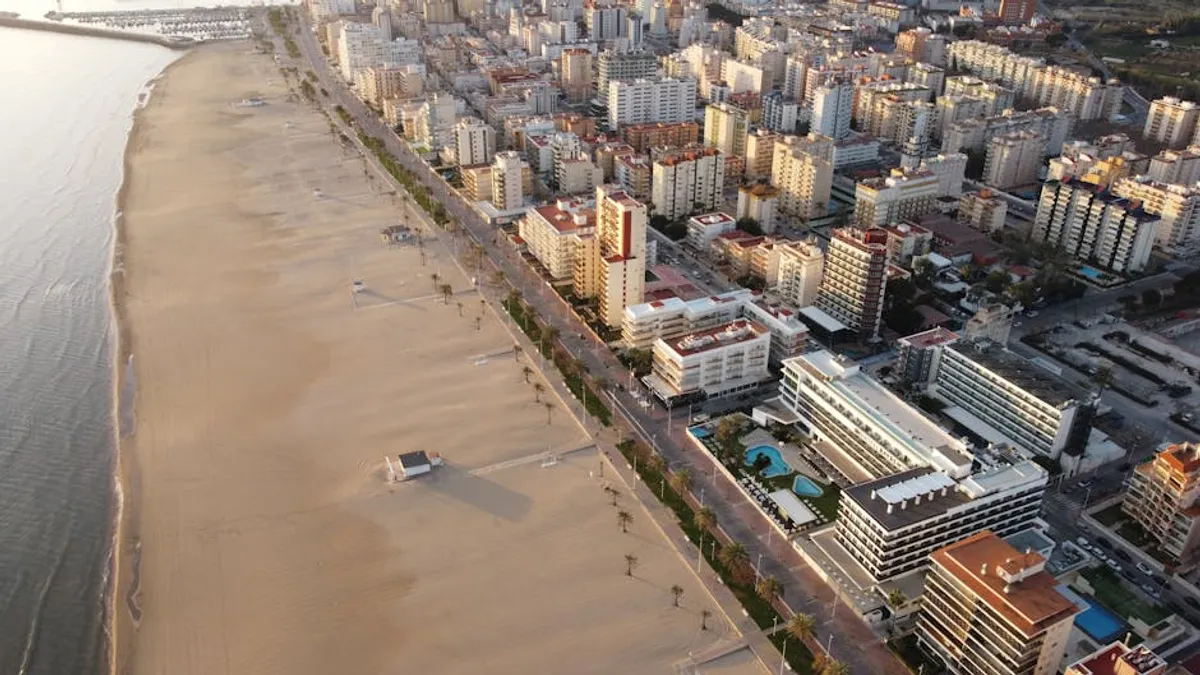
Spain's coastline, spanning over 5,000 kilometers across the Iberian Peninsula and its archipelagos, offers an expansive and diverse range of beaches. For content creators, travel planners, or those seeking specific coastal experiences, navigating this variety requires more than just scenic photographs. The utility of a Spanish beach extends beyond its aesthetic appeal; considerations like accessibility, available amenities, water conditions, environmental certifications, and suitability for particular activities are critical for informed decision-making and targeted content development. Understanding these factors is key for anyone planning your trip to Spain effectively.
This overview provides a structured assessment of notable Spanish beaches, focusing on their distinct characteristics and practical value. Each entry details specific attributes, highlighting what makes it suitable for different user profiles, from family-oriented vacations to adventure sports or secluded retreats. The aim is to equip readers with concrete information, enabling a precise evaluation of each location's potential for travel planning, marketing campaigns, or personal exploration. This resource aims to provide readers with a complete overview of Spain's coastal offerings.
Key Considerations for Selecting a Spanish Beach
Choosing the optimal Spanish beach involves evaluating several practical factors beyond surface-level beauty. Understanding these criteria allows for a more precise match between a beach's offerings and specific requirements, whether for a travel itinerary, a content series, or a commercial project.
- Accessibility and Infrastructure: Assess ease of access by road or public transport. Consider parking availability, presence of ramps or boardwalks for mobility, and proximity to major towns or airports. Beaches with robust infrastructure often include lifeguards, first aid stations, and public restrooms.
- Water Quality and Safety: Prioritize beaches with Blue Flag certification, indicating high environmental and quality standards. Research typical wave conditions and currents, especially for activities like swimming, surfing, or paddleboarding. Check for designated swimming areas and lifeguard presence during operational seasons.
- Sand Type and Beach Composition: Note whether the beach features fine golden sand, coarser grains, pebbles, or rocky coves. This impacts comfort, suitability for children's play, and even the clarity of the water.
- Amenities and Services: Evaluate the availability of facilities such as sunbed and umbrella rentals, showers, changing rooms, and nearby dining options (chiringuitos, restaurants). Consider watersports rental facilities if activity is a priority.
- Crowd Levels and Atmosphere: Research typical visitor density during different seasons. Some beaches are vibrant and bustling, ideal for social interaction, while others offer solitude and tranquility. This directly influences the type of experience and content potential.
- Environmental and Natural Features: Identify unique natural elements like dunes, rock formations, marine reserves, or surrounding natural parks. These features can enhance visual appeal and offer opportunities for ecological tourism or distinct photographic content.
- Specific Activities Supported: Determine if the beach is well-suited for particular activities such as snorkeling, diving, surfing, windsurfing, kitesurfing, or family-focused play. Look for specific zones or schools dedicated to these sports.
1. Playa de La Concha, San Sebastián
Playa de La Concha is an iconic urban beach situated within a shell-shaped bay in San Sebastián, Basque Country. Its central location, framed by Monte Igueldo and Monte Urgull, provides a unique blend of city convenience and natural beauty. The beach is known for its fine golden sand and relatively calm waters, protected by the bay's natural contours and a small island, Santa Clara.
Best for: Urban explorers, families seeking accessible city beaches, scenic strolls, and those desiring a sophisticated beach experience integrated with cultural tourism.
Pros:
- Exceptional accessibility within a major city, with promenade access and nearby public transport.
- Calm, safe waters ideal for swimming and paddleboarding, especially for children.
- High-quality amenities including showers, changing rooms, and lifeguard services.
- Stunning panoramic views of the bay, mountains, and Santa Clara Island.
- Proximity to high-end dining, cultural sites, and luxury accommodations.
Cons:
- Can become very crowded during peak summer months, reducing available space.
- Water temperatures are cooler than Mediterranean beaches, typical for the Atlantic coast.
- Limited watersports options compared to more activity-focused beaches.
Verdict: La Concha offers a prime example of an elegant urban beach, delivering convenience and picturesque scenery. Its calm waters and city integration make it a reliable choice for families and those prioritizing an accessible, comfortable beach day with cultural extensions.
2. Playa de Ses Illetes, Formentera
Located within the Ses Salines Natural Park in Formentera, Playa de Ses Illetes is frequently cited for its Caribbean-like turquoise waters and pristine white sand. This narrow strip of land, almost separating the sea from the Estany des Peix lagoon, creates a unique double-fronted beach experience. Its protected status ensures minimal development, preserving its natural, untouched aesthetic.
Best for: Nature enthusiasts, luxury travelers, snorkeling, and those seeking crystal-clear waters and a tranquil, upscale beach environment.
Pros:
- Exceptional water clarity and vibrant turquoise hues, often compared to tropical destinations.
- Fine, soft white sand, comfortable for walking and sunbathing.
- Part of a protected natural park, ensuring a pristine environment and limited construction.
- Excellent for snorkeling due to clear waters and diverse marine life.
- Offers a sense of exclusivity and seclusion, despite its popularity.
Cons:
- Access is controlled and often requires a fee, especially for vehicles, during peak season.
- Can become very crowded in July and August, diminishing its tranquil appeal.
- Limited shade, making sun protection essential.
- Fewer amenities directly on the beach, with most services located a short walk away.
Verdict: Ses Illetes stands out for its unparalleled natural beauty and water quality, making it a top choice for those prioritizing a visually stunning and ecologically preserved beach experience. Its managed access helps maintain its allure.
3. Playa de Bolonia, Tarifa
Playa de Bolonia, near Tarifa in Andalusia, is a vast, wild beach characterized by its expansive golden sands, clear Atlantic waters, and the impressive Duna de Bolonia, a natural monument. This beach offers a rugged, unspoiled feel, often exposed to the Levante winds, making it a prime spot for wind sports. The ancient Roman ruins of Baelo Claudia are situated directly behind the beach, adding a historical dimension.
Best for: Wind sports enthusiasts (kitesurfing, windsurfing), history buffs, nature lovers, and those seeking a less developed, expansive beach experience.
Pros:
- Vast, open beach providing ample space, even during busier periods.
- Consistent winds make it a premier destination for wind sports.
- Unique natural features including the iconic Duna de Bolonia and pine forests.
- Presence of the Baelo Claudia Roman ruins directly adjacent to the beach.
- Clear, refreshing Atlantic waters.
Cons:
- Strong winds can make it less comfortable for casual sunbathing on some days.
- Water can be colder than Mediterranean alternatives.
- Limited immediate amenities, maintaining its wild character.
- Requires a car to access easily, as public transport is sparse.
Verdict: Bolonia offers a distinct blend of wild natural beauty, historical significance, and sporting opportunity. It appeals to those who appreciate a raw, untamed coastal landscape over resort-style amenities, particularly favored by the wind sport community.
4. Cala Macarella & Macarelleta, Menorca
Cala Macarella and its smaller, more secluded sister, Macarelleta, are iconic coves on Menorca's southern coast. These beaches are renowned for their brilliant turquoise waters, fine white sand, and dramatic limestone cliffs covered in pine forests. Their natural, unspoiled beauty is a hallmark, offering a quintessential Mediterranean cove experience.
Best for: Snorkeling, swimming in calm, clear waters, nature photography, and those seeking picturesque, secluded coves.
Pros:
- Exceptional water clarity and vibrant blue-green colors, ideal for snorkeling and swimming.
- Soft, white sand providing a comfortable beach surface.
- Surrounded by lush pine forests and dramatic cliffs, offering natural shade and scenic backdrops.
- Macarelleta offers a more intimate, secluded experience for those willing to walk a bit further.
- Protected from strong winds, resulting in consistently calm waters.
Cons:
- Access can be challenging, often requiring a walk from parking areas, which fill up quickly.
- Becomes extremely crowded during peak summer months, diminishing the sense of seclusion.
- Limited amenities directly on the beach, with a small restaurant at Macarella.
- Parking restrictions are often enforced to manage visitor numbers.
Verdict: These Menorcan coves are the epitome of Mediterranean beauty, offering stunning visuals and pristine swimming conditions. While popular, their natural charm makes the effort to reach them worthwhile for those prioritizing clear waters and scenic landscapes.
5. Playa de Rodas, Islas Cíes, Galicia
Often dubbed "the best beach in the world" by some publications, Playa de Rodas is located on the Islas Cíes, an archipelago off the coast of Galicia, part of the Atlantic Islands of Galicia National Park. It connects two of the main islands, Monteagudo and Faro, with fine white sand and clear, albeit cold, Atlantic waters. Access is restricted to protect the natural environment.
Best for: Nature lovers, hikers, bird watchers, and those seeking an unspoiled, protected natural environment with exceptional beach quality.
Pros:
- Remarkably fine, white sand and exceptionally clear, clean waters.
- Strict environmental protection ensures a pristine and unspoiled natural setting.
- Part of a national park, offering extensive hiking trails and diverse flora and fauna.
- Limited daily visitor numbers maintain a sense of tranquility and exclusivity.
- Opportunity for bird watching (gulls, cormorants) and exploring unique ecosystems.
Cons:
- Water temperatures are consistently cold, even in summer, due to its Atlantic location.
- Access is via ferry only, with limited daily tickets requiring advance booking.
- Very few amenities on the islands; visitors are encouraged to bring their own supplies.
- No overnight stays allowed for most visitors, requiring day trips.
Verdict: Playa de Rodas offers a unique, almost untouched natural paradise experience. Its protected status and limited access ensure its pristine condition, making it an exceptional choice for those prioritizing natural beauty and ecological immersion over typical beach resort comforts.
6. Playa de Las Canteras, Las Palmas de Gran Canaria
Playa de Las Canteras is a prominent urban beach stretching over 3 kilometers in Las Palmas, Gran Canaria. What sets it apart is "La Barra," a natural lava rock reef running parallel to the shore, creating a natural breakwater. This reef protects much of the beach from ocean swells, resulting in calm, clear waters ideal for swimming and snorkeling, even within a bustling city environment.
Best for: Urban beachgoers, families, snorkeling enthusiasts, and those seeking a lively city beach with excellent swimming conditions and amenities.
Pros:
- Natural reef (La Barra) creates calm, protected waters suitable for all ages.
- Excellent water quality, consistently awarded Blue Flag status.
- Extensive promenade with abundant restaurants, cafes, and shops directly accessible.
- Good public transport links and urban infrastructure.
- Offers a vibrant, lively atmosphere with a mix of locals and tourists.
Cons:
- Can be very crowded, especially in the central sections during peak times.
- The urban setting means less natural seclusion compared to wilder beaches.
- Parking can be challenging in the surrounding city areas.
Verdict: Las Canteras masterfully combines the convenience of an urban setting with the quality of a top-tier beach. Its unique natural reef provides safe swimming, making it a highly functional and enjoyable choice for those who appreciate city life alongside their beach experience.
7. Playa de Muro, Mallorca
Playa de Muro is a long, expansive beach located on the northeast coast of Mallorca, stretching for several kilometers. It is characterized by its fine, golden sand and shallow, calm, turquoise waters, making it particularly popular with families. The beach is backed by sand dunes and pine forests in some sections, offering a mix of developed and more natural environments.
Best for: Families with young children, accessible swimming, long walks, and those seeking a relaxed, resort-style beach experience with ample space.
Pros:
- Very shallow and calm waters, extremely safe for young children.
- Fine, soft sand perfect for building sandcastles and comfortable sunbathing.
- Long stretch of beach ensures plenty of space, even in high season.
- Good range of amenities, including sunbed rentals, watersports, and beachfront restaurants.
- Sections backed by natural dunes and pine trees offer a more natural feel.
Cons:
- Can feel very resort-oriented in its more developed sections, lacking local charm.
- Popularity means it can still be busy, particularly near hotel zones.
- The sheer length can mean a long walk to facilities if at a remote end.
Verdict: Playa de Muro is a highly functional and appealing family beach, excelling in safety and convenience. Its extensive length and shallow waters make it a reliable choice for a relaxed holiday, particularly for those with young children.
8. Burriana Beach, Nerja
Burriana Beach is the most popular beach in Nerja, a charming town on the Costa del Sol in Andalusia. It's a wide, sandy beach with a lively promenade offering a wide array of restaurants, bars, and shops. The water is clear and generally calm, suitable for swimming, and various watersports are available. Its Blue Flag status attests to its cleanliness and services.
Best for: Families, active beachgoers, and those seeking a vibrant beach with extensive amenities and dining options.
Pros:
- Excellent range of facilities directly on the beach, including sun loungers, showers, and numerous dining choices.
- Offers a variety of watersports, from paddleboarding to kayaking and jet skis.
- Clean, well-maintained sand and clear, calm Mediterranean waters.
- Blue Flag certified, indicating high environmental and service standards.
- Lively atmosphere with a good mix of local and international visitors.
Cons:
- Can get very crowded during peak season, especially in July and August.
- Parking can be challenging, particularly close to the beach entrance.
- The popularity means it can be less tranquil than more secluded options.
Verdict: Burriana Beach is a strong contender for those who appreciate a full-service beach experience. Its combination of good swimming conditions, abundant amenities, and lively atmosphere makes it a practical and enjoyable choice for a wide audience, especially families.
9. Cala Comte (Platges de Comte), Ibiza
Cala Comte, also known as Platges de Comte, is a collection of small coves on the west coast of Ibiza, famous for its spectacular sunset views and exceptionally clear, turquoise waters. The area consists of several small sandy stretches interspersed with rocky outcrops, offering diverse spots for sunbathing and swimming. The nearby islets add to the picturesque scenery.
Best for: Sunset viewing, snorkeling, swimming in incredibly clear waters, and those seeking a vibrant, bohemian atmosphere.
Pros:
- Unrivaled sunset views over the Mediterranean and nearby islets.
- Crystal-clear, shallow waters with stunning turquoise hues, ideal for snorkeling.
- Multiple small coves offer variety and different perspectives.
- Features popular beach clubs and restaurants known for their ambiance.
- Accessible by car, bus, or boat from nearby resorts.
Cons:
- Extremely popular, leading to significant crowds, especially around sunset.
- Parking can be difficult and expensive during peak times.
- The small size of the coves means limited space when busy.
- Can be exposed to westerly winds, creating some chop.
Verdict: Cala Comte is a must-visit for its visual appeal and vibrant atmosphere, particularly for those seeking a memorable sunset experience. While busy, its unique beauty and clear waters make it a top photographic and leisure destination.
10. Playa de El Sardinero, Santander
Playa de El Sardinero is a grand, urban beach complex in Santander, Cantabria, divided into two main sections (Primera and Segunda Playa) separated by the Jardines de Piquío. This elegant beach boasts fine golden sand and is backed by a beautiful promenade and stately buildings. It offers a classic northern Spanish beach experience, combining natural beauty with city amenities.
Best for: Urban beachgoers, families, scenic walks, and those seeking a sophisticated city beach with good infrastructure and a traditional feel.
Pros:
- Expansive golden sands providing ample space.
- Elegant promenade and surrounding architecture create a refined atmosphere.
- Good range of services and facilities, including showers, changing rooms, and nearby dining.
- Often suitable for surfing and bodyboarding, especially in specific areas.
- Accessible by public transport and within walking distance of city attractions.
Cons:
- Atlantic waters are generally cooler than Mediterranean options.
- Can experience significant tides, altering the available beach area throughout the day.
- Can be crowded during summer, especially the Primera Playa.
Verdict: El Sardinero delivers a classic, elegant urban beach experience characteristic of northern Spain. Its vast sands and excellent amenities make it a practical and aesthetically pleasing choice for those who appreciate a blend of natural beauty and city convenience.
11. Playa de Cofete, Fuerteventura
Playa de Cofete, located on the remote Jandia Peninsula of Fuerteventura, Canary Islands, is a truly wild and immense beach. Stretching for over 12 kilometers with golden sands and dramatic, towering mountains (the Macizo de Jandía) as its backdrop, it offers a sense of raw, untamed nature. Access is challenging, requiring a drive over an unpaved road, which contributes to its secluded feel.
Best for: Adventure seekers, nature photographers, solitude, and those desiring an untouched, wild coastal landscape.
Pros:
- Immense scale provides unparalleled solitude and a sense of wilderness.
- Spectacular, dramatic mountain backdrop creates stunning photographic opportunities.
- Unspoiled natural environment with minimal human development.
- Powerful Atlantic waves are a draw for experienced surfers (though often dangerous).
- Offers a unique escape from commercialized tourism.
Cons:
- Access is difficult, involving a long, unpaved, and sometimes challenging road.
- Strong currents and powerful waves make swimming often dangerous and not recommended for casual bathers.
- Absolutely no amenities or services on the beach itself.
- Exposed to strong winds, which can make sunbathing uncomfortable.
Verdict: Cofete is a destination for the adventurous, offering an awe-inspiring display of Fuerteventura's wild side. Its remoteness and lack of facilities are part of its appeal, making it ideal for those who prioritize raw natural beauty and isolation over comfort and safety for swimming.
12. Cala Giverola, Tossa de Mar
Cala Giverola is a picturesque cove near Tossa de Mar on the Costa Brava, known for its deep blue waters, coarse golden sand, and