
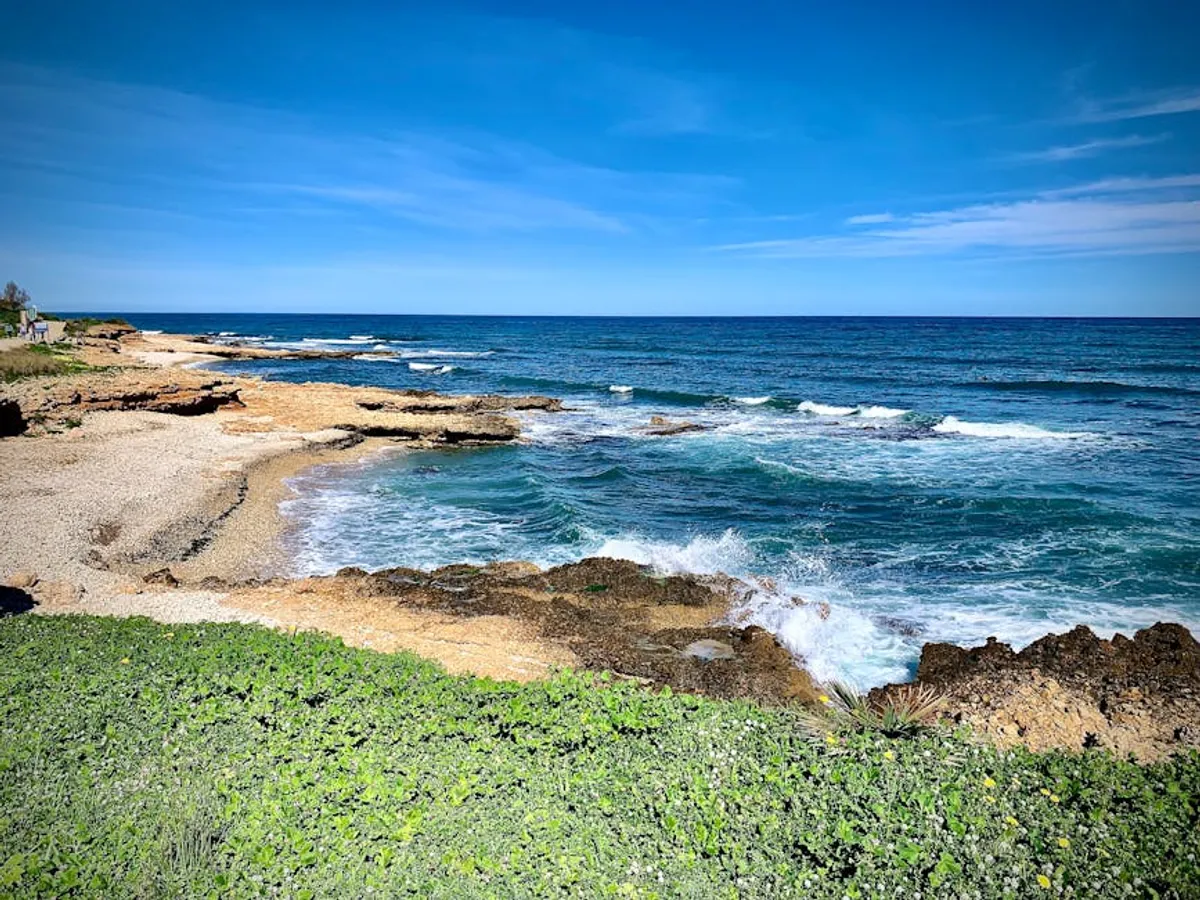
Choosing the ideal beach in Spain requires understanding the diverse coastal offerings, which range from windswept Atlantic shores to tranquil Mediterranean coves. This guide provides a detailed overview of Spain's premier beaches, moving beyond general descriptions to highlight specific attributes, suitability for different traveler profiles, and practical considerations. Each entry focuses on distinct characteristics, allowing for informed decisions based on desired atmosphere, activities, and accessibility. The objective is to equip travelers with the precise information needed to match their expectations with the reality of Spain's varied and extensive coastline, ensuring a tailored and satisfying experience. This detailed look at Spain's beaches is part of a larger effort to provide a more comprehensive travel overview.
How to Choose Your Ideal Spanish Beach
Selecting the best Spanish beach involves more than just picking a pretty picture. Consider these factors to align your choice with your travel priorities and avoid common mismatches:
- Traveler Profile: Are you a family with young children needing shallow, calm waters and amenities? A couple seeking romantic seclusion? A solo adventurer looking for water sports or hiking? Or a group desiring lively nightlife?
- Desired Activities: Beyond swimming and sunbathing, do you want to surf, snorkel, dive, kayak, paddleboard, or kite-surf? Some beaches are renowned for specific activities, while others are purely for relaxation.
- Accessibility and Amenities: Evaluate how easy it is to reach the beach (car, public transport, boat, hike). Consider the availability of parking, lifeguards, restrooms, showers, sunbed rentals, chiringuitos (beach bars), and restaurants. Remote beaches often lack these conveniences but offer unparalleled natural beauty.
- Natural vs. Urban Setting: Decide between an urban beach integrated into a city with immediate access to services and culture, or a wild, natural beach offering pristine landscapes and tranquility, often at the expense of convenience.
- Water Conditions: Mediterranean beaches typically offer warmer, calmer waters, ideal for swimming and families. Atlantic beaches (like those in Galicia or the Canary Islands) can have cooler temperatures, stronger currents, and larger waves, appealing to surfers and those who prefer a more invigorating experience.
- Sand Type: Spain features a range from fine golden sand to coarse pebbles and volcanic black sand. Each offers a different tactile experience and can influence comfort.
- Crowd Tolerance: Popular beaches, especially urban ones and those on islands, can be extremely crowded during peak season (July-August). If solitude is a priority, research less-known coves or plan a visit during the shoulder seasons (May-June, September-October).
1. La Concha, San Sebastián
Located in the elegant city of San Sebastián, La Concha is a crescent-shaped urban beach renowned for its sophisticated setting and calm, shallow waters. Flanked by ornate railings and the Belle Époque architecture of the city, it offers a unique blend of natural beauty and urban convenience. The shell-shaped bay is protected by Monte Igueldo and Monte Ulia, creating a tranquil environment ideal for swimming.
Best For: Families with young children, urban beachgoers, those seeking a blend of city exploration and relaxation.
Pros: Exceptionally clean, calm waters suitable for all ages, excellent city amenities nearby (restaurants, shops), picturesque views, easy accessibility, iconic promenade for strolls.
Cons: Can become very crowded during peak summer months, parking is challenging and expensive, water can be cool even in summer due to its Atlantic influence.
Verdict: An iconic European urban beach offering a refined experience, perfect for those who prioritize convenience and a beautiful setting over wild seclusion. Its city integration means cultural and culinary experiences are steps away.
2. Playa de Ses Illetes, Formentera
Situated within the Ses Salines Natural Park in Formentera, Playa de Ses Illetes consistently ranks among Europe's finest. Its appeal lies in its strikingly clear, turquoise waters and fine white sand, reminiscent of Caribbean shores. The beach is a narrow strip of land, allowing visitors to choose between two sides with varying wind conditions, and its protected status ensures a pristine natural environment.
Best For: Nature lovers, couples seeking romantic tranquility, luxury travelers, those prioritizing crystal-clear waters for swimming and snorkeling.
Pros: Stunningly clear water, soft white sand, protected natural park status, opportunities for snorkeling and paddleboarding, unique dual-coastline experience, limited development maintains its natural charm.
Cons: Access is regulated and often requires a fee (especially for vehicles), can be very crowded in high season, limited facilities, water can be chilly outside peak summer, expensive food/drink options at nearby chiringuitos.
Verdict: An unparalleled natural beauty offering a slice of paradise, but its popularity and protected status demand planning and acceptance of potential crowds and costs. Ideal for a day trip focused purely on pristine beach enjoyment.
3. Playa de Bolonia, Tarifa
Playa de Bolonia, near Tarifa in Andalusia, is a vast, wild beach characterized by its expansive golden sands, a towering dune (Duna de Bolonia), and the remarkably preserved Roman ruins of Baelo Claudia directly adjacent to the shore. This combination of natural grandeur and historical significance creates a unique atmosphere, far removed from typical resort beaches. The Atlantic winds make it a popular spot for wind sports.
Best For: History enthusiasts, nature photographers, wind sports participants (windsurfing, kitesurfing), those seeking a wilder, less developed beach experience.
Pros: Impressive natural landscape with a massive dune, direct access to Roman ruins, excellent conditions for wind sports, generally less crowded than Mediterranean beaches, authentic local feel, stunning sunsets.
Cons: Can be very windy, making sunbathing uncomfortable at times; water can be cold; limited infrastructure and amenities; access involves driving on narrower roads.
Verdict: A powerful blend of ancient history and raw natural beauty, offering a distinct experience for those who appreciate untamed landscapes and historical context. Not ideal for calm swimming or extensive amenities.
4. Cala Macarella & Macarelleta, Menorca
These two iconic coves on Menorca's south coast are celebrated for their breathtaking turquoise waters, fine white sand, and dramatic limestone cliffs blanketed in pine forests. Cala Macarella is larger and more accessible, while its smaller sibling, Macarelleta, requires a short walk and is often favored by nudists. Both embody the quintessential Balearic cove experience, offering sheltered, calm waters.
Best For: Snorkelers, nature lovers, couples, those seeking picturesque Mediterranean coves with calm, clear waters.
Pros: Stunningly clear, calm, and warm waters ideal for swimming and snorkeling; pristine natural surroundings; soft white sand; well-maintained walking paths between the coves; iconic photo opportunities.
Cons: Extremely popular and becomes very crowded in summer, parking is limited and often requires a bus transfer during peak season, limited facilities (one restaurant at Macarella, none at Macarelleta), can be a challenging walk for some.
Verdict: A visual masterpiece of the Balearics, offering an idyllic setting for a classic Mediterranean beach day. Requires early arrival or off-season visits to fully appreciate its tranquility, but the beauty justifies the effort.
5. Playa de Las Canteras, Las Palmas, Gran Canaria
Playa de Las Canteras is a vibrant urban beach stretching over 3 kilometers in Las Palmas, Gran Canaria. Its unique feature is "La Barra," a natural lava rock reef running parallel to the shore, creating a protected, calm lagoon ideal for swimming and snorkeling. The beach is backed by a lively promenade lined with restaurants, cafes, and shops, offering a dynamic city-beach experience year-round due to the island's mild climate.
Best For: Urban explorers, families, year-round sun-seekers, snorkelers, those who enjoy immediate access to city amenities and a lively atmosphere.
Pros: Protected calm waters by the reef, excellent for swimming and snorkeling; extensive promenade with abundant dining and shopping options; consistent mild climate year-round; easy accessibility within the city; generally clean and well-maintained.
Cons: Can be very crowded, especially in the central sections; urban setting means less natural seclusion; occasional strong currents beyond the reef; parking can be difficult to find.
Verdict: A highly functional and enjoyable urban beach that perfectly blends city life with ocean recreation. Its unique natural reef provides safe swimming conditions, making it a reliable choice for families and those seeking convenience.
6. Playa de Rodas, Cíes Islands, Galicia
Often hailed as one of the world's best beaches, Playa de Rodas connects two of the Cíes Islands (Monteagudo and Faro) within the Atlantic Islands of Galicia National Park. Its allure stems from its crescent of dazzling white sand, crystal-clear turquoise waters, and backdrop of lush pine forests. The islands are a protected natural park, limiting visitor numbers and preserving their pristine beauty.
Best For: Nature enthusiasts, hikers, photographers, those seeking pristine natural beauty and a unique island escape.
Pros: Exquisite natural beauty, soft white sand, remarkably clear water, protected natural park status limits crowds, excellent hiking trails, a true escape from urban life.
Cons: Water is notably cold even in summer due to Atlantic influence, access is restricted (requires ferry booking and national park permit), limited facilities on the island, can be windy.
Verdict: A breathtaking natural wonder that lives up to its reputation, offering an unforgettable experience for those willing to brave the cold water and plan ahead for limited access. Best for a day trip focused on nature and scenic walks.
7. Playa de Muro, Mallorca
Playa de Muro, located on Mallorca's northeast coast, is one of the island's longest sandy beaches, stretching for several kilometers. It is characterized by its exceptionally fine white sand and very shallow, calm, and clear waters that extend far out, making it particularly safe and appealing for families with young children. The beach is well-equipped with amenities and backed by a natural dune system and pine forests in some sections.
Best For: Families with young children, travelers seeking calm, shallow waters, those who appreciate extensive sandy beaches with good amenities.
Pros: Extremely shallow and calm waters ideal for children, fine white sand, very long beach prevents overcrowding in most areas, good range of amenities (lifeguards, sunbeds, restaurants), beautiful natural backdrop in parts.
Cons: Can feel developed in some sections due to hotels, less natural seclusion than other coves, can get busy in peak season, water sports might be limited due to shallow depth.
Verdict: A highly practical and enjoyable family-friendly beach offering safety and comfort without sacrificing natural beauty. Its vastness ensures space, even during busy periods, making it a top choice for a relaxed beach holiday.
8. Cala Granadella, Jávea, Costa Blanca
Cala Granadella is a stunning cove on the Costa Blanca, near Jávea, famous for its crystal-clear turquoise waters and a seabed rich in marine life, making it a prime spot for snorkeling and diving. Unlike many sandy beaches, Granadella is a pebble beach, contributing to its exceptional water clarity. It is nestled between dramatic cliffs covered in pine trees, providing a sense of seclusion and natural beauty.
Best For: Snorkelers, divers, kayakers, paddleboarders, those seeking clear water and a picturesque, sheltered cove for water activities.
Pros: Outstanding water clarity for snorkeling and diving, beautiful natural setting with cliffs and pine forests, calm and protected waters, opportunities for kayaking and paddleboarding, generally less crowded than large sandy beaches.
Cons: Pebble beach can be uncomfortable without appropriate footwear, parking is extremely limited and often requires early arrival or a shuttle bus in summer, facilities are basic, road access can be winding.
Verdict: A true gem for underwater exploration and water sports, offering a more rugged and natural experience than typical sandy resorts. Its beauty and clarity are a reward for those who don't mind pebbles and limited access.
9. Playa del Silencio, Asturias
Playa del Silencio, or "Beach of Silence," in Asturias, lives up to its name with a serene and dramatic landscape. This natural cove is characterized by its semi-circular shape, surrounded by towering, rugged cliffs and rock formations that create a natural amphitheater. The beach itself is a mix of pebbles and dark sand, and the Atlantic waters, while clear, are often cool and can have currents. Its beauty lies in its wild, untamed nature.
Best For: Photographers, nature lovers, those seeking dramatic coastal scenery, hikers, visitors desiring tranquility away from crowds.
Pros: Stunningly dramatic and pristine natural landscape, incredibly peaceful and quiet, excellent for photography, unique geological formations, a true escape from commercialization.
Cons: Access involves a steep, somewhat challenging path and many steps, pebble beach, water is cold and currents can be strong, very limited facilities (none directly on the beach), parking is a distance away.
Verdict: An awe-inspiring natural spectacle for those who appreciate rugged beauty and solitude. It requires effort to reach but rewards visitors with an unforgettable, tranquil experience far removed from typical beach tourism.
10. Playa de Zahara de los Atunes, Cádiz
Playa de Zahara de los Atunes is a long, wide, golden sandy beach located in the authentic Andalusian fishing village of Zahara de los Atunes, in the province of Cádiz. This beach offers extensive space, preventing overcrowding even in summer, and is known for its clean waters and a relaxed, authentic Spanish atmosphere. It's less developed than other Costa de la Luz beaches, retaining a charming local character.
Best For: Those seeking a spacious, authentic Spanish beach experience, families, couples, visitors who appreciate good food and a relaxed pace.
Pros: Very long and wide beach, ensuring plenty of space; fine golden sand; clean waters; charming authentic village with excellent seafood restaurants (especially tuna); generally less touristy than other coastal areas; beautiful sunsets.
Cons: Can be windy due to Atlantic exposure, water can be cool, facilities are more localized rather than extensive resort-style, access to the village can be via narrower roads.
Verdict: An excellent choice for a genuine Andalusian beach holiday, combining vast natural beauty with a relaxed, culinary-rich village atmosphere. Ideal for those who value space, authenticity, and fresh local cuisine.
11. Sitges Beach (multiple), Sitges, Catalonia
Sitges offers a collection of diverse beaches, from wide urban stretches like Playa de la Ribera to smaller, more secluded coves, many of which are LGBTQ+ friendly or designated for nudism. Located just south of Barcelona, Sitges is known for its vibrant, inclusive atmosphere, beautiful promenade, and modernist architecture. The beaches are generally well-maintained, with fine sand and calm Mediterranean waters.
Best For: LGBTQ+ travelers, those seeking a lively and inclusive atmosphere, visitors wanting a beach escape close to Barcelona, urban beachgoers.
Pros: Diverse range of beaches catering to different preferences, vibrant and inclusive atmosphere, excellent amenities and dining options along the promenade, easy accessibility from Barcelona, fine sand and calm waters, picturesque town backdrop.
Cons: Can be very crowded, especially on weekends and in summer; parking is difficult and expensive; some beaches are small; less natural seclusion due to urban setting.
Verdict: A dynamic beach destination offering a lively, welcoming atmosphere and convenient access to both Mediterranean shores and a charming town. Ideal for those who enjoy a social beach experience with cultural and culinary options nearby.
12. Playa de Papagayo, Lanzarote
Playa de Papagayo is not a single beach but a series of pristine, sheltered coves located at the southern tip of Lanzarote, within a protected natural area. These golden sand coves are famous for their exceptionally clear, calm, emerald-green waters and dramatic volcanic landscape backdrop. Their relative seclusion, requiring a drive over an unpaved road, contributes to their untouched feel.
Best For: Snorkelers, families, nature lovers, those seeking picturesque coves with calm waters and a unique volcanic setting.
Pros: Exceptionally clear and calm waters, ideal for swimming and snorkeling; stunning golden sand; unique volcanic landscape provides a dramatic backdrop; relatively secluded despite popularity; protected natural area maintains pristine conditions.
Cons: Access requires driving on an unpaved, dusty road (toll usually applies), limited facilities (one or two basic chiringuitos), can be very busy in peak season, no shade unless you bring your own.
Verdict: A truly iconic Lanzarote experience, offering breathtaking natural beauty and superb swimming conditions within a protected volcanic landscape. The effort to reach it is rewarded with some of the island's most pristine and photogenic coves.
Maximizing Your Spanish Beach Experience
To fully enjoy Spain's diverse beaches, consider these practical tips:
- Timing Your Visit: For fewer crowds and pleasant weather, target the shoulder seasons (May-June and September-October). July and August are peak times, with higher temperatures and significantly more visitors.
- Sun Protection: Spanish sun is intense. Always use high-SPF sunscreen, wear hats, and consider bringing an umbrella or seeking shade, especially between 12 PM and 4 PM.
- Footwear: While many beaches have fine sand, some are pebbly or require walking on rocky paths. Water shoes or sturdy sandals are advisable for certain coves or exploring coastal trails.
- Local Etiquette: Nudism is common and accepted on many Spanish beaches, particularly on specific sections or smaller coves. Be aware of local customs, especially regarding attire when leaving the beach area.
- Stay Hydrated: Carry plenty of water, especially when visiting more remote beaches with limited facilities.
- Respect Natural Environments: Many pristine beaches are within protected natural parks. Adhere to rules regarding litter, noise, and preservation of flora and fauna.
- Check Water Conditions: Look for flag warnings (green, yellow, red) indicating swimming safety. Be mindful of currents, especially on Atlantic coasts.
- Book Ahead: For popular islands like Formentera or the Cíes Islands, ferry tickets and sometimes even beach access permits must be booked well in advance, particularly during high season.
Frequently Asked Questions About Spanish Beaches
Q: Are Spanish beaches generally safe for swimming?
A: Yes, most popular Spanish beaches are very safe, especially those with lifeguards and calm Mediterranean waters. Always observe flag warnings, as red flags indicate dangerous conditions.
Q: Do I need to pay to access beaches in Spain?
A: Public beach access in Spain is generally free. However, some protected natural areas (like Ses Illetes in Formentera or Papagayo in Lanzarote) may charge a small fee for vehicle entry or require a permit to limit visitor numbers.
Q: Is nudism allowed on all Spanish beaches?
A: No, while Spain is generally tolerant, nudism is typically practiced on designated "playas nudistas" or in more secluded coves. On mainstream urban beaches, it is less common and may be frowned upon.
Q: What facilities can I expect on Spanish beaches?
A: This varies significantly. Urban and resort beaches often have extensive facilities including lifeguards, showers, restrooms, sunbed/umbrella rentals, chiringuitos (beach bars), and water sports rentals. Remote coves may have no facilities at all.
Q: Are dogs allowed on Spanish beaches?
A: Dog regulations vary by municipality and season. Many beaches restrict dogs during peak summer months. Look for specific "playas para perros" (dog beaches) or check local regulations before bringing your pet.
Q: What's the best time of year for beach holidays in Spain?
A: For warm weather and swimming, June to September is ideal. For fewer crowds and pleasant temperatures, May, early June, and September are excellent. The Canary Islands offer warm beach weather year-round.
Q: Can I rent equipment for water sports on Spanish beaches?
A: Yes, many beaches, especially those in resort areas or known for specific activities, offer rentals for paddleboards, kayaks, jet skis, and other water sports equipment. Surf schools and rental shops are common in surf-friendly areas.