
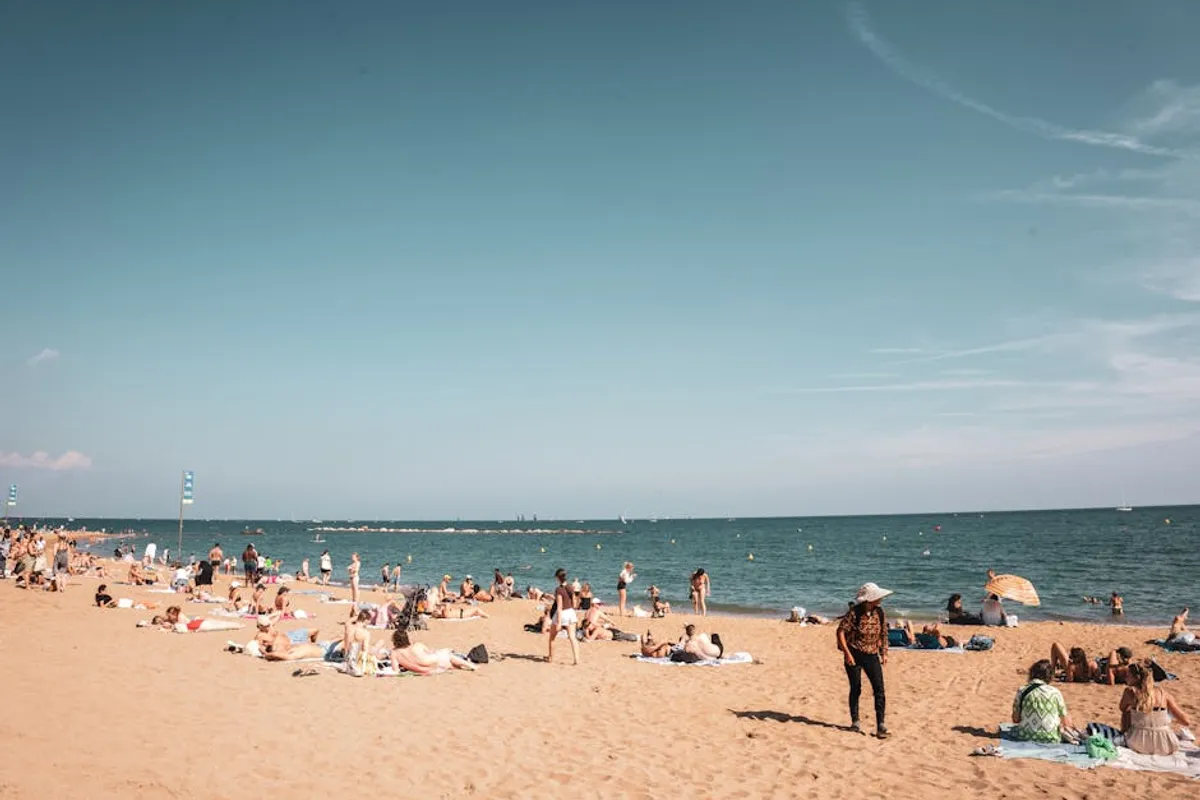
Spain's coastline, stretching thousands of kilometers across the Mediterranean, Atlantic, and Cantabrian seas, offers a vast and varied tapestry of beach experiences. From the golden sands of Andalusia to the rugged coves of the Balearics and the wild shores of Galicia, the allure is undeniable. However, the sheer diversity and popularity of these destinations mean that planning a trip requires more than just picking a sunny spot on a map. Many travelers, even seasoned ones, fall into common traps that can diminish their coastal escape, turning a potentially sublime experience into one marred by crowds, inconvenience, or missed opportunities. Understanding and actively avoiding these prevalent mistakes is not merely about preventing disappointment; it is about strategically optimizing your travel decisions to unlock the most authentic, enjoyable, and memorable Spanish beach holiday possible. This guide details the critical missteps often made and provides actionable strategies to ensure your time by the sea is truly exceptional. To help you navigate this, we've compiled some tips for enjoying Spain's beaches without the common frustrations.
How to Plan Your Spanish Beach Escape Wisely
Before diving into specific pitfalls, a foundational understanding of Spain's coastal geography and travel dynamics is essential. Spain is not a monolithic beach destination; its regions offer distinct climates, cultures, and beach types. The Mediterranean coast (Costa del Sol, Costa Blanca, Costa Brava) is known for warm, calm waters and extensive tourist infrastructure. The Atlantic coast (Costa de la Luz) offers cooler waters, wider beaches, and often a breezier climate, popular for wind sports. The northern Cantabrian coast (Asturias, Cantabria, Basque Country) features dramatic cliffs, lush green landscapes, and cooler, wilder seas, attracting surfers and nature lovers. The Balearic and Canary Islands each present unique microclimates and distinct beach characteristics, from volcanic sands to turquoise coves. Effective planning involves aligning your personal preferences—be it tranquil relaxation, vibrant nightlife, watersports, or cultural immersion—with the specific characteristics of a region and the optimal time to visit it. This proactive approach minimizes unforeseen issues and maximizes satisfaction.
1. Mistake: Limiting Your Search to Famous Coasts
Many travelers default to the most internationally recognized Spanish coasts, such as the Costa del Sol, Costa Brava, or parts of the Balearic Islands. While these regions are popular for valid reasons—established infrastructure, reliable weather, and a wide array of amenities—their fame often comes at the cost of authenticity and tranquility, especially during peak season. Focusing exclusively on these well-trodden paths means overlooking a wealth of diverse, equally stunning, and often more rewarding alternatives that offer different cultural nuances and natural beauty.
Common Scenario: First-time visitors to Spain, those relying solely on broad travel guides, or travelers prioritizing ease of access and English-speaking services above all else.
Perceived Advantage: Familiarity, extensive tourist facilities, high likelihood of finding English-speaking staff, and a perceived guarantee of a "classic" beach holiday experience.
Actual Pitfall: Overcrowding, inflated prices for accommodation and services, a diluted local experience, and missing out on the unique charm and landscapes of lesser-known regions. The sheer volume of tourists can detract significantly from the relaxation and cultural immersion sought by many.
Strategic Correction: Broaden your research to include regions like the Costa de la Luz (Andalusia's Atlantic coast), known for vast, unspoiled beaches and authentic towns; the Rías Baixas in Galicia, with its fjord-like estuaries and seafood culture; or the rugged, green coastlines of Asturias and Cantabria, offering dramatic cliffs and surfing opportunities. These areas provide different atmospheres, often with fewer crowds and more opportunities for genuine local interaction.
2. Mistake: Ignoring Shoulder Season Travel
A significant number of visitors to Spain's beaches concentrate their trips during the peak summer months of July and August. This period aligns with school holidays across Europe and North America, leading to a massive influx of tourists. While the weather is reliably hot and all tourist facilities are fully operational, this timing often results in a compromised experience due to high demand and limited capacity. This timing is one of the most common travel mistakes to avoid if you seek a more relaxed experience.
Common Scenario: Families with school-aged children, individuals seeking guaranteed hot weather, or those whose work schedules only permit summer travel.
Perceived Advantage: Maximum sunshine, warmest water temperatures, vibrant nightlife, and a guarantee that all attractions and services will be open.
Actual Pitfall: Extreme heat (often exceeding 35°C), exorbitant prices for flights and accommodation, severely overcrowded beaches, long waits at restaurants, and a general feeling of being part of a tourist conveyor belt rather than an authentic local experience. The intense heat can also limit daytime activities.
Strategic Correction: Consider traveling during the shoulder seasons—May, June, September, or early October. During these months, the weather is still pleasantly warm (often in the mid-20s °C), water temperatures are comfortable, and the crowds are significantly thinner. Prices for flights and lodging are typically lower, and you'll find a more relaxed atmosphere, easier access to attractions, and better opportunities to engage with local culture without the overwhelming tourist crush.
3. Mistake: Underestimating the Diversity of Spanish Beaches
A common misconception is that all Spanish beaches conform to a single archetype—typically, golden sand and calm, warm Mediterranean waters. This assumption leads to travelers arriving with misaligned expectations, potentially resulting in disappointment if their chosen beach doesn't match their preconceived notion or desired activity.
Common Scenario: Travelers who have not conducted specific research into regional variations or who have only experienced one type of Spanish beach previously.
Perceived Advantage: A general expectation of a "beach holiday" without needing to delve into specifics, assuming a universal standard of sand and sun.
Actual Pitfall: Disappointment if expecting surfing waves on the Mediterranean (generally calmer) or calm, sheltered coves on the Atlantic (often wilder). Travelers might miss out on activities suited to different beach types, such as snorkeling in rocky Balearic coves or surfing on the Cantabrian coast, because their expectations were fixed on a different environment.
Strategic Correction: Identify your primary beach activity or desired atmosphere. If you seek calm, clear waters for swimming and snorkeling, research the Balearic Islands (e.g., Menorca, Mallorca) or specific coves on the Costa Brava. For extensive golden sands and family-friendly facilities, consider parts of the Costa Blanca or Costa de la Luz. If surfing or dramatic, wild landscapes appeal, look towards the Atlantic coast in Galicia or the Cantabrian coast in Asturias and the Basque Country. Each region offers a distinct coastal personality.
4. Mistake: Neglecting Local Transport and Accessibility
Assuming that all desirable beaches in Spain are easily accessible by public transport or offer ample, convenient parking is a frequent oversight. This can lead to logistical frustrations, wasted time, and missed opportunities to visit more secluded or picturesque spots.
Common Scenario: Relying solely on ride-sharing apps, not planning for rental cars in rural areas, or assuming urban beach convenience will extend to all locations.
Perceived Advantage: Spontaneity, avoiding the cost and hassle of a rental car, or believing that a good public transport network covers all scenic routes.
Actual Pitfall: Getting stranded in remote locations with infrequent bus service, facing expensive taxi fares for short distances, enduring frustrating and time-consuming searches for parking in popular areas, or being unable to reach truly secluded, pristine beaches that are only accessible by car or a significant walk.
Strategic Correction: Research specific beach access before you go. For urban beaches (e.g., La Concha in San Sebastián, Barceloneta in Barcelona), public transport is usually excellent. For exploring a region with multiple coves or rural beaches (e.g., Costa Brava, parts of Andalusia), renting a car provides invaluable flexibility. For specific remote beaches, be prepared for a hike or consider local boat tours that offer access. Always check parking availability and costs in advance, especially during high season.
5. Mistake: Not Booking Accommodation Proactively
Waiting until the last minute to secure lodging, particularly near popular Spanish beaches, is a common error driven by a misplaced sense of flexibility or an underestimation of demand. This approach rarely yields positive results in highly sought-after destinations.
Common Scenario: Travelers who prefer to be spontaneous, those who believe there will always be last-minute availability, or those hoping for discounted rates closer to the travel date.
Perceived Advantage: Flexibility to change plans, potential for last-minute deals, and avoiding commitment until closer to the trip.
Actual Pitfall: Limited options, forcing choices that compromise on location, quality, or budget. Inflated prices for remaining rooms, often meaning settling for accommodation far from the beach or in less desirable areas. During peak season, this mistake can lead to complete lack of availability in preferred locations, necessitating significant changes to travel plans.
Strategic Correction: Book accommodation several months in advance, especially if traveling during peak season (July-August) or to particularly popular destinations like the Balearic Islands, Ibiza, or specific Costa Brava towns. For shoulder season, booking 2-3 months ahead is usually sufficient. This proactive approach secures better locations, a wider choice of property types, and more favorable rates.
6. Mistake: Disregarding Local Siesta and Dining Hours
Travelers unfamiliar with Spanish daily rhythms often expect continuous service and dining availability throughout the day, similar to many other countries. Spain's traditional schedule, including the midday siesta and later dining hours, can lead to frustration if not anticipated.
Common Scenario: Visitors from countries with continuous business hours, those who prefer to eat dinner early, or travelers who haven't researched local cultural practices.
Perceived Advantage: Sticking to personal meal schedules and shopping routines without adjustment.
Actual Pitfall: Finding many shops closed between approximately 2 PM and 5 PM, and restaurants often not opening for dinner service until 8 PM or later. This can lead to difficulty finding food or services during midday, and an inability to dine at preferred times, especially with young children. It can also disrupt plans for activities if essential services are unavailable.
Strategic Correction: Adapt to the local schedule. Plan a late lunch (often between 2 PM and 4 PM), enjoy tapas in the late afternoon, and embrace the later dinner times (8 PM onwards). Grocery stores typically remain open through siesta, allowing for snack purchases. Plan shopping and non-essential errands for mornings or late afternoons/evenings. Embracing this rhythm enhances cultural immersion rather than fighting against it.
7. Mistake: Overlooking Beach Safety and Regulations
Assuming all Spanish beaches are equally safe for swimming or that regulations are minimal is a dangerous oversight. Spain has varying coastal conditions and local rules designed for safety and environmental protection, which, if ignored, can lead to serious consequences or fines.
Common Scenario: Travelers who prioritize spontaneous exploration over research, those unfamiliar with flag systems, or individuals who don't consider environmental impact.
Perceived Advantage: Unrestricted enjoyment of the beach, freedom to engage in any activity.
Actual Pitfall: Dangerous swimming conditions due to strong currents or hidden rocks, leading to potential accidents. Fines for prohibited activities such as wild camping, making fires, littering, or accessing protected dunes. Environmental damage from disrespectful behavior, impacting the very natural beauty travelers seek.
Strategic Correction: Always observe flag warnings (green for safe, yellow for caution, red for danger) and respect lifeguard instructions. Familiarize yourself with local beach regulations, often posted at access points, regarding activities like fishing, barbecues, or pet restrictions. Stay informed about marine protected areas and their specific rules. Practice "leave no trace" principles to preserve the natural environment for future visitors.
8. Mistake: Forgetting Sun Protection and Hydration
Underestimating the intensity of the Spanish sun, particularly during the summer months or in southern regions, is a common and easily avoidable mistake that can significantly impact health and holiday enjoyment.
Common Scenario: Travelers accustomed to less intense sun, those who forget to reapply sunscreen, or individuals who neglect consistent hydration.
Perceived Advantage: Minimal luggage, achieving a quick tan.
Actual Pitfall: Severe sunburn, heatstroke, dehydration, and general discomfort, which can ruin several days of a holiday. Long-term risks include increased skin damage and health issues. Symptoms like headaches, dizziness, and fatigue are common indicators of inadequate sun protection and hydration.
Strategic Correction: Pack high SPF (30+) broad-spectrum sunscreen and apply it generously and frequently, especially after swimming. Wear a wide-brimmed hat, UV-protective sunglasses, and light, loose-fitting clothing. Seek shade during the peak sun hours (typically 12 PM to 4 PM). Crucially, drink plenty of water throughout the day, even if you don't feel thirsty, to stay adequately hydrated. Consider electrolyte drinks if engaging in strenuous activity.
9. Mistake: Not Exploring Beyond the Sand
Many beach-focused trips to Spain become exclusively about the sand and sea, leading travelers to miss out on the rich cultural, historical, and natural attractions often located just a short distance from the coast. This narrow focus limits the depth and breadth of the travel experience.
Common Scenario: Pure "beach holiday" mindset, travelers with limited time who prioritize relaxation, or those unaware of nearby attractions.
Perceived Advantage: Maximizing beach time and relaxation, avoiding additional planning or travel.
Actual Pitfall: Missing out on Spain