
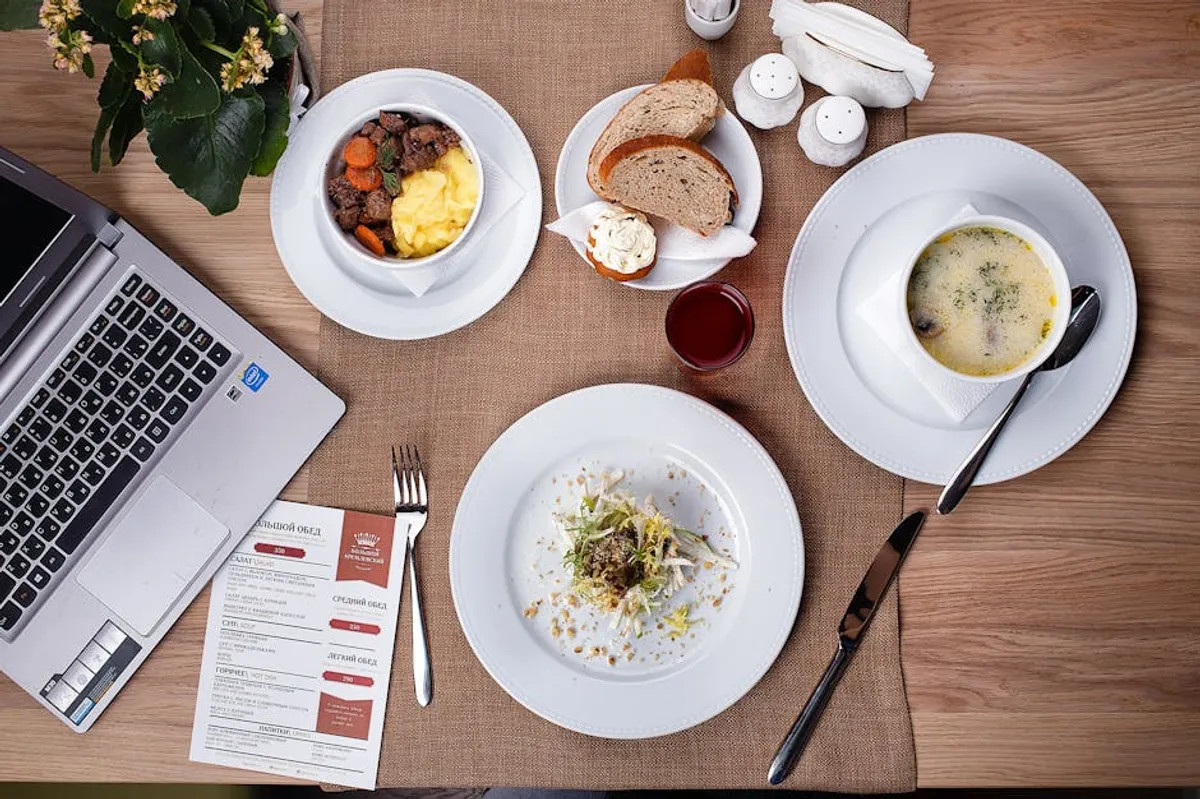
Exploring regional foods offers travelers an unparalleled entry point into a destination's culture, history, and daily life. Beyond merely satisfying hunger, seeking out specific local dishes transforms a trip into a rich, sensory experience, connecting visitors directly with the traditions and ingredients that define a place. This isn't about generic international cuisine found anywhere; it's about the distinct flavors, preparation methods, and communal rituals that have evolved over centuries within specific geographic boundaries. For the discerning traveler, prioritizing authentic regional food provides a more profound understanding of the local identity, often at a more accessible price point than mainstream tourist dining. The decision to delve into a region's culinary specialties means embracing discovery, engaging with local vendors, and often stepping outside comfort zones to uncover truly memorable tastes.
Tips for Discovering Authentic Regional Cuisine
Successfully navigating the world of regional food requires more than just a willingness to eat. Strategic preparation ensures a more rewarding culinary journey. Start by researching a destination's signature dishes before arrival, focusing on ingredients indigenous to the area and traditional cooking techniques. Utilize local resources once on the ground: ask hotel staff, shopkeepers, or taxi drivers for their personal recommendations, as these often lead to hidden gems far from tourist traps. Engage with food bloggers or local social media groups for up-to-date insights on seasonal specialties or pop-up eateries. Consider taking a local cooking class; this not only teaches you how to prepare a dish but also provides context on its cultural significance and ingredient sourcing. Be open to street food, which often represents the most authentic and accessible form of regional cuisine, but always observe hygiene practices. Finally, manage expectations: not every dish will be a revelation, but each offers a piece of the local story. Prioritize experiences over perfection, and let curiosity guide your palate.
1. Neapolitan Pizza
Originating from Naples, Italy, true Neapolitan pizza adheres to strict standards, codified by the Associazione Verace Pizza Napoletana (AVPN). It features a simple, soft, and elastic dough made only with specific flours, water, salt, and yeast, hand-kneaded, and baked for no more than 60-90 seconds in a wood-fired oven exceeding 900°F (485°C). The result is a thin, chewy crust with a puffy, charred edge (cornicione), topped minimally with San Marzano tomatoes, fresh mozzarella (from buffalo or cow's milk), fresh basil, and olive oil. Its simplicity highlights the quality of its few ingredients, making it a foundational dish in global cuisine.
Best for: Travelers seeking a foundational Italian culinary experience, particularly those who appreciate ingredient quality over complex preparations. It's ideal for a quick, satisfying meal in a vibrant urban setting.
Pros: Authenticity is guaranteed by AVPN certification in many establishments; relatively inexpensive for high-quality ingredients; widely available in Naples; a communal dining experience.
Cons: Limited topping options by traditional standards; can be an acquired taste for those accustomed to thicker, heavily loaded pizzas; availability outside Naples can be inconsistent for true authenticity.
Verdict: A mandatory culinary pilgrimage for any food enthusiast visiting Italy. Its historical significance and direct, unadulterated flavor profile make it a benchmark for pizza worldwide, offering a taste of genuine Neapolitan tradition.
2. Tacos al Pastor
Tacos al Pastor are a quintessential Mexico City street food, a fusion dish with Lebanese roots. Marinated pork is stacked on a vertical spit (trompo) and slow-cooked as it rotates, much like shawarma. The marinade typically includes dried chilies, spices, and achiote, giving the meat its distinctive red hue and savory-sweet flavor. As the outer layers caramelize, thin slices are shaved directly into warm corn tortillas, often topped with pineapple, cilantro, and diced white onion. The pineapple adds a crucial acidic counterpoint to the rich pork.
Best for: Adventurous eaters looking for an iconic Mexican street food experience, especially those who enjoy flavorful, savory pork with a hint of sweetness and spice. Perfect for casual, on-the-go dining.
Pros: Inexpensive and widely available in Mexico City; offers a unique blend of flavors; watching the trompo preparation is part of the experience; highly customizable with various salsas.
Cons: Can be messy to eat; quality varies significantly between vendors; pork-based, so not suitable for vegetarians or those avoiding pork.
Verdict: An essential culinary experience in Mexico, representing a vibrant cross-cultural history. The combination of succulent pork, tangy pineapple, and fresh toppings delivers a complex flavor profile that defines Mexican street food excellence.
3. Pho
Pho is Vietnam's national dish, a fragrant noodle soup consisting of a clear, deeply flavored broth, rice noodles (bánh phở), herbs, and meat—typically beef (phở bò) or chicken (phở gà). The broth, the soul of pho, is simmered for hours with roasted ginger, onions, star anise, cinnamon, and other spices. It's served with a plate of fresh garnishes like bean sprouts, lime wedges, chili slices, and various herbs (basil, mint, cilantro) for diners to customize to their preference. The dish is a staple for breakfast, lunch, or dinner across Vietnam.
Best for: Travelers seeking a comforting, aromatic, and deeply satisfying meal that offers a true taste of Vietnamese culinary artistry. It's versatile for different times of day and adaptable to personal spice preferences.
Pros: Highly aromatic and flavorful; healthy and nourishing; widely available and affordable throughout Vietnam; offers a customizable dining experience with fresh herbs and condiments.
Cons: Broth preparation can be complex and time-consuming for home cooks; some may find the intensity of certain spices or the raw meat (for phở tái) challenging; quality can vary.
Verdict: A must-try for its intricate balance of flavors and textures, pho provides a quintessential Vietnamese dining experience. Its comforting warmth and aromatic complexity make it a memorable and deeply satisfying dish.
4. Paella Valenciana
Paella Valenciana is the original paella, hailing from the Valencia region of Spain. Unlike seafood paella, the authentic version traditionally features short-grain rice, chicken or rabbit, green beans (ferraura), butter beans (garrofó), and often snails, flavored with saffron, paprika, and rosemary. It is cooked in a wide, shallow pan (the paellera) over an open fire, creating a coveted crispy rice crust at the bottom called the "socarrat." This dish is a communal meal, often prepared outdoors for family gatherings on Sundays.
Best for: Travelers interested in traditional Spanish cuisine, particularly those who appreciate savory meat and vegetable combinations with a distinct aromatic profile. Ideal for group dining and experiencing a cultural tradition.
Pros: Rich, complex flavors from slow cooking; the socarrat provides a unique texture; deeply rooted in Valencian culture; a festive and communal dish.
Cons: Can be difficult to find truly authentic versions outside of Valencia; preparation is time-consuming; specific ingredients like snails might be off-putting to some; often requires a minimum number of diners.
Verdict: An essential taste of Spanish culinary heritage, Paella Valenciana offers a robust and authentic flavor profile distinct from its more common seafood variations. Seeking out a traditional preparation is key to appreciating its true essence.
5. Sushi (Edomae-style)
Edomae-style sushi, originating from Tokyo (formerly Edo), emphasizes the quality and preparation of the fish and rice. Rather than just raw fish, it refers to a specific method where fish is often cured, marinated, or lightly cooked to enhance its flavor and preservation, reflecting historical refrigeration limitations. The rice (shari) is seasoned with vinegar, salt, and sugar, served at body temperature, and precisely molded with the fish (neta). The focus is on the chef's skill in balancing these elements to create a harmonious bite, often served piece by piece at a counter.
Best for: Discerning foodies and those seeking a refined, minimalist, and highly skilled culinary art form. It's an immersive experience that prioritizes quality, precision, and the chef's expertise.
Pros: Exceptional quality and freshness of ingredients; a highly skilled culinary art form; offers a unique cultural dining experience; often a personalized interaction with the chef.
Cons: Can be very expensive, especially at top establishments; requires an appreciation for subtle flavors; some fish preparations might be unfamiliar to those used to purely raw sushi.
Verdict: Edomae sushi is more than a meal; it's a performance and a testament to culinary mastery. For an authentic Japanese gastronomic journey, experiencing this traditional form of sushi is indispensable, providing insight into Japan's profound food culture.
6. Butter Chicken (Murgh Makhani)
Butter Chicken, or Murgh Makhani, is a globally popular Indian curry originating from Delhi. It features tender pieces of chicken (often tandoor-cooked) swimming in a rich, creamy, and mildly spiced tomato-based sauce. Key ingredients for the sauce include tomatoes, butter, cream, ginger, garlic, and a blend of spices like garam masala, cumin, and fenugreek (kasuri methi). Its mild heat and luxurious texture make it approachable for many palates, typically served with naan bread or rice to soak up the decadent sauce.
Best for: Travelers looking for a comforting, flavorful, and relatively mild Indian dish. It's a good entry point for those new to Indian cuisine or who prefer less intense spice levels.
Pros: Rich and creamy texture; widely popular and accessible in Indian restaurants globally; generally mild spice level; pairs well with various breads and rice.
Cons: Can be very rich and heavy due to butter and cream content; authenticity can vary outside of India; not suitable for vegans or those avoiding dairy.
Verdict: A staple of North Indian cuisine, Butter Chicken delivers a consistently satisfying and luxurious flavor experience. Its widespread appeal and comforting profile make it an excellent choice for a robust and flavorful meal.
7. Currywurst
Currywurst is a fast-food staple and cultural icon of Germany, particularly popular in Berlin. It consists of steamed, then fried pork sausage (Bratwurst or Brühwurst), cut into bite-sized pieces, and generously smothered in a distinctive sauce made from tomato paste, Worcestershire sauce, and curry powder. It's typically served with a sprinkle of additional curry powder and a side of french fries (Pommes frites) or a bread roll. Invented in Berlin in 1949, it quickly became a symbol of post-war ingenuity and a beloved comfort food.
Best for: Travelers seeking an authentic, quick, and satisfying German street food experience. Ideal for a casual lunch or late-night snack, offering a unique blend of savory and mildly spicy flavors.
Pros: Inexpensive and widely available in Germany, especially Berlin; a unique flavor profile combining savory sausage with tangy, spiced sauce; a true local comfort food.
Cons: Can be considered simple fast food; not suitable for vegetarians; the sauce recipe varies significantly between vendors, impacting consistency.
Verdict: A quintessential Berlin experience, Currywurst offers a taste of German street food culture that is both unique and deeply satisfying. It's a simple dish that has achieved iconic status, making it a must-try for its cultural significance alone.
8. Feijoada
Feijoada is a hearty stew, considered the national dish of Brazil. It's a rich, slow-cooked concoction of black beans with various cuts of pork and beef, including fresh pork (such as pork loin, ribs), smoked sausage (linguiça, paio), and often salted beef (carne seca). Traditionally, less noble cuts like pig's ears, trotters, and tail are also included for depth of flavor. It's typically served with white rice, farofa (toasted cassava flour), collard greens, and orange slices, which help cut through the richness. It's a dish often enjoyed on weekends, especially Saturdays.
Best for: Travelers looking for a deeply authentic and substantial Brazilian meal, particularly those who appreciate rich, savory stews and a communal dining experience. It's a true taste of Brazilian home cooking.
Pros: Incredibly flavorful and satisfying; a complete meal with various accompaniments; deeply rooted in Brazilian culture; often a festive, communal dish.
Cons: Very heavy and rich, can be overwhelming for some palates; preparation is lengthy and complex; not suitable for vegetarians or those avoiding specific pork cuts.
Verdict: Feijoada is a cornerstone of Brazilian cuisine, offering a profound taste of its culinary heritage. Its complex flavors and hearty nature make it an unforgettable and essential experience for anyone exploring Brazil's food landscape.
9. Moussaka
Moussaka is a classic Greek casserole, a layered dish featuring seasoned ground lamb or beef, sautéed eggplant (sometimes potatoes or zucchini), and a rich, creamy béchamel sauce on top. The meat layer is typically cooked with onions, garlic, tomatoes, and spices like cinnamon and nutmeg, which add a distinctive warmth. The eggplant slices are often fried or baked before layering to ensure a tender texture. Baked until golden brown, it’s a comforting and substantial dish, often served as a main course in Greek tavernas and homes.
Best for: Travelers seeking a hearty, flavorful, and comforting Mediterranean meal. It's an excellent choice for those who appreciate layered casseroles with rich meat and creamy textures, offering a taste of traditional Greek home cooking.
Pros: Rich and satisfying flavor profile; a complete meal in one dish; widely available in Greece; offers a comforting, home-cooked feel.
Cons: Can be heavy due to the béchamel sauce and frying of eggplant; preparation is labor-intensive; not suitable for vegetarians or those avoiding dairy/meat.
Verdict: Moussaka stands as a pillar of Greek cuisine, delivering a deeply satisfying and aromatic experience. Its combination of savory meat, tender vegetables, and creamy topping makes it an essential taste of Greece's culinary tradition.
10. New York Style Cheesecake
New York Style Cheesecake is a dense, rich, and creamy dessert distinct from its lighter counterparts. It features a thick, smooth filling made primarily from cream cheese, heavy cream or sour cream, eggs, and sugar, often baked in a springform pan over a thin graham cracker crust. The signature characteristic is its velvety texture and slightly tangy flavor, achieved through slow baking at a moderate temperature. It is typically served plain or with a simple fruit topping, allowing the quality of the cheesecake itself to shine.
Best for: Dessert enthusiasts and travelers with a sweet tooth seeking an iconic American dessert. It's perfect for a rich, satisfying finish to a meal or as a decadent treat on its own.
Pros: Incredibly rich and creamy texture; distinct tangy flavor; widely available in New York City; a quintessential American dessert experience.
Cons: Can be very heavy and filling; not suitable for those avoiding dairy or gluten (due to crust); quality varies significantly outside of top bakeries.
Verdict: A definitive American dessert, New York Style Cheesecake offers a luxurious and intensely satisfying experience. Its unparalleled richness and iconic status make it a must-try for anyone visiting its city of origin, representing a peak of American baking.
11. Tom Yum Goong
Tom Yum Goong is a spicy and sour hot soup, one of Thailand's most famous dishes. Its distinctive flavor profile comes from a harmonious blend of aromatic herbs and spices: lemongrass, galangal, kaffir lime leaves, fresh lime juice, fish sauce, and crushed chili peppers. "Goong" refers to shrimp, which is the primary protein, often accompanied by mushrooms. The soup is characterized by its clear broth (Tom Yum Nam Sai) or a creamy version with evaporated milk or coconut milk (Tom Yum Nam Khon). It's a vibrant, invigorating soup that embodies Thai cuisine's bold flavors.
Best for: Travelers who enjoy bold, spicy, and sour flavors, and those seeking an authentic and invigorating Thai culinary experience. Ideal for a refreshing starter or a light, flavorful meal.
Pros: Incredibly aromatic and flavorful; healthy and invigorating; widely available in Thailand; customizable spice levels.
Cons: Can be very spicy for some palates; contains shrimp, so not suitable for vegetarians or those with shellfish allergies; some ingredients may be unfamiliar.
Verdict: Tom Yum Goong is an essential taste of Thailand, perfectly balancing spicy, sour, and savory notes. Its aromatic complexity and invigorating qualities make it a memorable and iconic dish, offering a true insight into Thai flavor principles.
12. French Croissant
The French Croissant is a classic viennoiserie, a crescent-shaped pastry made from a layered, leavened dough. The distinctive flaky texture is achieved through a meticulous process of laminating butter into dough, folding and rolling it multiple times (tourage). This creates hundreds of thin layers that puff up when baked, resulting in a light, airy interior and a golden, crisp exterior. A truly excellent croissant offers a rich, buttery flavor and a delicate, melt-in-your-mouth texture, often enjoyed for breakfast with coffee.
Best for: Travelers seeking a quintessential French breakfast or snack experience, particularly those who appreciate refined pastry work and the luxurious simplicity of butter and dough.
Pros: Iconic French pastry; delicate, flaky texture and rich buttery flavor; widely available in France; perfect for a light breakfast or snack.
Cons: Quality varies significantly; can be heavy if not made correctly; not suitable for those avoiding dairy or gluten; best when very fresh.
Verdict: The French Croissant is a testament to the art of French baking, offering a simple yet profoundly satisfying culinary experience. Finding a freshly baked, perfectly laminated croissant is a highlight of any visit to France, embodying elegance in simplicity.
Maximizing Your Regional Food Experience
Beyond simply trying the dishes, maximizing your regional food experience involves strategic engagement. Prioritize local markets, as they are the source of fresh ingredients and often feature small stalls selling prepared regional specialties. These environments allow for direct interaction with vendors, offering opportunities to learn about ingredients and preparation methods. Consider food tours led by local guides; these often uncover hidden eateries and provide historical context for the cuisine. Don't be afraid to dine in less touristy areas; seek out places bustling with locals during peak meal times, which is a strong indicator of quality and authenticity. Learn a few basic phrases in the local language, such as "delicious" or "thank you," to enhance interactions. Finally, document your culinary journey—take photos, jot down notes on flavors, and remember the names of dishes and establishments. This creates a lasting record of your gastronomic adventures and allows for reflection on the unique tastes encountered.
Frequently Asked Questions About Regional Foods
Q: How can I find the most authentic regional food?
A: The most authentic regional food is often found in local markets, small family-run eateries (tavernas, trattorias, warungs), or street food stalls frequented by locals. Ask for recommendations from non-tourism industry locals like shopkeepers or taxi drivers. Look for places with limited menus, as this often indicates specialization.
Q: What if I have dietary restrictions or allergies?
A: Always research common ingredients in regional dishes beforehand. Learn key phrases in the local language for your allergies (e.g., "no dairy," "no nuts"). Carry a translation card if necessary. While some street food vendors may not be able to accommodate, many restaurants will, especially if you communicate clearly.
Q: Is street food safe to eat?
A: Generally, yes, but exercise caution. Look for stalls with high customer turnover, indicating fresh ingredients. Observe hygiene practices: clean surfaces, gloves, and proper food handling. Prioritize cooked-to-order items and avoid food that has been sitting out for extended periods, especially in warm climates.
Q: Should I try foods that look unfamiliar or unusual?
A: Embracing the unfamiliar is key to a rich culinary experience. Many regional delicacies might look different but offer unique and delicious flavors. Start with small portions if unsure. This adventurous approach often leads to the most memorable food discoveries and a deeper understanding of local culture.
Q: How can I avoid tourist traps when looking for regional food?
A: Avoid restaurants directly adjacent to major tourist attractions, as they often cater to a generic palate at inflated prices. Venture a few blocks away from main squares or landmarks. Check online reviews from local sources, not just international travel sites. A good sign is a menu primarily in the local language or a lack of aggressive touts trying to pull you in.