
The phrase "Things to Do in Madrid" represents a critical commercial and informational search query for any entity aiming to attract visitors or local engagement within the Spanish capital. This isn't merely a generic keyword; it's a direct indicator of user intent, signaling a desire for actionable information, experiences, and potentially, immediate bookings or purchases. For publishers, travel agencies, local businesses, and content creators, understanding how this search category functions is paramount to capturing high-value organic traffic and converting it into tangible outcomes, whether that's website visits, tour bookings, or restaurant reservations. The operational mechanics of "Things to Do in Madrid" revolve around anticipating user needs, structuring discoverable content, and maintaining relevance in a dynamic travel market. Understanding this user intent is vital for providing a complete overview of what to do in Madrid that meets their needs.
Deconstructing User Intent for Madrid Activities
Effective content strategy for "Things to Do in Madrid" begins with a granular analysis of user intent. Searchers using this phrase are rarely looking for abstract concepts; they seek practical, immediate answers. This intent typically falls into several categories, often blending:
- Informational Intent: Users want to learn about options, compare activities, or understand the best times to visit certain attractions. They might search for "free things to do in Madrid" or "Madrid museums with free entry days."
- Navigational Intent: While less common for the broad "Things to Do" query, users might be looking for specific attractions they've heard of, like "Prado Museum opening hours" after an initial informational search.
- Transactional Intent: This is the most commercially valuable intent. Users are ready to book, buy tickets, or make reservations. Queries like "buy tickets Palacio Real Madrid" or "Madrid tapas tour booking" demonstrate this readiness.
A successful content approach must cater to this spectrum, often guiding users from informational discovery to transactional conversion within a single content ecosystem.
Addressing Specific Searcher Needs
To capture diverse searcher needs, content must go beyond generic lists. Consider these specific angles:
- Geographic Segmentation: "Things to do in Retiro Park," "Activities near Plaza Mayor."
- Time-Based Queries: "Things to do in Madrid in December," "Madrid activities at night."
- Demographic Focus: "Things to do in Madrid with kids," "Romantic things to do in Madrid."
- Interest-Driven: "Madrid food tours," "Best flamenco shows in Madrid."
Each of these variations represents a distinct cluster of user intent, requiring tailored content that directly addresses the specificity of the query.
Optimizing for SERP Visibility
The Search Engine Results Page (SERP) for "Things to Do in Madrid" is highly competitive and rich with various features. Ranking well requires understanding and targeting these elements.
Leveraging Local Search Features
For location-specific queries, local search features are paramount. This includes:
- Local Pack: A prominent block displaying three local businesses or attractions with map integration, reviews, and contact information. Inclusion here is critical for direct visibility.
- Knowledge Panel: For well-known landmarks or attractions, a comprehensive information box appears, often sourced from Wikipedia, official sites, and structured data.
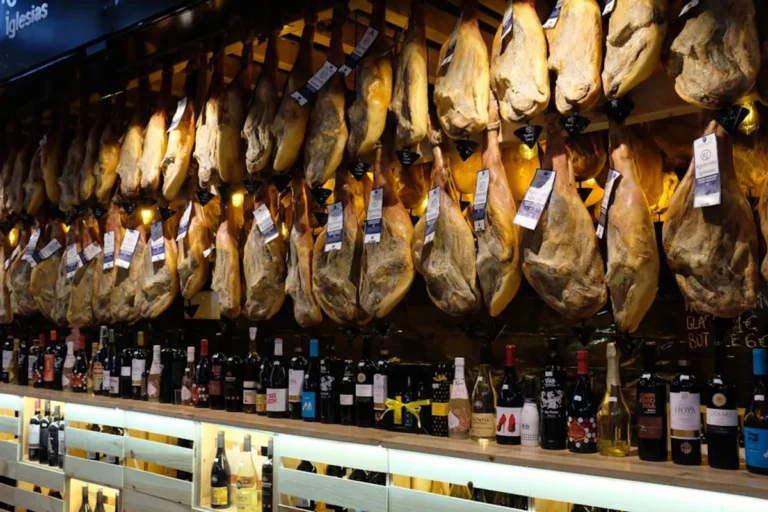
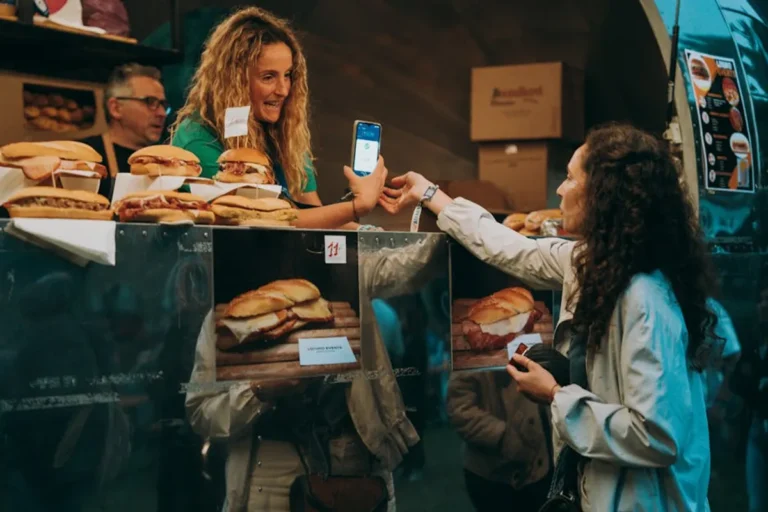
- Image and Video Carousels: Visual content is highly valued for travel planning. Optimizing images and videos for Madrid attractions can secure positions in these carousels.
- "People Also Ask" (PAA): This section reveals common follow-up questions users have, providing direct insight into related informational needs that can be addressed in content.
Implementing Structured Data
Schema markup is not a ranking factor in itself, but it significantly enhances how search engines understand and display content. For "Things to Do in Madrid," relevant schema types include:
- Event Schema: For temporary events, festivals, or performances.
- Place Schema: For specific landmarks, parks, or neighborhoods.
- LocalBusiness Schema: For tour operators, restaurants, or shops offering activities.
- Review Snippets: Aggregating user reviews can display star ratings directly in the SERP, increasing click-through rates.
Correctly implemented schema helps search engines generate rich snippets, making your listing more prominent and informative.
Pro Tip: Regularly audit your "Things to Do in Madrid" content for freshness and accuracy. Madrid is a dynamic city; opening hours, ticket prices, and temporary exhibitions change frequently. Outdated information not only frustrates users but can also signal to search engines that your content is less authoritative, leading to decreased visibility. Prioritize content updates as a continuous process, not a one-time task.
Content Structure and Authority Building
Beyond keyword targeting, the architecture and depth of your content determine its long-term success.
Creating Comprehensive Hubs and Spoke Content
A robust strategy involves creating a central "Things to Do in Madrid" hub page—a comprehensive guide that covers broad categories. This hub then links to more specific "spoke" content, such as:
- Detailed guides for individual attractions (e.g., "Visiting the Prado Museum: A Complete Guide").
- Niche lists (e.g., "Madrid's Best Rooftop Bars," "Day Trips from Madrid").
- Thematic itineraries (e.g., "A Weekend Itinerary for First-Timers in Madrid").
This internal linking structure builds topical authority, demonstrating to search engines that your site is a comprehensive resource for Madrid activities.
Cultivating External Signals
Authority from external sources remains a critical component. For "Things to Do in Madrid" content, this means:
- Backlinks: Earning links from reputable travel blogs, local news sites, official tourism boards, or university sites enhances your domain's credibility.
- Social Engagement: Active promotion on platforms where travelers seek inspiration (e.g., Pinterest, Instagram, Facebook travel groups) can drive traffic and signal content relevance.
- Mentions and Citations: Even unlinked mentions of your content or business on other reputable sites contribute to overall brand authority and visibility.
Measuring and Adapting for Continued Success
The "How Things to Do in Madrid Works" framework is not static. Continuous monitoring and adaptation are essential.
Key Performance Indicators (KPIs)
Focus on these metrics to gauge effectiveness:
- Organic Traffic: Volume of users arriving from search engines for Madrid-related queries.
- Keyword Rankings: Position of your content for target keywords.
- Engagement Metrics: Time on page, bounce rate, pages per session—indicating content quality and user satisfaction.
- Conversion Rates: Percentage of users who complete a desired action (e.g., booking a tour, clicking an affiliate link, signing up for a newsletter).
- Local Pack Visibility: Tracking appearances in the Google Local Pack for relevant local queries.
Iterative Content Refinement
The competitive nature of travel content demands ongoing refinement. This includes:
- Content Audits: Periodically reviewing all Madrid content for outdated information, broken links, or opportunities for expansion.
- Competitor Analysis: Identifying what competing sites are doing well and finding gaps in their content or optimization.
- User Feedback: Incorporating comments, questions, and direct feedback from your audience to improve content relevance and utility.
Practical Application for Madrid Content Publishers
To effectively leverage the "Things to Do in Madrid" search landscape, publishers must integrate technical SEO with deep local expertise and a user-centric content strategy. This involves not just listing attractions, but providing context, practical advice, and unique perspectives that differentiate your content. Prioritize mobile usability, as a significant portion of travel planning and on-the-go searching occurs on smartphones. Ensure your content is not only discoverable but also genuinely helpful, guiding users seamlessly from initial interest to a memorable Madrid experience.
Frequently Asked Questions
What is the most important factor for ranking "Things to Do in Madrid" content?
The most important factor is creating truly comprehensive, fresh, and user-centric content that directly answers search queries while demonstrating deep local expertise. This, combined with strong technical SEO and authoritative backlinks, drives visibility.
How often should "Things to Do in Madrid" content be updated?
Content should be reviewed and updated at least quarterly, or more frequently for time-sensitive information like event listings, opening hours, or pricing. Major changes in attractions or city developments warrant immediate updates.
Should I create one large page or multiple small pages for Madrid activities?
A hybrid approach is most effective: a comprehensive hub page that provides an overview and links to numerous smaller, more detailed "spoke" pages focusing on specific attractions, neighborhoods, or activity types. This builds topical authority and caters to varied search intents.
Is multimedia essential for Madrid activity content?
Yes, high-quality images, videos, and interactive maps are crucial. They enhance user engagement, provide visual context, and can help capture positions in image and video carousels on the SERP, improving overall visibility and click-through rates.