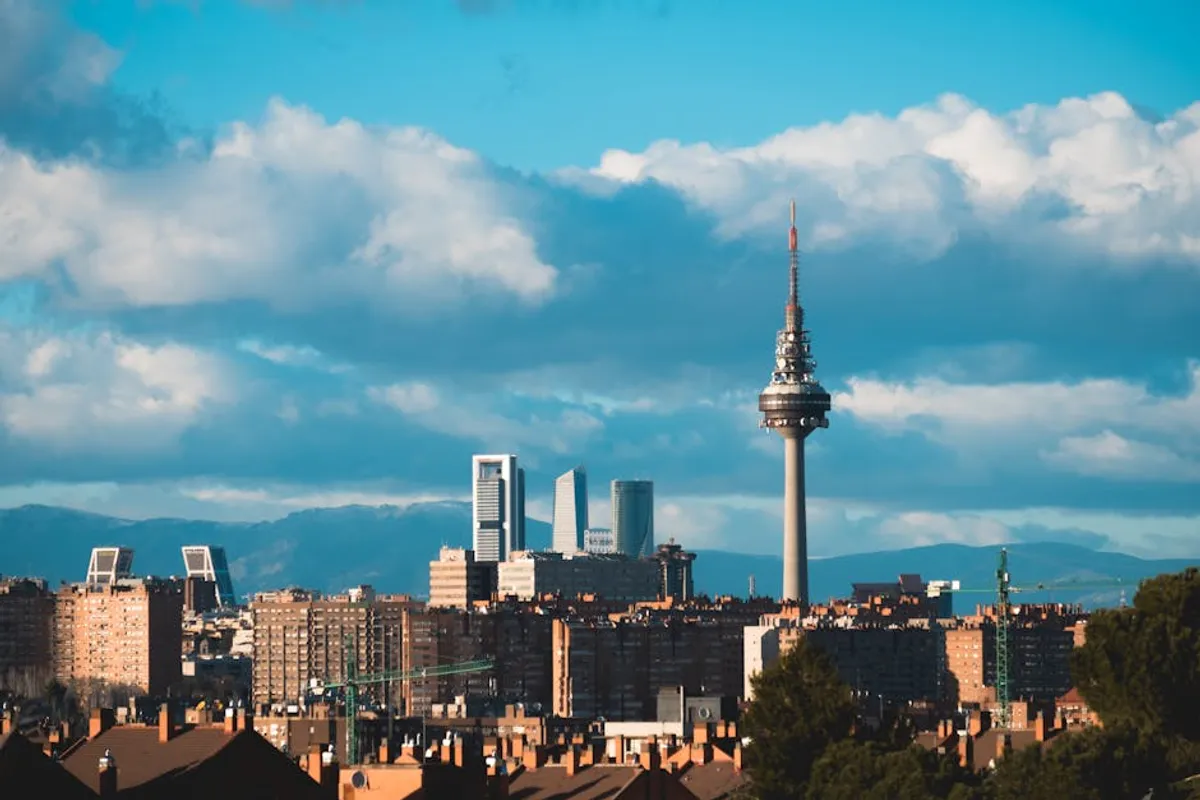
Madrid offers a dynamic blend of historic grandeur, world-class art, and vibrant contemporary culture. For any visitor, the sheer volume of experiences can be overwhelming, making strategic planning essential to maximize a trip. This overview details key attractions and activities, providing a framework to build an itinerary that balances iconic sights with authentic local immersion, catering to diverse interests and travel styles. This overview details key attractions and activities, providing a framework to build an itinerary that balances iconic sights with authentic local immersion, catering to diverse interests and travel styles, including strategic planning for your trip.
Iconic Art and History
Madrid's cultural landscape is anchored by its unparalleled collection of art museums and historical landmarks. These sites offer deep dives into Spanish and European heritage, demanding dedicated time for appreciation.
The Golden Triangle of Art
Positioned along the Paseo del Prado, this trio of museums collectively houses an artistic legacy spanning centuries. Each institution provides a distinct focus:
- Museo del Prado: Home to masters like Goya, Velázquez, and El Greco, the Prado focuses on classical European art from the 12th to early 20th centuries. Key works include Velázquez's "Las Meninas" and Goya's "The Third of May 1808." Visitors should allocate at least 3-4 hours.
- Museo Nacional Centro de Arte Reina Sofía: This museum showcases 20th-century Spanish art, with a particular emphasis on Picasso and Dalí. Picasso's "Guernica," a monumental anti-war piece, is its most famous exhibit. Expect to spend 2-3 hours here.
- Museo Nacional Thyssen-Bornemisza: Bridging the gap between the Prado and Reina Sofía, the Thyssen-Bornemisza features a private collection that covers eight centuries of European painting, from early Italian primitives to American pop art. It offers a comprehensive, chronological journey through art history, making it a good starting point for those less familiar with art movements. Allow 2-3 hours.
Royal Palace and Plaza Mayor
These landmarks represent Madrid's regal past and civic heart.
The Royal Palace of Madrid is the official residence of the Spanish Royal Family, though primarily used for state ceremonies. As the largest functioning royal palace in Western Europe, its opulent interiors, armory, and royal pharmacy are open to the public. Booking tickets online in advance is highly recommended to avoid extensive queues, especially during peak tourist season.
Plaza Mayor, a grand arcaded square, has historically served as the stage for markets, bullfights, and public executions. Today, it is a bustling hub for tourists and locals, surrounded by cafes and shops. It's an ideal spot for people-watching and soaking in the city's atmosphere, particularly in the late afternoon.
Culinary Immersion and Local Flavors
Madrid's food scene is integral to its identity, offering everything from traditional tapas to gourmet market experiences.
Mercado de San Miguel and Other Markets
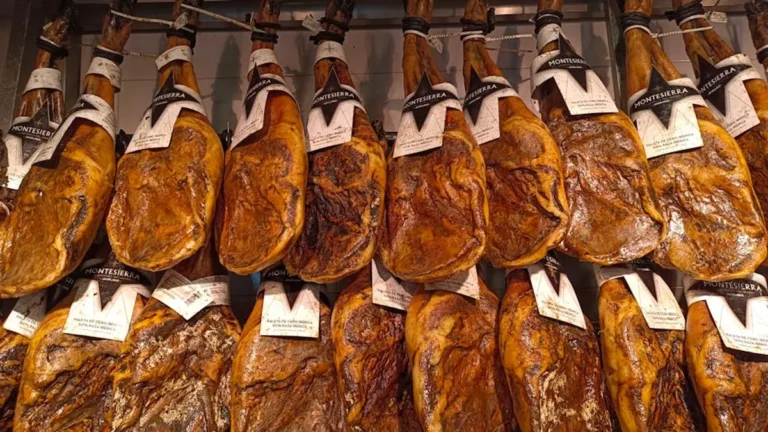
The Mercado de San Miguel, located near Plaza Mayor, is a beautifully restored iron-and-glass market. It operates as a gourmet food hall, offering high-quality tapas, fresh seafood, Iberian ham, cheeses, and beverages. While popular and often crowded, it provides an excellent opportunity to sample a variety of Spanish delicacies under one roof. For a more traditional market experience with fresh produce and local interaction, consider visiting Mercado de la Cebada or Mercado de Antón Martín.
Traditional Dining Experiences
To truly taste Madrid, seek out traditional dishes. Cocido Madrileño, a hearty chickpea stew with various meats and vegetables, is a winter staple served in multiple courses. Restaurants like Sobrino de Botín (claiming to be the world's oldest restaurant) or La Bola Taberna are renowned for their authentic versions. For a sweet treat, churros con chocolate is a quintessential Madrid experience, particularly for breakfast or a late-night snack. Chocolatería San Ginés is the most famous establishment, open 24/7.
Pro Tip: For popular attractions like the Royal Palace, Prado Museum, or specific flamenco shows, always book tickets online several days or even weeks in advance. This saves significant time waiting in lines, especially during spring and autumn, which are Madrid's busiest tourist seasons. Many sites also offer timed entry slots, which require pre-booking.
Green Spaces and Urban Retreats
Amidst the urban bustle, Madrid offers expansive parks and tranquil spots for relaxation and recreation.
Retiro Park
Parque del Buen Retiro, or simply Retiro Park, is Madrid's most famous green space. Once a royal garden, it is now a public park featuring formal gardens, a large boating lake, and the Palacio de Cristal (Crystal Palace), a stunning glass structure often used for art exhibitions. Renting a rowboat on the lake or simply strolling through its tree-lined paths offers a refreshing break from sightseeing. The park is free to enter and easily accessible from the city center.
Temple of Debod
An ancient Egyptian temple relocated to Madrid, the Temple of Debod sits atop a hill offering panoramic views of the city, particularly striking at sunset. The temple itself is a unique historical artifact, gifted to Spain in recognition of its help in saving Abu Simbel temples. It provides a peaceful setting and excellent photo opportunities, especially as the sun dips below the horizon, illuminating the temple and the Madrid skyline.
Vibrant Neighborhoods and Nightlife
Madrid truly comes alive in its diverse neighborhoods, each with a distinct character and offering unique evening experiences.
La Latina and Chueca
La Latina is one of Madrid's oldest neighborhoods, famous for its narrow, winding streets, traditional tapas bars, and the El Rastro flea market on Sundays. It's an ideal area for a Sunday stroll, followed by a "tapeo" (tapas crawl) through its lively streets. Chueca, in contrast, is Madrid's vibrant LGBTQ+ quarter, known for its trendy boutiques, cafes, and bustling nightlife. It offers a more modern, energetic atmosphere with a wide array of bars and clubs.
Flamenco Shows
Experiencing a live flamenco show is a quintessential Spanish cultural activity. Madrid boasts numerous "tablaos" (flamenco venues) ranging from intimate, traditional settings to larger, more theatrical productions. Options like Corral de la Morería or Cardamomo offer authentic performances, often combined with dinner. It's advisable to book tickets in advance, as popular shows sell out quickly, especially on weekends.
Maximizing Your Madrid Experience
To fully appreciate Madrid's multifaceted appeal, consider blending historical tours with culinary adventures and moments of relaxation. The city's efficient public transport network, including the metro and buses, makes navigating between different areas straightforward. However, many central attractions are within walking distance, allowing for spontaneous discoveries.
Prioritize what aligns with your interests: art enthusiasts should dedicate significant time to the Golden Triangle, while foodies might focus on market visits and tapas routes. Even a short visit can yield rich experiences with careful planning. Embrace the Spanish rhythm, including late dinners and evening strolls, to truly immerse yourself in Madrid's vibrant energy.
Frequently Asked Questions
How many days are ideal for a first-time visit to Madrid?
A minimum of three to four full days is recommended to cover Madrid's main attractions, including major museums, the Royal Palace, Retiro Park, and a few culinary experiences, without feeling rushed. Five to seven days allow for deeper exploration of neighborhoods and perhaps a day trip.
Is Madrid a walkable city?
Yes, Madrid's city center is very walkable, with many key sights like Plaza Mayor, the Royal Palace, and the Golden Triangle museums located within reasonable walking distance of each other. Comfortable shoes are essential. The metro system is efficient for longer distances or when tired.
What are some free things to do in Madrid?
Many attractions offer free entry during specific hours, such as the Prado Museum (evenings, Monday-Saturday) and the Reina Sofía (evenings, Monday-Saturday, and Sundays). Retiro Park, the Temple of Debod, and exploring neighborhoods like La Latina or Malasaña are always free. Walking tours often operate on a tip-only basis.
What is the best time of year to visit Madrid?
Spring (April-May) and autumn (September-October) offer the most pleasant weather, with mild temperatures ideal for sightseeing and outdoor activities. Summers (June-August) can be very hot, while winters (November-March) are generally mild but can be chilly, especially in the evenings.