
For first-time visitors to Japan, the culinary landscape presents an exhilarating, yet potentially overwhelming, array of choices. The sheer depth of regional specialties, dining formats, and ingredient quality can make deciding where to begin a challenge. This guide focuses on foundational Japanese food experiences, offering a strategic approach to your initial gastronomic exploration. Understanding these core offerings and practical dining considerations will enable a more confident and rewarding culinary journey, ensuring you prioritize impactful flavors and authentic cultural interactions from the outset.
Core Culinary Experiences for First-Timers
Sushi and Sashimi: The Refined Art
Sushi and sashimi are quintessential Japanese culinary expressions, representing precision and respect for ingredients. Sushi combines vinegared rice with various toppings, most commonly raw fish (nigiri), but also includes rolls (maki) and hand rolls (temaki). Sashimi consists solely of thinly sliced raw fish or seafood, served without rice. The quality hinges on the freshness of the seafood and the skill of the chef. For a first experience, seek out establishments with counter seating where you can observe the preparation and potentially interact with the sushi master. Focus on classic fish like tuna (maguro), salmon (sake), and sea bream (tai).
Best for: Experiencing peak ingredient quality and culinary artistry.
Ramen: Regional Comfort in a Bowl
Ramen, a noodle soup dish, offers diverse regional variations, each with distinct broth bases, noodle types, and toppings. Common broth styles include tonkotsu (pork bone), shoyu (soy sauce), shio (salt), and miso (fermented soybean paste). Noodles vary from thin and straight to thick and wavy. Toppings typically include chashu (braised pork belly), ajitama (marinated soft-boiled egg), nori (seaweed), and menma (bamboo shoots). Trying ramen provides an accessible and deeply satisfying meal, often found in specialized shops that perfect a single style. Start with a popular style like Tokyo-style shoyu or Hakata-style tonkotsu.
Best for: A comforting, affordable, and deeply flavorful meal with regional character.
Tempura: Delicate Frying, Diverse Flavors
Tempura involves lightly battered and deep-fried seafood and vegetables. The hallmark of good tempura is its delicate, crisp, and non-greasy texture, achieved through specific batter consistency and precise oil temperature. High-end tempura restaurants often serve items one by one, fresh from the fryer, allowing appreciation of each ingredient’s unique flavor. Common items include shrimp, various white fish, eggplant, shiitake mushrooms, and sweet potato. It is typically served with a dashi-based dipping sauce (tentsuyu) and grated daikon radish.
Best for: A lighter fried dish that highlights natural ingredient flavors.
Udon and Soba: Noodle Staples
Udon and soba are two fundamental Japanese noodle types, distinct in their composition and texture. Udon noodles are thick, chewy, and made from wheat flour, often served hot in a clear dashi broth or cold with a dipping sauce. Soba noodles are thin, buckwheat-based, and have a firmer, slightly nutty texture, also served hot or cold. Both offer versatile meal options, from simple bowls with green onions to more elaborate preparations with tempura or raw egg. Trying both varieties provides insight into Japan's diverse noodle culture.
Best for: Versatile and satisfying noodle dishes for any time of day.
Izakaya: Social Dining and Small Plates
An izakaya is a Japanese casual pub that serves alcoholic drinks and a wide variety of small, shareable dishes, similar to Spanish tapas. It offers a relaxed atmosphere for socializing and trying numerous different foods in one sitting. Menu items often include yakitori (grilled skewers), karaage (fried chicken), gyoza (dumplings), sashimi, salads, and grilled fish. This dining style is excellent for groups and allows for broad culinary exploration without committing to a single large dish.
Best for: Social dining, sampling a wide variety of dishes, and experiencing local nightlife.
Street Food: Accessible Delights
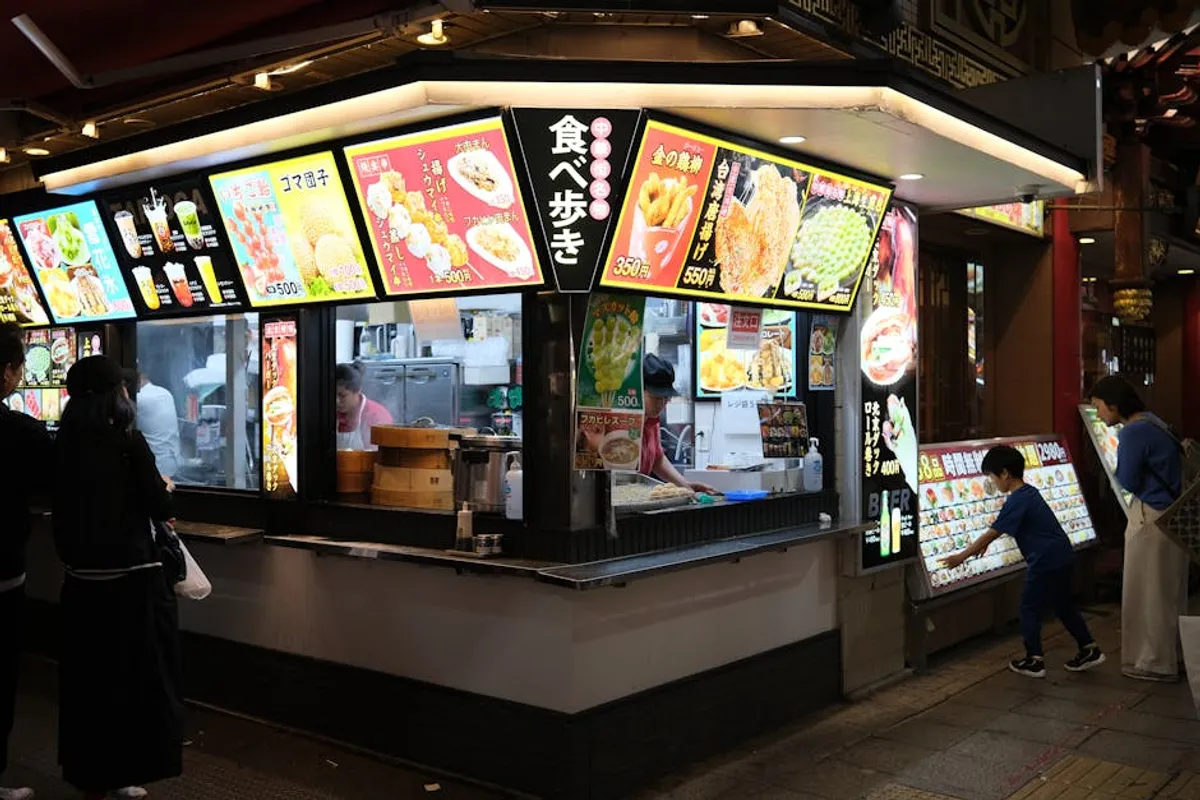
While not as ubiquitous as in some other Asian countries, Japan offers specific street food experiences, particularly in bustling markets or festival settings. Essential street foods to try include takoyaki (octopus balls, crispy on the outside and gooey inside), okonomiyaki (savory pancake with various fillings), and yakitori (grilled chicken skewers). These items provide quick, flavorful, and often budget-friendly culinary insights, reflecting regional preferences and casual dining culture.
Best for: Quick, flavorful, and budget-friendly bites, often found in lively areas.
Wagyu Beef: A Premium Indulgence
Wagyu, specifically Japanese Wagyu, refers to several breeds of cattle renowned for their intense marbling, which contributes to its tenderness and rich flavor. While a premium experience, trying authentic Wagyu, either as steak, sukiyaki, or shabu-shabu, offers a distinct culinary highlight. Different regions, like Kobe, Matsusaka, and Omi, are famous for their specific Wagyu brands. This is a significant investment for a meal but delivers a unique texture and flavor profile unmatched by other beef.
Best for: A luxurious and unforgettable high-end dining experience.
Navigating Japan's Dining Etiquette
Understanding basic dining customs enhances the experience. It is customary to say "itadakimasu" before eating and "gochisousama deshita" after. Slurping noodles is acceptable and often a sign of enjoyment. Chopsticks should not be stuck upright in rice, used to pass food directly to another's chopsticks, or pointed at people. Tipping is generally not practiced in Japan; attempting to tip can sometimes be seen as confusing or even offensive, as excellent service is considered standard. Many restaurants, especially in major cities, offer English menus or picture menus, but having a translation app ready can be helpful for smaller establishments or specific ingredient queries.
Pro Tip: For popular restaurants, especially high-end sushi or ramen spots, making a reservation well in advance is crucial. Many smaller, highly-rated establishments have limited seating and may not accept walk-ins, particularly during peak hours. Utilize hotel concierge services or online booking platforms where available to secure your preferred dining times.
Crafting Your Culinary Itinerary
Your first food journey in Japan should balance iconic must-tries with opportunities for serendipitous discovery. Prioritize a few key experiences, such as a high-quality sushi meal, a regional ramen, and an izakaya evening. Incorporate street food for casual exploration and consider a premium experience like Wagyu if your budget allows. Do not be afraid to venture into smaller, local eateries, even if communication is a slight barrier; these often provide the most authentic and memorable meals. Embrace the variety, quality, and cultural depth of Japanese cuisine, allowing each dish to tell a part of the country's rich story.
Frequently Asked Questions
How much should I budget for food daily in Japan?
A reasonable daily food budget for a first-time visitor can range from 4,000 JPY to 10,000 JPY or more, depending on your dining choices. Street food and casual ramen or udon shops can offer meals for 800-1,500 JPY. Mid-range restaurants might cost 2,000-4,000 JPY per person, while high-end experiences like Wagyu or omakase sushi can easily exceed 10,000 JPY per meal.
Can I find vegetarian or vegan options easily?
Finding strictly vegetarian or vegan options can be challenging in Japan, as dashi (fish stock) is a common base for many dishes, even those appearing vegetable-focused. However, awareness is growing, especially in major cities. Look for specialized vegan/vegetarian restaurants, temple cuisine (shojin ryori), or use apps like HappyCow. Always confirm ingredients, as "vegetarian" might still include dashi or egg.
Is tipping customary in Japan?
No, tipping is generally not customary in Japan. Service charges may sometimes be included in bills at higher-end establishments, but otherwise, there is no expectation to add extra money. Attempting to tip can sometimes cause confusion or be considered impolite.
How do I order if I don't speak Japanese?
Many restaurants in tourist-heavy areas or major cities offer English menus or menus with pictures. For smaller establishments, pointing at dishes on a menu or at other diners' plates is acceptable. Learning a few basic phrases like "Kore o kudasai" (I'll have this, please) and having a translation app ready can also be very helpful.