Developing effective Spain travel guides requires a strategic approach that moves beyond simple destination listings. For publishers and content creators, the objective is two-fold: provide genuine value to travelers planning their trips and establish a robust framework for long-term commercial viability. This involves understanding diverse traveler intent, structuring information logically, and integrating monetization pathways seamlessly. The goal is to produce content that not only ranks well but also converts readers into customers, whether through direct bookings, affiliate commissions, or lead generation. Examining the characteristics of high-performing guides reveals common threads in content depth, user experience, and commercial integration.
Core Attributes of Exemplary Spain Travel Guides
An effective Spain travel guide distinguishes itself through a combination of detailed information, user-centric design, and clear commercial intent. These attributes ensure the guide serves both the reader's immediate needs and the publisher's strategic goals. To ensure a smooth journey, consider using a detailed checklist for planning your Spanish adventure.
Audience-Centric Content Development
The foundation of any successful travel guide is a precise understanding of its target audience. A guide for luxury travelers seeking boutique hotels and fine dining in Marbella will differ significantly from one catering to budget backpackers exploring hostels and free attractions in Granada. Tailoring content means:
- Specific Traveler Profiles: Define whether the guide targets families, solo adventurers, couples, culture enthusiasts, or foodies. This dictates the tone, recommended activities, and practical advice.
- Intent Alignment: Understand what the user is trying to achieve. Are they in the early planning stages (informational intent), looking to book specific tours (transactional intent), or seeking directions to a landmark (navigational intent)? Content should address these directly.
- Problem-Solution Framing: Identify common traveler pain points (e.g., "how to get from Barcelona airport to city center," "best time to visit Seville to avoid crowds") and provide clear, actionable solutions.
Depth, Specificity, and Local Insight
Generic content holds little value. High-performing Spain travel guides offer granular detail that goes beyond what can be found in a quick search. This includes:
- Niche Focus: Instead of a broad "Spain guide," consider "A Cycling Guide to Mallorca's Serra de Tramuntana" or "Exploring Roman Ruins in Mérida." Niche guides attract highly qualified audiences and face less competition.
- Hyperlocal Recommendations: Provide insights only a local or deeply researched source would know, such as specific times to visit popular attractions to avoid queues, hidden tapas bars, or local transport tips. This builds authority and trust.
- Practical Logistics: Include details on public transport routes, typical operating hours for museums and shops, local customs, tipping etiquette, and essential Spanish phrases. These practicalities reduce traveler anxiety and enhance the trip experience.
Visual and Interactive Engagement
Travel content thrives on visual appeal. Integrating high-quality visuals and interactive elements significantly enhances user experience and retention:
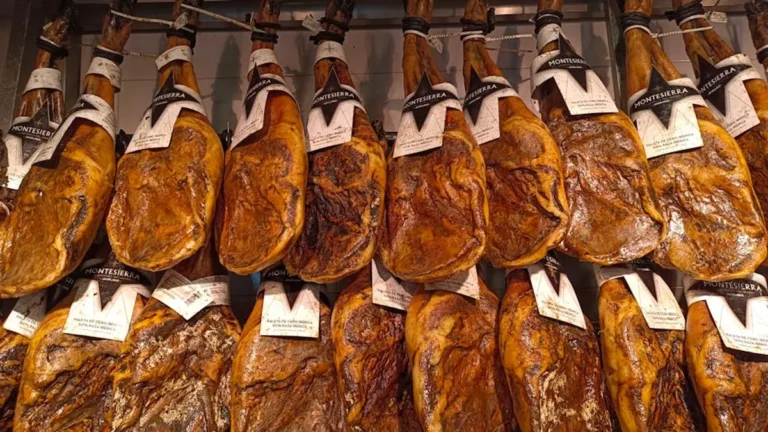
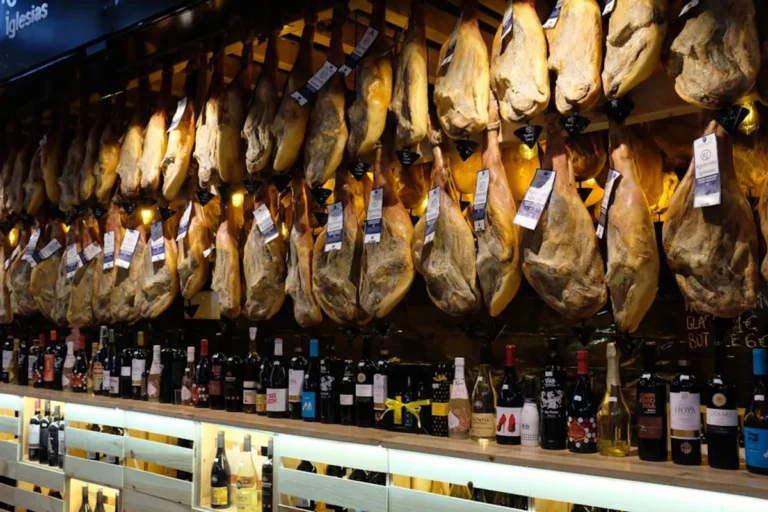
- Professional Photography: High-resolution, evocative images of destinations, food, and experiences are crucial. Authenticity over stock photos builds credibility.
- Custom Maps and Itineraries: Embed interactive maps (e.g., Google Maps with custom pins for recommended spots) and provide downloadable, day-by-day itineraries. This helps users visualize their trip and plan effectively.
- Video Integration: Short, informative video clips showcasing a destination or activity can provide an immersive experience that text and photos alone cannot.
Structuring Guides for Commercial Impact
The architecture of a travel guide directly influences its commercial effectiveness. Beyond providing information, guides should naturally lead readers towards booking or purchasing decisions.
Seamless Monetization Integration
Commercial opportunities should be woven into the guide's fabric, not bolted on as an afterthought. This includes:
- Contextual Affiliate Links: Recommend specific hotels, tour operators, or travel insurance providers directly within relevant sections of the guide (e.g., "For a luxurious stay in the Gothic Quarter, consider [Hotel Name] via [Booking Platform]").
- Direct Booking Pathways: If offering proprietary tours or services, integrate clear calls to action for booking directly.
- Product Recommendations: Suggest travel gear, guidebooks, or apps that enhance the Spain travel experience, linking to e-commerce platforms.
SEO Optimization for Discoverability
Even the most comprehensive guide is ineffective if it cannot be found. Strategic SEO ensures visibility:
- Keyword Research: Identify long-tail keywords and questions travelers use at different stages of their planning journey (e.g., "best paella Valencia cooking class," "family-friendly beaches Costa del Sol").
- Structured Data Markup: Implement schema markup for points of interest, events, and reviews to help search engines understand and display content more effectively in search results.
- Internal Linking Strategy: Create a robust internal link structure that connects related Spain guides, city pages, and activity recommendations, improving crawlability and distributing link equity.
Pro Tip: Travel content has a short shelf life due to changing prices, opening hours, and local regulations. Implement a rigorous content audit and update schedule. Outdated information erodes trust and diminishes search engine performance. Prioritize annual reviews for core guides and more frequent checks for time-sensitive details like event schedules or transport changes.
Developing High-Performing Spain Travel Guides
The process of creating exemplary travel guides involves meticulous research, strategic content planning, and a commitment to ongoing refinement.
Research and Content Authority
Establishing authority requires deep research. Rely on official tourism boards, local news sources, recent traveler reviews, and, ideally, first-hand experience. Cross-reference information to ensure accuracy. Interviews with local experts or business owners can provide unique perspectives that differentiate content.
Content Freshness and Expansion
A static guide quickly becomes obsolete. Regularly update practical details like operating hours, ticket prices, and transport options. Expand guides by adding new attractions, seasonal events, or emerging trends (e.g., sustainable tourism initiatives in specific regions). This continuous improvement signals relevance to both users and search engines.
Monetization Pathway Diversification
Beyond traditional affiliate links, consider diversifying revenue streams. This could include creating premium downloadable itineraries, offering personalized travel planning services, or partnering with local businesses for sponsored content that genuinely adds value to the reader's experience.
Building Your Spain Travel Guide Authority
To create guides that stand out and drive commercial results, focus on unparalleled detail, genuine utility, and a clear understanding of your audience's needs. Prioritize accuracy and freshness, as these are critical for building trust and maintaining authority in the dynamic travel niche. By integrating commercial elements thoughtfully and optimizing for discoverability, your Spain travel guides can become indispensable resources for planning and booking.
Frequently Asked Questions
How often should a Spain travel guide be updated?
Key information like prices, opening hours, and transport schedules should be checked and updated at least annually, or more frequently for time-sensitive details. General descriptions and recommendations can be reviewed every 12-18 months, or when significant changes occur in a destination.
What is the most effective way to monetize a Spain travel guide?
The most effective monetization strategy combines contextual affiliate links for accommodations, tours, and flights with direct booking options for specific services you might offer. Sponsored content from relevant local businesses, when clearly disclosed and genuinely useful, can also be highly profitable.
Should I focus on broad "Spain" guides or niche city/region guides?
For new publishers, starting with niche city or regional guides often yields better results due to lower competition and the ability to provide deeper, more authoritative content. Once a strong foundation of niche content is established, these can be linked together to form a broader "Spain" guide.