
Crafting an effective Spain travel guide requires more than compiling a list of attractions. For site owners, agencies, and publishers, the objective extends beyond simple information delivery; it involves creating a resource that consistently ranks, engages users, and ultimately drives commercial value, whether through direct bookings, affiliate partnerships, or brand authority. The challenge lies in navigating a saturated market where generic content offers limited differentiation. Success hinges on a strategic approach that prioritizes user intent, deep local insights, and technical optimization to stand out in search results and provide genuine utility to travelers at every stage of their journey.
Understanding Your Audience and Their Journey
Before assembling any content, define who the guide serves and what problems it solves. Spain attracts a diverse range of travelers, each with distinct needs and search behaviors. Identifying these personas helps tailor content for maximum relevance and engagement.
Identifying Key Traveler Personas
Consider the primary traveler types and their specific interests. For instance:
- The Solo Explorer: Seeks safety tips, social opportunities, budget accommodation, and less-trodden paths.
- The Family Vacationer: Prioritizes child-friendly activities, family accommodation, practical transport, and safety.
- The Luxury Seeker: Interested in high-end dining, exclusive experiences, boutique hotels, and personalized services.
- The Budget Traveler: Focuses on free activities, hostels, affordable transport, and local markets.
- The Adventure Enthusiast: Looks for hiking trails, water sports, unique outdoor experiences, and equipment rental information.
Each persona informs the selection of destinations, activities, and practical advice included in your guide.
Mapping the Decision Funnel
Travelers move through distinct stages, from initial inspiration to post-trip reflection. Your guide should provide relevant content for each phase:
- Inspiration (Early Stage): Broad, high-level content like "Top 10 Reasons to Visit Andalusia" or "Spain's Most Beautiful Beaches." This targets broad informational queries.
- Planning (Mid-Stage): More specific, comparative content such as "Seville vs. Granada: Which City is Right for You?" or "Best Time to Visit Barcelona." This addresses more focused informational intent.
- Booking (Late Stage): Action-oriented content like "How to Buy Renfe Train Tickets Online" or "Best Boutique Hotels in Madrid's Salamanca District." This targets commercial and transactional intent.
- On-Trip (Real-Time): Practical advice for travelers already in Spain, such as "Using Public Transport in Valencia" or "Spanish Phrases for Ordering Food." This supports navigational and local search queries.
Structuring your guide to address these stages ensures it captures users at various points in their travel planning process.
Core Content Pillars for a Spain Travel Guide
A robust Spain travel guide moves beyond generic descriptions, offering deep, actionable insights.
Destination-Specific Detail: Beyond the Obvious
While major cities like Madrid and Barcelona are essential, differentiate your guide by covering less-explored regions or unique aspects of popular destinations. Provide specific recommendations, such as the best time to visit a particular local market in Seville, or a lesser-known hiking trail in the Picos de Europa. Include details on local festivals, regional dishes, and unique cultural nuances that a first-time visitor might miss. This depth builds authority and caters to travelers seeking authentic experiences.
Practical Logistics and Essential Information
Travelers rely on guides for concrete, actionable advice. This section should address common pain points and questions proactively. Essential topics include:
- Transportation: Detailed instructions on inter-city trains (Renfe), bus networks, car rentals, and local public transport systems (metros, trams, local buses). Include information on purchasing tickets, using apps, and understanding schedules.
- Accommodation: Beyond hotel recommendations, cover different types of lodging like paradores, casas rurales, hostels, and apartment rentals, explaining their benefits and typical costs.
- Currency and Banking: Advice on ATMs, credit card usage, tipping etiquette, and managing travel budgets.
- Language: Basic Spanish phrases, tips for communicating in non-English speaking areas, and regional language variations (e.g., Catalan, Basque).
- Safety and Health: Emergency numbers, common scams to avoid, travel insurance recommendations, and health precautions.
- Visa and Entry Requirements: Up-to-date information for various nationalities.
Experiential Content: Activities, Food, Culture
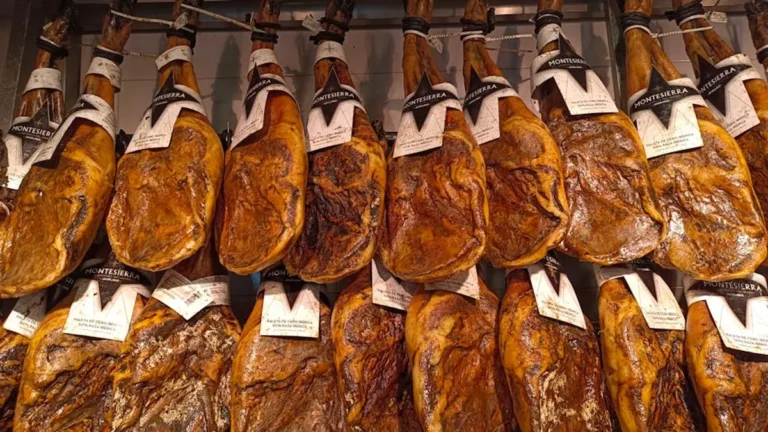
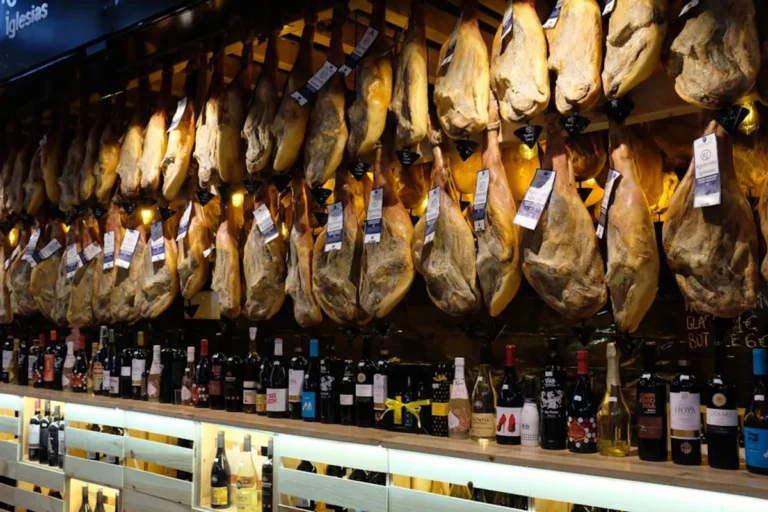
This is where your guide can truly shine by inspiring travelers. Go beyond listing museums; explain *why* a particular site is significant or *what* experience it offers. Detail regional culinary specialties, recommending specific dishes and where to find them. Cover cultural events, local traditions, and opportunities for immersion. For example, instead of just mentioning "tapas," explain the etiquette of a tapas crawl in Granada or the difference between pinchos and tapas.
Pro Tip: Integrate local voices and perspectives. Interviewing local business owners, artisans, or long-term residents can provide unique insights and recommendations that generic travel guides often lack. This adds authenticity and a human element, distinguishing your content.
Optimizing for Discoverability and User Engagement
A well-researched guide needs to be found. Strategic optimization ensures it reaches its intended audience.
Keyword Research and Intent Alignment
Thorough keyword research is foundational. Focus on long-tail keywords and question-based queries that reflect specific user intent. For example, instead of just "Spain travel," target phrases like "best time to visit Seville for flamenco," "family-friendly activities in Mallorca," or "cost of living for one month in Valencia." Group keywords by intent (informational, commercial, transactional) to structure content and internal linking effectively.
Structured Data and Rich Snippets
Implement schema markup to help search engines understand your content better and potentially display rich snippets. Use schema types like Place, Event, FAQPage, Review, and Article. For example, marking up a restaurant review with Restaurant schema can highlight ratings and price ranges directly in search results, increasing click-through rates.
Visual Content and Multimedia Integration
High-quality visuals are non-negotiable for travel content. Integrate professional photography, short video clips of specific attractions or experiences, and interactive maps. Optimize image file sizes for fast loading and use descriptive alt text for accessibility and search engine understanding. Consider 360-degree views or virtual tours for popular landmarks to offer an immersive preview.
Maintaining Accuracy and Freshness
Travel information is dynamic. An outdated guide quickly loses credibility and utility.
Regular Content Audits
Establish a schedule for auditing and updating your Spain travel guide content. This involves verifying opening hours, ticket prices, transportation routes, visa requirements, and local regulations. Pay particular attention to seasonal events, new attractions, or closures. A monthly or quarterly review cycle for critical sections helps maintain accuracy.
Leveraging Local Expertise
Beyond initial content creation, build relationships with local contacts in Spain—tour guides, hoteliers, restaurateurs, or travel bloggers. These connections can provide real-time updates on local conditions, new establishments, or changes in cultural norms, allowing you to keep your guide current and genuinely informed.
Actionable Next Steps for Your Spain Guide
To maximize the impact of your Spain travel guide, begin by profiling your ideal traveler segments and mapping their journey. Prioritize creating in-depth, hyper-specific content that addresses practical needs and offers unique local insights. Integrate robust keyword research and structured data from the outset to ensure discoverability. Finally, commit to a rigorous content audit schedule, leveraging local expertise to maintain accuracy and relevance. This iterative approach ensures your guide remains a valuable, authoritative resource for travelers and a strong asset for your platform.
Frequently Asked Questions About Spain Travel Guides
What's the most important element of a Spain travel guide?
The most crucial element is providing actionable, specific, and up-to-date information that directly solves a traveler's problem or enhances their experience, moving beyond generic descriptions.
How often should a travel guide be updated?
Key logistical information (prices, opening hours, transport schedules) should be reviewed quarterly, while broader destination content can be audited annually. Major events or policy changes warrant immediate updates.
Should I focus on specific regions or the whole country?
For new guides, starting with a deep dive into 2-3 popular regions or cities allows for greater depth and authority. As the guide grows, expand to cover more of the country, linking these regional guides together for comprehensive coverage.
How can I make my Spain guide stand out from competitors?
Differentiate by offering unique perspectives, such as interviews with locals, focusing on niche travel styles (e.g., culinary tours, historical immersion), or providing hyper-specific advice for less-traveled areas. High-quality, original photography and video also significantly enhance appeal.