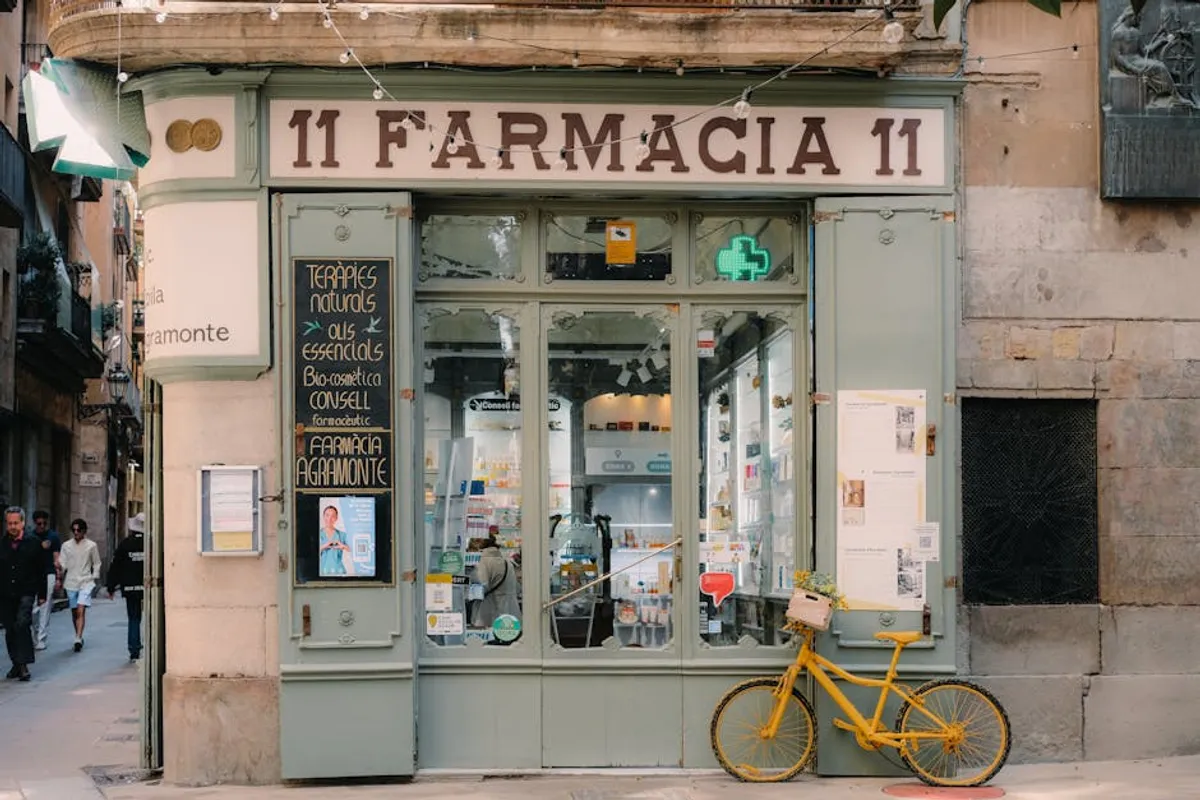
Barcelona offers a vibrant tapestry of culture, architecture, and culinary delights, attracting millions of visitors annually. However, a truly memorable trip hinges on more than just ticking off famous landmarks. Many travelers inadvertently fall into common traps that diminish their experience, from wasting time in queues to overpaying for inauthentic experiences. Understanding these prevalent mistakes before you arrive can transform your visit from a standard tourist itinerary into an immersive, efficient, and genuinely enjoyable exploration of this dynamic Catalan city. To make the most of your journey, consider these essential tips for navigating the city and avoiding common tourist pitfalls.
Overlooking Advance Bookings for Key Attractions
One of the most significant missteps in Barcelona is assuming you can simply walk up to popular sites and gain immediate entry. This oversight frequently leads to hours lost in lines, or worse, completely missing out on experiences due to sold-out tickets. High demand for iconic locations necessitates pre-planning.
Gaudi's Masterpieces: Sagrada Familia and Park Güell
The Sagrada Familia, still under construction, and Park Güell, with its unique architectural gardens, are Barcelona's crown jewels. Both operate on timed entry systems, especially during peak seasons. Arriving without a pre-booked ticket means joining a queue that can easily stretch for several hours, often under direct sun. For the Sagrada Familia, booking at least a week in advance, and even earlier for specific times or guided tours, is crucial. Park Güell also requires timed tickets for its monumental zone, and these often sell out by mid-morning. Relying on on-the-spot purchases risks disappointment and significant time expenditure.
Culinary Experiences: Tapas Tours and Michelin Stars
Beyond architecture, Barcelona's culinary scene is a major draw. Popular tapas bars, especially those known for specific dishes or local ambiance, can fill up quickly, particularly on weekends. For high-demand dining, like Michelin-starred restaurants or highly-rated local favorites, reservations are essential, often weeks or even months in advance. Attempting to dine at these establishments without a booking usually results in being turned away or facing extensive wait times, disrupting evening plans and potentially forcing a compromise on quality.
Sticking Only to the Tourist Trail
While iconic areas like Las Ramblas and the Gothic Quarter are undeniably charming, limiting your exploration to these main arteries means missing the authentic pulse of Barcelona. These areas often feature inflated prices, diluted cultural experiences, and larger crowds.
Neglecting Local Neighborhoods
Barcelona is a city of distinct barrios, each with its own character. Gràcia, for instance, offers a bohemian vibe with independent boutiques, quiet squares, and local eateries, providing a stark contrast to the bustling city center. El Born, adjacent to the Gothic Quarter, blends history with trendy shops and bars, offering a more refined experience than the immediate tourist hub. Poble Sec, nestled at the foot of Montjuïc, is renowned for its vibrant "pincho" scene, offering affordable and authentic small bites. Venturing into these areas reveals a more genuine local lifestyle, better value, and fewer crowds.
Missing Authentic Dining
Many restaurants directly on Las Ramblas or near major attractions cater primarily to tourists, often sacrificing quality for convenience and higher prices. These establishments might display multi-lingual menus with photos, a common indicator of a tourist-centric spot. To experience true Catalan cuisine, seek out places a few blocks off the main thoroughfares, or explore markets like Mercat de Sant Antoni. Here, you'll find eateries frequented by locals, offering fresh, seasonal ingredients and traditional dishes at more reasonable prices.
Underestimating Transportation and Logistics
Barcelona boasts an efficient public transportation system, yet many visitors default to taxis or attempt to walk excessive distances, leading to unnecessary expense and fatigue.
Relying Solely on Taxis
While convenient for short distances or late nights, exclusive reliance on taxis can quickly deplete a travel budget. Barcelona's city center is compact, but distances between major sites can still be significant. Traffic can also be an issue, especially during rush hour, turning a short taxi ride into a prolonged, costly affair.
Ignoring Public Transport Passes
The metro and bus network covers the entire city and its surroundings effectively. Purchasing a T-Casual card (a 10-journey ticket valid for metro, bus, tram, and FGC trains) offers substantial savings compared to single tickets. For longer stays or intensive sightseeing, multi-day passes might be more suitable. Understanding the metro map and bus routes allows for quick, cost-effective travel, connecting all major attractions and neighborhoods seamlessly.
Falling for Tourist Traps and Scams
Like any major tourist destination, Barcelona has its share of common traps and minor scams designed to exploit unaware visitors. Awareness is your best defense.
Overpriced Dining on Las Ramblas
As mentioned, restaurants directly on Las Ramblas are notorious for offering mediocre food at inflated prices. The prime location commands a premium, but the culinary experience often falls short. A good rule of thumb: if the restaurant aggressively solicits your business from the street, or if the menu features generic international dishes with pictures, it's likely a tourist trap. Seek out establishments where locals are dining, even if it means walking a few extra blocks.
Pickpocketing Awareness
Barcelona, particularly in crowded areas like Las Ramblas, the metro, and major tourist sites, has a reputation for pickpocketing. This is not a reason to avoid the city, but rather to exercise vigilance. Do not carry wallets in back pockets, keep bags secured and in front of you, and avoid displaying expensive electronics unnecessarily. Be wary of distractions, as pickpockets often work in teams to create diversions while another member lifts valuables. These are opportunistic crimes, and simple precautions significantly reduce risk.
Pro Tip: Always secure your belongings, especially in crowded areas like the metro, Las Ramblas, and popular markets. Use cross-body bags, keep valuables out of back pockets, and be mindful of your surroundings. A moment of distraction can lead to a significant inconvenience.
Disregarding Local Customs and Etiquette
Respecting local customs enriches your experience and fosters positive interactions. Unintentional cultural blunders can lead to awkward situations or missed opportunities.
Dining Hours and Tipping
Spanish dining hours are significantly later than in many other countries. Lunch typically begins around 2:00 PM, and dinner often starts no earlier than 9:00 PM, with many restaurants not even opening their kitchens until 8:00 PM. Attempting to dine at 6:00 PM will often find you in an empty restaurant or one catering exclusively to tourists. Tipping in Spain is also different; a small tip (a few euros) for good service is appreciated but not mandatory, as service charges are usually included in the bill. Over-tipping can be seen as unusual.
Dress Code for Religious Sites
When visiting religious sites, such as the Sagrada Familia or Barcelona Cathedral, a respectful dress code is expected. This typically means covering shoulders and knees. While not always strictly enforced, dressing appropriately demonstrates cultural sensitivity and ensures comfortable entry without potential issues or the need to purchase temporary coverings.
Enhancing Your Barcelona Experience
Avoiding these common mistakes ensures a smoother, more authentic, and ultimately more rewarding trip to Barcelona. By planning ahead for popular attractions, venturing beyond the immediate tourist zones, utilizing the efficient public transport, remaining vigilant against common scams, and respecting local customs, you position yourself to fully immerse in the city's unique charm. These proactive steps allow you to focus on the vibrant culture, stunning architecture, and delicious cuisine, creating lasting memories of a well-spent journey.
Frequently Asked Questions
What is the best way to get around Barcelona?
The metro and bus system are highly efficient and cover the entire city. Purchasing a T-Casual card for 10 journeys is often the most cost-effective option for tourists. Walking is also excellent for exploring specific neighborhoods.
Should I book attractions in advance?
Absolutely. For major attractions like Sagrada Familia and Park Güell, advance online booking is essential to secure timed entry, avoid long queues, and prevent disappointment due to sold-out dates, especially during peak travel seasons.
Is Barcelona safe for tourists?
Barcelona is generally safe, but like any major city, it has opportunistic petty crime, particularly pickpocketing in crowded areas. By remaining vigilant, securing your belongings, and being aware of your surroundings, you can significantly mitigate risks.
What are typical dining hours in Barcelona?
Lunch typically runs from 2:00 PM to 4:00 PM, and dinner usually starts around 9:00 PM, often extending late into the evening. Many restaurants do not open for dinner service before 8:00 PM.