Optimizing a Barcelona itinerary requires strategic planning to maximize cultural immersion and experiential value. For visitors aiming to efficiently navigate this vibrant city, understanding key attractions, logistical considerations, and local nuances is paramount. This guide provides actionable tips to structure a visit that balances iconic landmarks with authentic experiences, ensuring time and resources are allocated effectively for a memorable journey. This comprehensive approach serves as a beginner's guide to planning your perfect Barcelona adventure efficiently.
Navigating Barcelona's Core Districts
Barcelona's distinct neighborhoods each offer a unique character and set of attractions. Prioritizing exploration based on interest can significantly enhance the visitor experience, reducing transit time and providing thematic continuity.
Gothic Quarter: Historical Immersion
The Barri Gòtic, with its labyrinthine streets and ancient architecture, serves as the historical heart of Barcelona. Its narrow alleys conceal Roman ruins, medieval cathedrals, and hidden squares. Exploration here is best done on foot, allowing for spontaneous discovery of artisan shops, traditional tapas bars, and street performers. Key sites include the Barcelona Cathedral, Plaça Reial, and the remains of the Roman wall. The district's charm lies in its density and historical layering, making it ideal for those seeking a deep dive into the city's past. Beyond the Gothic Quarter, discover more things to do in Barcelona to enrich your cultural exploration.
Consider: Allocate a full morning or afternoon to wander without a strict itinerary. Many small museums and independent galleries are located within this area, offering unexpected cultural insights.
Eixample: Architectural Grandeur
Characterized by its distinctive grid pattern and wide boulevards, the Eixample district is home to Barcelona's most celebrated Modernista architecture. This area is essential for appreciating the works of Antoni Gaudí and his contemporaries. The district's layout facilitates easier navigation, though distances between major landmarks can be substantial. Must-see attractions include the Sagrada Familia, Casa Batlló, and Casa Milà (La Pedrera). Each building represents a pinnacle of Catalan Modernism, offering unique structural and decorative elements.
Recommendation: Pre-book tickets for all major architectural sites several weeks in advance, especially during peak travel seasons, to secure entry times and bypass extensive queues. This preserves valuable sightseeing hours.
Barceloneta: Coastal Leisure
For those seeking relaxation and sea views, Barceloneta offers a distinct contrast to the city's historical and architectural centers. This former fishing village boasts Barcelona's most popular urban beaches, a lively promenade, and numerous seafood restaurants. It provides an opportunity to unwind, enjoy the Mediterranean climate, and observe local life. The area is also convenient for accessing the Port Olímpic and its diverse dining options.
Activity focus: Ideal for beach walks, cycling along the coastline, or enjoying fresh seafood. Consider visiting the Barceloneta Market for an authentic local food experience.
Essential Sightseeing and Activities
Beyond district exploration, specific attractions and cultural experiences define a Barcelona visit. Prioritizing these based on personal interest ensures a tailored and impactful trip.
Gaudi's Masterpieces: Sagrada Familia and Park Güell
These two sites are often at the top of any Barcelona itinerary for valid reasons. The Sagrada Familia, a basilica still under construction, is a testament to Gaudí's visionary genius, blending Gothic and Art Nouveau forms with intricate symbolism. Park Güell offers a whimsical urban park experience with panoramic city views, unique mosaic work, and distinctive architectural elements. Both require dedicated time and advance planning.
Strategic visit: Schedule the Sagrada Familia early in the morning or late afternoon to potentially avoid the densest crowds. For Park Güell, consider visiting the monumental zone first, then exploring the free access areas.
Culinary Experiences: Tapas, Markets, and Michelin Stars
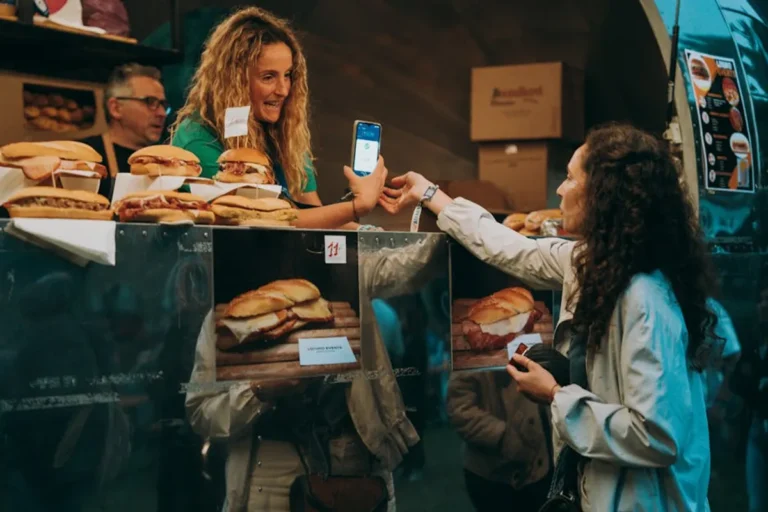
Barcelona's food scene is a critical component of its cultural identity. From traditional tapas bars to world-renowned fine dining, the city offers diverse gastronomic opportunities. Exploring local markets like La Boqueria or Mercat de Sant Antoni provides insight into Catalan produce and culinary traditions. Engaging in a tapas crawl, particularly in areas like El Born or Gràcia, offers a social and flavorful way to sample local dishes.
Pro Tip: Seek out "menu del día" (daily menu) options at local restaurants during lunchtime for high-quality, multi-course meals at a significantly lower price point than dinner service.
Cultural Engagement: Museums and Flamenco
Barcelona hosts a rich array of museums, catering to various interests. The Picasso Museum, Fundació Joan Miró, and the National Art Museum of Catalonia (MNAC) are prominent choices for art enthusiasts. For those interested in performance, attending a traditional flamenco show, while not native to Catalonia, is a popular cultural experience offered in several venues. These activities provide deeper context to the region's artistic heritage and contemporary scene.
Consider: Many museums offer free entry on specific days or evenings. Check individual museum websites for these schedules to optimize budget and timing.
Pro Tip: To avoid tourist traps and ensure authentic experiences, especially for dining or cultural shows, consult local recommendations or reputable online resources with recent, verified reviews. High foot traffic in a restaurant, particularly with locals, is often a reliable indicator of quality.
Practical Planning for an Optimized Visit
Efficient logistics are key to maximizing enjoyment and minimizing stress during a Barcelona trip. Addressing transportation, timing, and budget considerations upfront can significantly improve the overall experience.
Transportation Logistics
Barcelona boasts an efficient public transport system, including a metro, buses, and trams. The T-Casual ticket offers 10 journeys across various modes and is a cost-effective option for individual travelers. For extensive sightseeing, the Barcelona Card provides unlimited public transport and discounts on attractions, but its value depends on the intensity of planned activities. Walking is often the best way to explore central districts, given their pedestrian-friendly nature.
- Metro: Extensive network, ideal for covering longer distances between districts.
- Buses: Useful for specific routes not covered by the metro, often offering scenic views.
- Walking: Essential for exploring the Gothic Quarter, El Born, and Gràcia.
- Taxis/Ride-sharing: Convenient for late-night travel or when carrying luggage, but more expensive.
Best Times to Visit
The shoulder seasons (April-May and September-October) generally offer the most favorable conditions for visiting Barcelona. Temperatures are pleasant, and tourist crowds are manageable compared to the peak summer months (June-August). Visiting in winter provides fewer crowds and lower prices, though some seasonal attractions may be limited. Summer brings high temperatures, significant crowds, and premium pricing for accommodation and flights.
Consideration: If visiting during summer, prioritize indoor activities during midday and plan outdoor excursions for early mornings or evenings to mitigate heat and crowds.
Budgeting and Savings
Barcelona can accommodate various budgets. Accommodation costs vary significantly by district and season; booking well in advance yields better rates. Dining expenses can be managed by utilizing "menu del día" options, exploring local markets for picnic supplies, and opting for tapas in less tourist-heavy areas. Many attractions offer student or senior discounts, and some have free entry days. Factor in costs for public transport, attraction tickets, and incidental expenses to create a realistic daily budget.
Strategy: Group attractions geographically to reduce travel time and costs. Look for combo tickets or city passes if planning to visit multiple paid sites.
Maximizing Your Barcelona Experience
A well-planned trip to Barcelona focuses on strategic engagement with its diverse offerings. By prioritizing districts based on interest, pre-booking high-demand attractions, and leveraging efficient transport, visitors can optimize their time and financial outlay. Embrace the local pace, explore beyond the main tourist routes, and allow for spontaneous discoveries to truly connect with the city's unique charm. Whether seeking architectural marvels, culinary delights, or coastal relaxation, Barcelona rewards thoughtful planning with rich, memorable experiences.
Frequently Asked Questions
How many days are ideal for a first-time visit to Barcelona?
A minimum of 4 to 5 full days is recommended for a first-time visitor to experience Barcelona's main attractions, explore a few key neighborhoods, and enjoy its culinary scene without feeling rushed.
Is Barcelona a walkable city?
Many of Barcelona's central districts, such as the Gothic Quarter, El Born, and Gràcia, are highly walkable and best explored on foot. For longer distances between districts, the public transport system is efficient and recommended.
What is the best way to get from Barcelona Airport (BCN) to the city center?
The Aerobús is a direct and frequent shuttle service connecting Barcelona Airport's terminals to Plaça Catalunya in the city center. Alternatively, the R2 Nord train line also connects the airport to various central train stations.
Are credit cards widely accepted in Barcelona?
Yes, major credit and debit cards are widely accepted in most hotels, restaurants, and shops throughout Barcelona. However, it is advisable to carry some cash for smaller purchases, local markets, or independent tapas bars.