Barcelona stands as a premier European destination, drawing millions annually with its unique blend of Catalan modernism, ancient history, vibrant culinary scene, and Mediterranean coastline. For content creators and marketers, understanding the breadth of experiences available is crucial for developing effective travel guides, itinerary planners, and targeted promotional material. The city's appeal spans diverse traveler profiles, from art enthusiasts and history buffs to foodies and beachgoers, each seeking distinct engagements. The following examples illustrate the variety of "things to do" in Barcelona, highlighting key attractions and activities that resonate with different visitor intents and provide rich opportunities for detailed content. For those getting started with barcelona travel, the city offers a wealth of experiences.
Iconic Architectural Wonders
Barcelona's skyline is defined by its architectural heritage, most notably the works of Antoni Gaudí. These sites are not merely tourist attractions but cultural touchstones that demand comprehensive coverage, often requiring practical information like booking advice, best viewing times, and historical context.
Sagrada Familia
This basilica, still under construction, is Gaudí's magnum opus and Barcelona's most visited landmark. Its intricate facades – the Nativity, Passion, and Glory – depict biblical scenes with profound symbolism and distinct architectural styles. Inside, the forest-like columns and stained-glass windows create a kaleidoscopic light show. Content focusing on Sagrada Familia benefits from detailed descriptions of its symbolism, construction progress, anticipated completion, and practical visitor information such as ticket types (basic, tower access, guided tours) and recommended visiting hours to avoid crowds or experience specific lighting effects.
Park Güell
Another Gaudí masterpiece, Park Güell is a public park system composed of gardens and architectural elements located on Carmel Hill. It offers panoramic views of the city and features whimsical structures, mosaic-covered benches, and the iconic lizard fountain. While parts of the park remain free, access to the "Monumental Zone" – which includes the main terrace, mosaic serpent bench, and Gaudí House Museum – requires a paid ticket. Content should differentiate between the free and paid areas, emphasize the best spots for photography, and provide transport options to this hilltop location.
Gothic Quarter (Barri Gòtic)
The oldest part of Barcelona, the Gothic Quarter, is a labyrinth of narrow, winding streets that conceal Roman ruins, medieval churches, and hidden squares. Key sites include the Barcelona Cathedral, Plaça Sant Jaume (home to the Catalan government), and Plaça del Rei. Exploring this area is less about single attractions and more about the atmosphere and discovery. Effective content for the Gothic Quarter often focuses on walking tours, historical narratives, identifying specific hidden gems, and highlighting local shops or cafes that preserve its ancient character.
Immersive Cultural & Culinary Journeys
Barcelona's culture extends beyond its architecture to its vibrant markets, world-class museums, and dynamic culinary scene. These experiences offer opportunities for content that delves into local traditions, artistic movements, and gastronomic delights.
La Boqueria Market & Tapas Tours
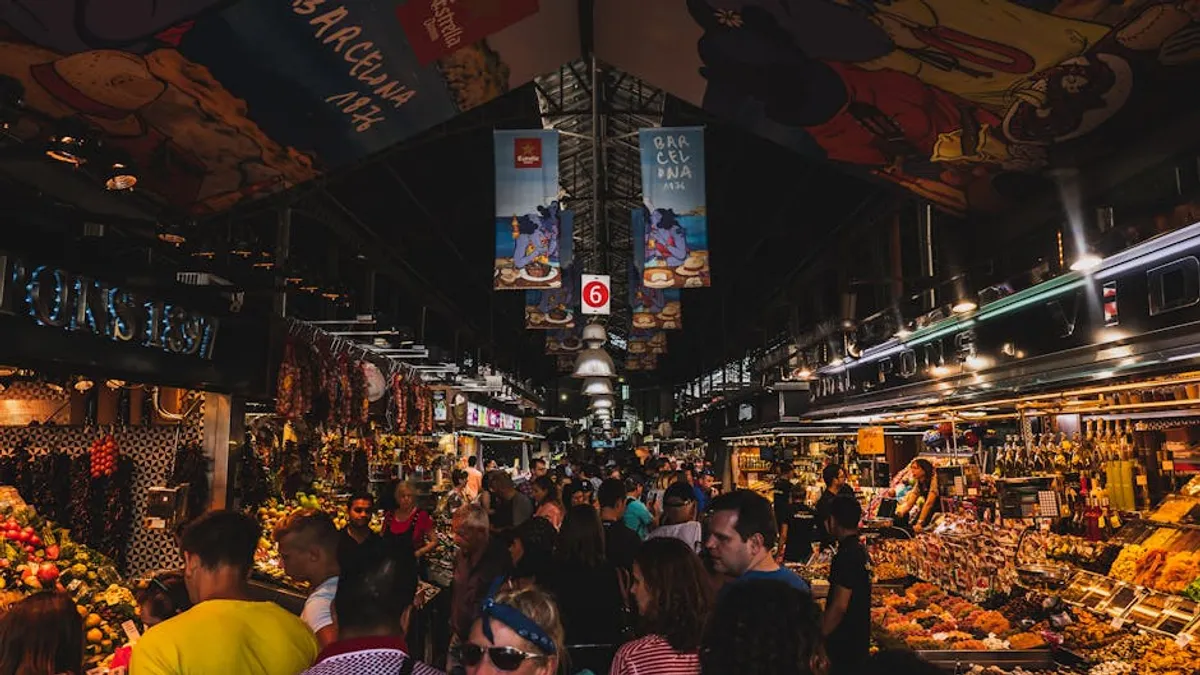
Located off La Rambla, Mercat de Sant Josep de la Boqueria is a sensory explosion of colors, aromas, and sounds. It's a working market where locals shop, but also a popular spot for visitors to sample fresh produce, seafood, and prepared foods. Integrating a visit here into a broader tapas tour allows for a deeper dive into Catalan cuisine. Content can feature specific stalls, recommended tapas bars nearby, and insights into local eating customs, appealing to food tourism segments.
Picasso Museum & MNAC
Barcelona boasts an impressive array of art institutions. The Picasso Museum, housed in five medieval palaces, focuses on the artist's formative years and his connection to the city. The Museu Nacional d'Art de Catalunya (MNAC), located in the Palau Nacional on Montjuïc, offers a comprehensive overview of Catalan art from the Romanesque period to the mid-20th century. For content, differentiate these museums by their specific collections and target audiences. Emphasize their unique contributions to understanding art history and provide practical visiting tips, including free entry days or times.
Flamenco Shows
While often associated with Andalusia, Barcelona offers authentic flamenco experiences that showcase the passion and artistry of this Spanish dance form. Venues range from intimate tablaos in the Gothic Quarter to larger theaters. Content exploring flamenco should advise on choosing a reputable show, often including dinner or a drink, and explain the different elements of a performance (cante, baile, toque) to enhance visitor appreciation.
Pro Tip for Content Creators: When detailing "things to do" in a city like Barcelona, move beyond mere listings. Structure your content to address specific user intents. For instance, clearly label sections for "family-friendly activities," "budget travel," "romantic getaways," or "off-the-beaten-path experiences." This granular approach helps capture long-tail search queries and provides greater utility to diverse audiences, improving content relevance and engagement metrics. Tailoring your barcelona itinerary to specific interests can greatly enhance the travel experience.
Urban Escapes & Panoramic Views
Barcelona's geographical position, nestled between mountains and the sea, provides numerous opportunities for outdoor activities and breathtaking vistas. These examples cater to visitors seeking relaxation, recreation, or simply a different perspective of the city.
Barceloneta Beach
As Barcelona's most famous urban beach, Barceloneta offers a convenient escape from the city bustle. It's popular for sunbathing, swimming, and watersports, lined with chiringuitos (beach bars) and restaurants. Content can focus on its accessibility, amenities, nearby dining options, and activities like paddleboarding or beach volleyball. It's important to note its urban nature, distinguishing it from more secluded coastal options.
Montjuïc Hill & Magic Fountain
Montjuïc is a broad shallow mountain offering parks, museums (like MNAC and Fundació Joan Miró), sports facilities from the 1992 Olympics, and a historic castle. Access via cable car provides scenic views. The Magic Fountain of Montjuïc, at the foot of the hill, hosts spectacular light and music shows. Content should guide visitors on how to navigate the hill (funicular, cable car, walking), highlight specific attractions, and provide the schedule for the Magic Fountain shows, which vary by season.
Tibidabo Amusement Park
Perched atop Mount Tibidabo, this historic amusement park offers classic rides, family entertainment, and unparalleled views of Barcelona. Adjacent to the park is the Sagrat Cor Church, an impressive basilica. Tibidabo appeals particularly to families and those looking for a nostalgic experience away from the central tourist hubs. Content should detail its unique charm, specific attractions, and the various transport routes to reach its summit, including the historic Tramvia Blau.
Here are some essential Barcelona foods to try:
- Paella: Often seafood-based, a staple Spanish rice dish.
- Patatas Bravas: Fried potato cubes served with spicy tomato sauce and aioli.
- Crema Catalana: A custard dessert with a caramelized sugar topping, similar to crème brûlée.
- Escalivada: Roasted vegetables (eggplant, bell peppers, onions) usually served with toast.
- Fideuà: A noodle-based dish similar to paella, often with seafood.
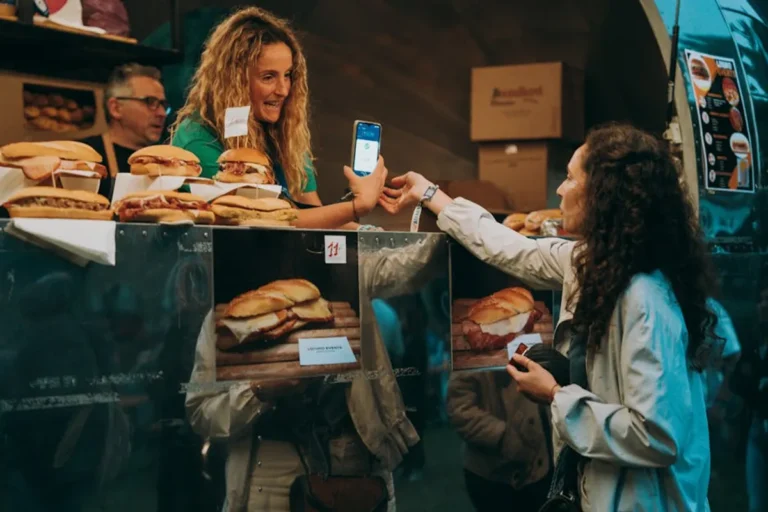
- Bocadillos: Crusty bread sandwiches with various fillings, popular for quick meals.
Optimizing Barcelona Destination Content
When developing content around "Things to Do in Barcelona," the goal is to provide practical, inspiring, and comprehensive information that caters to a wide array of traveler needs. This involves not just listing attractions but detailing the experience, providing logistical advice, and suggesting how different activities can be combined into cohesive itineraries. Focus on clarity in descriptions, accuracy in operational details (hours, prices, booking requirements), and the implicit understanding of varied user intents. By offering diverse examples and practical insights, content can effectively guide visitors through Barcelona's rich offerings and establish authority on the destination.
Frequently Asked Questions About Barcelona Activities
What are Barcelona's must-see attractions for first-time visitors?
For first-time visitors, essential attractions include the Sagrada Familia, Park Güell, the Gothic Quarter, and La Rambla with a visit to La Boqueria Market. These sites offer a comprehensive introduction to Barcelona's unique architecture, history, and vibrant street life.
How can I experience Barcelona's local culture authentically?
To experience local culture, explore neighborhood markets beyond La Boqueria, dine at traditional tapas bars away from the main tourist streets, attend a local festival (like La Mercè), or simply wander through areas like Gràcia or El Born to observe daily life and discover independent boutiques and cafes.
Are there free things to do in Barcelona?
Yes, many experiences in Barcelona are free. These include strolling through the Gothic Quarter, enjoying the beaches, parts of Park Güell (outside the Monumental Zone), and witnessing the Magic Fountain of Montjuïc show. Many museums also offer free entry on specific days or evenings.
What's the best time of year to visit Barcelona?
The best times to visit Barcelona are typically spring (April to June) and early autumn (September to October). During these periods, the weather is pleasant, ideal for sightseeing and outdoor activities, and the city experiences fewer crowds compared to the peak summer months.