Planning a trip to Madrid involves more than just booking flights and accommodation; it requires a strategic approach to maximize your time and experience the city's diverse offerings. A well-structured checklist serves as an indispensable tool, transforming a potential whirlwind of decisions into a streamlined exploration. This guide provides a framework for organizing your Madrid itinerary, ensuring you cover essential cultural landmarks, culinary delights, and vibrant local experiences without feeling rushed or overwhelmed. The objective is to equip you with the insights needed to prioritize activities, manage logistics, and ultimately craft a personalized journey that resonates with your interests, whether they lean towards art, history, gastronomy, or simply soaking in the urban atmosphere. If you're planning a trip, you might find a comprehensive overview of Madrid helpful for initial planning.
Crafting Your Madrid Itinerary: Essential Considerations
Before diving into specific attractions, consider the duration of your stay and your primary interests. Madrid is a city that rewards both deep dives and broad explorations. A checklist helps to balance popular tourist spots with authentic local experiences, preventing over-scheduling and allowing for spontaneous discoveries.
Prioritizing Key Experiences
Not every highlight will appeal to every traveler. Identify your "must-sees" versus "nice-to-dos." For art enthusiasts, dedicating significant time to the "Golden Triangle" of art museums is paramount. For foodies, market visits and tapas tours might take precedence. Grouping activities by geographical proximity also optimizes travel time, allowing for a more relaxed pace.
Navigating Logistics and Timing
Madrid's rhythm is distinct. Many museums offer free entry hours, typically in the late afternoon. Dinner often starts late, around 9 PM. Understanding these local customs can enhance your experience and help avoid crowds. Utilize public transport for efficiency, but embrace walking to discover hidden gems in neighborhoods like La Latina or Malasaña. Pre-booking tickets for major attractions is crucial, especially during peak season, to save hours queuing.
Pro Tip: Always check the operating hours and holiday schedules for museums and attractions before your visit. Many establishments in Madrid close on Mondays, and public holidays can affect transport and opening times, requiring advance planning to avoid unexpected closures.
Cultural Immersion: Must-See Sites
Madrid's historical and artistic core offers a profound journey through Spanish heritage. These sites are fundamental to understanding the city's identity.
- Prado Museum: Home to masterpieces by Goya, Velázquez, and El Greco. Allocate at least three hours to appreciate its extensive collection, focusing on specific wings or artists if time is limited.
- Reina Sofía Museum: Features 20th-century Spanish art, most notably Picasso's "Guernica." Its contemporary focus provides a strong contrast to the Prado's classical works.
- Thyssen-Bornemisza Museum: Bridges the gap between the Prado and Reina Sofía, offering a comprehensive overview of European art from the 13th century to the late 20th century.
- Royal Palace of Madrid: The official residence of the Spanish Royal Family, though now used for state ceremonies. Its opulent interiors and extensive armory provide insight into royal history. Allow two hours for a thorough visit.
- Plaza Mayor & Puerta del Sol: These central squares are historical and geographical hubs. Plaza Mayor, with its uniform architecture and arcades, has witnessed centuries of events. Puerta del Sol is famous for the "Bear and the Strawberry Tree" statue and Kilometer Zero.
Culinary Exploration: Tastes of Madrid
Madrid's food scene is an integral part of its culture, offering everything from traditional tapas to innovative fine dining.
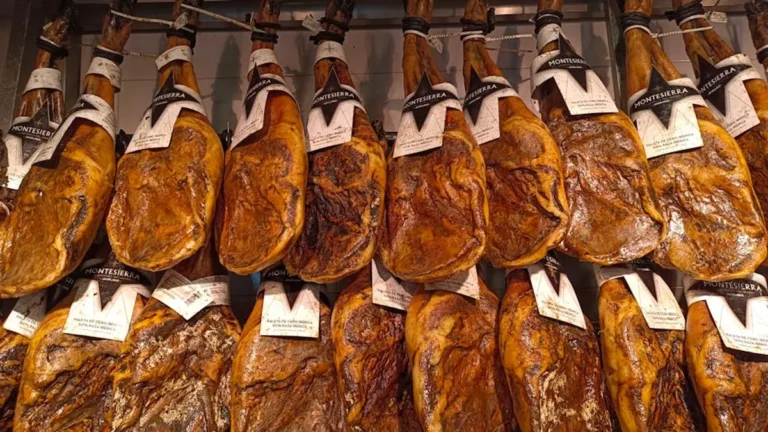
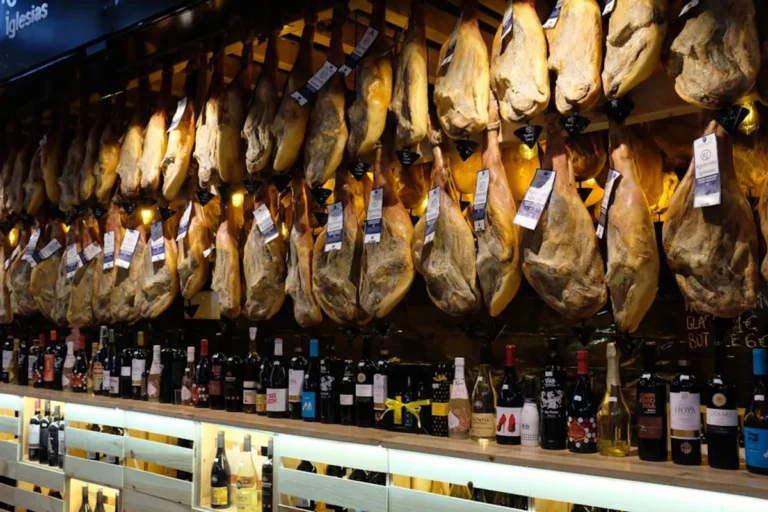
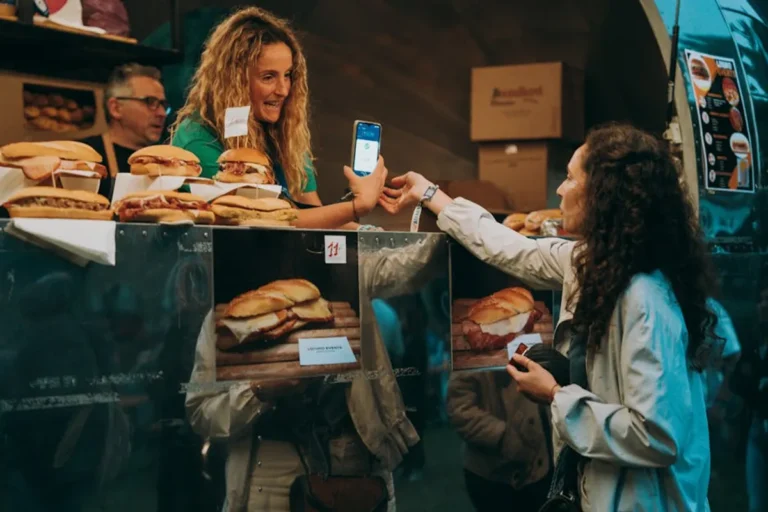
Mercado de San Miguel: Not just a market, but a vibrant gastronomic hub near Plaza Mayor. It's ideal for sampling a variety of Spanish delicacies, from fresh seafood to Iberian ham and local cheeses, in a lively atmosphere. Best for a quick bite or an evening aperitivo.
Tapas Culture: Engage in the quintessential Madrileño experience by hopping between tapas bars. Focus on neighborhoods like La Latina or Cava Baja, where each bar specializes in one or two signature dishes. Stand at the bar, order small plates, and enjoy the communal energy.
Churros con Chocolate: A classic Madrileño breakfast or late-night snack. Chocolatería San Ginés, open 24 hours, is the most famous spot, serving thick, rich hot chocolate with crispy churros for dipping.
Leisure and Green Spaces: Urban Retreats
Amidst the urban bustle, Madrid offers serene parks and unique relaxation spots.
El Retiro Park: A sprawling 350-acre park, formerly a royal retreat. Rent a rowboat on the central lake, visit the Palacio de Cristal, or simply wander its tree-lined paths. It's an essential escape from the city's energy, offering both quiet corners and lively promenades.
Temple of Debod: An ancient Egyptian temple relocated to Madrid. Situated atop a hill, it offers panoramic views of the city, especially stunning at sunset. Its historical significance and unique setting make it a memorable stop.
Vibrant Neighborhoods: Local Life and Nightlife
Beyond the main attractions, Madrid's neighborhoods each possess distinct character and charm.
La Latina: Known for its Sunday Rastro flea market and traditional tapas bars. Its narrow, winding streets are perfect for an afternoon stroll and an evening of bar-hopping, especially around Cava Baja.
Malasaña & Chueca: These adjacent neighborhoods are the heart of Madrid's alternative and LGBTQ+ scenes. Malasaña is known for its independent boutiques, vintage shops, and vibrant nightlife, while Chueca offers stylish cafes, bars, and a lively, inclusive atmosphere.
Expanding Your Horizon: Day Trip Opportunities
For those with extended stays, several UNESCO World Heritage cities are easily accessible from Madrid, offering a glimpse into Spain's diverse regions.
Toledo & Segovia: Both are popular choices. Toledo, the "City of Three Cultures," is rich in Christian, Muslim, and Jewish history. Segovia is famous for its Roman aqueduct, Alcázar, and roasted suckling pig. Each can be explored as a full-day excursion by high-speed train or bus.
Maximizing Your Madrid Experience
A well-curated checklist does more than just list places; it provides a strategic framework for experiencing Madrid authentically. By pre-planning your cultural visits, understanding local dining customs, and allocating time for both major landmarks and neighborhood exploration, you transform a simple itinerary into a rich, personalized journey. Remember to leave room for spontaneity, as some of Madrid's best moments are found in unexpected encounters – a street musician, a hidden patio, or a lively conversation in a local bar. Your checklist is a guide, not a rigid schedule, designed to ensure you depart with a comprehensive appreciation for this dynamic city.
Frequently Asked Questions About Visiting Madrid
What is the ideal number of days for a first-time visitor to Madrid?
A minimum of three to four full days is recommended to cover the major attractions like the Prado Museum, Royal Palace, Retiro Park, and experience some of the city's culinary scene. Five to seven days allow for a more relaxed pace, deeper neighborhood exploration, and potentially a day trip to nearby cities like Toledo or Segovia.
What is the best time of year to visit Madrid?
Spring (April-May) and autumn (September-October) offer the most pleasant weather, with mild temperatures suitable for walking and outdoor activities. Summers (June-August) can be very hot, while winters (November-March) are generally mild but can be chilly, though fewer tourists are present.
Is Madrid a walkable city, or should I rely on public transport?
Madrid's city center is highly walkable, allowing you to explore many neighborhoods and attractions on foot. However, for longer distances or to save time, the metro system is efficient, extensive, and easy to navigate. Buses are also a reliable option for specific routes.
What is the typical dining schedule in Madrid?
Lunch is usually between 2 PM and 4 PM, and dinner typically starts around 9 PM or 10 PM. Many restaurants close between lunch and dinner service. Tapas bars, however, often open earlier in the evening and remain open late, providing flexibility for lighter meals or pre-dinner snacks.