Madrid offers a diverse array of experiences, making initial planning crucial to align activities with individual interests, budget, and available time. This guide compares various categories of attractions and activities, providing a framework to prioritize and craft a tailored itinerary. Understanding the distinct characteristics of Madrid's offerings—from its world-class art institutions to its vibrant culinary scene and historical landmarks—allows visitors to make informed choices that maximize their visit, whether seeking deep cultural immersion, leisurely exploration, or energetic nightlife. This guide provides a complete overview of Madrid's offerings, helping you build the perfect itinerary.
Experiencing Madrid's Art and History
Madrid's cultural landscape is dominated by its "Golden Triangle of Art" and rich historical sites, each providing a distinct perspective on Spanish heritage and European artistic evolution.
Iconic Museums and Galleries
The city's major art museums—the Prado Museum, the Reina Sofía Museum, and the Thyssen-Bornemisza National Museum—offer unparalleled collections but demand significant time and a clear focus. The Prado showcases classical European art, with extensive holdings of Spanish masters like Goya and Velázquez. A comprehensive visit often requires 3-4 hours to appreciate key works, and pre-booking tickets online is essential to avoid queues that can exceed an hour during peak times. Entry typically costs around €15-€20, with free entry periods often available in the late afternoon, though these are significantly more crowded.
The Reina Sofía focuses on 20th-century Spanish art, most notably housing Picasso's Guernica. This museum caters to modern art enthusiasts and requires 2-3 hours for a focused exploration. Its industrial architecture complements the avant-garde exhibits. The Thyssen-Bornemisza provides a historical span from the Old Masters to contemporary works, bridging the collections of the Prado and Reina Sofía. It serves as an excellent complement, usually requiring 2-3 hours. Both also offer free entry slots, which can be strategic for budget-conscious visitors willing to navigate larger crowds.
Best for: Art history enthusiasts, those seeking deep cultural immersion, and visitors comfortable with extended periods of walking and standing. Prioritize based on specific artistic period interest.
Historical Sites and Royal Grandeur
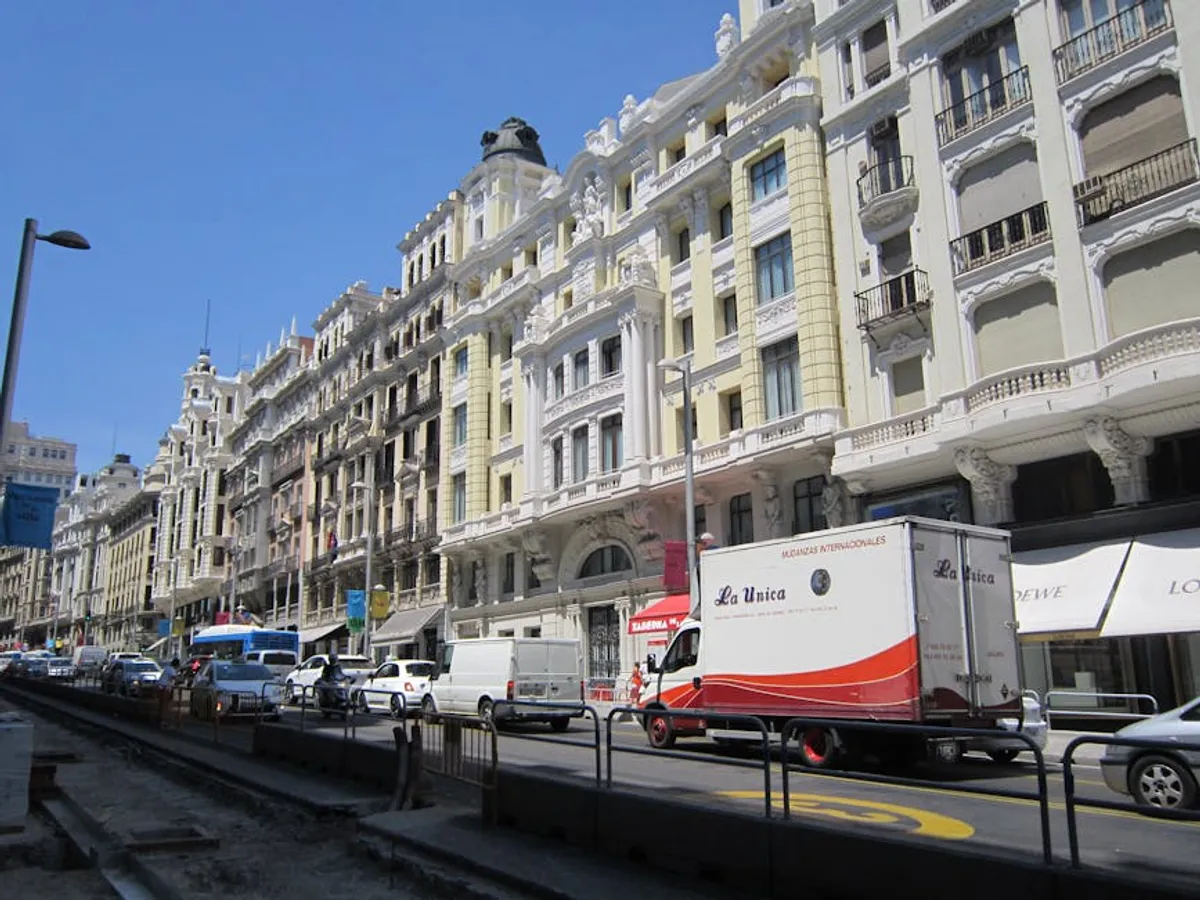
Madrid's historical core centers around the Royal Palace, Plaza Mayor, and Puerta del Sol, each representing different facets of the city's past. The Royal Palace, the official residence of the Spanish Royal Family, is open to the public for tours, offering insights into Spanish monarchy and opulent state rooms. A typical visit lasts 1.5-2 hours. Pre-booking is highly recommended, especially for morning slots, to manage entry flow. Its location near the Almudena Cathedral allows for a combined visit. For those new to the city, a beginner's guide to Madrid can help navigate these iconic sites.
Plaza Mayor, a grand arcaded square, has served as a central public space for centuries, hosting markets, bullfights, and public executions. Today, it's a hub for outdoor dining and people-watching. While entry to the square itself is free, the surrounding cafes are priced for tourists. Puerta del Sol is Madrid's geographical and symbolic heart, home to the Kilometre Zero plaque and the famous Tio Pepe sign. Both squares are best experienced by simply walking through, absorbing the atmosphere, and observing local life. Consider a walking tour to gain historical context beyond surface-level observation.
Best for: Visitors interested in architectural significance, urban history, and experiencing Madrid's civic heart. Ideal for combining with self-guided exploration or guided walking tours.
Culinary and Social Immersion
Madrid's social life revolves around its food and drink culture, offering experiences from traditional tapas to vibrant flamenco performances.
Tapas Culture and Local Markets
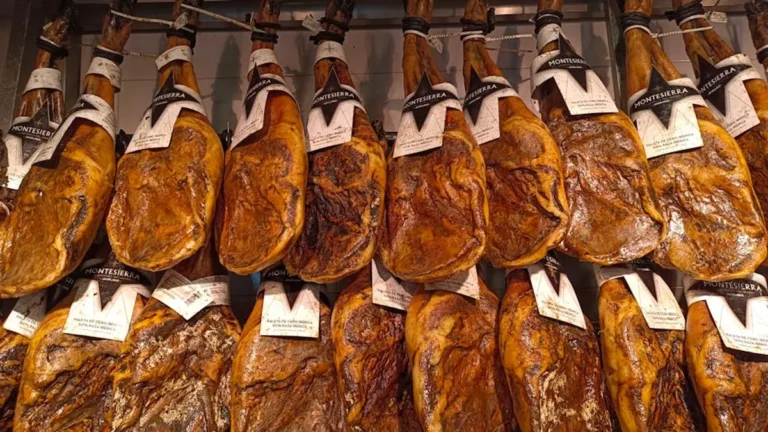
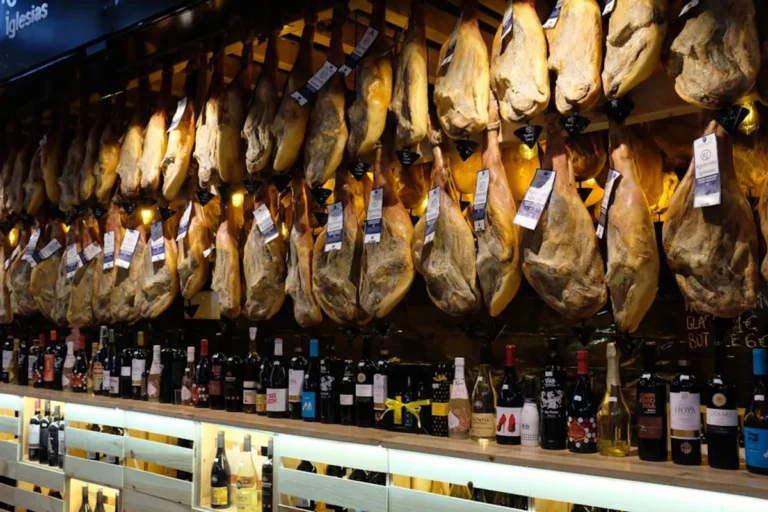
Engaging with Madrid's tapas culture is less about a single meal and more about a social ritual. Neighborhoods like La Latina, Cava Baja, and the area around Mercado de San Miguel are renowned for their tapas bars. The Mercado de San Miguel offers a high-end, gastronomic market experience with various stalls serving gourmet tapas, wines, and desserts. It's often crowded but provides a convenient way to sample diverse Spanish cuisine. Budget around €20-€40 per person for a good selection of tapas and drinks.
For a more authentic and often more affordable experience, explore traditional bars in La Latina, where ordering a drink often comes with a complimentary tapa. This approach allows for a "tapeo" (tapas crawl), moving from bar to bar. This is a dynamic, standing-room-only experience that fosters social interaction. Consider a guided tapas tour for curated recommendations and historical context of the dishes.
Best for: Food enthusiasts, social travelers, and those looking to experience local customs. Offers flexibility in budget and dining style, from quick bites to extended evenings.
Flamenco and Nightlife
Madrid is a major center for flamenco, offering numerous tablaos (flamenco venues) that range from intimate, authentic performances to larger, more tourist-oriented shows with dinner options. Reputable tablaos like Corral de la Morería or Cardamomo offer high-quality performances with professional dancers and musicians. Tickets typically range from €30-€50 for a show with a drink, and upwards of €70-€100 for dinner and a show. Booking in advance is crucial, especially for weekend performances, as venues often sell out.
For general nightlife, neighborhoods like Malasaña and Chueca are known for their vibrant bar scenes, catering to diverse tastes from traditional taverns to modern cocktail bars. These areas typically come alive after 10 PM and continue well into the early morning. Unlike flamenco, general nightlife often involves spontaneous exploration and offers a wide range of price points for drinks.
Pro Tip: When planning your Madrid itinerary, group geographically proximate attractions together to minimize travel time. For example, combine the Royal Palace with the Almudena Cathedral and a stroll through the Sabatini Gardens. Similarly, dedicate a day to the "Golden Triangle of Art" if you plan to visit multiple museums, as they are within walking distance of each other.
Parks, Recreation, and Unique Perspectives
Beyond its urban core, Madrid offers expansive green spaces and opportunities for unique excursions.
Retiro Park and Green Spaces
El Retiro Park, a UNESCO World Heritage site, is Madrid's most iconic green space, offering a tranquil escape from the city bustle. Activities include rowing boats on the Grand Pond (around €6-€8 for 45 minutes), visiting the Crystal Palace, and exploring various statues and gardens. Entry to the park is free, and it's an ideal spot for leisurely walks, picnics, or simply relaxing. It's particularly popular on weekends, attracting street performers and local families. The park connects well with the museum district, making it suitable for a post-museum unwind.
Other notable green spaces include Casa de Campo, a much larger park offering hiking and biking trails, and the Sabatini Gardens adjacent to the Royal Palace, known for their formal design. These parks provide different scales of recreational opportunities, from a quick stroll to a full day of outdoor activity.
Best for: Relaxation, family-friendly activities, and those seeking a break from urban sightseeing. Offers free or low-cost activities and a chance to observe local leisure habits.
Day Trips and Surroundings
Madrid's central location makes it an excellent base for day trips to historically significant cities. Toledo, a UNESCO World Heritage city known as the "City of Three Cultures," is famous for its medieval architecture and rich history. It's easily accessible by high-speed train (AVE) in about 30 minutes, with round-trip tickets costing around €20-€30. A full day is recommended to explore its cathedral, synagogues, and mosques. Segovia, famous for its Roman aqueduct, Alcázar, and roasted suckling pig, is also reachable by AVE in under 30 minutes. Both offer distinct historical and culinary experiences that contrast with Madrid's urban feel.
Consider the time commitment: a day trip typically consumes 8-10 hours, including travel. While enriching, it means sacrificing a day of Madrid exploration. Assess whether the unique historical context of these satellite cities outweighs deeper immersion in Madrid itself.
Best for: History buffs, those staying longer than 3-4 days in Madrid, and visitors seeking contrasting cultural experiences beyond the capital.
Crafting Your Madrid Itinerary
Successfully navigating Madrid's offerings involves prioritizing based on your primary interests and managing logistics effectively. For art and history, consider a Madrid Tourist Card if you plan to visit multiple museums, as it can offer savings and skip-the-line access. For culinary experiences, embrace the local rhythm: late lunches (2-4 PM) and even later dinners (9 PM onwards) are standard. For nightlife, focus on specific neighborhoods that align with your preferred atmosphere, from traditional tapas bars to modern clubs.
An effective strategy combines pre-booked major attractions with flexible time for spontaneous exploration. Utilize Madrid's efficient public transportation system (metro, bus) to connect different areas of the city. Walking is also highly recommended for experiencing the city's distinct neighborhoods and discovering hidden gems. Allocate buffer time for unexpected discoveries or simply to relax and absorb the local ambiance.
Frequently Asked Questions
What is the best way to get around Madrid?
Madrid has an excellent public transport system, including a comprehensive metro and bus network, making it easy to navigate the city. Walking is also highly recommended for exploring central neighborhoods.
How many days are ideal for a first-time visit to Madrid?
A minimum of 3-4 full days is recommended to cover Madrid's main attractions, including key museums, historical sites, and to experience its culinary scene. Add extra days if you plan day trips.
Is it necessary to book attractions in advance?
Yes, for major attractions like the Prado Museum, Royal Palace, and popular flamenco shows, booking tickets online in advance is highly advisable to secure entry and avoid long queues, especially during peak tourist seasons.
What are the typical dining hours in Madrid?
Lunch is typically served between 2:00 PM and 4:00 PM, and dinner often starts around 9:00 PM or later. Many tapas bars, however, are open continuously from late morning through late evening.