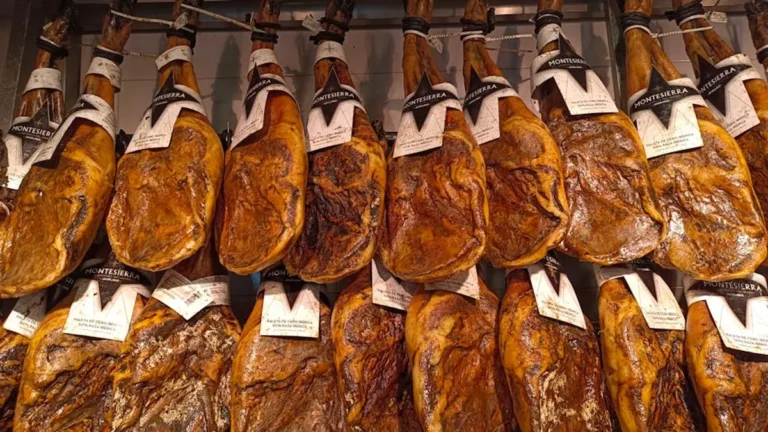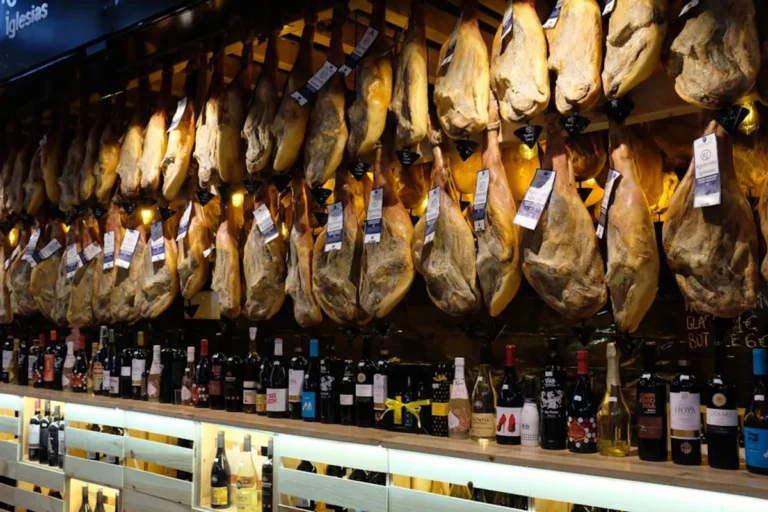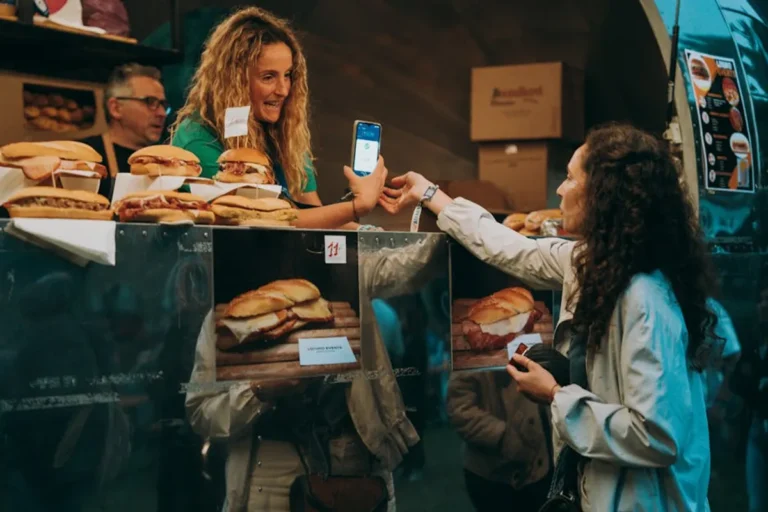
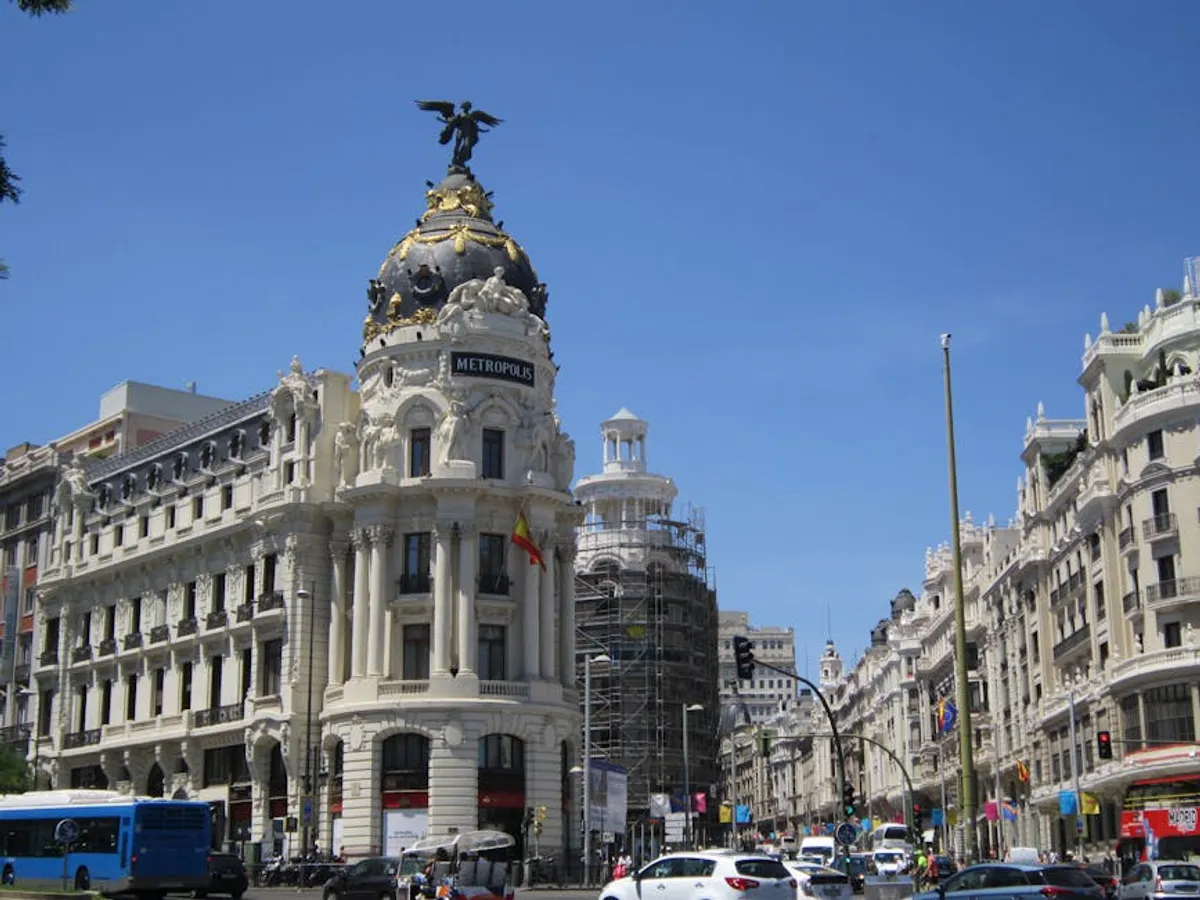
Creating content around "Things to Do in Madrid" presents a significant opportunity, but also intense competition. The digital landscape is saturated with guides, lists, and recommendations. For publishers, marketers, and SEO professionals, the challenge isn't merely to list attractions, but to carve out a distinct, valuable niche that resonates with specific user intent and drives measurable commercial outcomes. Generic compilations rarely break through the noise; success hinges on a strategic approach that prioritizes depth, authenticity, and discoverability. To truly stand out, consider offering a comprehensive overview of Madrid that goes beyond the typical tourist trail.
Understanding User Intent for Madrid Attractions
Before developing any content, a granular understanding of user intent is paramount. Queries related to "Things to Do in Madrid" span a spectrum from broad exploratory searches to highly specific planning stages. Ignoring this nuance leads to content that misses its mark.
Informational vs. Commercial Intent
Users searching for "Madrid attractions" or "best things to do in Madrid" often exhibit mixed intent. Some are in the early planning phase, seeking inspiration and general overviews (informational). Others are closer to booking, looking for practical details, opening hours, ticket prices, and booking links (commercial). Effective content addresses both, often within the same piece or through interconnected content clusters. A robust strategy involves comparing different Madrid attractions, helping users make informed choices based on their specific interests and budget.
- Informational content: Focus on immersive descriptions, historical context, cultural significance, and broad appeal. Use evocative language and high-quality imagery.
- Commercial content: Integrate actionable details like ticket purchase options, tour availability, transportation advice, and direct links to official or reputable booking platforms. Ensure pricing and availability information is current.
Navigational and Local Search Considerations
Many "Things to Do" searches have a strong local component, especially when users are already in Madrid or planning their daily itinerary. Optimizing for navigational and local queries involves more than just mentioning locations.
Best practices:
- Geographic specificity: Include neighborhood names (e.g., "Things to do in Retiro Park," "Malasaña nightlife"), proximity to major landmarks, and public transport options.
- "Near me" optimization: Structure content to answer "things to do near [landmark]" queries, even if not explicitly phrased that way.
- Structured data: Implement schema markup for attractions (e.g.,
TouristAttraction,Event,Place) to enhance visibility in rich results and local packs.
Crafting Differentiated Content
To stand out in a crowded field, content must offer a unique perspective or a level of detail that generic listicles lack. This moves beyond simply listing the Prado Museum or Plaza Mayor.
Beyond the Obvious: Unique Angles and Niche Focus
Instead of replicating "Top 10 Madrid Attractions," consider specialized angles that cater to specific interests or less-explored facets of the city. This narrows the competitive field and attracts a highly engaged audience.
Examples:
- "Madrid for Art Lovers: Beyond the Golden Triangle" (focusing on lesser-known galleries, street art, or specific art movements).
- "Hidden Courtyards and Secret Gardens of Madrid" (appealing to those seeking tranquility or unique photo opportunities).
- "Madrid's Culinary Evolution: From Traditional Tapas to Michelin Stars" (targeting foodies with specific gastronomic interests).
This approach allows for deeper dives into individual topics, positioning the content as an authoritative resource rather than a superficial overview.
Integrating Experiential Detail
Readers want to visualize their experience. Content should go beyond factual descriptions to convey the atmosphere, sensory details, and practical implications of visiting an attraction. What does it feel like to be there? What practical tips enhance the visit?
Include:
- Personal anecdotes or expert insights.
- Best times to visit (to avoid crowds, for specific events).
- Accessibility information.
- Nearby recommendations (e.g., a charming cafe, a local shop).
- Cost-saving tips or free alternatives.
Pro Tip: To avoid blending into the multitude of "Things to Do in Madrid" articles, focus on a hyper-specific niche or unique angle. Instead of a broad "Madrid City Guide," consider "Madrid's Best Rooftop Bars for Sunset Views" or "A Literary Tour of Madrid: Following in the Footsteps of Cervantes." This precision allows for deeper content and targets a more dedicated audience, improving engagement and conversion potential.
Optimizing for Discoverability and Engagement
Even the most compelling content requires strategic optimization to reach its intended audience and maximize impact.
Keyword Research and Semantic Relevance
Thorough keyword research is foundational. Beyond primary terms like "things to do Madrid," investigate long-tail keywords, related questions, and semantic variations. Use tools to identify user questions (e.g., "is Madrid walkable," "Madrid day trips," "best churros Madrid"). Incorporate these naturally into headings, subheadings, and body copy.
Focus on:
- Topic clusters: Create interconnected content around broader themes (e.g., "Madrid museums" as a hub, linking to individual museum guides).
- User-generated content analysis: Review travel forums and social media for common questions and pain points from visitors.
Visual Content Strategy
High-quality visuals are non-negotiable for travel content. Images, videos, and interactive maps significantly enhance engagement and provide crucial context.
Elements to include:
- Original photography: Authentic, high-resolution images that capture the essence of each attraction.
- Video walkthroughs: Short, engaging videos showcasing the atmosphere or key features.
- Interactive maps: Embed maps with custom pins for attractions, restaurants, and transport links.
- Image optimization: Use descriptive alt text, appropriate file sizes, and relevant captions to improve SEO and user experience.
Structured Data and Local SEO Signals
Leveraging structured data helps search engines understand your content's context and display it effectively. For local attractions, this is critical for appearing in local search results and map interfaces.
Implement schema for:
TouristAttraction,LandmarkAndHistoricalBuilding,Museum,Restaurant,Event.- Include properties like address, opening hours, telephone, price range, and reviews.
Ensure consistent Name, Address, Phone (NAP) information across all mentions if referring to local businesses or official sites.
Measuring Content Performance
Effective content strategy involves continuous monitoring and adaptation. Track key metrics to understand what resonates with your audience and drives desired actions.
Key Metrics for Madrid Content
- Organic traffic: Monitor page views and unique visitors from search engines.
- Engagement metrics: Track time on page, bounce rate, and scroll depth to gauge content quality and relevance.
- Conversion rates: Measure clicks to booking partners, affiliate links, newsletter sign-ups, or tour inquiries.
- Keyword rankings: Monitor performance for target keywords and identify new opportunities.
- Backlinks and social shares: Indicate content authority and reach.
Analyze these metrics to refine content, identify gaps, and prioritize future topics. A/B test different calls to action or content formats to optimize conversion paths.
Building a Robust Madrid Content Portfolio
Successful content creation for "Things to Do in Madrid" demands a blend of strategic planning, creative execution, and continuous optimization. By deeply understanding user intent, crafting differentiated content, and meticulously optimizing for discoverability, publishers can build a valuable asset that serves both their audience and their commercial objectives. Prioritize authenticity, provide genuine value, and consistently refine your approach based on performance data to establish authority in this competitive travel niche.
Frequently Asked Questions
How can I find unique attractions in Madrid that aren't widely covered?
Explore local blogs, community forums, and lesser-known guidebooks. Engage with local residents on social media for recommendations. Look for specific events, seasonal activities, or neighborhood-specific hidden gems that might not appear on mainstream travel sites.
What types of visuals perform best for Madrid travel content?
High-resolution, authentic photography is crucial. Images showcasing local culture, vibrant street scenes, detailed architectural shots, and people enjoying activities tend to perform well. Short, engaging video clips and interactive maps also significantly boost engagement.
How often should "Things to Do in Madrid" content be updated?
Content should be reviewed and updated at least annually, or more frequently if there are significant changes to opening hours, ticket prices, transportation, or new attractions. Seasonal content (e.g., "Madrid in Spring") requires timely updates to remain relevant.
Should I focus on general lists or highly specific guides for Madrid?
A balanced approach is often most effective. Create a few comprehensive general guides to capture broad search intent, then develop numerous highly specific, niche guides (e.g., "Madrid's Best Tapas Bars," "Day Trips from Madrid by Train") that link back to the broader content. This builds topic authority and addresses diverse user needs.