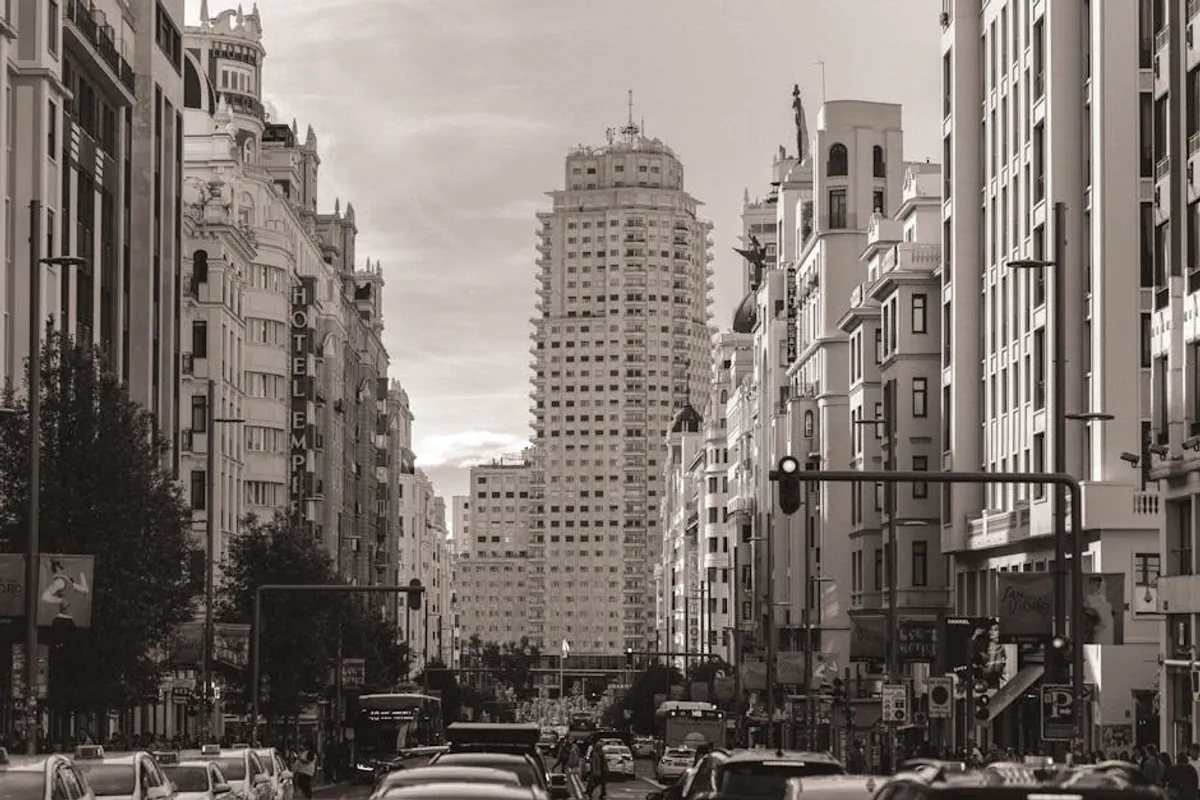
Madrid offers a diverse range of experiences, from world-class art museums to vibrant nightlife and historic plazas. For visitors planning their itinerary, the challenge often lies in prioritizing activities to align with their interests, time constraints, and budget. Effective planning involves understanding the city's geographical layout, the operating hours of key attractions, and how to integrate local cultural experiences with renowned landmarks. This guide provides actionable tips to help structure a visit, ensuring a balanced exploration of Madrid's offerings. To make the most of your trip, consult a complete overview of Madrid to plan your itinerary effectively.
Navigating Madrid's Core Attractions
Madrid's most iconic sites are largely concentrated within its central districts, allowing for efficient exploration, often on foot or with short metro rides. Understanding the scope and typical visit duration for each helps in scheduling.
The Art Triangle: Prado, Reina Sofía, Thyssen
Madrid's "Art Triangle" comprises three major museums, each offering distinct collections. The Museo del Prado houses a comprehensive collection of European art from the 12th to the early 20th century, with significant works by Goya, Velázquez, and El Greco. A focused visit typically requires 2-3 hours to appreciate key masterpieces. The Museo Nacional Centro de Arte Reina Sofía specializes in 20th-century Spanish art, most notably Picasso's "Guernica," and often warrants 1.5-2 hours. The Thyssen-Bornemisza Museum provides a historical overview of Western art from the 13th century to the late 20th century, bridging the gap between the Prado and Reina Sofía, and can be explored in 1.5-2 hours. Consider purchasing a combined ticket or museum pass if visiting all three to save on individual entry costs and streamline access.
Royal Palace and Plaza Mayor: Historical Grandeur
The Royal Palace of Madrid, the official residence of the Spanish Royal Family (though primarily used for state ceremonies), is the largest functioning royal palace in Western Europe. Its opulent interiors, including the Royal Armory and the Royal Pharmacy, require approximately 2 hours for a thorough visit. Nearby, Plaza Mayor, a grand arcaded square, serves as a historical focal point for public gatherings and events. While the square itself is an open space, the surrounding architecture and its historical significance make it a key stop. Allow 30-60 minutes to walk through and absorb the atmosphere, perhaps with a coffee at one of its many outdoor cafes. Both sites are within walking distance of each other, making them suitable for a half-day exploration.
Retiro Park: Urban Oasis and Recreation
Parque del Buen Retiro, a UNESCO World Heritage site, provides a significant green space in the heart of Madrid. It features formal gardens, a large boating lake, the Crystal Palace (Palacio de Cristal), and numerous statues and fountains. This park is ideal for relaxation, a leisurely stroll, or even rowing a boat on the lake. Depending on desired activity, a visit can range from 1 to 3 hours. It offers a contrasting experience to the city's bustling streets and historical monuments, providing a natural break in an itinerary.
Experiencing Local Madrid: Beyond the Postcards
To gain a deeper appreciation for Madrid, integrate experiences that reflect daily life and local culture. These often involve food, neighborhood exploration, and evening entertainment.
Gastronomy: Tapas, Markets, and Traditional Dining
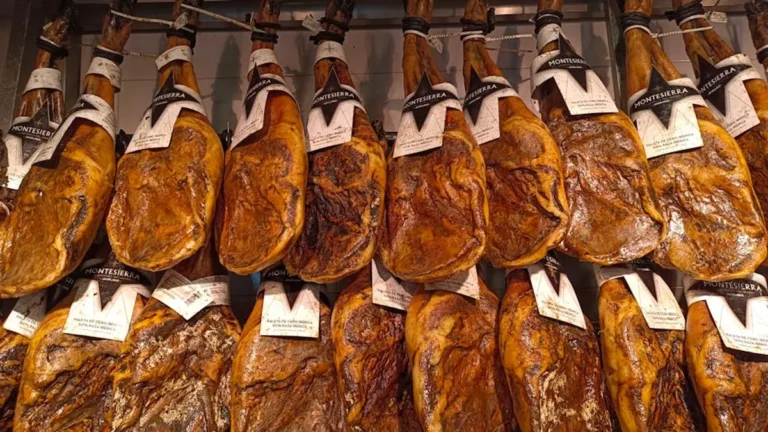
Madrid's culinary scene is central to its identity. Engaging with tapas culture is essential; head to areas like La Latina or the Mercado de San Miguel for a concentrated experience. The Mercado de San Miguel, while popular with tourists, offers a wide array of Spanish delicacies under one roof. For a more local market feel, explore Mercado de la Cebada. Traditional dining often involves late dinner times, typically after 9 PM. Seek out restaurants specializing in "cocido madrileño" (a chickpea stew) or "bocadillo de calamares" (fried calamari sandwich) for authentic local flavors. Participate in a tapas crawl to sample various dishes and drinks across multiple establishments, which also provides insight into local social customs.
Neighborhood Exploration: La Latina, Malasaña, Chueca
Each of Madrid's neighborhoods possesses a distinct character. La Latina is known for its Sunday Rastro flea market and its historic, winding streets filled with tapas bars. Malasaña offers a bohemian vibe with independent boutiques, vintage shops, and a lively nightlife scene. Chueca is recognized for its vibrant LGBTQ+ community, trendy cafes, and stylish bars. Spending time walking through these areas allows for discovery of local businesses, street art, and architectural details often missed on a more structured tour. These neighborhoods are best explored without a fixed agenda, allowing for spontaneous stops.
Flamenco and Nightlife: Authentic Evenings
Madrid is a significant center for flamenco, offering both traditional "tablaos" (flamenco venues) and more contemporary interpretations. Researching venues in advance is advisable, as quality and style vary. Shows typically last 1-1.5 hours and often include dinner or a drink. For general nightlife, areas like Huertas and Malasaña come alive after dark, with bars and clubs remaining open until the early morning hours. Understand that Spanish dinner and social schedules run later than in many other cultures, with peak activity often after midnight.
Pro Tip: For popular attractions like the Prado Museum or the Royal Palace, and especially for sought-after flamenco shows, booking tickets online in advance is highly recommended. This strategy often saves significant time by allowing you to bypass long queues, particularly during peak tourist seasons or on weekends. Many venues offer timed entry slots, which further helps in managing your schedule efficiently.
Practical Considerations for Madrid Visitors
Efficient travel in Madrid involves understanding its public transport, seasonal variations, and how to choose accommodation that suits your trip's focus.
Transport and Accessibility
Madrid boasts an extensive and efficient public transportation system, primarily comprising the Metro (subway), buses, and Cercanías (commuter trains). The Metro is particularly useful for covering longer distances quickly. A "Tarjeta Multi" (rechargeable public transport card) can be purchased at Metro stations and loaded with single tickets, 10-trip passes, or tourist passes for unlimited travel over a set period. Many central attractions are walkable, but for areas further afield or to conserve energy, the Metro provides reliable access. The city center is generally flat and accessible, though some older neighborhoods feature narrow, cobblestone streets.
Best Times to Visit and Seasonal Events
The shoulder seasons of spring (April-May) and autumn (September-October) generally offer the most pleasant weather for visiting Madrid, with mild temperatures and fewer crowds than the summer. Summer (June-August) can be very hot, with temperatures frequently exceeding 30°C (86°F), and some local businesses may operate on reduced hours or close for holidays. Winter (November-March) is cooler, but still offers many sunny days, and is a good time for indoor activities like museums. Key events include Semana Santa (Holy Week) in spring, and Veranos de la Villa (summer cultural festival), which can impact availability and pricing for accommodations and activities.
Accommodation Zones: Matching Your Stay to Your Style
Choosing the right neighborhood for accommodation impacts both convenience and experience.
- Centro/Sol: Best for first-time visitors who want to be in the heart of the action, close to major landmarks and transport hubs. Expect higher foot traffic and potentially more noise.
- Barrio de las Letras: Ideal for those interested in culture, literature, and a slightly more upscale, quieter atmosphere, while still being central. Close to the Art Triangle.
- Malasaña/Chueca: Suited for visitors seeking nightlife, independent shops, and a bohemian or trendy vibe. More residential and less tourist-centric than Sol.
- Salamanca: Preferred by those looking for luxury shopping, elegant architecture, and a more refined, quieter experience. Further from the main tourist core but well-connected by metro.
Consider proximity to your primary interests and preferred evening activities when selecting your base.
Crafting Your Madrid Itinerary
Effective planning for a Madrid trip involves balancing must-see attractions with local immersion, while also accounting for practicalities like travel time and opening hours. Prioritize attractions based on personal interest, grouping geographically close sites together to minimize transit time. Incorporate breaks for meals and relaxation, as the Spanish schedule often involves late evenings. Flexibility is key; allow for spontaneous discoveries, whether it's a hidden plaza or an unexpected cultural event. By combining structured visits with open-ended exploration, visitors can create a comprehensive and enjoyable Madrid experience tailored to their preferences.
Frequently Asked Questions
How many days are ideal for a first-time visit to Madrid?
A minimum of three to four full days is recommended for a first-time visitor to experience Madrid's main attractions, including key museums, historical sites, and some local neighborhoods. This allows for a balanced pace without feeling rushed.
Is Madrid a walkable city?
Yes, Madrid's city center is very walkable, with many major attractions, plazas, and neighborhoods within reasonable walking distance of each other. Comfortable shoes are advisable, but the extensive public transport system provides alternatives for longer distances or when tired.
What is the best way to get around Madrid?
The Madrid Metro is often considered the most efficient way to travel across the city, especially for longer distances. Buses are also comprehensive, and walking is excellent for exploring central areas. A "Tarjeta Multi" public transport card offers convenient access to all these options.
Are there any free attractions in Madrid?
Many of Madrid's world-class museums, such as the Prado and Reina Sofía, offer free entry during specific evening hours. Retiro Park is always free to enter, as are iconic plazas like Plaza Mayor and Puerta del Sol. Exploring neighborhoods and enjoying the city's atmosphere also comes at no cost.