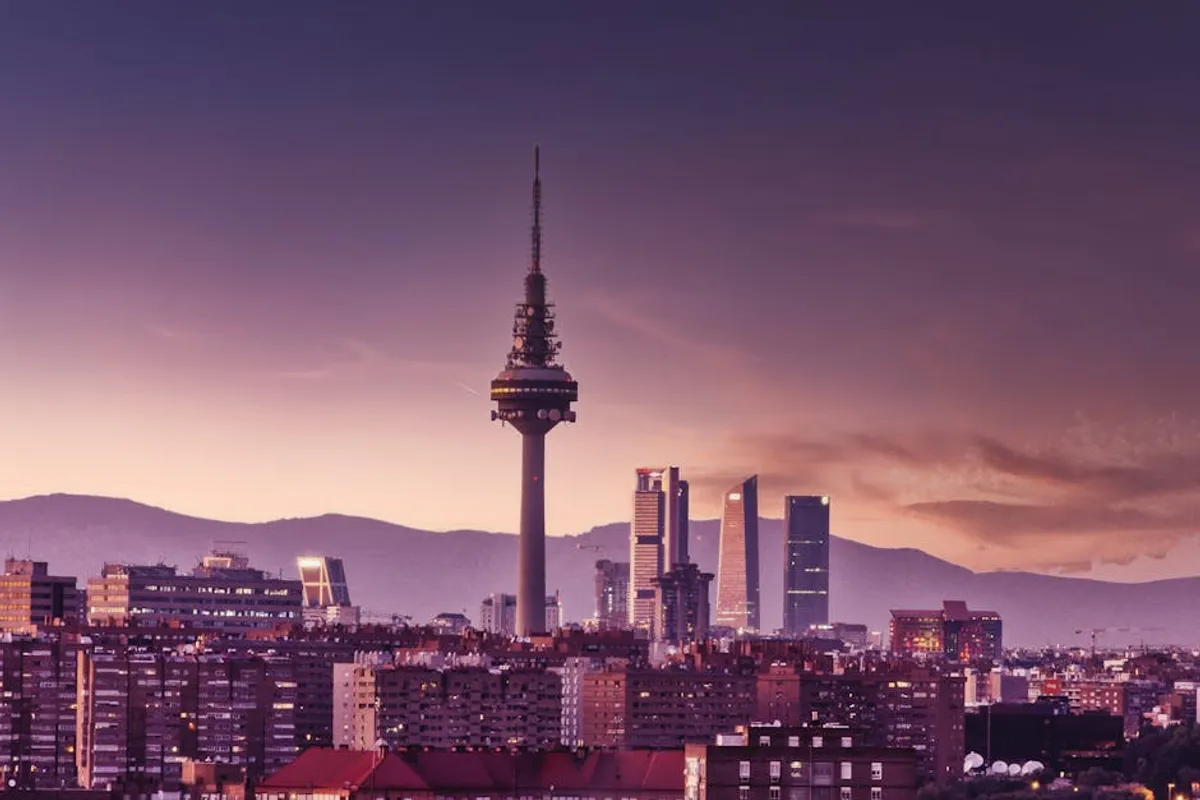
Understanding the evolving landscape of visitor preferences in Madrid is crucial for any business, content creator, or service provider targeting the city's dynamic tourism market. Trends are not static; they reflect shifts in traveler values, technological adoption, and global influences. For entities looking to capture market share or maintain relevance, identifying these movements early allows for strategic content development, product innovation, and targeted marketing efforts. This deep dive focuses on the actionable trends shaping "things to do" in Madrid, offering insights to inform your approach.
Experiential Immersion and Local Authenticity
Modern travelers increasingly seek experiences that transcend typical sightseeing, opting for deeper engagement with local culture and daily life. This trend emphasizes participation over passive observation, moving beyond landmark checklists to embrace genuine interaction.
Specific manifestations:
- Culinary Workshops: Demand for hands-on cooking classes focusing on traditional Spanish or regional Madrileño cuisine, often including market visits to source ingredients. This goes beyond restaurant dining, offering skill acquisition and cultural context.
- Neighborhood Exploration: Guided tours or self-guided itineraries that highlight specific barrios (e.g., Malasaña, La Latina, Lavapiés) not just for their sights, but for their unique atmosphere, independent shops, street art, and local hangouts. This caters to a desire for "living like a local."
- Artisan Encounters: Opportunities to meet local craftspeople, artists, or musicians, observing their work or participating in small-group creative sessions. This provides a personal connection to Madrid's creative pulse.
For content strategy, this translates into creating detailed guides on specific neighborhoods, profiling local businesses, or offering "day in the life" itineraries. Businesses can develop partnerships with local artisans or small culinary schools to offer unique packages.
Sustainable and Responsible Tourism
A growing segment of travelers prioritizes environmental and social responsibility, influencing their choices from accommodation to activities. Madrid, like many major European cities, is seeing increased demand for options that minimize negative impact and support local communities.
Key areas:
- Eco-conscious Transport: Emphasis on walking tours, cycling routes (e.g., Madrid Río), and efficient use of public transportation. Content can focus on car-free itineraries or guides to Madrid's extensive metro and bus network.
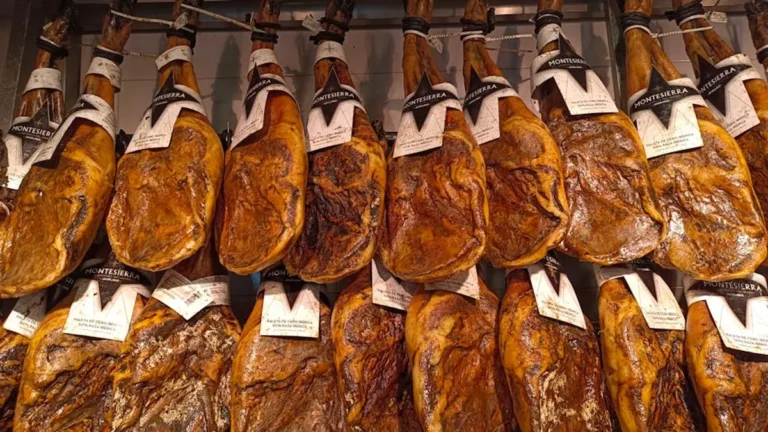
- Local Sourcing and Consumption: Preference for establishments that use locally sourced ingredients, support fair trade, or have clear waste reduction policies. This extends to shopping for artisanal products that directly benefit Madrid's small businesses.
- Green Spaces and Nature: Increased interest in exploring Madrid's parks (Retiro, Casa de Campo) and accessible natural areas just outside the city. This offers a respite from urban intensity while promoting outdoor activity.
Content creators should highlight businesses with verifiable sustainability practices. Tour operators can design routes that emphasize public transport and include visits to community-focused initiatives. This trend is not merely about eco-friendliness; it's about ethical consumption and contributing positively to the destination.
Pro Tip: When addressing the "experiential" and "sustainable" trends, authenticity is paramount. Avoid generic recommendations. Instead, partner with genuinely local, small-scale operators and highlight their unique stories. Travelers are adept at identifying superficial "local" experiences; genuine connections build trust and drive engagement.
Digital Integration and Tech-Enhanced Experiences
Technology continues to reshape how visitors plan, navigate, and experience Madrid. From booking platforms to augmented reality, digital tools are becoming integral to the travel journey.
Impactful applications:
- Mobile-First Planning: Travelers rely heavily on smartphones for real-time information, navigation, and last-minute bookings. This necessitates mobile-optimized websites, clear mapping information, and easy-to-use booking interfaces.
- Augmented Reality (AR) and Virtual Reality (VR): While not mainstream for all "things to do," AR apps can enhance historical site visits by overlaying past visuals onto current views, or provide interactive museum experiences. VR can offer pre-visit previews.
- Personalized Recommendations: AI-driven platforms that learn user preferences to suggest tailored activities, restaurants, or events. This moves beyond generic "top 10" lists to highly relevant suggestions.
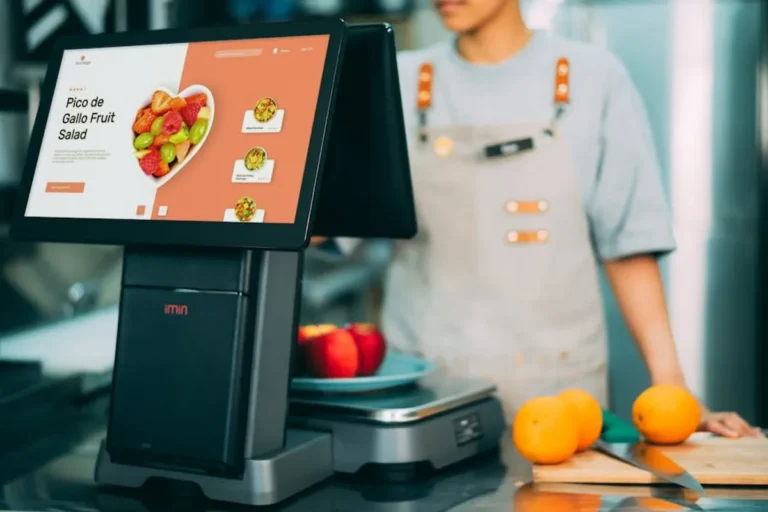
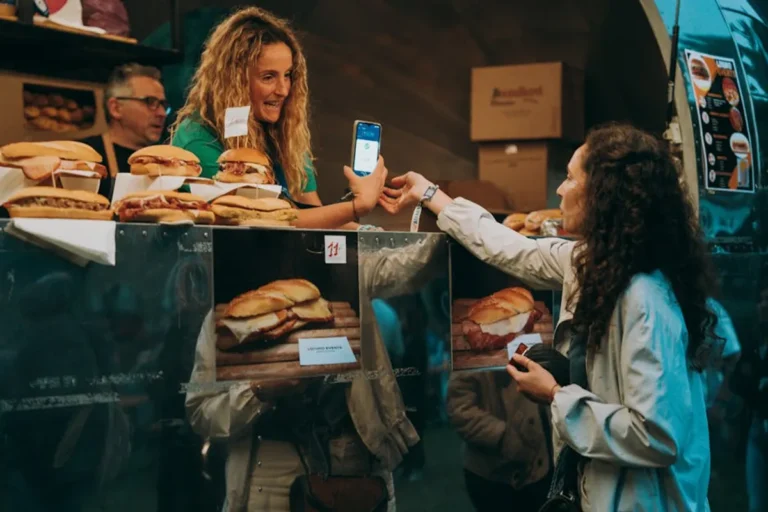
- Contactless Payments and Digital Ticketing: The expectation for seamless, cashless transactions and mobile tickets for attractions, public transport, and events.
For businesses, this means investing in robust online presence, ensuring mobile responsiveness, and exploring partnerships with tech providers for innovative visitor experiences. Content should integrate clear calls to action for digital bookings and leverage interactive elements where appropriate.
Niche Interests and Hyper-Personalization
The days of one-size-fits-all tourism are fading. Travelers increasingly seek experiences tailored to their specific hobbies, passions, or demographic profiles. Madrid's diverse offerings lend themselves well to this trend.
Examples:
- Art & Design Routes: Beyond the "Golden Triangle" of museums, focus on specific art movements, street art tours, or visits to independent galleries in neighborhoods like Conde Duque or Salesas.
- Literary Madrid: Tours exploring the haunts of famous Spanish writers (Cervantes, Lope de Vega) or literary-themed cafes and bookstores.
- Music & Nightlife: Guides to specific music genres (flamenco, jazz, indie rock) in particular venues, or curated lists of cocktail bars and clubs catering to different vibes.
- Accessibility-Focused Travel: Content and services specifically designed for travelers with mobility challenges, including accessible routes, attractions, and accommodations.
Content creation benefits from hyper-segmentation. Instead of "Things to Do in Madrid," consider "Madrid for Art Lovers," "Madrid's Best Flamenco Tablaos," or "Accessible Madrid Itineraries." This precision attracts highly engaged audiences.
Adapting to Madrid's Evolving Visitor Landscape
The trends in Madrid's tourism sector underscore a shift towards more meaningful, responsible, and personalized travel. For content creators, this means moving beyond broad generalizations to offer detailed, authentic, and context-rich information. For businesses, it implies an ongoing need to innovate offerings, integrate technology thoughtfully, and commit to sustainable practices. Monitoring these shifts allows for proactive adjustments, ensuring continued relevance and commercial success in a competitive market.
Frequently Asked Questions About Madrid Tourism Trends
How often do Madrid tourism trends shift significantly?
While some core attractions remain constant, significant shifts in traveler preferences and technological integration can occur every 3-5 years, often accelerated by global events or new digital platforms. Continuous monitoring of consumer behavior and industry reports is advisable.
What role does technology play in enhancing Madrid visitor experiences?
Technology facilitates planning, navigation, and engagement. This includes mobile apps for public transport and ticketing, augmented reality for historical sites, personalized recommendation engines, and seamless digital payment options, all contributing to a more convenient and enriched visit.
Are sustainable options widely available for travelers in Madrid?
Yes, Madrid is increasingly integrating sustainable practices. This includes a growing number of eco-certified accommodations, emphasis on public transport, expansion of cycling infrastructure, and a rise in businesses prioritizing local sourcing and waste reduction. Travelers can find numerous options by actively seeking them out.
How can small businesses capitalize on these emerging trends?
Small businesses can capitalize by focusing on niche experiences, offering authentic local interactions, embracing digital tools for booking and communication, and highlighting any sustainable practices they employ. Personalization and direct engagement with visitors are key differentiators against larger operators.