
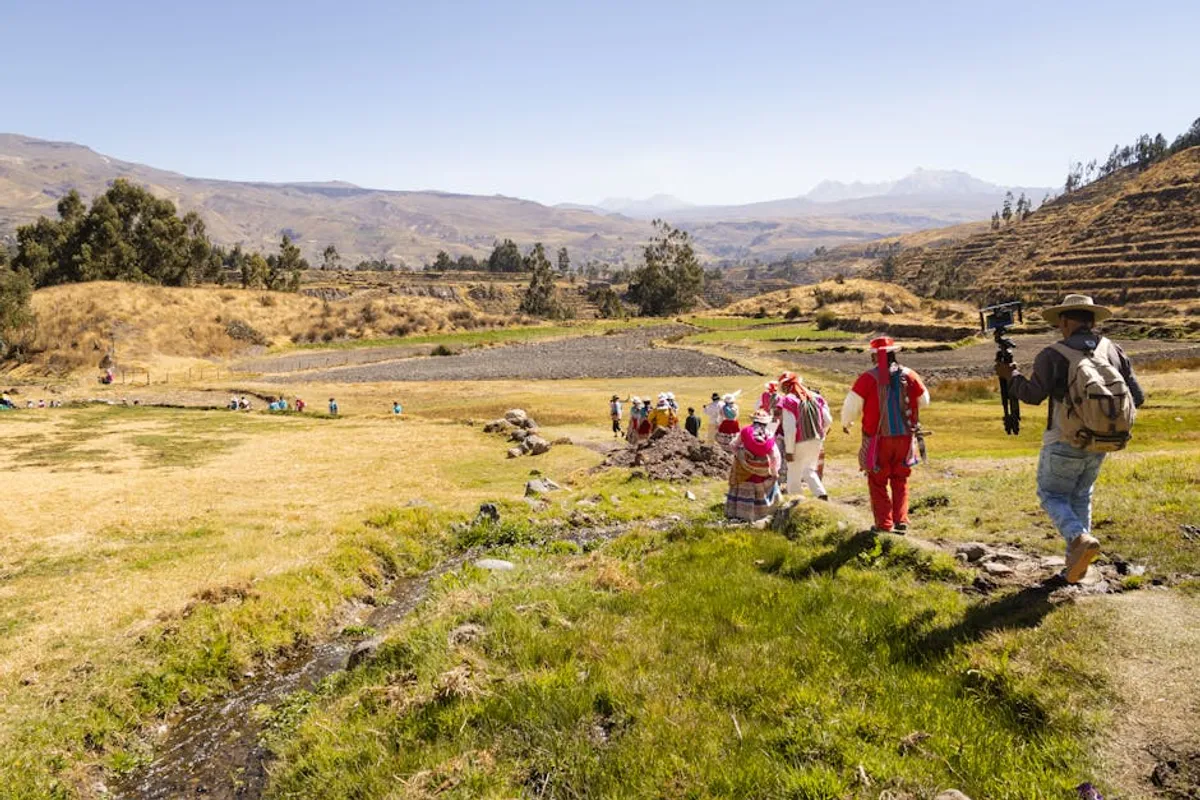
The family travel market represents a significant and evolving segment, driven by diverse needs across age groups, interests, and budgets. Understanding the specific nuances of "Turismo Familiar" – family tourism – and the distinct vacation ideas that resonate with different family structures is crucial for marketers, content creators, and travel providers. Generic recommendations often miss the mark; instead, a targeted approach, grounded in practical considerations and commercial viability, yields better engagement and conversion. This exploration delves into varied family vacation concepts, highlighting their appeal and the underlying factors that make them successful, offering a framework for developing relevant offerings and content. Understanding these shifts can help tailor offerings and marketing strategies to better capture the attention of families seeking their next adventure, keeping pace with emerging tourism trends.
Differentiating Family Travel Segments
Effective family vacation planning, and by extension, marketing, begins with segmenting the family unit itself. Needs shift dramatically based on children's ages and the overall family dynamic. Recognizing these distinctions allows for the creation of more tailored and appealing vacation ideas.
- Families with Infants and Toddlers (0-4 years): Prioritize convenience, safety, and amenities like cribs, high chairs, and childcare services. Destinations offering short travel times, enclosed play areas, and easy access to medical facilities are key. Activities often revolve around sensory experiences and gentle outdoor exploration.
- Families with Young Children (5-9 years): Seek engaging, age-appropriate activities that blend play with discovery. Destinations with dedicated kids' clubs, shallow pools, interactive museums, and animal encounters are highly valued. Emphasis remains on safety and structured fun, often with a theme.
- Families with Pre-Teens and Teenagers (10-17 years): Demand more independence, adventure, and opportunities for social interaction. Activities like watersports, adventure parks, cultural workshops, and city explorations with customizable itineraries are popular. WiFi access and proximity to local hangouts become important considerations.
- Multi-Generational Families: Require diverse options that cater to all ages, from grandparents to grandchildren. This often involves flexible accommodation (e.g., connected rooms, villas), shared activities that allow for different participation levels, and dining options accommodating various dietary needs. Accessibility for mobility-impaired individuals is a common concern.
Core Vacation Ideas and Their Commercial Appeal
Beyond age-based segmentation, specific types of vacation experiences consistently attract family travelers. Each offers unique commercial opportunities for content and product development.
Adventure and Nature Escapes
These trips focus on outdoor activities and natural environments, appealing to families seeking active engagement and educational experiences outside traditional settings.
Best for: Families with school-aged children and teenagers.
Commercial Angle: Promote guided nature walks, wildlife viewing tours, national park access with ranger programs, and soft adventure sports like kayaking or zip-lining. Highlight eco-friendly accommodations and educational components about local flora and fauna. Content can focus on packing guides for specific environments, safety tips, and "what to expect" narratives for different age groups.
Educational and Cultural Journeys
These ideas center on learning and immersion, often in historical cities, museums, or regions known for specific cultural traditions.
Best for: Families with young children and pre-teens, and multi-generational groups.
Commercial Angle: Market interactive museum exhibits, historical site tours with child-friendly narratives, cooking classes, language immersion programs, and local artisan workshops. Emphasize the "learning disguised as fun" aspect. Content can feature itineraries that balance educational stops with leisure, highlighting family-friendly dining and transport options.
Relaxation and Resort Stays
All-inclusive resorts or dedicated family-friendly hotels provide a structured environment focused on comfort and convenience, reducing planning stress for parents.
Best for: Families with infants, toddlers, and young children, and multi-generational groups.
Commercial Angle: Showcase amenities like kids' clubs, multiple dining options, supervised activities, and on-site entertainment. Highlight the value proposition of bundled services and the ability for parents to relax while children are engaged. Content can focus on comparing resort features, detailing childcare services, and illustrating a typical day's activities.
Theme Park and Entertainment Destinations
These are high-energy trips centered around major attractions, offering concentrated entertainment for children and often adults.
Best for: Families with young children, pre-teens, and teenagers.
Commercial Angle: Focus on ticket packages, fast-pass options, character dining experiences, and nearby accommodation partnerships. Emphasize the immersive storytelling and unique experiences. Content can provide detailed ride guides, crowd management strategies, and tips for maximizing time and budget within the park environment.
Pro Tip: When developing family travel concepts, prioritize transparency regarding costs and inclusions. Families often operate within strict budgets and value clear communication on what is covered and what constitutes an additional expense. Hidden fees or unexpected charges can significantly detract from the overall experience and lead to negative sentiment.
Practical Considerations for Commercial Development
Regardless of the specific vacation idea, several overarching factors influence a family's decision-making process and should inform commercial strategies.
- Safety and Security: This is a paramount concern. Promote destinations and accommodations with clear safety protocols, secure facilities, and reliable emergency services. Highlight child-friendly infrastructure.
- Flexibility and Customization: Families appreciate options. Offer customizable itineraries, flexible booking policies, and choices in activity levels to accommodate varying energy levels and interests within the group.
- Accommodation Options: Beyond standard hotel rooms, families often seek suites, villas, or apartments with kitchenettes. These provide more space, privacy, and cost-saving opportunities for meals.
- Value Proposition: Families are value-conscious. Emphasize not just low prices, but the overall value derived from experiences, amenities, and convenience. Bundled packages that offer savings on multiple activities or meals are often appealing.
- Logistics and Accessibility: Ease of travel, proximity to airports, availability of car seats, stroller-friendly paths, and accessible facilities for those with mobility challenges are critical selling points.
Leveraging Insights for Market Engagement
To effectively reach the family travel market, integrate these insights into your content and product development. Focus on creating narratives that address specific pain points and aspirations of different family segments. Use imagery and testimonials that reflect genuine family experiences. Highlight the practical benefits—time saved, stress reduced, memories created—rather than just listing features. By understanding the motivations and practical needs behind "Turismo Familiar," you can craft more compelling offerings and connect with families seeking their next memorable vacation. This understanding is especially valuable when considering how to incorporate practical aspects like finding family-friendly food stops on trips.
Frequently Asked Questions
What are the primary concerns for families planning vacations?
Primary concerns typically include safety, budget, age-appropriate activities, convenient accommodation options, and the overall ease of planning and execution.
How do vacation ideas differ for families with young children versus teenagers?
Younger children benefit from structured, supervised activities and secure environments, while teenagers often seek more independence, adventure, and opportunities for social interaction or skill development.
What types of accommodations are most appealing to families?
Families frequently prefer accommodations that offer more space and amenities, such as suites, villas, apartments with kitchenettes, or resorts with dedicated family facilities like kids' clubs and multiple dining options.
How can marketers effectively target the multi-generational family travel segment?
Targeting multi-generational families requires highlighting diverse activity options that cater to all ages, flexible itineraries, accessible facilities, and accommodation types that facilitate shared experiences while offering individual privacy.