
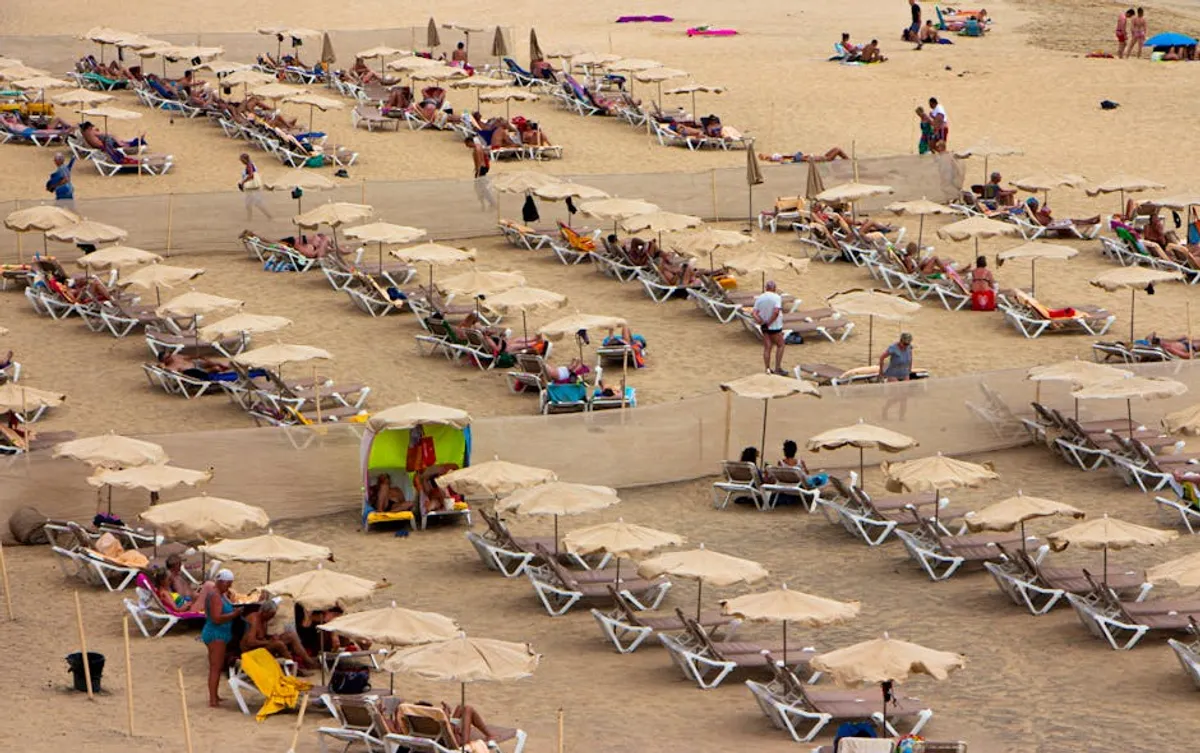
Spain's coastline, stretching over 8,000 kilometers across the mainland and islands, offers a diverse array of beaches. From the rugged Atlantic shores to the tranquil Mediterranean coves and the volcanic landscapes of the Canaries, each region presents distinct characteristics. For travelers aiming to select the ideal coastal destination, understanding these variations is crucial. This guide focuses on identifying Spain's top beaches, detailing their specific attributes, and outlining the practical considerations that define their appeal for different types of visitors. Understanding the practical considerations that define their appeal will help you choose the perfect spot for your vacation.
Evaluating Spanish Beaches: Key Considerations
Selecting the best beach in Spain requires more than just picturesque photos; it involves matching a destination's inherent qualities with specific traveler preferences. Key factors to assess include sand quality (fine golden, white, or volcanic black), water conditions (clarity, temperature, wave patterns), and the surrounding environment (natural preserve, urban setting, dramatic cliffs). Accessibility is also a major point, encompassing ease of arrival by car or public transport, parking availability, and the presence of amenities like restrooms, showers, and lifeguards. Crowd levels fluctuate significantly by season and location, influencing the overall experience from peaceful solitude to vibrant social hubs. Finally, consider the activities supported, such as snorkeling, surfing, family play, or simply sunbathing, to ensure the chosen beach aligns with your primary objective. Be aware of common mistakes to avoid when choosing a beach that might detract from your experience.
1. Playa de Ses Illetes, Formentera
Located on the northern tip of Formentera, within the Ses Salines Natural Park, Playa de Ses Illetes is frequently cited for its pristine, Caribbean-like appearance. Its narrow stretch of white sand is bordered by calm, shallow turquoise waters on both sides, creating a unique double-coastline effect. The protected status of the area limits development, preserving its natural beauty and ensuring high water quality. Access is controlled, often requiring a small fee for vehicles during peak season, which helps manage visitor numbers and maintain ecological balance. The beach is a popular spot for anchoring private boats and offers distinct views of Ibiza.
Best for: Exclusive relaxation, snorkeling in clear waters, luxury yachting, natural beauty enthusiasts.
Pros: Exceptionally clear, shallow water; fine white sand; protected natural environment; sense of exclusivity; ideal for swimming and wading.
Cons: Can become very crowded during high season (July-August); limited facilities on the beach itself; access fees for vehicles; higher cost of living on Formentera.
Verdict: Ses Illetes delivers an unparalleled experience for those seeking postcard-perfect beauty and tranquil waters, provided they manage expectations regarding crowds and costs during peak travel times. Its environmental protection ensures a pristine setting that few other European beaches can match.
2. Playa de Bolonia, Tarifa
Playa de Bolonia, situated near Tarifa in Andalusia, offers a wild, expansive stretch of golden sand backed by a large, shifting dune system and pine forests. This beach is notable not only for its natural beauty but also for the ancient Roman ruins of Baelo Claudia, which stand directly adjacent to the sand. The Atlantic-facing orientation means it often experiences strong winds, making it a hotspot for wind sports like kitesurfing, particularly at its western end. Despite its size, the beach maintains a relaxed, untamed atmosphere, appealing to those who prefer natural landscapes over developed resorts.
Best for: Wind sports, cultural exploration (Roman ruins), natural landscapes, wide open spaces, avoiding mass tourism.
Pros: Vast, uncrowded expanse; historical significance; excellent wind conditions for sports; stunning natural dune landscape; clear Atlantic waters.
Cons: Can be very windy, making sunbathing uncomfortable at times; water can be cooler than Mediterranean beaches; limited facilities compared to resort beaches; somewhat remote access.
Verdict: Bolonia is a compelling choice for travelers prioritizing raw natural beauty, historical context, and active pursuits. Its wild character and the presence of Baelo Claudia offer a unique combination rarely found elsewhere, making it a standout for an authentic Andalusian coastal experience.
3. La Concha, San Sebastián
Nestled in the heart of San Sebastián in the Basque Country, La Concha is an iconic urban beach renowned for its elegant crescent shape and protected bay. Its fine golden sand and calm, shallow waters make it exceptionally popular with families and city dwellers. The beach is flanked by a picturesque promenade, complete with ornate lampposts and railings, offering direct access to the city's culinary scene and cultural attractions. Santa Clara Island, located in the middle of the bay, provides a natural barrier against strong waves, ensuring a consistently gentle swimming environment.
Best for: Urban beach experience, families with young children, combining city tourism with beach relaxation, accessible amenities.
Pros: Central location with easy access to city amenities; calm, safe waters for swimming; beautiful urban promenade; fine golden sand; stunning scenic views.
Cons: Can become extremely crowded, especially during summer weekends; limited space at high tide; parking can be challenging and expensive; water quality can be affected by urban proximity, though generally good.
Verdict: La Concha offers a quintessential urban beach experience, blending historical elegance with modern convenience. Its accessibility and sheltered waters make it a top choice for families and those who appreciate a vibrant city backdrop to their beach day, despite the inevitable crowds.
4. Playa de Rodas, Cíes Islands
Often hailed as one of the world's best beaches, Playa de Rodas is the main beach of the Cíes Islands, part of the Atlantic Islands of Galicia National Park. Its brilliant white sand and crystal-clear, emerald-green waters connect two of the archipelago's main islands. The Cíes are a protected nature reserve, meaning visitor numbers are strictly limited, and development is minimal. This ensures an unspoiled environment, though the Atlantic waters are notably cooler than those in the Mediterranean. Access is exclusively by ferry from Vigo, Baiona, or Cangas, requiring advance booking, especially in summer.
Best for: Nature lovers, pristine natural beauty, hiking, birdwatching, escaping mass tourism, unique island experience.
Pros: Stunning natural beauty; exceptionally clear waters; fine white sand; protected environment with limited visitors; opportunities for hiking and wildlife observation.
Cons: Water is very cold, even in summer; strict visitor limits require advance booking; limited facilities (a few restaurants, no hotels); ferry can be expensive; weather can be unpredictable.
Verdict: Playa de Rodas offers an unparalleled escape into nature, delivering breathtaking beauty and a sense of remoteness. Its strict conservation measures ensure a high-quality experience for those willing to plan ahead and embrace the cooler Atlantic temperatures, making it ideal for a day trip focused on natural immersion.
5. Caló des Moro, Mallorca
Caló des Moro is a small, secluded cove on Mallorca's southeast coast, famous for its dramatic cliffs, fine white sand, and intensely turquoise waters. The beach is relatively undeveloped, requiring a short, somewhat challenging walk down a steep, unpaved path from the nearest parking area. Its striking beauty has made it highly popular, particularly on social media, leading to significant crowds during peak season despite its difficult access. The cove's sheltered position ensures calm, clear waters ideal for swimming and snorkeling, framed by pine trees and rocky outcrops.
Best for: Photography, snorkeling, adventurous beachgoers, seeking stunning turquoise waters, escaping resort development.
Pros: Exceptionally clear, vibrant turquoise water; picturesque natural setting; fine white sand; excellent for snorkeling; dramatic cliff views.
Cons: Extremely difficult access via a steep, unpaved path; very small beach area becomes severely overcrowded; limited parking; no facilities whatsoever; can feel claustrophobic due to crowds and small size.
Verdict: Caló des Moro is visually stunning and offers incredible water clarity, making it a prime spot for photography and snorkeling. However, its immense popularity and challenging access mean visitors must arrive early, be prepared for crowds, and be self-sufficient regarding amenities.
6. Playa de Muro, Mallorca
Playa de Muro, located on Mallorca's northeast coast, is one of the island's longest sandy beaches, stretching for several kilometers. It features fine, golden sand and remarkably shallow, calm waters that extend far out, making it exceptionally safe and popular for families with young children. The beach is well-equipped with a wide range of facilities, including sunbed rentals, water sports centers, restaurants, and lifeguards. Its proximity to the S'Albufera Natural Park also offers opportunities for birdwatching and nature walks, complementing the beach experience.
Best for: Families with young children, safe swimming, water sports, accessible facilities, long walks on the beach.
Pros: Very shallow, calm, and safe waters; extensive fine golden sand; excellent facilities and services; easy access and parking; proximity to a natural park.
Cons: Can feel very developed and resort-like in some sections; popular and therefore can be crowded; lacks the secluded charm of smaller coves; strong winds can sometimes affect conditions.
Verdict: Playa de Muro is a highly practical and enjoyable choice for families and those seeking a comfortable, amenity-rich beach experience. Its vast size helps absorb crowds, and its safe waters make it an ideal destination for relaxed swimming and family fun.
7. Playa de Papagayo, Lanzarote
Playa de Papagayo is not a single beach but a series of pristine, golden-sand coves nestled within a protected natural area on Lanzarote's southern tip. These coves are characterized by their clear, emerald-green waters and dramatic volcanic rock formations, offering a stark contrast to the golden sand. Access requires navigating unpaved roads, and a small fee is charged for vehicle entry to help maintain the area. The lack of extensive development preserves a wild, unspoiled atmosphere, making it ideal for snorkeling and escaping the more commercialized parts of the island.
Best for: Snorkeling, natural landscapes, escaping development, photography, exploring multiple coves.
Pros: Stunning natural beauty with golden sand and clear waters; unique volcanic landscape backdrop; excellent snorkeling opportunities; multiple coves to explore; relatively uncrowded outside peak hours.
Cons: Access via unpaved roads can be bumpy; limited facilities (a few chiringuitos); can get windy; entry fee for vehicles; can still attract crowds at the most popular coves.
Verdict: Papagayo offers a genuinely wild and beautiful beach experience, showcasing Lanzarote's unique geology and pristine waters. It's an excellent choice for those prioritizing natural exploration and clear-water activities over resort amenities, provided they are prepared for the rugged access.
8. Playa de Las Canteras, Las Palmas, Gran Canaria
Playa de Las Canteras is a vibrant urban beach stretching over three kilometers along the capital city of Las Palmas de Gran Canaria. What makes it distinctive is "La Barra," a natural reef that runs parallel to a significant portion of the shore, creating a calm, protected swimming area resembling a large natural pool. The beach boasts fine golden sand, a lively promenade lined with restaurants and shops, and excellent water quality. It offers a unique blend of city life and beach relaxation, with consistent mild temperatures year-round.
Best for: Urban beach access, year-round swimming, families, combining city exploration with beach time, surfing (at specific ends).
Pros: Protected, calm waters due to the natural reef; excellent urban amenities and dining options; fine golden sand; consistently mild climate; great for walking and people-watching.
Cons: Can be very busy and crowded, especially in winter when European tourists flock; lacks a sense of natural seclusion; parking can be challenging; some areas are more developed than others.
Verdict: Las Canteras is a highly functional and enjoyable urban beach, offering the convenience of city amenities alongside a unique, naturally protected swimming environment. It's ideal for those who want a lively, accessible beach experience without venturing far from urban comforts, making it a prime choice for winter sun seekers.
9. Cala Macarella & Macarelleta, Menorca
Cala Macarella and its smaller, more secluded sibling, Macarelleta, are iconic coves on Menorca's southwestern coast, famous for their brilliant turquoise waters, fine white sand, and pine-fringed cliffs. These beaches embody the quintessential Balearic cove experience. Access is well-managed, with a designated parking area and a walking path leading to Macarella, from which a further path leads to Macarelleta. Due to their popularity, particularly Macarelleta, they can become very crowded, especially during the summer high season, often leading to restricted car access to the main parking lot.
Best for: Photography, snorkeling, experiencing iconic Balearic coves, hiking to secluded spots, clear water swimming.
Pros: Stunningly clear, turquoise waters; beautiful white sand; picturesque natural setting; excellent for snorkeling; relatively calm waters.
Cons: Extremely popular and thus very crowded; parking can be challenging or restricted, requiring bus use; limited facilities (a single restaurant at Macarella, none at Macarelleta); walk required to access.
Verdict: Macarella and Macarelleta offer breathtaking natural beauty and a classic Mediterranean beach aesthetic. While their popularity means navigating crowds, the visual reward and crystal-clear waters make the effort worthwhile for those seeking iconic Menorcan scenery and a memorable swim.
10. Playa del Silencio, Asturias
Playa del Silencio, or "Beach of Silence," lives up to its name, offering a dramatic and tranquil experience on Asturias' rugged coast. This pebble beach is set within a horseshoe-shaped cove, flanked by towering, sculpted cliffs that create a sense of seclusion and amplify the sound of the waves. The lack of sand and the somewhat challenging access via a steep path and stairs deter large crowds, preserving its wild beauty. The Atlantic waters here are typically cool, but their clarity is exceptional, making it a striking destination for photography and quiet contemplation.
Best for: Photography, dramatic landscapes, tranquility, nature appreciation, escaping crowds, unique geological formations.
Pros: Stunning, dramatic cliff scenery; peaceful and uncrowded atmosphere; exceptionally clear Atlantic waters; unique pebble beach experience; excellent for photography.
Cons: Pebble beach (not ideal for sunbathing or walking barefoot); challenging access via steep path and stairs; cold water; no facilities whatsoever; not suitable for young children or those with mobility issues.
Verdict: Playa del Silencio is a powerful destination for those who prioritize dramatic natural beauty and solitude over typical sandy beach comforts. Its rugged charm and serene atmosphere make it a unique and unforgettable spot on the northern Spanish coast, ideal for contemplative visits.
11. Playa de Zahara de los Atunes, Cádiz
Playa de Zahara de los Atunes is a vast, open beach located in a traditional fishing village in the province of Cádiz, Andalusia. Known for its wide expanse of golden sand and clear Atlantic waters, it offers a relaxed, unpretentious atmosphere. The beach stretches for several kilometers, providing ample space even during busier periods, and is backed by low dunes and the charming village itself. It's famous for its connection to the traditional almadraba tuna fishing method, which influences the local cuisine and culture, offering a more authentic Andalusian experience compared to more tourist-centric resorts.
Best for: Authentic village experience, wide open spaces, relaxed atmosphere, fresh seafood, long walks, avoiding resort crowds.
Pros: Expansive golden sand beach; clear Atlantic waters; relaxed, authentic village atmosphere; excellent local cuisine, especially tuna; ample space even in summer; good for long walks.
Cons: Atlantic waters can be cooler than the Mediterranean; can experience strong winds (though less consistently than Tarifa); facilities are concentrated near the village, leaving large stretches undeveloped; parking can be challenging in the village during peak times.
Verdict: Zahara de los Atunes provides a refreshing alternative to crowded resort beaches, offering vast natural beauty combined with genuine local charm. It’s an excellent choice for travelers seeking a laid-back, culturally rich beach vacation with superb culinary experiences.
12. Playa de Burriana, Nerja
Playa de Burriana is the most popular and well-equipped beach in Nerja, a charming town on Andalusia's Costa del Sol. This wide, sandy beach is known for its dark golden sand, clear waters, and comprehensive range of facilities, including numerous chiringuitos (beach bars), sunbed rentals, water sports activities, and lifeguards. Its popularity stems from its accessibility, sheltered position, and family-friendly amenities. The beach is backed by a promenade and cliffs, offering scenic views and a lively atmosphere without feeling overly commercialized compared to some other Costa del Sol destinations.
Best for: Families, active beachgoers, convenient amenities, water sports, lively atmosphere, combining beach with town exploration.
Pros: Extensive facilities and services; good dark golden sand; clear, calm waters; wide range of water sports; lively promenade with dining options; easy access from Nerja town.
Cons: Can get very crowded, especially in summer; parking can be difficult and expensive; lacks the secluded charm of smaller coves; sand isn't as fine or white as some other Spanish beaches.
Verdict: Playa de Burriana is a highly functional and enjoyable beach for those seeking convenience, a wide array of activities, and a lively atmosphere. Its strong infrastructure and family-friendly environment make it a reliable choice for a comfortable and engaging beach holiday on the Costa del Sol.
Choosing Your Ideal Spanish Beach Experience
Selecting the perfect Spanish beach hinges on aligning its characteristics with your travel priorities. If pristine natural beauty and seclusion are paramount, destinations like Playa de Ses Illetes or Playa de Rodas, despite their limited accessibility and cooler waters, offer unparalleled experiences. For those prioritizing family-friendly environments with extensive amenities and safe swimming, Playa de Muro or Playa de Burriana provide well-equipped, accessible options. Urban beach experiences, blending city amenities with coastal relaxation, are best found at La Concha or Playa de Las Canteras. Adventurous travelers or those seeking dramatic landscapes will appreciate the rugged charm of Playa de Bolonia or Playa del Silencio. Always consider the season of travel, as crowd levels and available services fluctuate significantly. Researching local transport, parking availability, and specific beach regulations (e.g., protected areas, entry fees) will prevent unexpected challenges and enhance your overall experience. Ultimately, the "best" beach is the one that most effectively fulfills your specific vacation goals.
Frequently Asked Questions
What is the best time of year to visit Spanish beaches?
The