
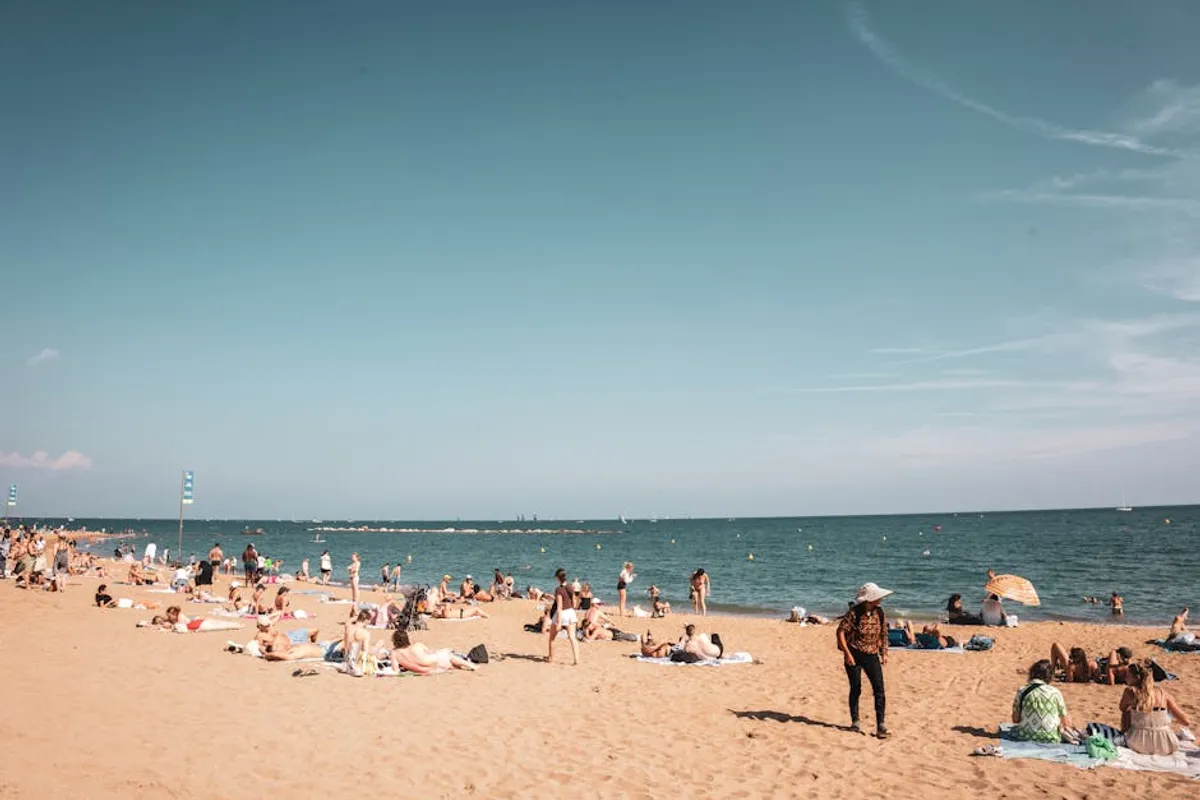
Spain offers an unparalleled diversity of coastal experiences, from the wild, windswept shores of the Atlantic to the calm, turquoise coves of the Mediterranean and the volcanic sands of the Canary Islands. Identifying the "best" beach is subjective, depending entirely on the traveler's specific intent: whether seeking family-friendly amenities, secluded natural beauty, vibrant watersports, or cultural immersion. This guide provides a detailed breakdown of Spain's most notable beaches, offering specific insights into their characteristics, suitability for various activities, and potential drawbacks. The goal is to equip travel planners, content creators, and site owners with the precise information needed to align beach destinations with target audience interests and commercial objectives, ensuring optimal visitor experience and content relevance. This guide provides a detailed breakdown of Spain's most notable beaches, offering specific insights into their characteristics, suitability for various activities, and potential draw for anyone planning a trip.
What to Look For in a Spanish Beach
When evaluating Spanish beaches, consider several key attributes that dictate their appeal and practical utility for different traveler segments. Sand quality ranges from fine golden grains to volcanic black pebbles, impacting comfort and visual aesthetics. Water clarity and temperature vary significantly; Mediterranean and Balearic waters are generally warmer and calmer, ideal for swimming and snorkeling, while Atlantic coasts can offer more dynamic conditions suitable for surfing. Accessibility is crucial, encompassing ease of public transport, parking availability, and suitability for those with mobility challenges. Facilities, such as lifeguards, restrooms, showers, sun lounger rentals, and nearby dining options, define the convenience level. Crowd density is another factor, with some beaches offering serene seclusion while others buzz with activity. Finally, consider the surrounding environment—whether it's backed by dramatic cliffs, lush pine forests, bustling urban promenades, or protected natural parks. Each element contributes to the overall experience and dictates the beach's commercial positioning. When evaluating Spanish beaches, consider several key attributes that dictate their appeal and practical utility for different traveler segments, which we explore further in our beginner's guide.
1. Playa de Ses Illetes, Formentera
Located on the northern tip of Formentera, one of the Balearic Islands, Playa de Ses Illetes is renowned for its pristine, Caribbean-like appearance. Its shallow, crystal-clear turquoise waters and fine white sand create a stunning visual, often cited as one of Europe's most beautiful beaches. The beach forms part of the Ses Salines Natural Park, ensuring a protected, largely undeveloped environment. Access is controlled, with a small fee for vehicles during peak season, which helps manage crowd levels and preserve its natural state.
Best For: Luxury travelers, nature enthusiasts, couples seeking tranquility, snorkeling, yachting. Its aesthetic appeals strongly to high-end travel photography and exclusive content.
Pros: Exceptional water clarity and color; soft, white sand; protected natural environment; relatively uncrowded compared to other popular spots; exclusive atmosphere; excellent for swimming and gentle watersports.
Cons: Can be expensive to reach (ferry from Ibiza); limited facilities directly on the beach, though a few high-end restaurants are nearby; parking can be challenging during peak season; shallow waters may not suit strong swimmers looking for depth immediately.
Verdict: Ses Illetes delivers on its reputation for breathtaking beauty and exclusivity, making it a prime destination for those prioritizing aesthetics and a serene, upscale beach experience, despite the logistical and cost considerations.
2. Playa de Las Catedrales, Ribadeo
Situated on the Cantabrian coast in Galicia, Playa de Las Catedrales (Beach of the Cathedrals) is famous for its spectacular natural rock arches and sea caves, sculpted by centuries of ocean erosion. These formations, some reaching over 30 meters in height, are only fully visible and accessible at low tide, transforming the landscape dramatically. High tide covers the sandy expanse, making it primarily a viewing point from the cliffs above. Due to its unique geology, it has been declared a Natural Monument.
Best For: Geological interest, photography, nature exploration, tidal experience. Ideal for content focusing on unique natural landmarks and seasonal travel planning.
Pros: Dramatically unique natural arches and caves; stunning photographic opportunities; offers a distinct experience depending on tidal conditions; well-maintained viewing platforms and pathways; free entry, though reservations are required during peak times to manage visitor flow.
Cons: Access to the beach floor is strictly tide-dependent; can be very crowded during low tide in high season; swimming is not the primary activity due to strong currents and colder Atlantic waters; requires pre-booking during certain periods, which can be a barrier for spontaneous visits.
Verdict: A must-visit for its extraordinary natural architecture, Playa de Las Catedrales offers a truly unique coastal spectacle, provided visitors plan their visit around the tides and potential crowd management requirements.
3. Playa de La Concha, San Sebastián
Nestled in the heart of San Sebastián, Basque Country, Playa de La Concha is an iconic urban beach, often lauded as one of the best city beaches in Europe. Its crescent shape, framed by Monte Igueldo and Monte Ulia, offers a sheltered bay with calm waters. A picturesque promenade runs along its length, connecting it directly to the city's vibrant culinary and cultural scene. The beach's elegant setting and proximity to urban amenities make it a popular choice for both locals and tourists.
Best For: Urban beachgoers, families with young children, cultural tourists, food enthusiasts. Offers a blend of city exploration and beach relaxation, appealing to a broad demographic.
Pros: Exceptionally clean and well-maintained urban beach; calm, safe waters for swimming; direct access to city amenities, restaurants, and cultural sites; stunning panoramic views of the bay and surrounding mountains; convenient public transport links.
Cons: Can become very crowded, especially during summer months; parking in the city can be challenging and expensive; lacks the wild, natural feel of more remote beaches; cooler water temperatures compared to the Mediterranean.
Verdict: La Concha is an exemplary urban beach, providing a sophisticated and convenient coastal experience that seamlessly integrates with San Sebastián's renowned gastronomy and culture, ideal for those who prefer city comforts with their beach time.
4. Playa de Bolonia, Tarifa
Located near Tarifa in Andalusia, Playa de Bolonia is a vast, unspoiled beach characterized by its wild beauty, golden sands, and the impressive Duna de Bolonia, a large shifting sand dune at its western end. The beach also features the well-preserved Roman ruins of Baelo Claudia directly adjacent to the shore, offering a unique historical dimension. Its exposed position makes it popular for wind sports, while other sections remain calm and suitable for relaxation.
Best For: Wind sports enthusiasts (kitesurfing, windsurfing), history buffs, nature lovers seeking an undeveloped coastal experience, travelers looking for authentic Andalusian charm.
Pros: Expansive, undeveloped beach with natural beauty; unique combination of beach and Roman archaeological site; excellent conditions for wind sports; generally less crowded than resort beaches; authentic local feel with good seafood restaurants nearby.
Cons: Can be very windy, which might not appeal to all beachgoers; limited facilities directly on the beach; access requires a drive, and parking can be informal; water can be cooler due to Atlantic influence.
Verdict: Bolonia offers a distinctive blend of raw natural beauty, historical intrigue, and active pursuits, making it a compelling choice for those desiring an experience beyond typical resort beaches, especially for niche travel content.
5. Cala Macarella & Macarelleta, Menorca
These two iconic coves, Cala Macarella and its smaller, more secluded neighbor Cala Macarelleta, are jewels of Menorca's southern coast. Famed for their dazzling turquoise waters, fine white sand, and dramatic limestone cliffs fringed with pine trees, they embody the quintessential Mediterranean paradise. Access involves a walk, particularly to Macarelleta, which helps preserve their pristine condition and offers a sense of discovery.
Best For: Secluded swimming, snorkeling, nature photography, couples, hikers. Appealing to content focused on pristine natural beauty and tranquil escapes.
Pros: Stunningly clear, warm, and calm turquoise waters; picturesque natural setting with white sand and pine forests; excellent for snorkeling due to rich marine life; the walk to Macarelleta offers a rewarding sense of seclusion; well-preserved environment.
Cons: Extremely popular during peak season, leading to significant crowds; parking can be challenging, often requiring a bus or a long walk from a distant car park; limited facilities (a small chiringuito at Macarella, none at Macarelleta); access can be difficult for those with mobility issues.
Verdict: Cala Macarella and Macarelleta are undeniably beautiful and offer a classic Mediterranean beach experience, but visitors should be prepared for popularity and plan their access accordingly to fully appreciate their charm.
6. Playa de Muro, Mallorca
Located on the northeast coast of Mallorca, Playa de Muro is one of the island's longest sandy beaches, stretching for several kilometers. It is characterized by its soft, golden sand, incredibly shallow and calm turquoise waters, and extensive infrastructure catering to families and resort guests. The beach is backed by a natural dune system and a pine forest, part of the S'Albufera Natural Park, offering a blend of natural beauty and convenience.
Best For: Families with young children, resort holidays, relaxed swimming, paddleboarding, accessible beach experiences. Ideal for content targeting family travel and all-inclusive holidays.
Pros: Very shallow and calm waters, extremely safe for children; long stretch of fine sand ideal for sunbathing and games; abundant facilities including lifeguards, restrooms, restaurants, and watersports rentals; good accessibility with wooden walkways; proximity to natural park for exploration.
Cons: Can feel very developed and resort-heavy in some sections; very popular and can be crowded during summer; lacks the rugged, natural feel of more secluded coves; water activities are generally limited to calmer options.
Verdict: Playa de Muro is a top-tier choice for a hassle-free, family-oriented beach holiday in Mallorca, offering safety, comfort, and extensive amenities, though it may not appeal to those seeking a wilder, less commercialized experience.
7. Playa de Papagayo, Lanzarote
Playa de Papagayo is not a single beach but a collection of pristine, sheltered coves on the southern tip of Lanzarote, Canary Islands. These small, golden-sand beaches are nestled between volcanic cliffs, offering protection from winds and creating incredibly calm, clear turquoise waters ideal for swimming and snorkeling. The surrounding landscape is rugged and volcanic, providing a dramatic backdrop to the idyllic coves.
Best For: Snorkeling, secluded swimming, nature photography, couples, those seeking a natural, undeveloped beach experience. Strong appeal for content showcasing unique volcanic landscapes and clear waters.
Pros: Exceptionally clear and calm waters, perfect for snorkeling; stunning natural volcanic scenery; multiple coves offer variety and a sense of discovery; relatively protected from strong currents; a fee for vehicle entry helps maintain the area's natural state.
Cons: Access involves a dirt track, which can be bumpy; limited facilities, primarily a few chiringuitos on the cliffs above; can become quite busy in peak season despite the remote feel; no public transport directly to the coves.
Verdict: Papagayo's coves offer a sublime natural beach experience with unparalleled water clarity and a unique volcanic setting, making them a highlight for those willing to navigate the slightly challenging access for a truly special day by the sea.
8. Playa de Sotavento, Fuerteventura
Stretching for kilometers along Fuerteventura's southeast coast, Playa de Sotavento is a vast, golden-sand beach renowned globally for its exceptional wind and kite surfing conditions. The beach is famous for its natural lagoon, which forms at high tide, creating a shallow, calm area perfect for learning and practicing watersports. Its expansive, undeveloped nature and consistent winds make it a mecca for watersports enthusiasts.
Best For: Kitesurfing, windsurfing, watersports training, long walks, those seeking vast open spaces. Essential for content targeting active travelers and watersports niches.
Pros: World-class conditions for wind and kitesurfing; vast, uncrowded expanse of golden sand; unique natural lagoon for safe learning; dramatic tidal changes create dynamic landscapes; several watersports schools and rental facilities available.
Cons: Can be extremely windy, which may not appeal to all beachgoers; limited traditional swimming opportunities outside the lagoon; facilities are sparse beyond watersports centers; remote location requires a car for easy access.
Verdict: Sotavento is an unparalleled destination for wind and kitesurfing, offering an expansive and dynamic coastal environment. Its appeal is highly specialized, making it perfect for active travelers but less suitable for those seeking calm, sheltered swimming.
9. Playa del Silencio, Cudillero
Playa del Silencio (Beach of Silence), near Cudillero in Asturias, is a dramatically beautiful pebble beach framed by towering, rugged cliffs. Its name reflects the tranquil atmosphere, as the cliffs create a natural amphitheater that muffles the sounds of the outside world. The beach is accessible via a steep path and stairs, leading to a pristine, unspoiled cove with clear, cool Atlantic waters.
Best For: Nature photography, tranquil escapes, hiking, dramatic scenery, exploring the wilder side of Spain's coast. Appeals to content focused on rugged beauty and off-the-beaten-path destinations.
Pros: Stunning, untouched natural beauty and dramatic cliff formations; peaceful and quiet atmosphere; crystal-clear Atlantic waters; excellent photographic opportunities; provides a sense of seclusion and discovery.
Cons: Pebble beach, not soft sand; water can be cold and currents strong, less ideal for casual swimming; access involves a steep descent and ascent, challenging for some; very limited facilities, requiring visitors to bring their own provisions.
Verdict: Playa del Silencio is a breathtaking natural wonder, offering profound tranquility and dramatic scenery for those seeking an escape into raw coastal beauty, but its pebble surface and challenging access mean it's not a conventional swimming beach.
10. Cala d'Aiguablava, Begur
Cala d'Aiguablava, located on the Costa Brava in Catalonia, is a picturesque cove known for its incredibly clear, shallow turquoise waters and fine golden sand. Surrounded by lush pine trees that almost touch the water's edge, it offers a sheltered and idyllic setting. The cove is popular for snorkeling and paddleboarding, with several excellent seafood restaurants perched above the bay.
Best For: Snorkeling, family swimming, scenic views, paddleboarding, gastronomy, those seeking a classic Costa Brava experience. Ideal for content showcasing Mediterranean charm and culinary travel.
Pros: Exceptionally clear and calm waters, excellent for swimming and snorkeling; beautiful natural setting with pine trees and golden sand; good facilities including restaurants, sun loungers, and watersports rentals; relatively easy access compared to some other coves; charming coastal village nearby.
Cons: Can become extremely crowded, especially during July and August; parking is limited and can be expensive; some sections are backed by hotels, which may detract from the natural feel for some; popularity can lead to a less serene experience in high season.
Verdict: Aiguablava is a quintessential Costa Brava gem, offering stunning beauty and excellent waters for swimming and snorkeling. Its popularity is a testament to its charm, but visitors should anticipate crowds during peak times.
11. Playa de Zahara de los Atunes, Cadiz
Playa de Zahara de los Atunes, situated on the Costa de la Luz in Andalusia, is an expansive, golden-sand beach stretching for kilometers. It's known for its laid-back atmosphere, the charming fishing village of Zahara, and its connection to the traditional almadraba tuna fishing method. The beach offers clear Atlantic waters, often with gentle waves, and a sense of authentic Spanish coastal life away from large-scale resorts.
Best For: Authentic Spanish experience, gastronomy (especially tuna), long walks, surfing beginners, relaxed family holidays. Appeals to content focusing on cultural immersion and local cuisine alongside beach relaxation.
Pros: Very long and wide beach, rarely feels overcrowded; fine golden sand; clear Atlantic waters with good surfing conditions for beginners; charming, authentic fishing village with excellent seafood restaurants; beautiful sunsets.
Cons: Can be windy at times, typical of the Cadiz coast; water temperatures are cooler than the Mediterranean; facilities are primarily concentrated near the village, with vast stretches being undeveloped; access requires a car.
Verdict: Zahara de los Atunes offers a refreshing blend of natural beach beauty, authentic culture, and culinary delights. It's an excellent choice for those seeking a genuine Andalusian coastal experience without the intense crowds of more famous destinations.
12. Playa de Rodas, Illas Cíes
Playa de Rodas, located on the Illas Cíes archipelago off the coast of Galicia, is often hailed as one of the world's most beautiful beaches. Its crescent-shaped expanse of fine white sand connects two of the islands, backed by a pine forest and facing incredibly clear, turquoise Atlantic waters. As part of a national park, access is strictly limited by daily visitor quotas, preserving its pristine ecosystem and ensuring a tranquil experience.
Best For: Nature conservation enthusiasts, pristine beauty, hiking, birdwatching, unique day trips. Crucial for content emphasizing eco-tourism and exclusive natural destinations.
Pros: Exceptionally pristine and clean environment; stunning white sand and crystal-clear waters; protected natural park status ensures limited crowds; opportunities for hiking and wildlife observation; unique island escape experience.
Cons: Water is very cold, even in summer; access is via ferry and requires pre-booking, often months in advance; limited facilities on the island (a few campsites and restaurants); no private vehicles allowed, requiring walking to explore.
Verdict: Playa de Rodas is a truly exceptional natural wonder, offering unparalleled beauty and tranquility. Its strict access regulations are a small price to pay for experiencing one of the planet's most unspoiled beaches, albeit with very cold water.
13. Cala Sa Calobra, Mallorca
Cala Sa Calobra is a dramatic pebble beach at the mouth of the Torrent de Pareis gorge on Mallorca's northwest coast. Its unique appeal lies not just in the small beach itself, but in the spectacular journey to reach it, either by a winding mountain road with hairpin bends or by ferry through stunning coastal scenery. The beach is nestled between two towering cliffs, with the torrent's canyon opening directly onto the sea.
Best For: Adventure seekers, dramatic scenery, photography, hiking through the