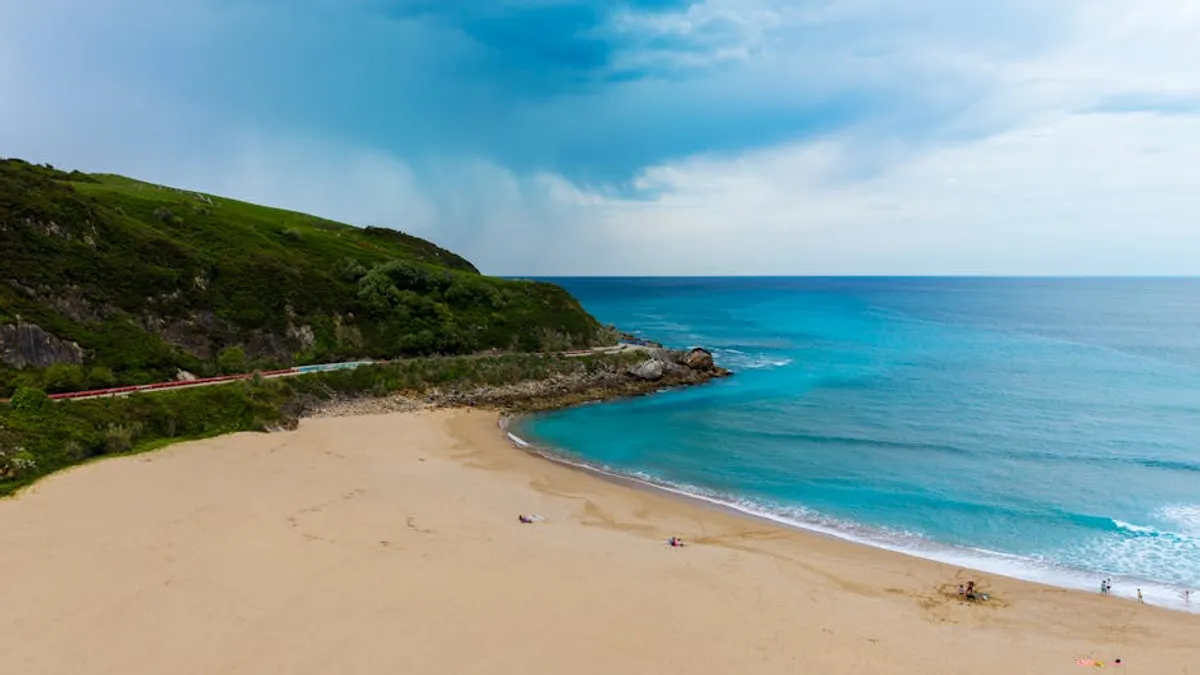
Understanding the evolving landscape of beach tourism in Spain is critical for any entity looking to capture market share, from content publishers and travel agencies to local businesses and destination marketers. The traditional sun-and-sand model is diversifying, driven by shifts in consumer priorities, technological advancements, and a heightened awareness of environmental and social impacts. Identifying and adapting to these emerging trends is not merely about staying current; it is about strategically positioning content and offerings to meet specific, growing demands. This analysis outlines key trends shaping the Spanish beach experience, providing actionable insights for those aiming to connect with discerning travelers and maximize commercial opportunities.
Understanding Beach Tourism Trends for Commercial Advantage
The Spanish coastline, with its diverse offerings from the rugged Atlantic shores to the tranquil Mediterranean coves, consistently draws millions. However, traveler expectations are no longer monolithic. A successful engagement strategy requires recognizing nuances in visitor motivation and the underlying trends that define modern beach holidays. This involves moving beyond surface-level demographics to understand intent: are travelers seeking active adventure, serene relaxation, cultural immersion, or eco-conscious experiences? Each trend presents distinct content angles, keyword opportunities, and partnership potential. Prioritizing trends that align with specific business goals and audience segments allows for more targeted marketing efforts and a higher return on investment in content development.
1. Sustainable & Eco-Certified Beaches
This trend reflects a growing global consciousness among travelers who prioritize environmental responsibility. Spain, with its extensive Blue Flag beach program and protected natural parks, is well-positioned to capitalize on this. Travelers actively seek beaches with clear environmental credentials, evidence of conservation efforts, and options that minimize their ecological footprint. Content focusing on specific eco-initiatives, local biodiversity, and responsible visitor guidelines resonates strongly with this segment. This focus on environmental credentials aligns perfectly with best practices for sustainable tourism that travelers are increasingly seeking.
Best for: Publishers targeting environmentally conscious travelers, local tourism boards promoting protected areas, and accommodation providers with green certifications.
Pros: High search volume for terms like "eco-friendly beaches Spain," "sustainable travel Spain," and "Blue Flag beaches." Attracts a demographic willing to pay a premium for ethical choices. Fosters positive brand association and long-term destination appeal.
Cons: Requires genuine commitment to sustainability; greenwashing claims are quickly identified and can damage reputation. Information on specific eco-practices needs constant updating and verification.
Verdict: A fundamental and expanding trend. Investing in content that authentically highlights sustainability efforts provides a significant competitive edge and builds trust with a valuable audience segment.
2. Digital Nomad & Remote Work Beach Hubs
The rise of remote work has transformed travel patterns, with many seeking longer stays that combine work and leisure. Spanish coastal towns offering reliable high-speed internet, co-working spaces, and a vibrant local community are becoming attractive hubs for digital nomads. This trend extends beyond traditional tourism, focusing on infrastructure that supports productivity alongside relaxation.
Best for: Destinations with robust internet infrastructure, co-working facilities, and a cost-of-living advantage. Content creators focusing on long-stay travel, lifestyle, and productivity tips.
Pros: Encourages longer visitor stays, boosting local economies beyond peak season. Attracts a demographic with disposable income and an interest in local immersion. Opportunities for content on "best beaches for remote work," "digital nomad visas Spain," and "coastal co-working spaces."
Cons: Requires investment in reliable digital infrastructure and community-building initiatives. Competition from other global remote work destinations is high. Potential for gentrification concerns if not managed properly.
Verdict: A high-growth trend demanding a dual focus on digital connectivity and local lifestyle integration. Content that maps out practicalities and community aspects will capture this audience.
3. Wellness & Mindful Retreats by the Sea
Beyond traditional relaxation, a growing segment of travelers seeks beaches as settings for wellness activities, including yoga retreats, meditation programs, and holistic health experiences. The calming influence of the ocean, combined with Spain's climate, makes its beaches ideal for these offerings. This trend emphasizes mental and physical rejuvenation.
Best for: Boutique hotels, specialized retreat organizers, and coastal regions with a focus on health tourism. Content exploring "yoga retreats Spain beach," "mindful travel Costa del Sol," and "wellness holidays Mediterranean."
Pros: Attracts higher-spending visitors interested in specific, curated experiences. Offers opportunities for partnerships with wellness practitioners and local organic food suppliers. Extends tourism into shoulder seasons.
Cons: Requires specialized facilities and certified instructors. Marketing needs to convey authenticity and specific program benefits, not just generic relaxation. Niche audience, though growing.
Verdict: A profitable niche trend. Content that details specific retreat programs, testimonials, and the unique benefits of coastal wellness will perform well.
4. Accessibility-First Beach Destinations
Inclusive tourism is gaining momentum, with a focus on making travel accessible for individuals with disabilities, families with young children, and seniors. Beaches offering ramps, adapted restrooms, amphibious chairs, and trained assistance staff cater to a significant and often underserved market. This trend is driven by both ethical considerations and market demand.
Best for: Local councils investing in infrastructure, specialized tour operators, and content platforms providing detailed accessibility information.
Pros: Taps into a large and loyal market segment, including their travel companions. Enhances a destination's reputation for inclusivity and social responsibility. Generates positive media coverage and word-of-mouth referrals.
Cons: Requires significant investment in infrastructure and staff training. Ongoing maintenance of accessible facilities is crucial. Information must be precise and verifiable to build trust.
Verdict: An essential and expanding trend. Detailed, verified content on accessible features and services will be highly valued by this specific audience, leading to direct bookings and increased visits.
5. Niche Water Sports & Adventure Beaches
Travelers increasingly seek active holidays, with specific water sports driving destination choice. Spain's varied coastlines offer prime conditions for surfing (e.g., Basque Country), kitesurfing (e.g., Tarifa), diving (e.g., Costa Brava), and paddleboarding. This trend focuses on specialized activities rather than general beach leisure.
Best for: Surf schools, dive centers, adventure tour operators, and regions known for specific aquatic conditions. Content targeting "best surf spots Spain," "kitesurfing holidays Tarifa," and "diving Costa Brava."
Pros: Attracts a passionate, often repeat visitor base. Encourages spending on equipment rentals, lessons, and specialized accommodation. Creates opportunities for event tourism (e.g., surf competitions).
Cons: Highly dependent on specific weather and ocean conditions. Requires specialized instruction and safety protocols. Marketing needs to be precise about skill levels and equipment availability.
Verdict: A vibrant trend with dedicated followers. Content that provides detailed information on conditions, schools, equipment, and local insights will capture this active market.
6. Off-Peak & Shoulder Season Promotion
To combat over-tourism and extend economic benefits, destinations are actively promoting beaches during spring, autumn, and even winter. This trend appeals to travelers seeking fewer crowds, milder weather, and often better value. It aligns with interest in slower travel and local experiences.
Best for: All coastal destinations, particularly those experiencing summer over-tourism. Content focusing on "Spain in autumn," "winter sun holidays Spain," and "best time to visit [beach name]."
Pros: Distributes tourism impact more evenly throughout the year. Reduces pressure on infrastructure during peak summer. Appeals to budget-conscious travelers and those preferring tranquility. Offers unique seasonal activities and cultural events.
Cons: Requires shifting established perceptions of "beach season." Marketing needs to highlight distinct advantages of off-peak travel, such as specific events or weather patterns. Some services may be reduced.
Verdict: A strategic trend for sustainable tourism development. Content that creatively showcases the unique appeal of Spanish beaches outside of July and August can unlock significant new visitor flows.
7. Authentic Local & Cultural Immersion
Many travelers are moving away from generic tourist enclaves, seeking genuine interaction with local culture, cuisine, and traditions. For beaches, this means highlighting nearby fishing villages, local markets, traditional festivals, and non-touristy eateries. The focus is on experiencing the destination as a local would.
Best for: Smaller, less-known coastal towns, local businesses, and cultural heritage organizations. Content on "hidden gems Spain coast," "local food experiences [region]," and "authentic Spanish beach towns."
Pros: Attracts travelers interested in deeper engagement and often longer stays. Supports local businesses and preserves cultural identity. Generates unique, shareable experiences that drive organic promotion.
Cons: Requires careful promotion to avoid over-tourism in sensitive areas. Authenticity can be difficult to market without appearing contrived. May not appeal to mass-market tourists seeking familiar comforts.
Verdict: A powerful trend for discerning travelers. Content that offers insider tips, highlights local narratives, and connects beach visits with regional culture will build strong engagement.
8. Luxury & Exclusive Coastal Experiences
At the opposite end of the spectrum from authentic immersion, there's a consistent demand for high-end, exclusive beach experiences. This includes luxury beach clubs, private yacht charters, bespoke villa rentals with direct beach access, and personalized concierge services. This segment values privacy, premium service, and opulent amenities.
Best for: High-end resorts, luxury travel agencies, private charter companies, and exclusive property rentals. Content targeting "luxury beach holidays Spain," "private yacht charter Balearics," and "exclusive beach villas Costa del Sol."
Pros: Attracts high-net-worth individuals with significant spending power. Generates high revenue per visitor. Brand association with luxury can elevate a destination's overall appeal.
Cons: Requires impeccable service standards and high-quality infrastructure. Marketing must convey exclusivity and bespoke offerings without alienating broader audiences. Niche market with high expectations.
Verdict: A consistently profitable trend. Content that showcases unparalleled service, privacy, and unique high-end amenities will capture this affluent audience effectively.
9. Pet-Friendly Beach Travel
With pet ownership on the rise, many travelers are unwilling to leave their furry companions behind. The demand for designated pet-friendly beaches, alongside accommodation and services that welcome animals, is growing significantly. Spain has been expanding its network of dog-friendly beaches.
Best for: Coastal municipalities designating pet-friendly zones, hotels and rentals allowing pets, and pet service providers. Content on "dog-friendly beaches Spain," "pet travel Spain," and "holidays with dogs [region]."
Pros: Taps into a loyal and growing market segment. Encourages longer stays as pet owners often plan trips around their animals. Provides a unique selling proposition for destinations and businesses.
Cons: Requires clear regulations and infrastructure (e.g., waste disposal, water access) to manage pet presence. Potential for conflict with non-pet owners if not well-managed. Information on specific rules is crucial.
Verdict: A practical and expanding trend. Detailed lists of pet-friendly beaches, accommodations, and local services are highly sought after by this dedicated audience.
10. Smart Beaches & Tech Integration
Modern travelers expect digital convenience. This trend encompasses beaches offering reliable Wi-Fi, real-time information via apps (e.g., crowd levels, water quality, weather), online booking for services (e.g., sunbeds, water sports), and even augmented reality experiences. The goal is to enhance the visitor experience through technology.
Best for: Tech-forward destinations, app developers, and service providers integrating digital tools. Content on "smart beaches Spain," "beach apps [region]," and "digital services on Spanish beaches."
Pros: Improves visitor satisfaction and provides valuable data for destination management. Attracts tech-savvy younger demographics. Can streamline operations and reduce manual processes.
Cons: Requires significant investment in infrastructure and ongoing maintenance. Data privacy concerns need to be addressed. Not all visitors desire constant digital interaction.
Verdict: An inevitable trend for modernizing beach tourism. Content that highlights specific technological conveniences and how they enhance the experience will appeal to a digitally native audience.
11. Gastronomic Beach Tourism
Food and travel are intrinsically linked, and for beaches, this means highlighting the local culinary scene. From traditional chiringuitos (beach bars) serving fresh seafood to Michelin-starred restaurants with sea views, Spanish beaches offer a rich gastronomic experience. This trend focuses on food as a primary motivator for beach visits.
Best for: Coastal restaurants, food tour operators, and regions known for specific seafood or culinary traditions. Content on "best chiringuitos [region]," "seafood restaurants Spain coast," and "gastronomic beach holidays."
Pros: Attracts food enthusiasts willing to spend on dining experiences. Creates opportunities for culinary events and festivals. Provides a strong cultural anchor for beach visits.
Cons: Quality and authenticity are paramount; generic offerings will not resonate. Requires strong local partnerships with chefs and producers. Seasonal availability of certain ingredients can be a factor.
Verdict: A perennially popular trend with deep cultural roots. Content that spotlights specific dishes, local ingredients, and unique dining experiences will strongly appeal to food-motivated travelers.
12. Family-Centric Beach Resorts & Activities
Families remain a core demographic for beach holidays, but their needs are evolving. This trend focuses on destinations and resorts offering dedicated kids' clubs, safe swimming areas, family-friendly entertainment, and services like childcare. The emphasis is on providing a stress-free and enjoyable experience for all ages.
Best for: Large resorts, family-oriented hotels, and destinations with a wide range of activities for children. Content on "family beaches Spain," "kids clubs Costa Blanca," and "best resorts for families with toddlers."
Pros: Attracts a large and reliable market segment. Encourages repeat visits and longer stays. Opportunities for package deals and all-inclusive offerings.
Cons: Requires significant investment in specialized facilities and trained staff. Can lead to higher operational costs. Marketing needs to clearly communicate safety and entertainment options for different age groups.
Verdict: A stable and high-volume trend. Content that details specific amenities, safety measures, and age-appropriate activities will be highly effective for parents planning family beach holidays.
Leveraging Trends for Content and Marketing Success
To effectively capitalize on these trends, publishers and marketers must integrate them into their content strategies. This involves more than just keyword stuffing; it requires creating rich, informative, and engaging content that genuinely addresses the needs and interests of each trend-driven audience. Track search volume for trend-specific keywords, monitor social media conversations, and analyze competitor content to identify gaps. Success metrics include increased organic traffic for targeted keywords, higher engagement rates on trend-focused content, and ultimately, conversion rates for related commercial offerings. Regular content audits and adaptation based on performance data are crucial for maintaining relevance and capturing evolving demand.
Frequently Asked Questions
How do these trends impact SEO for beach-related content?
These trends create new keyword opportunities beyond generic "Spain beaches." For example, "sustainable beaches Costa Brava" or "digital nomad friendly beaches Canary Islands" target specific, high-intent searches. Content optimized for these long-tail keywords can capture highly qualified traffic, leading to better engagement and conversion rates. Understanding these evolving travel trends in Spain is key to unlocking new content opportunities and attracting engaged audiences.
What are the most significant emerging trends for Spanish beaches?
Sustainability and digital nomad integration are currently among the fastest-growing trends. Travelers are increasingly seeking environmentally responsible options and destinations that support remote work lifestyles. Accessibility-first tourism also represents a significant, expanding market.
How can content creators capitalize on these trends?
Content creators should develop detailed guides, listicles, and experiential narratives around specific trends. For instance, a guide to "Spain's Top 5 Eco-Friendly Beaches" or an article on "Working Remotely from the Costa de la Luz" provides tangible value. Incorporate high-quality visuals and, where possible, expert interviews or local insights.
Are these trends specific to certain regions of Spain?
While some trends have national relevance, others are more pronounced in specific regions. For example, surfing trends are stronger in the Basque Country, while luxury tourism is concentrated in areas like Marbella and the Balearics. Researching regional specifics allows for more targeted and effective content.
What role does sustainability play in current beach tourism?
Sustainability is moving from a niche concern to a mainstream expectation. Travelers are increasingly conscious of their environmental impact and seek destinations and operators demonstrating genuine commitment to eco-friendly practices. Promoting Blue Flag status, conservation efforts, and responsible tourism guidelines is essential for attracting this growing segment.