The landscape for Spain travel content is shifting, driven by evolving traveler priorities and digital consumption habits. For publishers and content creators in the travel niche, understanding these emerging trends is crucial not just for maintaining relevance, but for capturing market share and driving engagement. This requires moving beyond generic destination overviews to creating highly specific, value-driven content that addresses current demand. The goal is to position your guides as indispensable resources for the modern Spain-bound traveler, ensuring your content is discovered, trusted, and acted upon. To stay ahead, it's vital to understand the best practices for Spain travel guides in this dynamic market.
The Rise of Sustainable and Slow Travel
Travelers are increasingly prioritizing responsible tourism, seeking experiences that minimize environmental impact and maximize local benefit. This isn't a niche concern; it's a mainstream expectation influencing booking decisions. Content that merely lists attractions without acknowledging ethical considerations risks appearing outdated.
Prioritizing Eco-Conscious Exploration
Focus on destinations and activities that support local economies and preserve natural heritage. This includes highlighting eco-friendly accommodations, public transport options over car rentals for inter-city travel, and promoting local artisan shops rather than mass-produced souvenirs. For instance, instead of a general "Barcelona city guide," consider "Sustainable Barcelona: An Eco-Friendly Itinerary for the Conscious Traveler." Content should detail how to engage respectfully with local culture and environments, providing actionable advice for reducing carbon footprint during a trip.
Embracing Rural Spain and Lesser-Known Regions
The desire to escape overcrowded tourist hotspots directly fuels interest in Spain's vast rural areas. Regions like Extremadura, Galicia's interior, or the lesser-known villages of Aragon offer authentic experiences away from the masses. Content should explore:
- Rural guesthouses (casas rurales) and agritourism initiatives.
- Hiking and cycling routes through natural parks (e.g., Picos de Europa, Sierra Nevada).
- Traditional festivals and local gastronomy in small towns.
- Volunteer tourism opportunities that benefit local communities or conservation efforts.
These guides should emphasize tranquility, cultural immersion, and the unique character of these regions, offering a clear alternative to traditional itineraries.
Demand for Authentic Cultural Immersion
Modern travelers seek genuine connections with the places they visit, moving beyond superficial sightseeing to deeper cultural engagement. This translates into a preference for experiences that offer insight into local life, traditions, and culinary heritage.
Gastronomy and Culinary Journeys Beyond Tapas
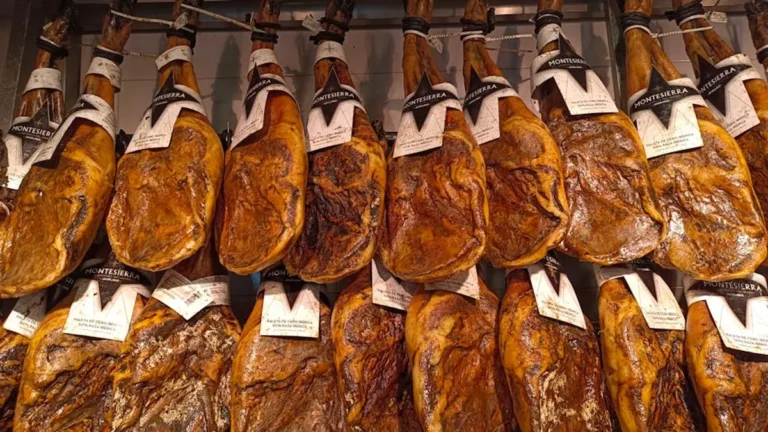
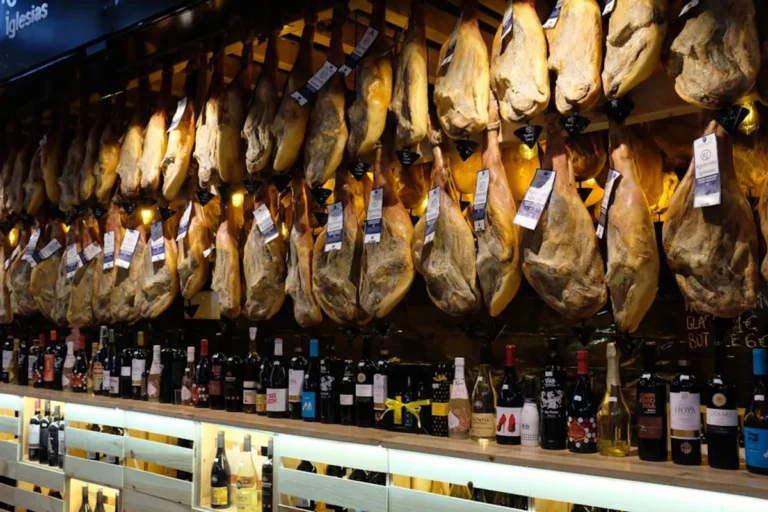
Spain's culinary scene is globally renowned, but content often defaults to tapas and paella. Emerging trends point to a desire for regional specialties, food markets, cooking classes, and vineyard tours. Guides should delve into:
- Specific regional cuisines (e.g., Basque pintxos, Asturian fabada, Valencian fideuà).
- Farm-to-table dining experiences and slow food movements.
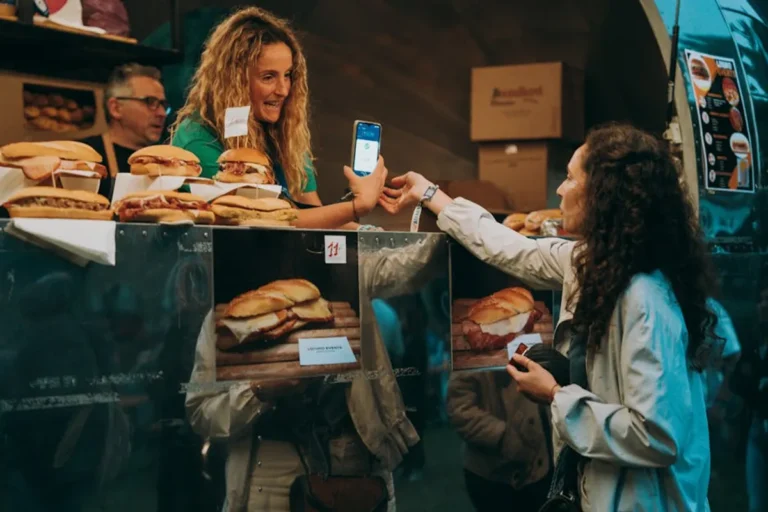
- Visits to local markets like Mercado de la Boqueria (Barcelona) or Mercado de San Miguel (Madrid) with a focus on specific vendors or ingredients.
- Wine routes beyond Rioja (e.g., Ribera del Duero, Priorat, Sherry Triangle).
Content should provide context for these culinary traditions, including historical background and local etiquette, positioning readers as informed participants rather than passive consumers.
Engaging with Local Traditions and Festivals
Travelers are increasingly planning trips around specific cultural events. This includes everything from religious processions during Semana Santa to regional harvest festivals or flamenco performances in smaller, authentic venues. Content should provide:
- Detailed event calendars for specific regions.
- Insider tips for experiencing festivals like La Tomatina or San Fermín beyond the main spectacle.
- Recommendations for local artisan workshops (e.g., pottery in Talavera de la Reina, leather goods in Ubrique).
- Historical and cultural explanations that deepen appreciation for these traditions.
This type of content attracts highly engaged audiences planning specific, experience-driven trips.
Spain as a Digital Nomad Hub
Spain's new Digital Nomad visa, combined with its favorable climate, cost of living, and cultural appeal, positions it as a prime destination for remote workers. This demographic requires a different type of travel guide content.
Catering to Extended Stays and Remote Work
Content for digital nomads must go beyond typical tourist itineraries. It needs to address practicalities of long-term living and working. This includes:
- Guides to co-working spaces and reliable internet connectivity in various cities.
- Information on local amenities, healthcare access, and banking.
- Neighborhood breakdowns for long-term rentals, focusing on community and lifestyle.
- Advice on navigating local bureaucracy for visa extensions or residency.
- Socializing and networking opportunities for expats and remote workers.
Such guides serve as essential resources for those looking to integrate into Spanish society for an extended period, offering commercial opportunities for affiliate partnerships with service providers.
Niche and Specialized Travel Experiences
The broad "Spain travel guide" is being disaggregated into highly specific, interest-based content. Travelers with defined passions are looking for resources that cater directly to their hobbies and pursuits.
Adventure and Outdoor Pursuits
Spain's diverse geography supports a wide range of outdoor activities. Content should focus on:
- Hiking the Camino de Santiago (beyond the French Way, exploring less-trafficked routes).
- Rock climbing in Montserrat or El Chorro.
- Surfing in the Basque Country or Canary Islands.
- Skiing in the Pyrenees or Sierra Nevada.
- Canyoning, caving, and mountain biking in specific national parks.
These guides require detailed logistical information, safety considerations, and recommendations for local guides or equipment rentals.
Wellness and Retreat-Focused Itineraries
The demand for health-conscious travel, including yoga retreats, spa breaks, and mental wellness journeys, is growing. Spain offers numerous locations, from coastal havens to mountain sanctuaries, suitable for such experiences. Content should highlight:
- Specific wellness resorts or retreat centers.
- Regions known for their thermal springs (e.g., Ourense in Galicia).
- Yoga and meditation retreats, often incorporating local cultural elements.
- Mindful travel itineraries that emphasize relaxation and rejuvenation.
This content can appeal to a premium audience seeking restorative travel experiences.
Leveraging Data for Trend-Driven Content
To effectively capitalize on these trends, content creators must move beyond anecdotal observations. Data analysis, including search query trends, social media engagement, and booking platform insights, provides concrete direction.
Identifying Emerging Destinations and Activities
Monitor search volume for long-tail keywords related to "sustainable travel Spain," "digital nomad cities Spain," "rural retreats Andalusia," or "Camino del Norte guide." Analyze social media hashtags and geotags to pinpoint destinations gaining traction. For instance, a sudden surge in queries for "cycling routes Mallorca" or "wine tasting Priorat" indicates an opportunity to create targeted, authoritative content before the market becomes saturated. Prioritize content creation around areas demonstrating clear, upward search interest rather than relying solely on established high-volume terms.
Pro Tip: When developing content around emerging trends, prioritize first-hand experience or interviews with local experts. Authenticity and specific, actionable detail differentiate your content from generic AI-generated summaries. Include practical advice on booking, local customs, and unexpected challenges to build trust and authority.
Actionable Content Development for the Modern Traveler
Adapting to these Spain travel trends requires a strategic shift in content creation. Focus on providing depth over breadth, solving specific traveler problems, and aligning with ethical travel values. Integrate rich media – high-quality photography, video walkthroughs, and interactive maps – to enhance the user experience. Prioritize mobile-first design, as many travelers research and navigate on their smartphones. By consistently delivering valuable, trend-aligned content, you can establish your guides as essential resources for the evolving Spain travel market.
Frequently Asked Questions
How do I identify which Spain travel trends are most relevant to my audience?
Analyze your existing audience demographics and engagement metrics. Use keyword research tools to identify search volume and trend data for specific niche interests, sustainable travel terms, or digital nomad queries. Monitor social media discussions and travel forums for questions and emerging destinations.
What content formats work best for these new travel trends?
Deep-dive articles, detailed itineraries, and comprehensive "how-to" guides are highly effective. Consider incorporating video content for immersive experiences, interactive maps for rural exploration, and downloadable checklists for digital nomads. User-generated content and expert interviews also add authenticity.
How can I ensure my content remains commercially viable while focusing on niche trends?
Focus on high-intent, long-tail keywords associated with these trends. Partner with local businesses, ethical tour operators, or sustainable accommodation providers for affiliate opportunities. Offer premium content like downloadable, detailed itineraries or specialized planning services. The engaged, specific audience for niche trends often converts at higher rates.
Should I update old Spain travel guides or create entirely new content for these trends?
Both approaches are valuable. Update existing popular guides by integrating sections on sustainable options, local experiences, or off-season appeal. For entirely new trends like digital nomadism or specific adventure sports, create fresh, dedicated content that addresses the unique needs of those travelers from the ground up.