
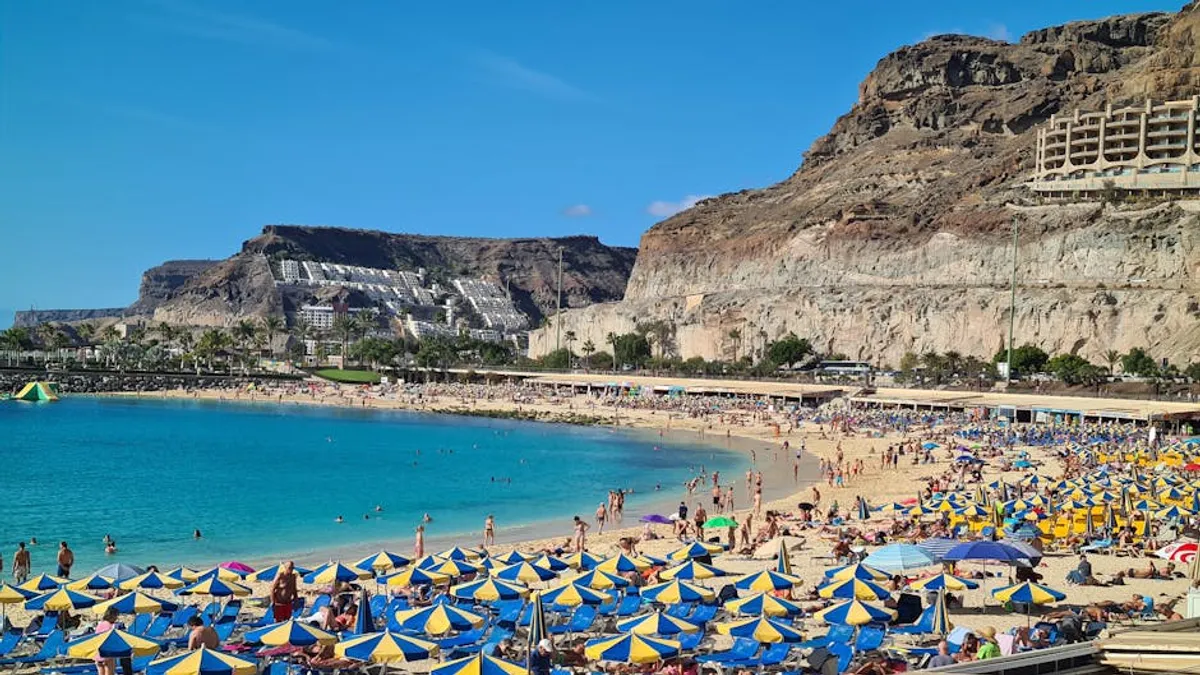
Selecting the "best" beaches in Spain involves understanding a diverse set of criteria that cater to varied visitor expectations, from serene natural coves to bustling urban sands. The concept of a "best beach" is not monolithic; it depends entirely on what a traveler prioritizes: water quality, sand type, amenities, accessibility, crowd levels, or specific activities like surfing or snorkeling. This guide dissects the components that define Spain's premier coastal destinations, providing a framework for evaluating their suitability based on distinct operational characteristics and visitor profiles. Each beach operates as a unique ecosystem of natural attributes and managed facilities, and recognizing these differences is key to aligning expectations with reality. This guide dissects the components that define Spain's premier coastal destinations, providing a framework for evaluating their suitability based on distinct operational characteristics and visitor preferences, offering practical tips for choosing.
What Defines a Premier Spanish Beach: Key Evaluation Criteria
Understanding how Spain's best beaches function requires a clear set of evaluation metrics beyond simple aesthetic appeal. These criteria allow for a granular assessment of what each beach offers and for whom it is best suited. Understanding these metrics will help you avoid common mistakes to avoid when planning your trip.
- Natural Attributes: This includes the quality and type of sand (fine white, golden, pebbles), water clarity, wave conditions (calm for swimming, strong for surfing), and the surrounding landscape (cliffs, dunes, pine forests). Beaches with unique geological formations or exceptional biodiversity often rank higher for natural beauty.
- Water Quality and Safety: Blue Flag certification is a primary indicator of excellent water quality, environmental management, safety services, and accessibility. Presence of lifeguards, clear signage, and designated swimming areas are crucial safety factors.
- Accessibility and Infrastructure: Ease of access (road, public transport, parking), availability of facilities like restrooms, showers, changing rooms, and specific provisions for visitors with reduced mobility significantly impact a beach's overall utility.
- Amenities and Services: The range of services, including sun lounger and umbrella rentals, chiringuitos (beach bars), restaurants, water sports equipment rentals (kayaks, paddleboards), and nearby accommodation options, caters to different comfort and convenience needs.
- Crowd Levels and Atmosphere: Some visitors seek vibrant, social atmospheres with ample activity, while others prefer tranquility and seclusion. The density of visitors, particularly during peak season, fundamentally alters the beach experience.
- Activities and Recreation: Beyond sunbathing and swimming, the potential for snorkeling, diving, surfing, windsurfing, paddleboarding, or exploring nearby hiking trails adds significant value for active travelers.
- Environmental Protection and Conservation: Beaches located within natural parks or protected areas often offer a more pristine experience but may come with stricter regulations regarding access and activities.
1. Playa de Ses Illetes
Located on the northern tip of Formentera, Playa de Ses Illetes is renowned for its Caribbean-like aesthetic, characterized by exceptionally fine white sand and crystal-clear turquoise waters. Its position within a natural park ensures minimal development, preserving its pristine beauty. The shallow, calm waters extend far from the shore, making it an ideal location for wading and relaxed swimming. Access is controlled, often requiring a small fee for vehicles during peak season, which helps manage crowd levels and maintain its ecological integrity.
Best for: Tranquil swimming, snorkeling, families with young children, nature enthusiasts seeking pristine environments.
Pros: Unrivaled water clarity and sand quality; protected natural environment; shallow, calm waters; limited development maintains natural charm.
Cons: Can be crowded in high season despite access controls; limited amenities directly on the beach; parking can be challenging and costly.
Verdict: Ses Illetes delivers an unparalleled natural beach experience, prioritizing environmental preservation over extensive facilities. Its beauty is undeniable, but visitors must accept regulated access and potentially high seasonal demand.
2. Playa de Bolonia
Situated near Tarifa in Andalusia, Playa de Bolonia offers a wild, expansive stretch of golden sand backed by a large shifting dune (Duna de Bolonia) and pine forests. This beach is celebrated for its natural, untamed character and the presence of the ancient Roman city of Baelo Claudia ruins directly adjacent to the sand. Its Atlantic exposure means consistent breezes, making it popular for wind sports, though the water remains suitable for swimming. The atmosphere is relaxed and bohemian, attracting those who prefer a less commercialized setting.
Best for: Wind sports, cultural exploration, natural beauty appreciation, those seeking a less developed beach experience.
Pros: Stunning natural landscape with a vast dune; historical Roman ruins on-site; generally less crowded than other major beaches; good for windsurfing and kitesurfing.
Cons: Can be windy, potentially uncomfortable for sunbathing; amenities are fewer and more rustic; strong currents can occur.
Verdict: Bolonia is a distinctive choice for visitors valuing natural grandeur and historical context over resort-style amenities. Its unique blend of archaeology and wild coastline offers a memorable, authentic Andalusian experience.
3. Playa de la Concha
Playa de la Concha, gracing the city of San Sebastián in the Basque Country, is an iconic urban beach framed by an elegant promenade and two verdant mountains. Its crescent shape provides sheltered, calm waters, making it excellent for swimming and paddleboarding. The beach is fully integrated into the city, offering immediate access to urban amenities, restaurants, and cultural sites. Despite its urban setting, its sand is fine and golden, and the water quality is consistently high, earning it frequent accolades for its beauty and cleanliness.
Best for: Urban beachgoers, families, scenic walks, those seeking convenience and city access alongside beach relaxation.
Pros: Exceptional urban integration with immediate access to city services; calm, sheltered waters ideal for swimming; stunning panoramic views; consistent high standards of cleanliness.
Cons: Can become extremely crowded during summer months; limited space for sunbathing during high tide; parking in the city can be difficult and expensive.
Verdict: La Concha stands as a prime example of an urban beach that sacrifices nothing in terms of beauty or utility. It's a sophisticated choice for those who want a city break combined with a world-class beach experience.
4. Playa de Las Canteras
Located in Las Palmas de Gran Canaria, Playa de Las Canteras is a long, urban beach protected by a natural reef known as "La Barra." This reef acts as a natural breakwater, creating calm, safe waters ideal for swimming and snorkeling close to shore, while allowing for more open waves further out. The beach is bordered by a lively promenade lined with restaurants, cafes, and shops, providing comprehensive amenities. Its consistent year-round pleasant climate makes it a popular destination even outside peak summer months.
Best for: Families, urban travelers, snorkeling, year-round beach visits, those seeking extensive amenities and easy access.
Pros: Natural reef creates calm, safe swimming areas; extensive promenade with diverse dining and shopping; excellent year-round climate; good public transport links.
Cons: Can feel very urban and developed; very popular, leading to high crowd density; some areas can be affected by strong currents beyond the reef.
Verdict: Las Canteras functions as a highly accessible and amenity-rich urban beach, particularly effective for families and those desiring convenience. Its natural reef protection is a significant operational advantage for water safety.
5. Cala Macarella / Macarelleta
These two adjacent coves on Menorca are quintessential Balearic beaches, famed for their dazzling turquoise waters and fine white sand, framed by pine-clad cliffs. Cala Macarella is larger and more accessible, while Macarelleta is a smaller, more secluded gem, often reached via a short walk from Macarella. Both are part of a protected natural area, meaning development is strictly limited, preserving their natural, unspoiled character. Access during peak season is often restricted to buses or walking to manage visitor impact.
Best for: Snorkeling, nature photography, secluded relaxation, experiencing Menorca's pristine natural beauty.
Pros: Exceptionally clear, calm turquoise waters; pristine natural surroundings; ideal for snorkeling; Macarelleta offers greater seclusion.
Cons: Access can be challenging, especially for Macarelleta; limited facilities at both coves; very popular, leading to high foot traffic on paths and potential crowding.
Verdict: Macarella and Macarelleta offer an iconic Menorcan natural beach experience, operating on the principle of limited intervention. Their beauty is their primary draw, requiring visitors to prioritize natural splendor over extensive conveniences.
6. Playa de Muro
Located on the northeast coast of Mallorca, Playa de Muro is a vast, expansive stretch of fine golden sand extending for several kilometers. Its defining characteristic is its incredibly shallow and calm waters, which remain knee-deep for a considerable distance from the shore. This makes it exceptionally safe and popular for families with young children. The beach is well-equipped with amenities, including sun loungers, lifeguards, and numerous beach bars, integrated with a range of nearby resorts and hotels.
Best for: Families with young children, safe swimming, long beach walks, those seeking resort-style amenities.
Pros: Extremely shallow and calm waters; vast length reduces feeling of overcrowding; excellent facilities and accessibility; consistent Blue Flag status.
Cons: Can feel somewhat resort-heavy and commercialized in parts; lacks the dramatic natural scenery of more secluded coves; seaweed can occasionally wash ashore.
Verdict: Playa de Muro is a highly functional and reliable family beach, designed for comfort and safety. Its operational strength lies in its predictable, calm conditions and comprehensive infrastructure.
7. Playa de Zahara de los Atunes
This wide, golden sand beach in Cadiz, Andalusia, stretches for several kilometers along the Costa de la Luz. Zahara de los Atunes maintains a laid-back, authentic Andalusian charm, avoiding the mass tourism development seen elsewhere. Its Atlantic exposure brings consistent waves, making it attractive for surfers and bodyboarders, particularly outside the calmest summer months. Despite its length, it rarely feels overly crowded, even in peak season, offering ample space for relaxation and activity.
Best for: Surfing, bodyboarding, expansive beach walks, authentic local atmosphere, those seeking space and a relaxed vibe.
Pros: Very wide and long, offering plenty of space; less developed and more authentic feel; good conditions for various water sports; stunning sunsets.
Cons: Can be windy at times; amenities are concentrated near the town, leaving long stretches more natural; water can be cooler due to Atlantic influence.
Verdict: Zahara de los Atunes operates as a spacious, genuine Andalusian beach, appealing to those who value a blend of water sports potential and a relaxed, unpretentious atmosphere over high-density tourism infrastructure.
8. Playa de Rodas
Often hailed as one of the world's most beautiful beaches, Playa de Rodas is located on the Cíes Islands, part of the Atlantic Islands of Galicia National Park. Its fine white sand and emerald-green, crystal-clear waters give it a Caribbean appearance, despite the cooler Atlantic temperatures. As part of a protected national park, access is strictly limited via ferry, requiring pre-booking, which ensures its pristine condition and prevents overcrowding. Facilities are minimal, emphasizing its natural state.
Best for: Nature lovers, hiking, pristine natural beauty, tranquility, those willing to plan access in advance.
Pros: Exquisite natural beauty and pristine environment; controlled access ensures low crowd levels; excellent for hiking and exploring the islands; exceptionally clear water.
Cons: Water temperatures are notably cooler than Mediterranean beaches; access requires pre-booked ferry tickets; very limited facilities on the island.
Verdict: Playa de Rodas functions as a highly protected natural sanctuary. Its operational model prioritizes ecological preservation through strict access control, delivering an unparalleled, albeit logistically demanding, natural beach experience.
9. Playa del Silencio
Located on the rugged coast of Asturias, Playa del Silencio (Beach of Silence) lives up to its name, offering a dramatic and tranquil escape. This crescent-shaped cove is characterized by its pebble and stone shore, framed by towering, intricately carved cliffs. Its remote location and somewhat challenging access (a steep path and steps) deter large crowds, preserving its serene atmosphere and natural grandeur. The clear waters are suitable for swimming, though the lack of sand means it's less ideal for traditional sunbathing.
Best for: Photography, quiet contemplation, dramatic scenery, hiking, escaping crowds, those seeking unique geological formations.
Pros: Stunning, dramatic cliff scenery; exceptionally tranquil and secluded atmosphere; clear, clean waters; unique pebble beach experience.
Cons: Access involves a steep descent and ascent; not suitable for traditional sand-based beach activities; water can be cold; very limited facilities.
Verdict: Playa del Silencio operates as a destination for scenic beauty and peaceful retreat, rather than a conventional sunbathing spot. Its value lies in its dramatic natural aesthetics and the quiet solitude it offers.
10. Cala Galdana
Cala Galdana is one of Menorca's most developed and family-friendly beaches, a horseshoe-shaped bay with fine white sand and calm, shallow turquoise waters. It is backed by a small resort town, providing a full suite of amenities including hotels, restaurants, shops, and water sports rentals. The bay's sheltered nature makes it exceptionally safe for swimming and paddleboarding, and its accessibility is excellent, with ample parking and public transport options. It serves as a hub for exploring nearby, more secluded coves.
Best for: Families with young children, easy access to amenities, water sports, those seeking a comfortable and convenient beach holiday.
Pros: Very calm and shallow waters, ideal for families; extensive amenities and services; excellent accessibility and parking; scenic bay setting.
Cons: Can be very crowded during peak season; more developed and less natural than other Menorcan coves; commercial atmosphere may not appeal to all.
Verdict: Cala Galdana is a highly efficient and amenity-rich family beach. Its operational model emphasizes convenience and safety, making it a reliable choice for those prioritizing comfort and comprehensive services.
11. Playa de Es Trenc
Located on the south coast of Mallorca, Es Trenc is one of the island's last large, undeveloped natural beaches, stretching for several kilometers. It features fine white sand, extensive dunes, and exceptionally clear, shallow turquoise waters. As a protected natural park, it lacks the large-scale development found on other Mallorcan beaches, offering a more pristine and tranquil experience. While there are some basic chiringuitos, the focus remains on natural preservation and open space.
Best for: Nature lovers, long walks, tranquil swimming, those seeking a natural, undeveloped beach experience.
Pros: Pristine natural environment with dunes; long stretch of fine white sand; exceptionally clear and shallow waters; generally less crowded than resort beaches.
Cons: Limited facilities; can be windy; parking can be a challenge and often requires a fee; some areas are designated for nudism, which may not suit all visitors.
Verdict: Es Trenc operates as a natural sanctuary, prioritizing ecological integrity. Its appeal lies in its expansive, undeveloped character, making it suitable for those who value natural beauty and space over extensive amenities.
12. Calahonda (Nerja)
Calahonda beach is a charming, compact cove nestled beneath the iconic Balcón de Europa in Nerja, Andalusia. Characterized by dark, coarse sand and clear waters, it offers a more intimate beach experience than larger stretches. Access is via a scenic path or steps from the Balcón de Europa, adding to its picturesque appeal. Despite its small size, it provides essential amenities like sun loungers and a beach bar, benefiting from its proximity to Nerja's town center and its vibrant atmosphere.
Best for: Convenient town access, picturesque setting, swimming in a sheltered cove, those seeking a lively but contained beach experience.
Pros: Highly picturesque location beneath the Balcón de Europa; easy access to Nerja town amenities; sheltered waters for swimming; charming, intimate atmosphere.
Cons: Small size means it can get very crowded quickly; sand is coarser and darker; limited space for activities beyond swimming and sunbathing.
Verdict: Calahonda functions as a highly accessible, charming urban cove, leveraging its prime location in Nerja. It's an effective choice for visitors who prioritize picturesque views and immediate access to town facilities in a compact setting.
Selecting Your Ideal Spanish Beach
Choosing the "best" beach in Spain is a highly personal decision, contingent on aligning your specific travel objectives with the operational characteristics of each destination. Begin by prioritizing what matters most: is it pristine natural beauty, extensive family-friendly amenities, opportunities for water sports, or a vibrant social scene? If tranquility and untouched landscapes are paramount, focus on beaches within natural parks or those with limited access, understanding that this often means fewer facilities. For families, prioritize beaches with shallow, calm waters, Blue Flag status, and readily available amenities like lifeguards and nearby dining. Urban beaches offer convenience and a lively atmosphere but come with higher crowd densities. Consider the time of year for your visit; peak summer months bring the warmest water and most services but also the largest crowds. Off-season visits can offer a more serene experience at popular spots. Ultimately, the "best" beach is the one that most effectively fulfills your individual requirements for relaxation, activity, and environment.
Frequently Asked Questions
What is Blue Flag status?
Blue Flag is an international award given to beaches and marinas that meet stringent criteria for environmental management, water quality, safety, and services. It indicates a high standard of cleanliness and operational excellence.
Are all Spanish beaches sandy?
No, Spain's diverse coastline includes a variety of beach types, from fine white or golden sand to coarse dark sand, pebbles, and even rocky coves. The Balearic Islands and parts of Andalusia are known for white sand, while the Canary Islands and some northern regions feature darker, volcanic, or pebble beaches.
Do I need to book access to certain beaches?
Yes, some highly protected beaches, particularly those within national parks like Playa de Rodas (Cíes Islands) or Ses Illetes (Formentera), require pre-booked ferry tickets or vehicle permits to manage visitor numbers and preserve their ecosystems.
What are "chiringuitos"?
Chiringuitos are informal beach bars or restaurants, typically found directly on the sand. They offer refreshments, snacks, and sometimes full meals, providing convenient dining options for beachgoers.
Is nudism common on Spanish beaches?
While not universal, nudism (or naturism) is accepted and practiced on many Spanish beaches, particularly on designated sections or more secluded coves. Look for signs indicating "playa nudista" or "zona nudista" if this is a preference or a concern.