Creating effective Spain travel guides requires a strategic approach that moves beyond generic destination overviews. For publishers, marketers, and site owners, the objective is to capture and convert user intent across the entire travel planning journey. This means delivering content that is not only informative but also highly specific, trustworthy, and optimized for discoverability. The competitive landscape for Spain travel content demands precision in identifying user needs, structuring information, and leveraging technical SEO to stand out.
Mapping User Intent for Spain Travel Content
The foundation of any successful Spain travel guide lies in understanding the diverse intents of potential visitors. A user searching for "things to do in Barcelona" has a different need than someone looking for "best paella in Valencia" or "how to get from Seville airport to city center." Categorizing these intents—informational, navigational, and transactional—allows for targeted content creation and optimization.
- Informational Intent: Users seeking knowledge, inspiration, or general overviews. Examples include "Spain travel itinerary 10 days," "history of Alhambra," or "best time to visit Canary Islands." Guides targeting this intent should be comprehensive, rich in detail, and answer common questions without immediate commercial pressure.
- Navigational Intent: Users looking for specific locations, brands, or entities. While less common for broad travel guides, it applies when a user searches for a specific hotel, restaurant, or attraction mentioned within a larger guide. Ensure proper naming conventions and local SEO signals.
- Transactional Intent: Users ready to book, buy, or commit to an action. Examples include "book Sagrada Familia tickets," "Spain tour packages," or "rent car Malaga airport." Guides should transition smoothly from informational content to clear calls to action, integrating affiliate links or direct booking options where appropriate.
Effective guides integrate content that addresses all three stages of the user journey, guiding them from initial curiosity to final booking. This requires a modular approach, allowing users to find specific answers quickly while also offering deeper dives for those seeking more comprehensive planning resources.
Crafting Deep, Specific, and Trustworthy Content
Generic lists of "top attractions" no longer suffice. To compete, Spain travel guides must offer unique perspectives, granular detail, and demonstrate genuine expertise. This means focusing on niche interests, regional specificities, and validated experiences.
Best for: Establishing authority and attracting long-tail organic traffic.
Leveraging Local Expertise and E-A-T Signals
Google's emphasis on E-A-T (Expertise, Authoritativeness, Trustworthiness) is particularly critical for travel content, where accuracy and reliability directly impact user safety and satisfaction. For Spain travel guides, this translates to:
- Author Biographies: Feature authors with demonstrable experience living in, traveling extensively through, or specializing in Spain. Include credentials, relevant travel history, or local connections.
- Referencing Official Sources: Cite Spanish tourism boards, local government sites, reputable news outlets, and established cultural institutions for factual claims, opening hours, and event details.
- First-Hand Experience: Integrate personal anecdotes, high-quality original photography, and detailed descriptions that convey authentic experience. This builds trust and differentiates content from AI-generated or rehashed material.
- Regular Updates: Spain's travel landscape, particularly post-pandemic, is dynamic. Regularly audit and update information on prices, opening hours, transport links, and local regulations to maintain accuracy. Outdated content erodes trust and diminishes utility.
Visual Content and Immersive Experiences
High-quality visual content is non-negotiable for travel guides. Images and videos convey atmosphere, spark inspiration, and provide crucial context that text alone cannot. Optimize visuals for both quality and performance.
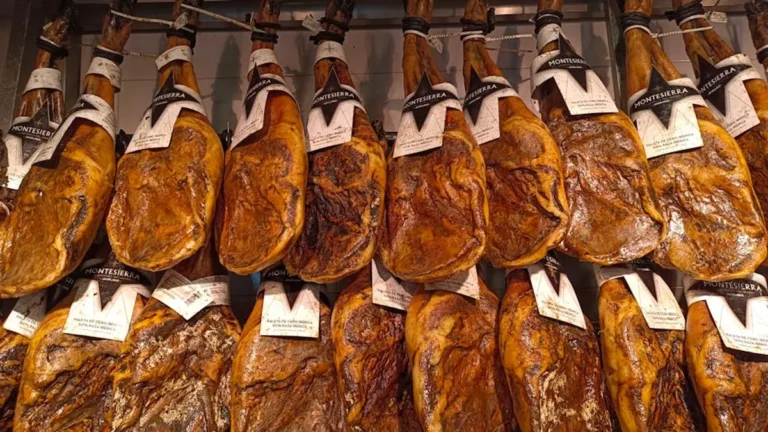
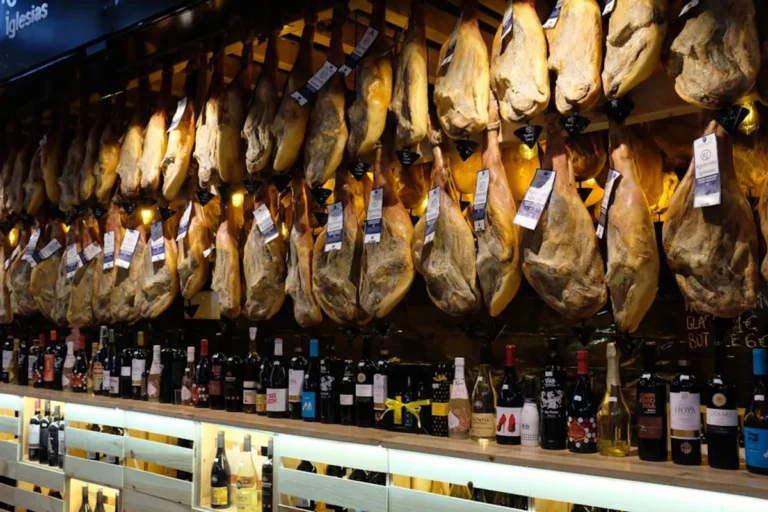
- High-Resolution Photography: Use original, captivating images that showcase Spain's diverse landscapes, architecture, culture, and cuisine. Ensure images are properly compressed and use descriptive alt text for accessibility and SEO.
- Embedded Video: Integrate short, engaging video clips for walking tours, cultural explanations, or destination highlights. Video increases time on page and provides a richer user experience.
- Interactive Maps: Embed customizable maps (e.g., Google Maps) highlighting points of interest, suggested routes, or local businesses. This aids practical planning and navigation, making the guide more functional.
Pro Tip: Prioritize mobile-first design and page speed for all Spain travel guides. A slow, unresponsive site on a mobile device directly correlates with high bounce rates, especially for users on the go researching real-time information or navigating unfamiliar areas. Ensure images are correctly sized and scripts are deferred to optimize loading times.
Structured Data and Technical Optimization
Beyond content quality, technical SEO ensures that search engines can effectively understand and display your Spain travel guide content. Implementing structured data (Schema.org markup) can enhance visibility in SERPs through rich results.
- TouristDestination Schema: Mark up your main destination pages (e.g., "Spain travel guide," "Andalusia travel guide") to provide search engines with clear signals about the geographic focus.
- Event Schema: For guides covering festivals, local holidays, or cultural events, use `Event` schema to detail dates, locations, and ticket information, potentially leading to rich snippets.
- Review and Rating Schema: If your guide includes reviews of hotels, restaurants, or attractions, implement `Review` or `AggregateRating` schema to display star ratings in search results, improving click-through rates.
- LocalBusiness Schema: When featuring specific businesses within your guide (e.g., a highly recommended tapas bar in Seville), use `LocalBusiness` schema to provide details like address, phone number, and opening hours.
Ensure all structured data is valid and correctly implemented using tools like Google's Rich Results Test. Regular monitoring of search console for schema errors is essential.
Sustaining Organic Visibility
Maintaining relevance and authority for Spain travel guides is an ongoing process. Consistent effort in content refinement and technical hygiene is paramount.
Regularly analyze search performance data to identify content gaps, underperforming pages, and new keyword opportunities related to Spain travel. User behavior metrics, such as bounce rate and time on page, can indicate areas where content needs to be expanded, clarified, or made more engaging. Furthermore, actively building high-quality, relevant backlinks from other reputable travel and lifestyle sites reinforces the guide's authority in the eyes of search engines. This holistic approach ensures that Spain travel guides remain a valuable and discoverable resource for travelers.
Frequently Asked Questions
How often should Spain travel guides be updated?
Spain travel guides should be reviewed and updated at least annually, or more frequently if significant changes occur in local regulations, attractions, transportation, or pricing. Seasonal events and temporary closures also necessitate timely updates.
What are the most effective visual elements for a Spain travel guide?
High-resolution, original photography is critical, complemented by embedded videos for immersive experiences and interactive maps for practical navigation. These visuals enhance engagement and provide essential context.
How does E-A-T apply specifically to travel content?
E-A-T for travel content means demonstrating expertise through author credentials, referencing official tourism sources, showcasing first-hand experience with original content, and maintaining factual accuracy through regular updates.
Should I include local business information in my travel guides?
Yes, including specific, well-researched local business recommendations (e.g., restaurants, shops, tour operators) enhances the guide's utility and trustworthiness. Ensure this information is current and consider using LocalBusiness schema markup.