
The "things to do in Barcelona" search landscape is highly competitive, dominated by established travel authorities and local experts. For publishers aiming to capture organic traffic in this space, a generic approach to content creation is insufficient. Success hinges on a precise, data-driven strategy that addresses specific user intent, leverages technical SEO, and builds genuine authority. This requires moving beyond simple lists to craft comprehensive, valuable resources that satisfy diverse search queries and stand out in a crowded market. To truly succeed in this competitive arena, understanding the best practices for Barcelona activities is paramount for any publisher looking to gain traction.
Understanding Diverse Searcher Intent for Barcelona Activities
Effective content for Barcelona activities begins with a granular understanding of user intent. Searchers are not monolithic; their queries reflect different stages of trip planning, budgets, and interests. A broad "things to do in Barcelona" query might indicate early-stage research, while "Sagrada Familia tickets skip the line" signals commercial intent and readiness to book. Publishers must map content to these distinct needs.
- Informational Intent: Users seeking general knowledge, such as "best time to visit Barcelona" or "history of Park Güell." Content should be detailed, educational, and answer common questions thoroughly.
- Navigational Intent: Users looking for specific locations or official websites, e.g., "Barcelona Cathedral official site" or "Camp Nou tour." Content here often serves as a gateway to booking or direct information.
- Commercial Investigation: Users comparing options or looking for recommendations, like "best tapas tours Barcelona" or "family activities Barcelona reviews." Comparison guides, curated lists, and expert opinions are valuable.
- Transactional Intent: Users ready to book or purchase, exemplified by "buy Picasso Museum tickets" or "Barcelona airport transfer." Content should facilitate direct booking or provide clear pathways to purchase.
A single article cannot satisfy all intents. Instead, develop a content cluster where a broad "things to do" hub links to more specific, intent-driven sub-articles, each optimized for its target query.
Structuring Comprehensive Content Pillars
To establish authority and capture a wide range of traffic, content should be organized into distinct, yet interconnected, pillars. This approach ensures thorough coverage while maintaining user-friendliness and clear topical relevance. Instead of one monolithic list, consider breaking down Barcelona activities into logical categories.
Content Pillar Examples:
- Cultural & Historical Attractions: Focus on landmarks like Sagrada Familia, Gothic Quarter, Picasso Museum, and Montjuïc. Detail history, architectural significance, and visitor information.
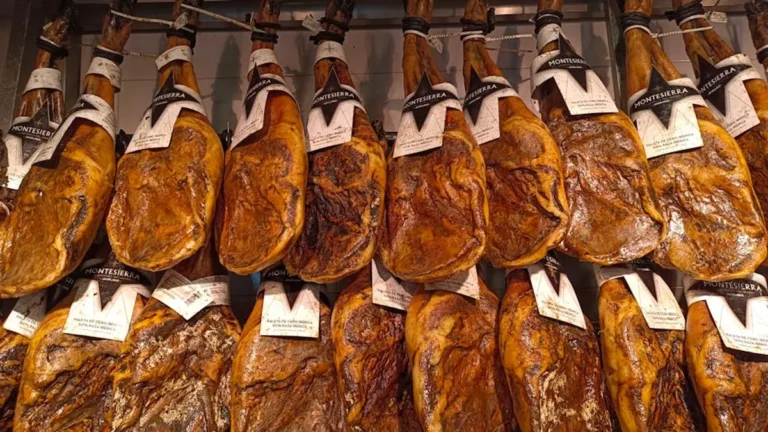
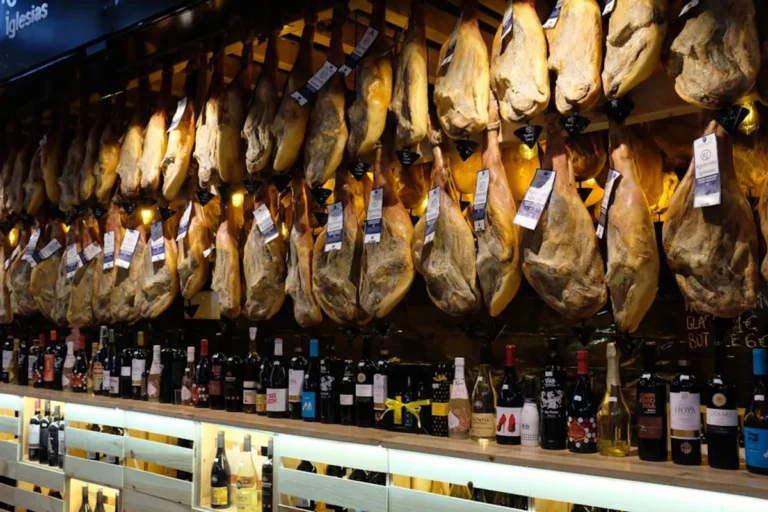
- Food & Culinary Experiences: Cover tapas bars, Boqueria Market, cooking classes, and traditional Catalan dishes. Emphasize local authenticity and specific recommendations.
- Outdoor & Adventure Activities: Include city parks, beaches, hiking trails near Barcelona, and watersports. Provide practical advice on accessibility and seasonal considerations.
- Family-Friendly Barcelona: Curate activities suitable for children, such as Tibidabo Amusement Park, Barcelona Aquarium, and kid-friendly museums.
- Budget-Friendly & Free Activities: Highlight options like free walking tours, public parks, beach access, and free museum days. This caters to a significant segment of travelers.
- Day Trips from Barcelona: Extend coverage to nearby destinations like Montserrat, Girona, or Sitges, offering itineraries and transportation details.
Each pillar can then branch into numerous long-tail articles, addressing specific attractions or experiences within that category. This hierarchical structure signals comprehensive coverage to search engines and provides a logical user journey.
Optimizing On-Page Elements for Visibility
Beyond content depth, the technical execution of on-page SEO is critical for ranking in a competitive market like Barcelona travel. Precision in meta-data, structured data, and internal linking directly impacts search engine understanding and click-through rates.
Granular Keyword Research and Semantic Optimization
Move beyond head terms like "Barcelona attractions." Research long-tail keywords, question-based queries, and semantic variations. Tools can reveal terms like "best Gaudi architecture tour Barcelona," "things to do Barcelona at night," or "Barcelona hidden gems." Incorporate these naturally throughout the content, not just in headings. Use latent semantic indexing (LSI) keywords to provide context and demonstrate topical expertise, signaling to search engines that your content covers the subject comprehensively.
Crafting Compelling Titles and Descriptions
Your title tag and meta description are your primary advertisements in search results. For "things to do in Barcelona," they must be enticing and relevant. Include the primary keyword, a unique selling proposition (e.g., "local's guide," "off-the-beaten-path"), and a clear call to action where appropriate. Keep titles concise (under 60 characters) and descriptions informative (under 160 characters) to avoid truncation.
Implementing Structured Data
Structured data, particularly schema.org markup, provides explicit signals to search engines about the entities and relationships within your content. For travel content, this is indispensable. Implement LocalBusiness for specific attractions, Event for festivals or tours, and Article for your blog posts. Using Review schema can display star ratings in search results, increasing visibility and trust. For "things to do" lists, ItemList or WebPage with embedded entities can be highly effective.
Strategic Internal Linking
Internal links distribute page authority, help search engines discover new content, and guide users through your site. For Barcelona content, link related articles (e.g., from a "Sagrada Familia" article to a "Gaudi Architecture Tour" article). Use descriptive anchor text that includes relevant keywords. A well-constructed internal linking strategy reinforces your site's topical authority around Barcelona travel.
Pro Tip: For highly competitive travel topics like "things to do in Barcelona," demonstrating real-world experience and expertise (E-E-A-T) is paramount. Include author bios with relevant credentials, cite local experts, and incorporate unique photography or first-hand accounts to establish credibility. Generic, rehashed content will struggle against established players.
Leveraging Technical SEO and Authority Signals
While content is king, technical foundations ensure that content is discoverable and performs optimally. For travel sites, mobile experience and site speed are critical ranking factors.
Mobile-First Optimization: A significant portion of travel planning and on-the-go searches occur on mobile devices. Ensure your site is fully responsive, loads quickly on mobile, and offers an intuitive user experience. Prioritize touch-friendly navigation and legible text sizes.
Page Speed and Core Web Vitals: Slow loading times lead to high bounce rates and negatively impact rankings. Optimize images, leverage browser caching, minimize server response time, and ensure efficient CSS/JavaScript delivery to improve Core Web Vitals scores. Users planning a trip expect instant information.
Image Optimization: High-quality visuals are essential for travel content, but large image files can hinder performance. Compress images without sacrificing quality, use responsive image techniques (srcset), and include descriptive alt text for accessibility and SEO. Alt text also provides additional context for search engines regarding the visual content.
Monetization Strategies for Travel Content
Creating comprehensive "things to do" content for Barcelona presents numerous monetization opportunities beyond direct advertising. Integrating these ethically and strategically is key.
Affiliate Partnerships: Partner with tour operators, booking platforms (e.g., for hotels, flights, car rentals), and activity providers. Integrate affiliate links naturally within relevant content, offering users convenient booking options for activities, accommodations, or transportation mentioned in your guides.
Sponsored Content and Collaborations: Develop relationships with local businesses (restaurants, boutique hotels, unique experience providers) for sponsored posts or reviews. Always disclose sponsored content transparently to maintain user trust and comply with advertising guidelines.
Lead Generation: Offer downloadable Barcelona travel guides, exclusive itineraries, or email newsletters in exchange for user emails. This builds an audience for future marketing efforts, including promoting premium content or services.
Implementing a Cohesive Barcelona Content Strategy
Dominating the "things to do in Barcelona" search results requires a sustained, multi-faceted effort. Begin by auditing existing content for gaps and opportunities. Develop a content calendar that plans for both evergreen foundational pieces and timely updates for events or seasonal activities. Continuously monitor keyword performance, user engagement metrics, and competitor strategies. The goal is to become the definitive, trusted resource for anyone planning a visit to Barcelona, offering value at every stage of their travel journey through meticulously planned and executed content.
Frequently Asked Questions About "Things to Do" Content
How often should "things to do" content be updated?
Travel content, especially for dynamic cities like Barcelona, requires frequent updates. Aim for a quarterly review of core articles to check for changes in opening hours, ticket prices, transportation, or new attractions. Major updates should occur annually to ensure all information remains current and competitive.
What role do visuals play in travel content?
Visuals are paramount for travel content. High-quality, original photography and video enhance user engagement, convey atmosphere, and break up text. Include maps for walking tours or attraction locations. Ensure all visuals are optimized for web performance and include descriptive alt text for accessibility and SEO.
Should I focus on popular or niche activities in Barcelona?
A balanced approach is most effective. Start with comprehensive coverage of popular attractions (e.g., Sagrada Familia, Park Güell) to capture high-volume search traffic. Then, expand into niche activities (e.g., specific neighborhood guides, unique culinary experiences, hidden viewpoints) to capture long-tail queries and establish deeper authority.